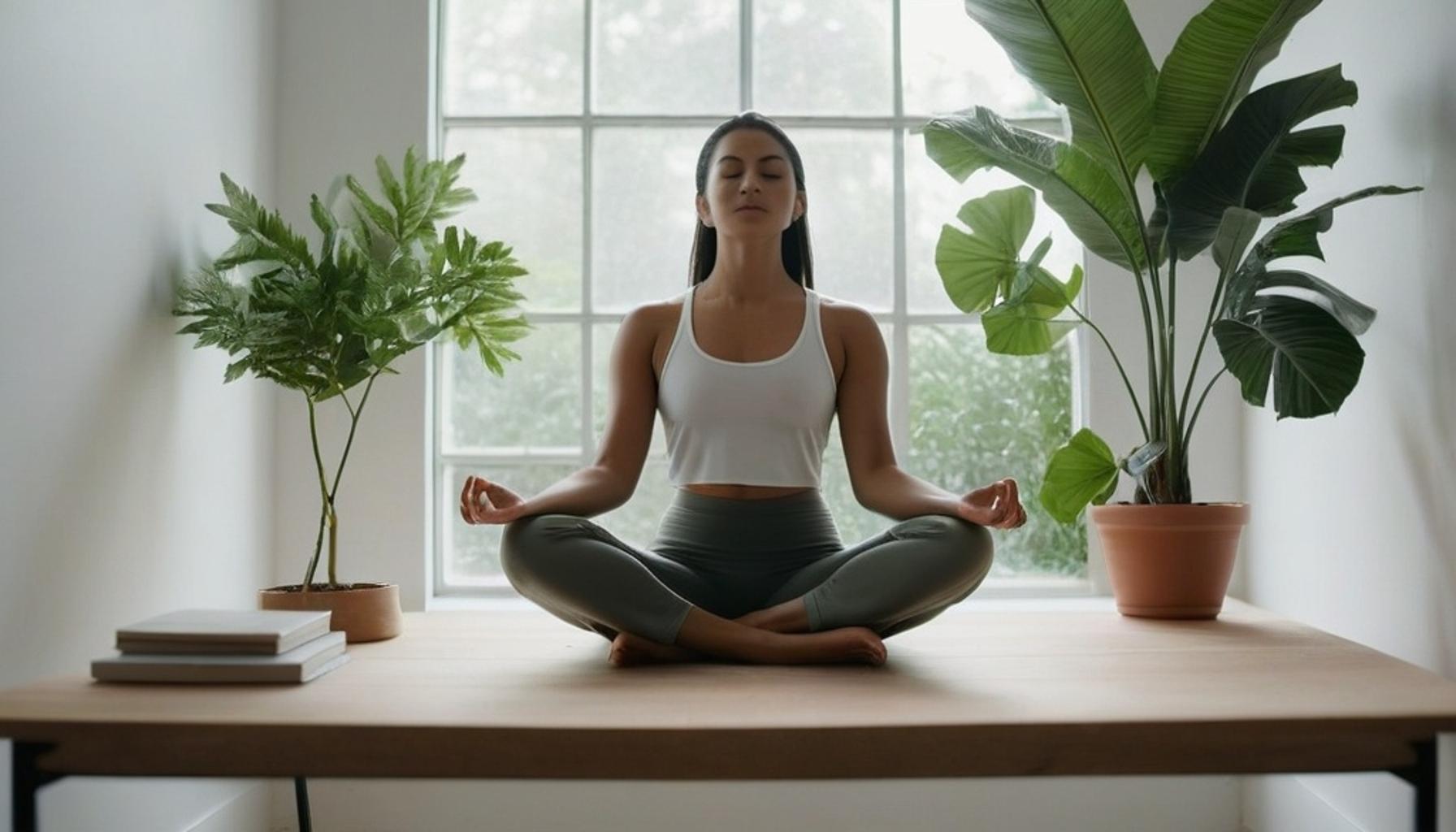
Integrating Mindful Habits into a Minimalist Routine

Why Mindful Habits and Minimalism Go Hand in Hand
Across the United States, a growing number of people are discovering that Mindful Habits Minimalist Routine practices can transform overwhelming days into intentional ones. From tiny apartments in New York City to suburban homes in Austin, minimalism lifestyle choices are reshaping how Americans think about time, space, and attention. It is becoming increasingly clear that living with less can lead to more clarity and focus in our everyday lives.
This isn’t just a passing trend. According to recent lifestyle surveys, over 60% of adults report feeling constantly overwhelmed by clutter, both physical and digital. This clutter can lead to increased stress levels and diminished quality of life, where distractions hijack our attention and drain our energy.
The Connection Between Simple Living and Mental Clarity
Mindfulness practices paired with decluttering create a powerful feedback loop. When you own less, you have less to manage, clean, and worry about, which can directly reduce anxiety and foster a sense of tranquility. This mental space becomes fertile ground for mindful living, allowing individuals to cultivate a deeper awareness of their actions, thoughts, and feelings.
Consider these everyday benefits people report:
- Reduced decision fatigue from having fewer choices: With a streamlined wardrobe or a simplified digital environment, decision-making becomes easier, freeing up mental energy for more important tasks.
- Increased presence during daily routines like morning coffee: Many individuals find that savoring their cup of coffee becomes a more meaningful ritual when distractions are minimized.
- Greater appreciation for quality over quantity: A focus on fewer items promotes an understanding of what truly matters, leading to an investment in better crafted and more meaningful possessions.
- More time for reflection instead of maintenance: With less clutter and chaos to navigate, individuals can allocate more time to self-care, creativity, and personal growth.
What This Article Will Explore
Integrating mindfulness into a pared-down lifestyle requires more than just throwing away possessions. It demands intentional habits for minimalism that support both mental and physical simplicity. This idea draws on the foundations of Buddhist mindfulness while simultaneously engaging with principles of Western design that advocate for minimal living spaces.
Throughout this guide, you’ll discover practical simple living tips, including:
- Morning rituals that anchor your day without excess, such as short meditation or a gratitude journal.
- Digital minimalism strategies for reducing screen time, like setting app limits or scheduling technology-free hours to promote real-world connections.
- Mindful decluttering techniques used by professional organizers, which emphasize decision-making processes that enhance your living environment rather than merely reducing items.
- Ways to sustain these habits long-term, even during busy seasons in life, ensuring that your minimalist lifestyle can adapt and thrive amid change.
Ready to explore how intentional living can reshape your daily experience? Let’s dive into the specifics and discover pathways to mental clarity and fulfillment.
YOU MAY ALSO LIKE: Mindful Habits to Reduce Stress and Increase Productivity
# Building Your Foundation: Morning Rituals for Intentional Living
Starting Your Day with Purpose: The Power of Mindful Morning Routines
The first sixty minutes after waking often set the tone for everything that follows. For those embracing a Mindful Habits Minimalist Routine, mornings become a sacred window for intentionality rather than a rushed scramble through notifications and to-do lists.
Research from behavioral psychologists suggests that people who establish consistent morning rituals report 23% higher productivity and significantly lower stress markers throughout the day. This isn’t coincidental. When you eliminate unnecessary decisions at the start of your day, you preserve mental bandwidth for what truly matters.
Simple Morning Practices That Anchor Your Day
Across cities like Portland and Denver, wellness communities are embracing stripped-down morning routines that prioritize presence over productivity apps. These practices don’t require expensive equipment or hours of free time. They simply require commitment.
Here are foundational mindfulness practices that pair naturally with minimalist living:
- Five-minute meditation: Sitting in silence before checking your phone can dramatically shift your nervous system from reactive to responsive mode.
- Gratitude journaling: Writing down three things you appreciate takes less than ninety seconds but creates lasting shifts in perspective and contentment.
- Mindful beverage rituals: Whether it’s tea or coffee, preparing and drinking it without distractions transforms a mundane task into a grounding ceremony.
- Intentional movement: A short stretch or walk outside, free from earbuds and screens, reconnects you with your physical environment.
What makes these practices distinctly minimalist is their simplicity. There’s no need for elaborate journals, subscription apps, or curated aesthetics. A blank notebook and five quiet minutes accomplish the same goal as expensive wellness products marketed on social media.
Why Fewer Morning Decisions Lead to Better Days
Steve Jobs famously wore the same outfit daily to reduce decision fatigue. This principle extends naturally into habits for minimalism that support mindful living throughout the United States today.
When your morning routine involves fewer choices, whether it’s a simplified breakfast menu or a capsule wardrobe, you conserve cognitive energy for meaningful decisions later. Financial advisors, therapists, and creative professionals alike report that reducing morning complexity directly correlates with improved focus during demanding afternoon hours.
This is where minimalism lifestyle choices intersect powerfully with mindfulness practices. Both philosophies ask the same fundamental question: what actually deserves your attention today?

RECOMMENDED: The practice of mindfulness in the minimalist organization: how conscious habits transform spaces and minds
# Midday Mindfulness: Decluttering Your Mental Space When Life Gets Busy
Sustaining Focus Through the Afternoon Slump
By noon, even the most disciplined morning routine can unravel. Emails pile up, notifications multiply, and the mental clarity you cultivated at dawn starts to fade. This is precisely where a Mindful Habits Minimalist Routine proves its worth beyond the breakfast table.
A 2023 study published by the American Psychological Association found that the average American office worker checks their phone 96 times per day, roughly once every ten minutes during waking hours. This constant fragmentation makes sustained mindfulness nearly impossible without deliberate structural changes to how we work and rest.
The One-Task Rule and Other Midday Anchors
Cities like Austin and Seattle have seen a surge in coworking spaces designed around “focus blocks,” dedicated stretches of uninterrupted work that mirror monastic simplicity. This trend reflects a broader cultural shift toward mindful living as a workplace value, not just a personal indulgence.
Consider integrating these midday practices into your minimalism lifestyle:
- Single-tasking blocks: Dedicate 25 to 50 minutes to one task with your phone in another room. This technique, often called timeboxing, reduces cognitive switching costs by up to 40 percent according to productivity researchers.
- Mindful eating pauses: Step away from your desk for lunch. Chewing slowly and noticing flavors interrupts the autopilot mode that dominates most American workdays.
- Digital decluttering: Spend two minutes unsubscribing from one newsletter or deleting one unused app daily. Small, consistent actions prevent digital clutter from mirroring physical clutter.
- Breath check-ins: Set a silent alarm for three random points during your day. When it rings, take five deep breaths before continuing.
These aren’t groundbreaking concepts, and that’s exactly the point. Simple living tips work because they demand little preparation and even less financial investment.
Why Minimalism and Mindfulness Reinforce Each Other Midday
Clutter, whether physical or digital, competes for attention that mindfulness practices are trying to reclaim. A cluttered inbox produces the same low-grade anxiety as a cluttered closet, according to organizational psychologists studying environments across corporate America.
Integrating mindfulness into midday routines isn’t about adding more to your plate. It’s about subtracting distractions so the tasks that remain receive fuller attention. Employees at companies like Patagonia and Salesforce, both known for wellness-forward cultures, have reported measurable drops in reported burnout after adopting structured, minimalist-inspired break schedules.
The lesson translates easily beyond office walls: fewer competing priorities during the day create more mental room for presence, whatever your profession or daily obligations happen to be.
Bringing It All Together: A Lifestyle, Not a Checklist
From sunrise breathing exercises to midday breath check-ins, the throughline is unmistakable: a Mindful Habits Minimalist Routine succeeds not through dramatic overhauls but through small, repeatable choices. Fewer possessions, fewer notifications, fewer competing priorities, each subtraction creates space for genuine presence.
What separates this approach from another fleeting wellness trend is its adaptability. Whether you work from a high-rise in Chicago or a home office in rural Vermont, the principles scale to fit. There’s no required app subscription, no expensive retreat, no elaborate gear.
What the Data Suggests Going Forward
Researchers continue to link decluttered environments and reduced digital noise to measurable drops in cortisol and reported anxiety. As more companies like Patagonia experiment with minimalist-inspired scheduling, expect further studies quantifying how mindfulness practices influence productivity, retention, and even long-term health outcomes.
This growing body of evidence suggests we’re witnessing more than a passing cultural moment. It’s a measurable recalibration of how Americans define success and wellbeing.
Where to Go From Here
Adopting a minimalism lifestyle doesn’t require perfection. Start with one habit, perhaps a single-tasking block or a two-minute digital purge, and let it anchor your day before adding another.
Consider tracking your own phone usage for a week, or timing how long you can focus before reaching for a distraction. The results might surprise you, and they may reveal exactly where integrating mindfulness could make the biggest difference.
Ultimately, these simple living tips aren’t about achieving some idealized, distraction-free existence. They’re about noticing what already competes for your attention and deciding, deliberately, what deserves to stay.
Frequently Asked Questions
How can I start integrating mindful habits into my minimalist routine?
To begin integrating mindful habits into your minimalist routine, start by identifying a few key habits you want to focus on, such as daily meditation or journaling. Set a specific time and place for these activities to create consistency, and use a simple tracker to monitor your progress. Remember, small steps can lead to significant changes.
What are some effective mindful habits I can incorporate into my day-to-day life?
Effective mindful habits include practices like deep breathing exercises, gratitude journaling, and mindful eating. You can also try dedicating quiet time for reflection or taking mindful walks to appreciate your surroundings. The key is to find habits that resonate with you and enhance your minimalist lifestyle.
How do mindful habits complement a minimalist lifestyle?
Mindful habits complement a minimalist lifestyle by promoting clarity and focus, allowing you to appreciate the simplicity and beauty in your surroundings. They help you cultivate intentionality in your actions, reducing mental clutter. This synergy enhances overall well-being, making your minimalist routine more fulfilling.
Can I practice mindfulness alongside my daily chores in a minimalist routine?
Absolutely! Mindfulness can be woven into your daily chores by fully engaging in each task, such as noticing the sensations while washing dishes or focusing on your breathing while doing laundry. This approach turns mundane activities into opportunities for mindfulness, enriching your minimalist routine.
How can I ensure consistency in my mindful habits within a minimalist framework?
To ensure consistency, create a simple schedule for your mindful practices and set reminders to help you stay accountable. You may also want to pair your mindful habits with existing routines, such as meditating right after waking up or before going to bed. Keeping your system straightforward and flexible will support long-term commitment.
Is it possible to feel overwhelmed while trying to integrate mindful habits into a minimalistic routine?
Yes, it’s common to feel overwhelmed, especially if you try to incorporate too many new habits at once. To avoid this, focus on one or two mindful habits initially and gradually add more as you become comfortable. Remember, the goal is to simplify and enhance your routine, not complicate it.

Linda Carter
Linda Carter is a writer specializing in minimalism and personal organization. With extensive experience helping readers create more functional and balanced routines, she shares practical advice on decluttering, organizing spaces, simplifying daily tasks, and making more intentional choices. Her goal is to offer clear guidance and accessible strategies that help people reduce excess, improve their surroundings, and enjoy a calmer, more organized lifestyle.