Integrating Minimalist Principles into Home Management for Improved Efficiency

The Rise of Minimalism in American Households
The average American home is overwhelming in its accumulation, housing over 300,000 items. Yet, recent studies uncover a startling connection: clutter can elevate stress hormones by nearly 40 percent. This intriguing statistic highlights why minimalist home management has evolved from a mere aesthetic trend into a practical necessity for families across the nation.
Throughout cities like Seattle and suburbs in Texas, families are increasingly embracing minimalist principles—not just for a tidy appearance, but for enhancing the efficiency of their day-to-day lives. This transformative approach reshapes how individuals organize time, space, and daily routines, paving the way for a more harmonious living environment.
Understanding the Minimalist Shift
Implementing minimalism within household systems signifies a fundamental rethinking of everything from kitchen inventories to family schedules. The goal isn’t simply to own fewer items for the sake of aesthetics; instead, it is a more functional approach that prioritizes utility over abundance.
- Home organization tips can significantly alleviate decision fatigue. For example, grouping similar items together in labeled bins can streamline the process of finding what you need, reducing the time spent sifting through multiples of the same type of item.
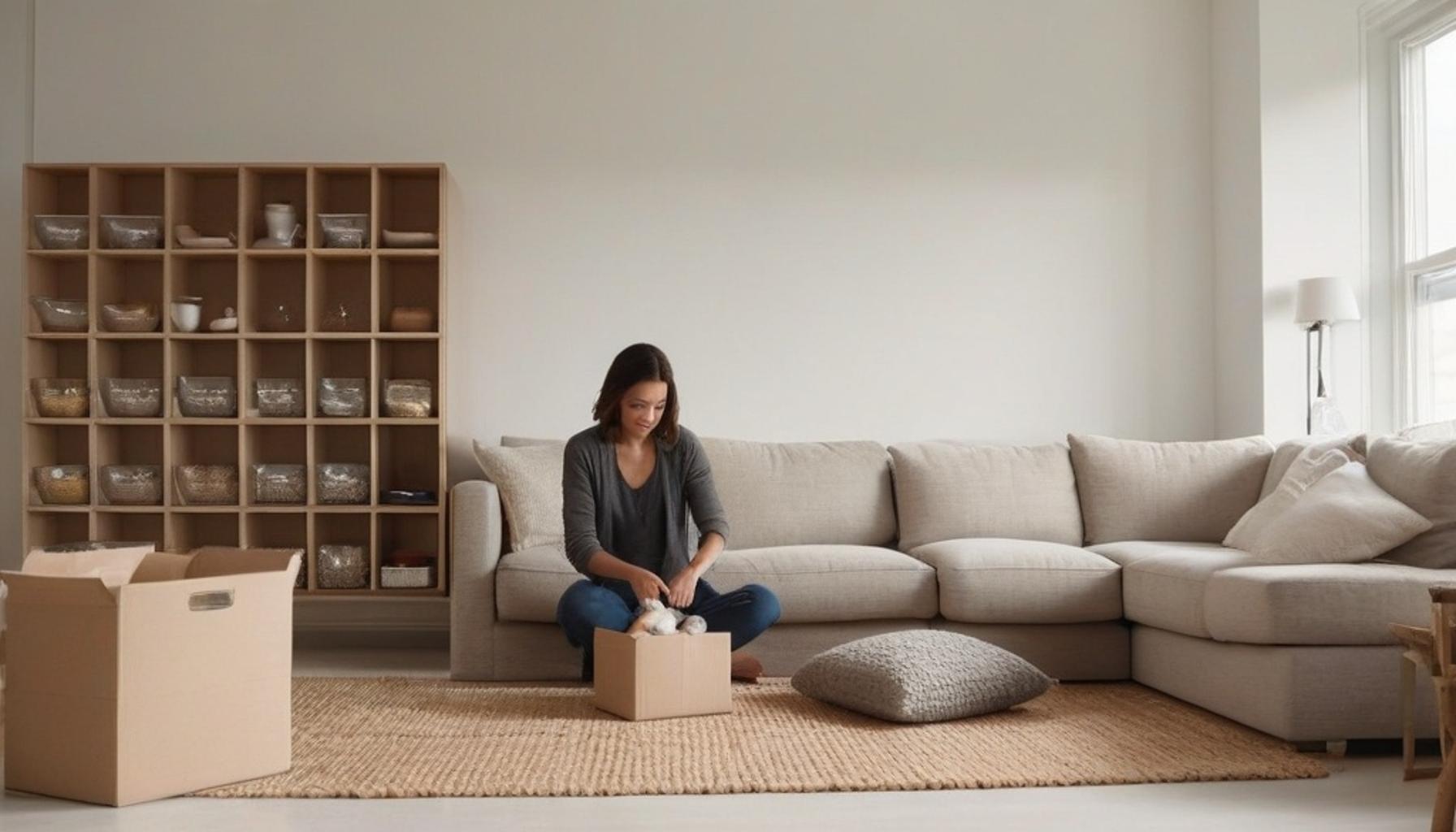
- Decluttering strategies often target high-traffic zones first, such as living rooms and entryways, allowing households to experience immediate relief and visual clarity. Techniques like the four-box method—trash, donate, keep, and relocate—help simplify the process.
- Establishing streamlined routines can cut down daily task time significantly. Simple modifications like creating a weekly meal prep schedule or a unified family calendar can enhance efficiency and reduce the likelihood of last-minute grocery runs or missed appointments.
- In today’s digital age, digital minimalism is equally essential. Reducing the number of apps on phones and addressing digital clutter can lead to less distraction and increased focus, complementing efforts to simplify physical spaces.
The tangible results of employing these minimalist principles are noteworthy. Families often report reclaiming several hours each week after streamlining their systems, spending more time on activities that enrich their lives rather than on endless chores.
The relationship between minimalism and productivity isn’t coincidental; it is supported by behavioral research on choice overload. The evidence indicates that the fewer choices people face, the better decisions they make, ultimately leading to improved home efficiency. By consciously reducing the quantity of possessions and commitments, individuals can redefine how their households operate, fostering a more peaceful and productive atmosphere that invites exploration and connection. This shift could very well begin today, opening the door to newfound freedom in one’s home life.
YOU MAY ALSO LIKE: Implementing Minimalist Organization Systems in Small Spaces
Building a Room-by-Room Framework for Minimalist Living
Transitioning to a minimalist lifestyle presents a refreshing opportunity to redefine your living space and promote more intentional living. Once a household decides to embrace minimalist home management, the next essential step is to develop a systematic framework for achieving this goal. By moving away from scattered, spur-of-the-moment cleaning bursts, families can cultivate a more organized environment that remains consistent over time. Professional organizers in cities like Portland and Austin champion a room-by-room audit, treating each space as a discrete micro-project with its unique goals and timelines.
This method skillfully mitigates the overwhelming feelings that often derail larger decluttering efforts. Instead of attempting to tackle the entire house in a single weekend—a daunting task that often leads to frustration—families can break the process into manageable segments. Many families find success in completing one room every week or two, fostering a sense of accomplishment and motivation with each completed space.
The Kitchen: Where Efficiency Meets Necessity
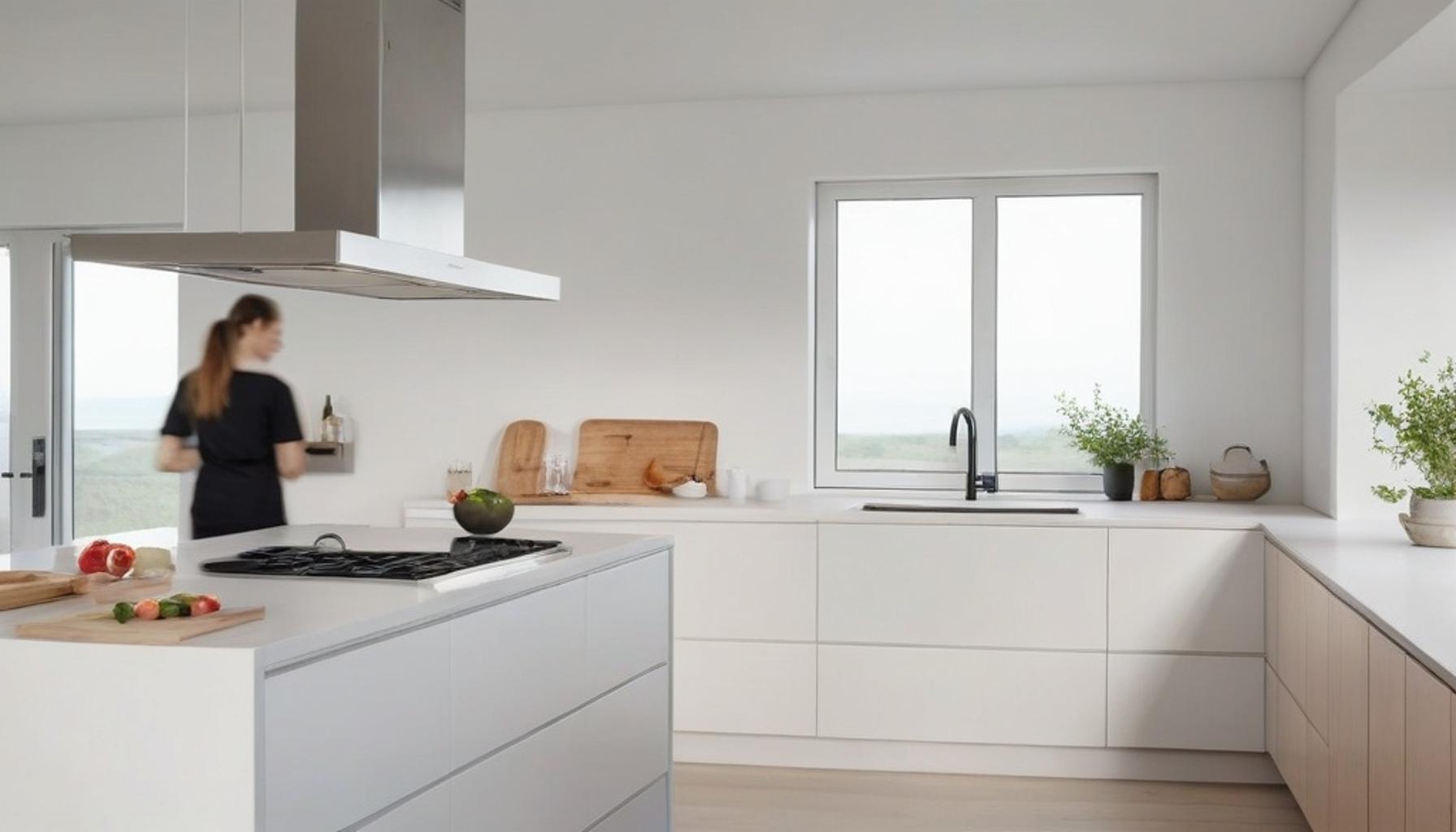
The kitchen often serves as the primary focus for many seeking to simplify their lives, and for good reason. The average American kitchen is cluttered with a plethora of duplicate tools, including multiple spatulas, redundant gadgets, and an array of mismatched food containers that rarely see the light of day. Implementing decluttering strategies in this crucial area can yield immediate and measurable benefits in both time and functionality.
- First, assess appliances and tools based on their frequency of use. Anything untouched for over six months typically qualifies for donation, freeing up valuable space.
- Next, consolidate your food storage into a single, matching set of containers. This not only streamlines your stacking and retrieval processes but also creates a more visually pleasing cupboard.
- Designating specific drawers for particular functions can further enhance efficiency, reducing the time spent searching for utensils during meal preparation.
- Lastly, limit items on the countertop to only daily essentials, which keeps surfaces clear and organized, fostering an atmosphere conducive to actual cooking.
Families who adopt these home organization tips often report saving ten to fifteen minutes from their daily cooking routines. While this may seem modest, over the course of a week, those minutes accumulate into hours saved, giving families valuable time to spend on activities they genuinely enjoy.
Bedrooms and Closets: The Capsule Wardrobe Approach
Clothing constitutes another substantial source of clutter within many households. On average, Americans own far more garments than they regularly wear, leading to disorganization and decision fatigue. To combat this, numerous minimalist households are embracing the capsule wardrobe concept, which encourages individuals to limit their closets to a curated selection of thirty to forty versatile pieces.
This thoughtful approach not only conserves closet space but also streamlines the morning routine. Behavioral studies indicate that capping wardrobe options can shorten dressing time by several minutes each day—a small yet significant gain that contributes to broader efforts aimed at enhancing home efficiency. With fewer choices to navigate, individuals can better focus their decision-making energy on other important aspects of their day.
Shared Spaces and Family Buy-In
In contrast, shared spaces such as living rooms and family areas present unique challenges due to the variety of interests and responsibilities among family members. Successful transitions in these areas typically hinge on open discussions about which items genuinely serve the family’s lifestyle versus those retained out of habit or sentimentality.
Hosting family meetings centered on space allocation can prove beneficial, as they encourage collective ownership. Assigning specific storage zones for children’s toys, shared electronics, or hobby supplies fosters cooperative organization and commitment. This collaborative component often leads to more durable outcomes than decisions made unilaterally by a single household member. The synergy created through family involvement reinforces the intertwined relationship between minimalism and productivity, as shared systems tend to be upheld consistently over time.
Ultimately, transitioning to minimalist living can significantly enhance not only the physical space of your home but also the quality of life for everyone who inhabits it. By adopting a room-by-room framework, households can embrace simplicity and functionality, paving the way for a more organized, stress-free environment.

| Category | Description |
|---|---|
| Decluttering Strategies | Streamline your space by eliminating unnecessary items through methods like the 30-day declutter challenge. |
| Home Organization Tips | Implement storage solutions that maximize efficiency, such as modular furniture and clear labels. |
| Minimalist Principles for Efficiency | Prioritize functionality by focusing on multi-purpose items that enhance productivity. |
| Improve Home Efficiency | Adopt energy-saving practices by minimizing clutter that leads to distractions and inefficiencies. |
RECOMMENDED: The Intersection of Minimalism and Efficiency: Creating Workflows that Reduce Stress and Increase Productivity
Digital Clutter and Sustainable Systems for Long-Term Efficiency
While physical spaces often dominate the conversation, minimalist home management extends well beyond closets and countertops. American households now juggle an overwhelming amount of digital clutter—overflowing inboxes, redundant subscriptions, and disorganized photo libraries that quietly drain time and mental bandwidth. Addressing this invisible chaos is essential for anyone serious about applying minimalist principles for efficiency across every dimension of daily life.
Taming the Digital Household
Consider this: the average adult in the United States receives over 120 emails daily, many of which are promotional clutter rather than meaningful correspondence. Left unmanaged, this digital noise contributes to decision fatigue much like an overstuffed pantry does.
- Unsubscribe from mailing lists that no longer serve a genuine purpose, targeting at least five per week until inboxes become manageable.
- Audit recurring subscriptions quarterly, canceling streaming services or app memberships that go unused for more than sixty days.
- Organize digital files into a simplified folder structure, mirroring the same “less but better” philosophy applied to physical possessions.
- Set specific times for checking messages rather than responding reactively throughout the day, which protects focus and productivity.
Households that streamline their digital environment often notice a marked reduction in daily stress, reinforcing the connection between minimalism and productivity in ways that extend far beyond tidy shelves.
Creating Maintenance Rhythms That Actually Stick
One overlooked aspect of sustainable simplicity involves establishing maintenance rhythms rather than relying on sporadic decluttering marathons. Professional organizers frequently emphasize that a one-time purge rarely produces lasting results without a supporting structure.
Many efficiency-focused households in cities like Denver and Minneapolis have adopted the “one-in, one-out” rule, wherein acquiring a new item requires releasing an existing one. This practice naturally curbs accumulation without requiring dramatic, periodic overhauls.
Additionally, scheduling brief ten-minute daily resets—clearing surfaces, returning items to designated homes, and sorting mail immediately—prevents clutter from resurfacing. This small investment of time consistently outperforms occasional weekend deep cleans, according to organizational consultants who track client outcomes over multiple months.
Measuring the Real Impact on Daily Life
Data from home efficiency studies suggests that decluttered, well-organized households can reduce time spent searching for misplaced items by nearly 40 percent. For a typical family, that translates into several reclaimed hours each month—time that can be redirected toward rest, hobbies, or family connection.
These findings highlight why so many are eager to improve home efficiency through deliberate, systematized approaches rather than relying on willpower alone. When decluttering strategies are paired with consistent digital and physical maintenance routines, the results compound over time, creating households that feel calmer, function smoothly, and require far less effort to maintain.
Rethinking What Efficiency Really Means at Home
The evidence throughout this discussion points to a clear conclusion: minimalist home management is not about austerity or deprivation. It is about intentional choices that free up time, attention, and physical space for what genuinely matters.
From tackling overflowing closets to unsubscribing from unnecessary emails, the households that thrive are those willing to treat simplicity as an ongoing practice rather than a one-time event. This is where minimalist principles for efficiency prove their real value—not as a trend, but as a sustainable operating system for daily life.
Bringing the Pieces Together
Consider the throughline connecting every strategy discussed: reducing excess, whether physical or digital, consistently frees up measurable time and mental energy. The nearly 40 percent reduction in time spent searching for misplaced items is not an isolated statistic—it reflects a broader pattern seen across organized households nationwide, from Denver apartments to suburban homes in Ohio.
Practical home organization tips like the one-in, one-out rule or ten-minute daily resets work precisely because they require minimal willpower once established as habits. Small, repeatable actions outperform dramatic overhauls that fade within weeks.
A New Way to Measure Success
Perhaps the most valuable shift is redefining what a well-managed home actually looks like. Efficiency is not about having the emptiest shelves or the fewest possessions; it is about designing systems that require less friction to maintain.
As more Americans recognize the tangible link between minimalism and productivity, the appeal of simplified living will likely continue growing. Anyone ready to improve home efficiency can start small, applying just one or two decluttering strategies this month, then building from there. The transformation rarely happens overnight, but the momentum, once started, tends to sustain itself.
Frequently Asked Questions
How can I start decluttering my home using minimalist principles?
Begin by assessing each room in your home and identifying items that you no longer need or use. Use the ‘one in, one out’ rule to maintain balance; for every new item you bring in, consider removing one. Focus on keeping items that serve a clear purpose or bring you joy to create a more streamlined space.
What are some effective minimalist strategies for organizing my kitchen?
To organize your kitchen effectively, start by minimizing the number of cooking tools and appliances you keep. Opt for multi-functional items and limit the number of utensils to what you truly use regularly. Store items in labeled containers and group similar items together for easy access.
How can I manage my home maintenance tasks with a minimalist approach?
Adopt a simplified schedule for home maintenance by creating a digital or physical checklist of essential tasks that need to be done regularly. Set reminders for seasonal tasks such as roof inspections or gutter cleaning, and consider delegating less critical chores to free up your time for what truly matters.
What role does digital decluttering play in minimalist home management?
Digital decluttering is crucial in minimalist home management as it helps create a more organized virtual space, reducing distractions and improving focus. Regularly review your digital files, unsubscribe from unnecessary emails, and delete apps that you don’t use. This practice not only optimizes your time but also contributes to a more calm and efficient mindset in your physical space.
Can minimalist principles improve my time management at home?
Yes, incorporating minimalist principles can greatly enhance your time management by simplifying routines and reducing decision fatigue. By maintaining only essential belongings and creating streamlined systems, you can spend less time cleaning and organizing, allowing you to focus on more meaningful activities and responsibilities in your daily life.

Linda Carter
Linda Carter is a writer specializing in minimalism and personal organization. With extensive experience helping readers create more functional and balanced routines, she shares practical advice on decluttering, organizing spaces, simplifying daily tasks, and making more intentional choices. Her goal is to offer clear guidance and accessible strategies that help people reduce excess, improve their surroundings, and enjoy a calmer, more organized lifestyle.