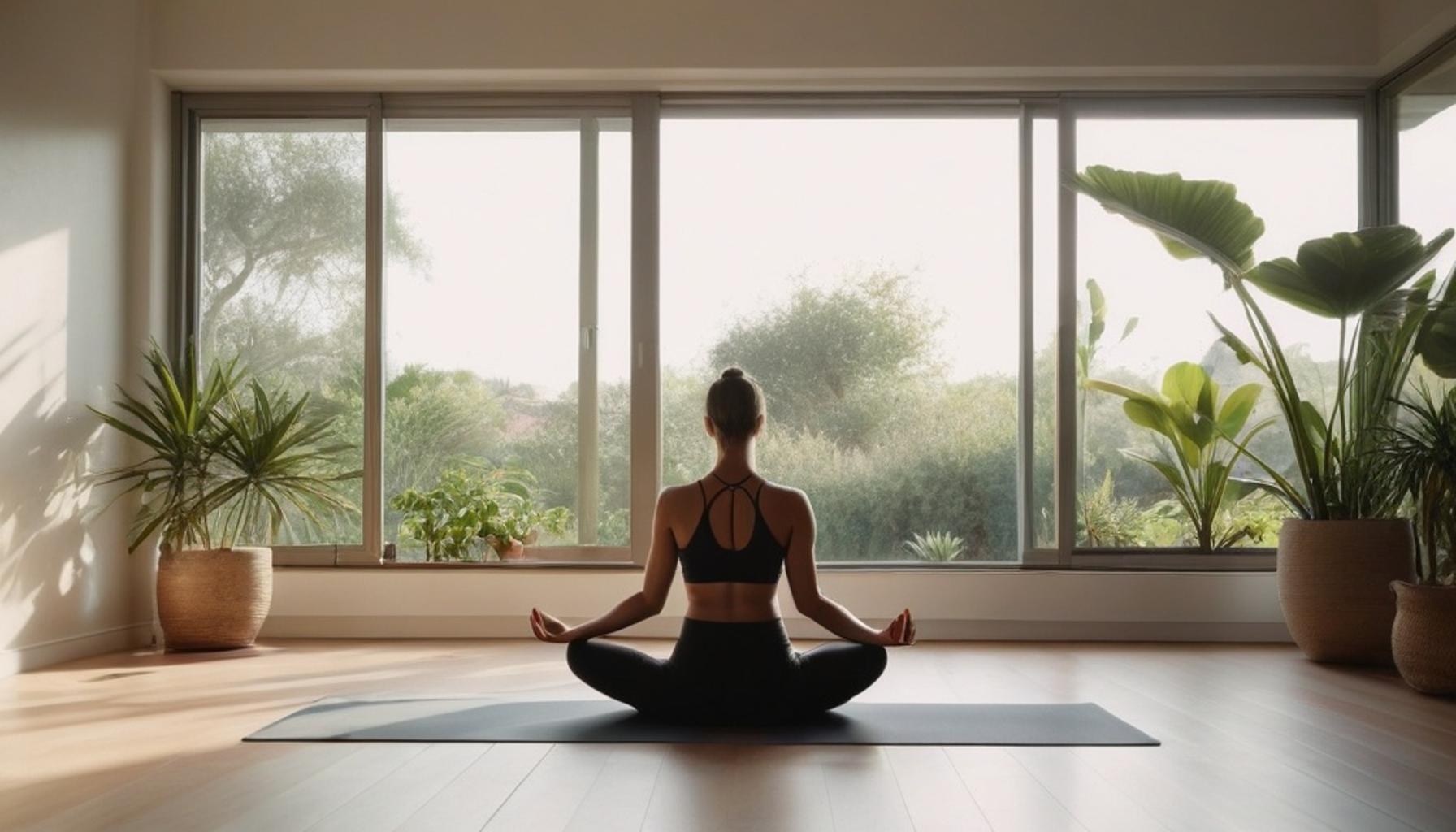
Mindful Habits to Maximize Efficiency in Minimalist Spaces: Personal Organization Strategies

Why Small Spaces Demand Smart Habits
A cluttered desk can feel like a mental weight. A closet bursting at the seams not only compromises aesthetic appeal but can also add to daily stress. Many people living in urban areas find their apartments feeling smaller with each passing year, despite their square footage remaining constant. In fact, recent consumer surveys indicate that over 60% of homeowners across the United States report feeling overwhelmed by clutter. This statistic highlights a pressing challenge that many face, particularly in an age marked by rapid urbanization and a tendency toward accumulation.
Mindful Habits for Minimalist Spaces offer a transformative approach to regaining control over our surroundings without the need for costly renovations. As personal spaces become more chaotic amid busy lifestyles, finding solutions that embrace limited space while promoting tranquility and efficiency has never been more essential.
The Shift Toward Intentional Living
Minimalism is fast becoming more than a fleeting aesthetic trend. It’s evolving into a practical solution in response to high rents, reduced living spaces, and increasingly hectic schedules. Urban residents from Brooklyn to San Francisco are adopting personal organization strategies to turn cramped quarters into functional and serene retreats.
This cultural shift begs an important question: how can individuals effectively maximize efficiency within their limited spaces without sacrificing comfort or style? The answer lies in adopting healthy daily habits rather than pursuing one-off organizing marathons. Such mindful strategies can lead to lasting changes in your environment.
Consider these foundational elements explored throughout this guide:
- Mindfulness for organization — This approach involves training your attention to recognize clutter before it begins to pile up, effectively fostering a proactive mindset about your space.
- Decluttering tips for minimalist homes — Implementing systems to help you strategically let go of items can alleviate decision fatigue, making the decluttering process smoother and less overwhelming.
- Utilizing efficient living through multi-purpose furniture and vertical storage can significantly enhance your space’s functionality. For instance, consider a sofa bed for guests or shelves that extend upwards to keep floors clear.
- Incorporate daily micro-habits, such as spending just five minutes at the end of each day organizing your space. This can serve as a preventative measure against chaos re-entering your life.
What follows is a detailed breakdown of habits that can transform limited square footage into a space that works harder, feels lighter, and reflects your genuine intentions. As more people seek simplicity in their busy lives, these strategies can be the key to finding peace in small places while allowing your personality to shine through your living environment.
RECOMMENDED: The Importance of Mindfulness in Organizing Personal Space
Building the Foundation: Awareness Before Action
Before rearranging a single shelf, organizational experts agree on one non-negotiable step: awareness. Mindfulness for organization isn’t about achieving Pinterest-perfect closets overnight. It’s about slowing down long enough to notice how you actually use your space, rather than how you assume you use it. This awareness forms the foundation for any successful organization strategy.
Understanding your space is crucial. It helps not only to recognize what you truly need but also to identify what might be taking up precious room unnecessarily. A 2023 study from the National Association of Productivity and Organizing Professionals shed light on this phenomenon, revealing that individuals who tracked their daily item usage for just one week identified nearly 40% of their belongings as rarely or never used. This striking figure highlights a substantial challenge many face, especially renters in cities like Chicago or Austin, where every square foot often comes with a hefty price tag. Having a clearer picture of one’s belongings can lead to more efficient housing decisions and budget management.
The Two-Minute Awareness Habit
One practical way to build this awareness is through what organizers call the “two-minute scan.” Setting aside just two minutes each morning or evening to observe your space can yield surprising insights. During these scans, pay attention to what’s out of place and which items persistently resurface as clutter culprits. This approach is not about cleaning, but rather a diagnostic measure that helps highlight areas needing improvement.
Over a few weeks of consistent scanning, patterns will emerge. You might discover that mail routinely piles up on your kitchen counter or that shoes accumulate by the front door, creating unnecessary frustration. Recognizing these recurring friction points is the first step toward maximizing efficiency in small spaces. After all, you can’t fix a problem you haven’t clearly identified. By pinpointing these issues, you create a targeted plan tailored specifically to your environment and habits.
Everyday Triggers That Undermine Minimalist Goals
Several common habits can quietly sabotage efforts to maintain an organized, minimalist home. Being aware of these traits is half the battle:
- Impulse purchases — The proliferation of online shopping outlets, with their constant notifications and flash sales, often leads to items entering your home without a designated purpose or place. Consider implementing a waiting period before making non-essential purchases, which can reduce buyer’s remorse and clutter accumulation.
- Sentimental stalling — Many individuals hold onto gifts, inherited items, or souvenirs out of guilt rather than genuine attachment or utility. Evaluating whether an item evokes true joy or serves a practical function will help you decide its fate.
- “Just in case” thinking — Holding onto duplicate tools, excess kitchenware, or old cables for rare hypothetical scenarios adds unnecessary bulk. Challenge this thought process by assessing the likelihood of using these items and adopting a more pragmatic outlook.
- Surface dumping — It’s tempting to use countertops, chairs, or entryway tables as temporary catchalls, but this practice quickly turns these surfaces into permanent clutter zones. Designate specific places for everyday items, ensuring that surfaces remain organized.
Once these triggers are identified, personal organization strategies become far more targeted. Rather than setting a vague goal of “getting organized,” you can address specific behaviors. For example, instituting a 24-hour rule before online purchases allows for more thoughtful decision-making. Similarly, designating a single decorative box for sentimental items with a strict size limit can provide a healthy boundary for keeping memories alive without the chaos.
This intentional approach forms the backbone of efficient living in minimalism. It shifts organization from a reactive chore into a proactive lifestyle—one where small, consistent choices prevent the overwhelming pileups that so many American households currently contend with. Awareness is not just the starting point; it’s the catalyst for a more sustainable, fulfilling way of living that respects your space and your budget.

CHECK OUT: Mindful Habits to Reduce Stress and Increase Productivity
Designing Systems That Sustain Themselves
Once awareness has revealed your patterns, the next phase involves building systems that don’t rely on willpower alone. Mindful Habits for Minimalist Spaces work best when they’re baked into your environment rather than treated as tasks you must remember to perform. This is where personal organization strategies shift from theory into daily, tangible practice.
Behavioral scientists often point to the concept of “friction reduction” as a cornerstone of lasting habits. If putting something away is harder than leaving it out, clutter wins every time. Conversely, when the organized choice becomes the easiest choice, tidiness becomes automatic rather than aspirational.
The One-In, One-Out Principle
A widely recommended tactic among professional organizers is the one-in, one-out rule. For every new item brought into a minimalist home, an existing item must leave. This is particularly useful for apartment dwellers in space-constrained cities like New York or San Francisco, where storage is often at a premium and every inch matters.
This principle works because it forces continuous evaluation rather than allowing possessions to accumulate unchecked. A new sweater means an old one gets donated. A new kitchen gadget means a rarely used one gets passed along. Over time, this habit keeps total volume stable, which is essential when trying to maximize efficiency in small spaces without constant renovation or expansion.
Zone-Based Organization for Everyday Function
Another effective strategy involves dividing your home into functional zones rather than organizing by category alone. Instead of a general “office supplies” drawer, create a dedicated zone near your desk for active projects, and a separate, less accessible zone for archived documents or rarely used tools.
This zone-based thinking mirrors approaches used in commercial kitchens and warehouses, where efficiency is paramount. Applying similar logic at home means:
- Entry zones — A small tray or hook system near the door for keys, mail, and outgoing items prevents surface dumping before it starts.
- Activity zones — Grouping items by task, such as keeping all tea-making supplies together, reduces the number of steps needed to complete daily routines.
- Reserve zones — Reserving harder-to-reach storage, like top shelves or under-bed containers, for seasonal or infrequently used items keeps prime real estate available for daily essentials.
Data from a 2022 survey by the American Cleaning Institute found that households implementing zone-based systems reported spending 30% less time searching for everyday items compared to those using generalized storage methods. That reclaimed time, multiplied across a year, represents a significant return on a relatively small organizational investment.
Weekly Resets Instead of Daily Perfection
Rather than striving for constant, moment-to-moment order, many organization experts recommend a weekly reset ritual. Setting aside 20 to 30 minutes each week to return items to their designated zones prevents small accumulations from snowballing into overwhelming projects.
This approach aligns naturally with decluttering tips for minimalist homes, since it treats organization as ongoing maintenance rather than a one-time overhaul. It also reinforces efficient living in minimalism by acknowledging that perfection isn’t the goal—consistency is.
Bringing It All Together
Across every strategy explored here, one truth stands out: Mindful Habits for Minimalist Spaces aren’t about restriction—they’re about intention. From noticing behavioral patterns to designing zones that reduce friction, each step builds toward a home that functions with less effort and more clarity.
What separates lasting order from short-lived tidiness is systemization. Willpower fades, but environments shaped around personal organization strategies keep working even on tired, busy days. That’s the quiet power behind the one-in, one-out rule, zone-based storage, and weekly resets—they remove decision fatigue from the equation entirely.
Why This Approach Matters Long-Term
Efficient living isn’t a one-time achievement; it’s a evolving relationship with space and belongings. As life circumstances shift—new jobs, growing families, smaller apartments—the systems that once worked may need recalibration. Revisiting these habits periodically ensures they continue to maximize efficiency in small spaces rather than becoming outdated routines.
Consider tracking your own results the way researchers do. Note how much time you save weekly, or how often you reach for the one-in, one-out rule before making a purchase. These small metrics can reveal whether your systems are genuinely serving you or simply adding another layer of maintenance.
A Broader Perspective on Minimalist Living
Ultimately, mindfulness for organization extends beyond tidy shelves. It reflects how we spend attention, time, and energy in spaces meant to support daily life rather than complicate it. The most effective decluttering tips for minimalist homes succeed because they honor this connection between mental clarity and physical order.
As more households across the country embrace efficient living in minimalism, the conversation continues to evolve—inviting fresh research, new tools, and personal experimentation. The habits outlined here offer a starting point, but the most meaningful discoveries often come from observing your own space, adjusting deliberately, and staying curious about what truly makes daily life run smoother.
Frequently Asked Questions
What are some mindful habits to adopt for decluttering my minimalist space?
To effectively declutter your minimalist space, consider implementing the ‘one in, one out’ rule, which ensures that for every new item you bring in, one item must be removed. Additionally, regularly schedule time to evaluate your belongings and ask yourself if each item truly adds value to your life.
How can I maintain organization in a small minimalist workspace?
For a small workspace, focus on vertical storage solutions like shelves and wall-mounted organizers to maximize available space. Also, establish a daily habit of tidying your desk at the end of each day to keep clutter at bay and maintain a clear, focused environment.
What techniques can I use to create a mindful morning routine in a minimalist environment?
Start by setting a consistent waking time and creating a designated space for your morning activities, such as meditation or journaling. Limit distractions by keeping your environment simple and clutter-free, and use tools like a timer to stay on track with your routines.
How do I prioritize tasks in a minimalist lifestyle for maximum efficiency?
To prioritize tasks in a minimalist lifestyle, adopt the Eisenhower Matrix, which categorizes tasks by urgency and importance. Additionally, implement a ‘top three’ list each day, where you identify the three most important tasks to focus on, minimizing overwhelm and increasing productivity.
Can mindful habits significantly impact my productivity in a minimalist setting?
Yes, mindful habits can have a profound impact on productivity in a minimalist setting. By fostering mindfulness through practices such as intentional breathing and focused attention, you can enhance your ability to concentrate, make clearer decisions, and engage more fully in your tasks, ultimately leading to greater efficiency.

Linda Carter
Linda Carter is a writer specializing in minimalism and personal organization. With extensive experience helping readers create more functional and balanced routines, she shares practical advice on decluttering, organizing spaces, simplifying daily tasks, and making more intentional choices. Her goal is to offer clear guidance and accessible strategies that help people reduce excess, improve their surroundings, and enjoy a calmer, more organized lifestyle.