Decluttering Techniques for Families: Creating a Minimalist Home Amid Chaos
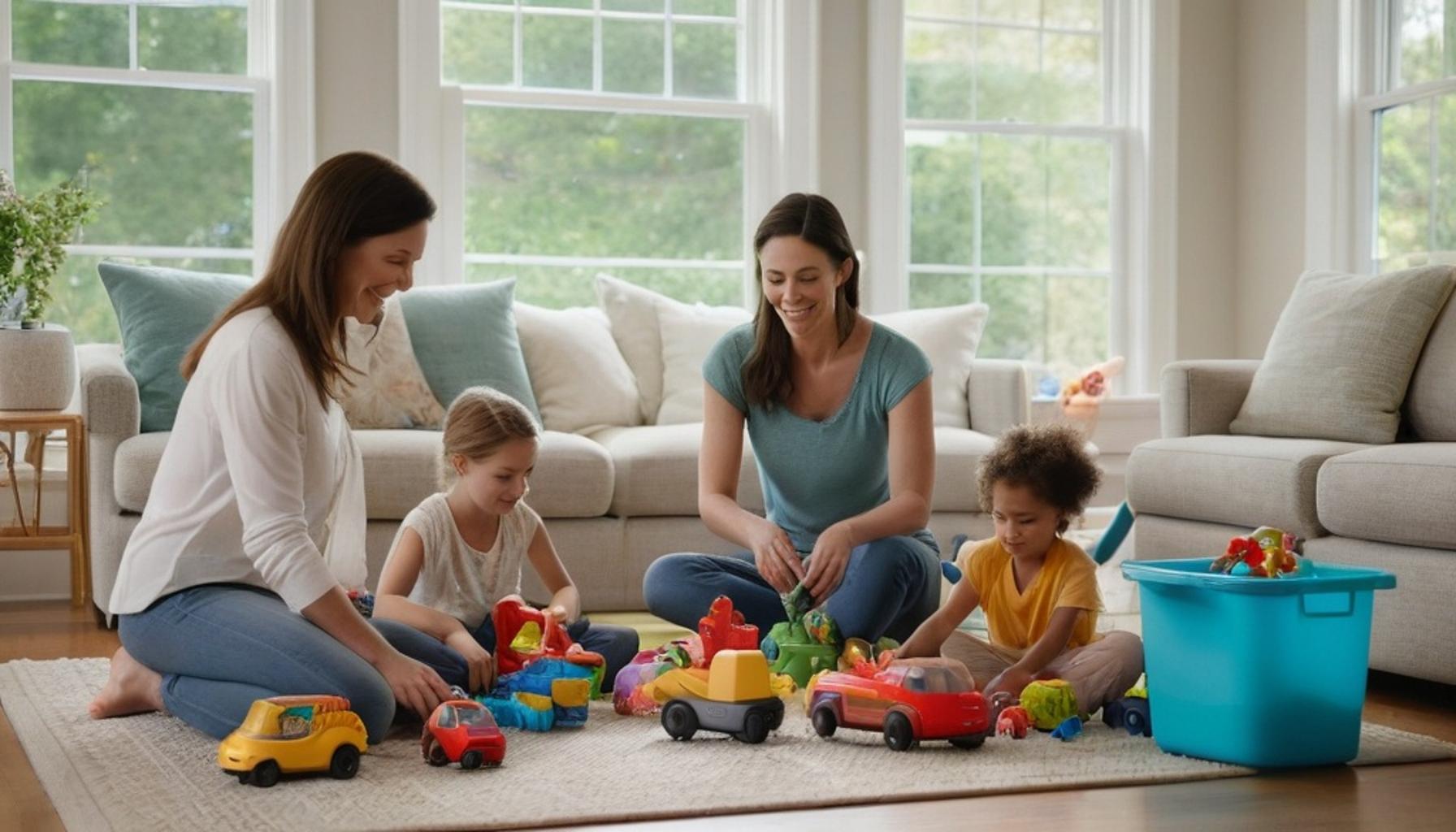
Toy bins overflowing, mismatched shoes piling up by the door, and paperwork scattered across the kitchen counter — sound familiar? For most American households, clutter isn’t a one-time problem; it’s a daily battle.
According to organizing experts, the average U.S. home contains over 300,000 items, and families with children often accumulate belongings twice as fast as single-person households. With everything from toys and clothes to tools and household goods, the volume of possessions can quickly become overwhelming, making it difficult to manage daily life effectively.
The Real Cost of a Cluttered Home
Clutter isn’t just visual noise; it often has broader implications for mental and emotional well-being. Studies link disorganized living spaces to higher stress levels, reduced productivity, and even strained family relationships. Living in a cluttered environment can negatively influence one’s mood and sense of peace within the home.
- Increased anxiety and difficulty relaxing at home: A cluttered space can create an atmosphere of chaos, making it hard to unwind after a long day. The sight of disarray may serve as a constant reminder of unfinished tasks.
- More time wasted searching for misplaced items: A family may spend an average of 55 minutes a week looking for items that could be easily accessed in an organized environment, which adds significant time pressure to already busy schedules.
- Higher likelihood of family conflict over shared spaces: Disagreements may arise about how to use shared areas effectively, creating tension and adding to a family’s stress levels.
This is where Decluttering Techniques for Families come into play, offering practical solutions for households juggling work, school, and everyday chaos. Recognizing that life can be unpredictable, these techniques introduce manageable methods that fit seamlessly into a family’s existing routines.
What This Guide Covers
Creating a minimalist home doesn’t mean living with empty rooms or getting rid of every toy your kids own. Rather, it’s about establishing intentional systems that actually work for busy families. The goal is to streamline your belongings in a way that enhances your day-to-day life rather than complicates it.
This article explores proven family decluttering tips, including how to declutter with kids without daily meltdowns. Age-appropriate strategies will ensure that children can participate in the decluttering process, fostering responsibility and decision-making skills. Additionally, realistic decluttering challenges for families to tackle room by room will be discussed, emphasizing achievable goals tailored to each family’s needs.
From closet systems that utilize vertical space to create room while maintaining access to essentials, to establishing shared playroom rules that encourage maintenance from all family members, these minimalist home ideas are designed for real life — not just the Pinterest-perfect households we often see. By taking a systematic approach to decluttering, families can find balance, create harmony, and ultimately enjoy their living spaces anew.
CHECK OUT: Effective Decluttering Methods: The 30-Day Challenge
Starting Small: The Foundation of Sustainable Family Organization
Before diving into color-coded bins and closet makeovers, successful Decluttering Techniques for Families begin with a mindset shift. Many parents assume that decluttering requires a dramatic weekend overhaul, but professional organizers consistently point to a different truth: small, consistent actions outperform sporadic marathon sessions. This approach can redefine how families view organization, transforming it from a dread-filled obligation into an enjoyable and manageable activity.
Research from organizational psychology suggests that habits stick better when they’re broken into micro-tasks lasting under 15 minutes. This is particularly relevant for families widely stretched thin by work schedules, school runs, and extracurricular activities. Micro-tasks not only appear less overwhelming but also create tangible results in a short period, allowing families to experience success and motivation. For instance, instead of attempting an all-day binge, a family could spend just ten minutes each evening sorting through a single drawer or shelf. This incremental approach fits seamlessly into busy lives, allowing everyone to contribute without feeling burdened.
The Room-by-Room Method That Actually Works
Rather than attacking the entire house at once—a strategy often leading to burnout and incomplete piles of discarded items—experts recommend tackling one zone at a time. This is where decluttering challenges for families become useful, effectively transforming an overwhelming chore into a structured, almost game-like process.
Consider this effective sequence, which prioritizes high-traffic areas first:
- Entryway: Shoes, backpacks, and mail tend to accumulate here the fastest. Clearing this space not only makes a strong first impression but also serves as an excellent starting point, yielding visible results instantly as clutter vanishes.
- Kitchen counters: Paperwork, school flyers, and loose items collect daily; clearing this space often has the biggest immediate impact on perceived household order. A clean kitchen counter can promote a more inviting atmosphere that encourages family gatherings and meal preparation.
- Bedrooms: Clothing and outgrown items should be sorted seasonally, ideally twice a year, to prevent closets from becoming storage units filled with items no one wears. This routine fosters habits of renewal, ensuring that each family member has a personalized space that reflects their current preferences.
- Playroom or shared spaces: Toys multiply quickly, especially after birthdays and holidays. These areas typically require the most frequent attention, and organizing them can become a collaborative activity where each child learns to value their possessions.
This structured approach doesn’t just apply to physical clutter—it also introduces predictability within the household. When family members understand that Tuesdays are reserved for a quick ten-minute entryway reset, the task shifts from feeling like a chore to becoming an enjoyable routine, fostering a sense of teamwork.
Why Involving the Whole Household Matters
One of the most overlooked family decluttering tips is recognizing that organization efforts often fail when only one parent shoulders the responsibility. Sustainable systems require buy-in from every person living in the home, including children. This is where the true power of teamwork becomes clear.
Understanding how to declutter with kids starts with age-appropriate expectations. A four-year-old can sort toys into “keep” and “donate” bins with guidance, while a ten-year-old can independently manage their own closet using a simple checklist. Allowing children to actively participate in decisions about their belongings fosters a sense of ownership, encouraging them to maintain the space afterward.
This collaborative foundation sets the stage for creating a minimalist home that truly reflects the needs of everyone under the roof—not just an idealized version of tidiness that collapses the moment daily life resumes. Families working together not only lighten the load but also foster essential life skills such as decision-making, responsibility, and the value of sharing. Ultimately, embracing a smaller, methodical approach to decluttering paves the way for sustainable organization practices that can support households now and in the future.

| Decluttering Techniques | Benefits for Families |
|---|---|
| Establishing a Sorting System | Enhances organization, making it easier to locate items. |
| Involving Children in the Process | Promotes responsibility and teaches kids the value of their belongings. |
| Setting Decluttering Goals | Creates a clear focus and measurable progress in achieving a minimalist home. |
| Utilizing Storage Solutions | Maximizes space and reduces clutter in high-traffic areas. |
YOU MAY ALSO LIKE: Declutter Digital: Strategies to Organize Your Online Life
The One-In-One-Out Rule and Other Systems That Prevent Relapse
Even the most thorough decluttering session eventually loses its effect if new items keep flowing into the home unchecked. This is the reason many professional organizers advocate for the “one-in-one-out” rule as one of the most reliable Decluttering Techniques for Families. The concept is simple: whenever a new toy, shirt, or gadget enters the house, an existing item must leave. Over time, this practice keeps household volume stable rather than letting it silently expand year after year.
According to the National Association of Productivity and Organizing Professionals, the average American home contains roughly 300,000 items when every category—from kitchen utensils to holiday decorations—is counted. That figure sounds staggering, but it explains why so many families feel a persistent sense of overwhelm despite regular cleaning. Managing the flow of belongings, not just the occasional purge, is what actually keeps chaos at bay.
The 90/90 Rule for Sentimental and Seasonal Items
Clothing, sporting equipment, and seasonal decor tend to create the most hesitation during a declutter session. The 90/90 rule offers a practical filter: if an item hasn’t been used in the past 90 days and there’s no realistic plan to use it in the next 90, it likely belongs in the donation pile. This method removes emotional guesswork and replaces it with a clear, measurable standard.
Applying this rule consistently is one of the more overlooked minimalist home ideas that families can adopt without feeling deprived. It doesn’t demand extreme minimalism; it simply asks households to be honest about actual usage patterns rather than hypothetical future needs.
Turning Decluttering Into a Game Children Actually Enjoy
Motivation tends to drop quickly when tasks feel like punishment. This is precisely why decluttering challenges for families work so well when they’re framed as friendly competitions rather than chores.
Some approaches that have gained traction among parents include:
- The 12-12-12 Challenge: Each participant finds twelve items to throw away, twelve to donate, and twelve to return to their proper place. The numeric goal gives children a concrete target instead of an open-ended task.
- The Trash Bag Sprint: Set a timer for ten minutes and race to fill a bag with unwanted items before the buzzer sounds. The urgency transforms a mundane activity into something closer to a game show.
- The Reverse Advent Calendar: During December, one item is removed from the house each day instead of added, balancing the incoming wave of holiday gifts.
These structured games demonstrate how to declutter with kids in a way that builds lasting habits rather than resentment toward organizing tasks. When children associate tidying with achievement rather than restriction, they’re far more likely to maintain those habits into adolescence and beyond, supporting long-term family decluttering tips that don’t require constant parental enforcement.
Building a Home That Stays Clear, Not Just Cleared
Clutter rarely disappears through a single weekend purge. As this article has shown, lasting order comes from combining structure with habit—pairing systems like one-in-one-out with honest filters like the 90/90 rule. Together, these Decluttering Techniques for Families shift the focus from occasional cleanups to sustainable, everyday maintenance.
What makes this approach different from generic organizing advice is its emphasis on flow rather than volume. A home doesn’t stay tidy because everything was thrown away once; it stays tidy because fewer things are allowed to pile up in the first place. That distinction is the backbone of creating a minimalist home that survives birthdays, holidays, and school years without sliding back into disorder.
Involving children changes the equation entirely. Framing tasks as challenges rather than chores teaches how to declutter with kids in a way that sticks, turning tidiness into a shared value instead of a parental burden. Over time, these small games become part of a family’s identity, not just a temporary fix.
For households ready to start, a few family decluttering tips stand out as immediate next steps:
- Pick one system, such as one-in-one-out, and commit to it for 30 days before adding another.
- Schedule a recurring 90/90 rule check each season, not just before spring cleaning.
- Rotate decluttering challenges for families monthly to keep the process fresh rather than repetitive.
None of these minimalist home ideas require dramatic lifestyle changes overnight. They simply ask families to be more intentional about what enters, stays, and leaves the household—one decision, one drawer, one bag at a time.
Frequently Asked Questions
What are some effective decluttering techniques for families struggling with kids’ toys?
One effective technique is to implement a ‘one in, one out’ rule, where for every new toy brought into the home, an old toy must be discarded or donated. Additionally, involve your children in the decluttering process by encouraging them to choose their favorite toys and understand the importance of sharing or giving away the ones they no longer use.
How can I manage sentimental items while decluttering as a family?
Start by setting specific criteria for what constitutes a sentimental item, allowing each family member to keep a few cherished pieces that hold special memories. Consider taking photos of larger items or creating a digital scrapbook to help preserve memories without retaining physical clutter.
What strategies can help families maintain a minimalist home after decluttering?
Create designated spaces for items and establish a regular decluttering schedule, such as monthly family clean-ups, to prevent clutter from building up again. Encourage a minimalist mindset by fostering discussions around the value of experiences over possessions, and model this behavior consistently to reinforce the family’s commitment to a less cluttered lifestyle.
How do I involve my entire family in the decluttering process effectively?
Involve your family by turning decluttering into a fun activity, such as a game or challenge where everyone races to see who can declutter the most items in a set time. Additionally, have family meetings to discuss areas of the house that need attention and encourage open communication about which items are truly necessary for each member’s comfort and happiness.

Linda Carter
Linda Carter is a writer specializing in minimalism and personal organization. With extensive experience helping readers create more functional and balanced routines, she shares practical advice on decluttering, organizing spaces, simplifying daily tasks, and making more intentional choices. Her goal is to offer clear guidance and accessible strategies that help people reduce excess, improve their surroundings, and enjoy a calmer, more organized lifestyle.