Intentional Design and the Art of Organizing: Creating Storage Systems that Inspire Simplicity
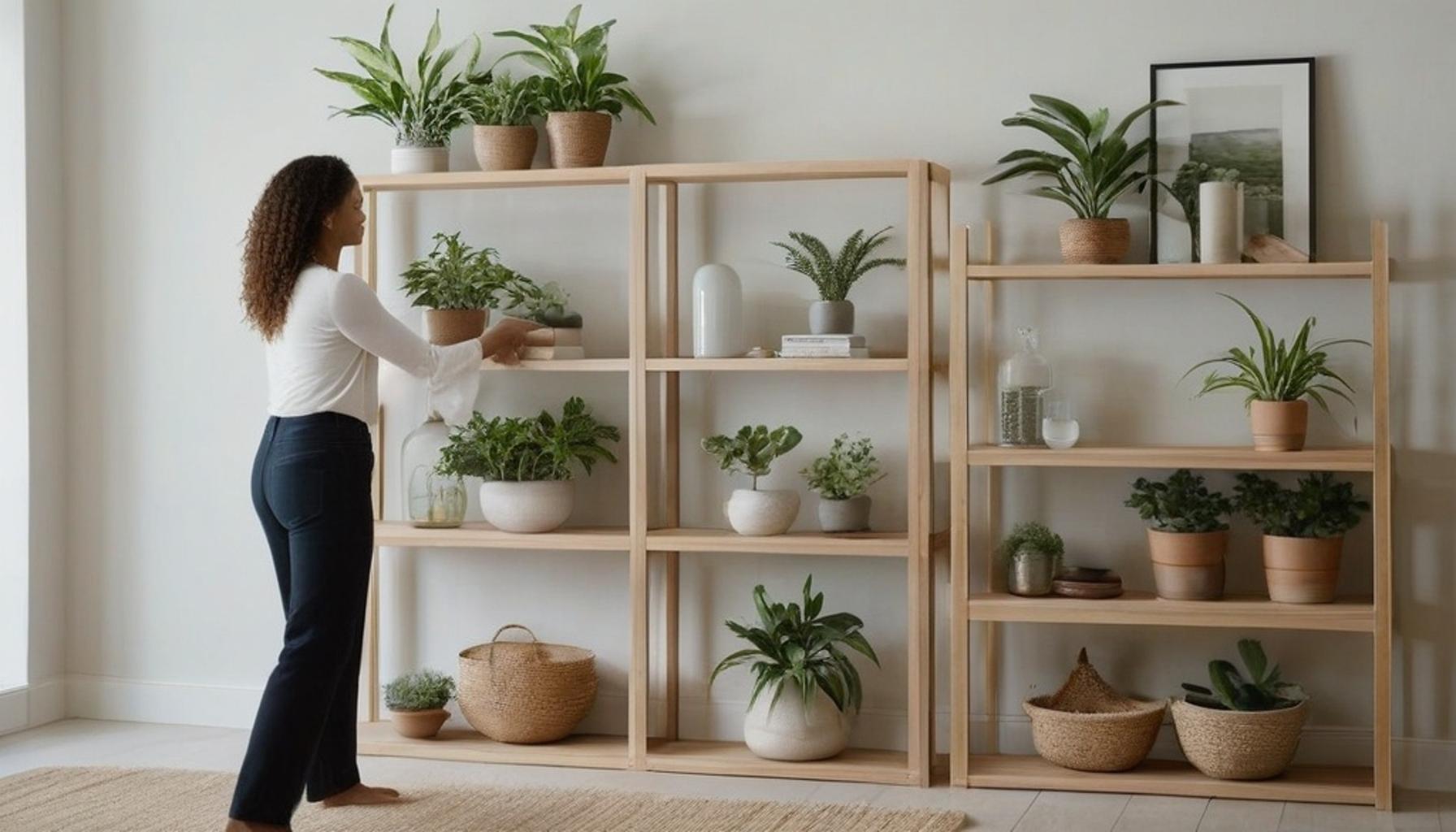
Why Clutter Is a Design Problem, Not Just a Storage Problem
Americans spend an average of 2.5 days per year searching for misplaced items, according to organizational research. That statistic alone reveals a deeper truth: most storage struggles aren’t about space, they’re about intention.
Intentional Design and Organizing offers a different approach. Instead of stacking bins and hoping for the best, this method treats every drawer, shelf, and closet as part of a larger system designed around how people actually live.
The Shift from Storage to Simplicity
Traditional organizing often focuses on containment. The art of organizing ideas championed by designers today goes further, asking a simple question: does this system reduce decision fatigue or add to it?
Consider the difference between these two approaches:
- Generic bins labeled “miscellaneous” that become dumping grounds
- Storage systems that inspire simplicity, where every item has a designated home based on frequency of use
- Closets organized by category alone versus closets organized by daily routine
What Readers Will Discover
This article explores practical, research-backed strategies for how to organize with intention, moving beyond aesthetics into functional design psychology.
From kitchen pantries in suburban Ohio homes to compact New York City apartments, intentional design storage solutions adapt to any square footage. The goal remains constant: creating spaces that support daily life rather than complicate it.
Ahead, discover the principles behind simplifying home storage and why the right system can transform not just a closet, but a household’s entire relationship with clutter.
SEE ALSO: The Role of Intentional Design in Creating Functional Minimalist Workspaces
The Psychology Behind Every Drawer and Shelf
Behavioral scientists have a term for what happens when a junk drawer becomes unusable: cognitive overload. Every misplaced item, every bin without a label, adds a small tax to the brain. Multiply that by dozens of drawers, closets, and cabinets in a typical American household, and the mental toll becomes measurable.
This is where Intentional Design and Organizing diverges sharply from the folding hacks and viral bin-buying sprees that dominate social media. The method isn’t about owning more containers. It’s about understanding behavior first, then building systems around it.
How Design Psychology Shapes Daily Habits
Professional organizers increasingly borrow from architecture and industrial design, fields that have studied human movement patterns for decades. The result is a more scientific approach to how to organize with intention, one that treats a home like a workflow rather than a static backdrop.
A few core principles drive this shift:
- Proximity to use — items belong near where they’re actually needed, not where they logically “fit” by category
- Visual rest — reducing visible clutter lowers stress hormones, according to environmental psychology studies
- Friction reduction — the fewer steps required to put something away, the more likely it stays organized
These aren’t abstract ideas. A Cincinnati family who relocated their children’s backpacks from a hallway closet to a low-hanging hook near the garage door reported fewer morning arguments within a week. That’s intentional design storage solutions in action, small adjustments producing outsized behavioral change.
Why Most Storage Fails Within Six Months
Studies on home organization habits suggest that nearly 80 percent of new storage systems collapse within half a year. The reason is rarely laziness. It’s mismatch: a system designed for how a space should function, rather than how people actually move through it.
The art of organizing ideas gaining traction among designers today insists on observation before intervention. Watch where shoes actually land. Notice which counter collects mail. Only then does a workable system emerge, one built on real patterns instead of Pinterest-perfect assumptions.
This foundation sets the stage for the next layer of simplifying home storage: translating behavioral insight into physical structure, room by room.
RECOMMENDED: Conscious Minimalism: Creating Organizational Systems that Reflect Your Values and Personal Goals
From Insight to Structure: Building Rooms That Work
Once behavioral patterns are mapped, the next challenge is translating them into physical systems. This is where intentional design storage solutions move from theory into carpentry, containers, and clearly defined zones.
Kitchens offer the clearest example. The average American kitchen is used more than 70 times a week for food prep, cleanup, and storage retrieval, according to National Kitchen and Bath Association research. Yet most cabinets are organized by category rather than by task, forcing repeated trips across the room.
Zone-Based Layouts Outperform Category-Based Ones
Designers practicing how to organize with intention increasingly favor zone-based layouts over strict categorization. Instead of grouping all bakeware together, a zone system places mixing bowls, measuring cups, and baking sheets near the oven, because that’s where baking actually happens.
Applied elsewhere, the same logic transforms cluttered spaces:
- Entryways become drop zones with hooks, trays, and charging stations positioned exactly where families pause
- Bathrooms shift from single vanity storage to distributed zones for grooming, medication, and linens
- Home offices separate active project materials from long-term archives, cutting search time significantly
A Denver-based professional organizer documented a client’s paperwork retrieval time dropping from an average of six minutes to under ninety seconds after switching from alphabetical filing to zone-based, frequency-driven storage. That single change illustrates the deeper premise behind storage systems that inspire simplicity: efficiency isn’t about neatness alone, it’s about matching structure to real behavior.
The Role of Labels, Light, and Sightlines
Labels remain one of the most underestimated tools in the art of organizing ideas toolkit. Text-based labels reduce retrieval errors more than color-coding alone, particularly in shared spaces like family pantries or garages.
Lighting matters just as much. Poorly lit closets discourage maintenance, since items pushed into dark corners are quickly forgotten. Adding motion-sensor lighting, even inexpensive battery-powered strips, has been shown to increase closet organization retention over time.
Sightlines complete the equation. Clear glass jars, open shelving, and low-profile bins allow the eye to register inventory instantly, reducing the cognitive load discussed earlier. When a system can be understood at a glance, simplifying home storage stops being a seasonal project and becomes a lasting habit woven into daily life.
The Lasting Payoff of Designing with Purpose
What emerges from zone-based kitchens, labeled bins, and better-lit closets is a larger truth: Intentional Design and Organizing isn’t a one-weekend fix. It’s an ongoing relationship between a household and its belongings, recalibrated as routines shift.
A family with toddlers needs different systems than one with teenagers heading off to college. Storage that flexes with those changes, rather than freezing a home in a single moment, tends to survive far longer than rigid, Pinterest-perfect setups.
Small Shifts, Measurable Returns
The data throughout this discussion points to a consistent pattern. Retrieval times drop. Retention improves. Cognitive load eases. These aren’t abstract wellness claims; they’re measurable outcomes tied to specific design choices, from motion-sensor lighting to frequency-based zoning.
That measurability matters. It means storage systems that inspire simplicity can be tested, adjusted, and improved like any other home investment, rather than relying on guesswork or fleeting inspiration.
For readers ready to apply these ideas, a few starting points stand out:
- Observe actual movement patterns in a room before buying a single container
- Prioritize sightlines and lighting over decorative uniformity
- Choose labels and zones based on frequency of use, not aesthetic categories
Ultimately, the art of organizing ideas rewards curiosity over perfectionism. Every household generates its own quirks, and how to organize with intention simply means paying attention to those quirks rather than importing someone else’s system wholesale.
Approached this way, simplifying home storage becomes less about eliminating clutter and more about designing spaces that quietly, consistently support the life already being lived inside them.
Frequently Asked Questions
How can Intentional Design improve my home organization?
Intentional Design emphasizes purpose and clarity in every element of your space, helping you create storage solutions that not only look good but also function well. By assessing your needs and using mindful design principles, you can create an organized environment that encourages simplicity and reduces clutter.
What are some key principles of Intentional Design for organizing spaces?
Key principles of Intentional Design in organizing include functionality, simplicity, and coherence. Focus on selecting storage solutions that align with your lifestyle, use a limited color palette to maintain visual harmony, and ensure that every item has a designated place, making your space more efficient and aesthetically pleasing.
Can Intentional Design enhance small space organization?
Absolutely! Intentional Design techniques are particularly beneficial in small spaces, where every inch counts. By choosing multi-functional furniture, utilizing vertical storage, and applying a minimalist approach, you can maximize your space while maintaining an organized and inviting atmosphere.
What storage systems are best suited for an Intentional Design approach?
For Intentional Design, opt for storage systems that are customizable and versatile, such as modular shelving, baskets, and drawer organizers. These systems allow you to adapt to changing needs while keeping your space orderly and visually appealing, enhancing the overall organization.
How does Intentional Design influence the emotional aspect of organizing?
Intentional Design not only focuses on physical organization but also enhances emotional well-being by creating spaces that reflect your personality and values. An organized environment nurtures a sense of calm and clarity, fostering a positive mindset and making it easier to maintain order in your life.

Beatriz
Beatriz Johnson is a seasoned minimalist and writer with a passion for simplifying the complexities of personal organization and intentional living. With over a decade of experience in decluttering strategies and mindful consumption, she specializes in topics like space optimization, habit simplification, and sustainable lifestyle choices. Through her work on our website, Beatriz empowers readers to embrace minimalism, reduce mental and physical clutter, and create more meaningful, organized lives in today's fast-paced world.