The importance of socialization and training after adopting a pet

Bringing a pet into your life is not merely about adding a furry companion; it involves a significant commitment that can transform your daily routine and emotional landscape. As pet owners set out on this rewarding journey, it’s important to recognize that two of the most critical elements in fostering a strong connection with their pets are socialization and training. These processes lay the groundwork for a fulfilling, well-balanced relationship, emphasizing the need for understanding beyond mere obedience.
Why Socialization Matters
Socialization is the process that helps pets learn to navigate their environment and interact positively with different stimuli, including people, other animals, and varied settings. For instance, exposing a young dog to bustling parks, busy streets, and diverse crowds can significantly reduce the likelihood of anxiety or aggressive behaviors later on. Here are some of the essential benefits of socialization:
- Reducing anxiety: Gradually introducing pets to various sounds, sights, and smells can mitigate fear-related reactions. A socialized dog who has spent time around children, for instance, is less likely to feel threatened when encountering kids in the neighborhood.
- Improving behavior: Dogs and cats who receive ample socialization tend to exhibit better manners. For example, a well-socialized dog is less prone to jumping on guests or barking excessively, while a cat that has interacted well with other animals may be more comfortable during vet visits.
- Boosting confidence: Engaging in social activities enables pets to feel secure and self-assured. A confident pet is likely to explore its surroundings with less hesitation, making cohabitation with humans more enjoyable.
The Role of Training
Training serves as a vital complement to socialization, ensuring that pets learn the rules of their new environment while reinforcing and enhancing their positive experiences. It contributes to a safe and harmonious home. Consider the following essential aspects of training:
- Establishing rules: Setting clear boundaries during training creates a structure that pets can understand. For example, teaching a dog commands like “sit” or “stay” not only provides them with guidelines but also establishes trust between pet and owner.
- Enhancing communication: Training methods often involve non-verbal cues and vocal commands, which can significantly improve a pet’s ability to interpret human behavior. This added layer of communication fosters a deeper bond, as both parties learn to understand each other better.
- Encouraging mental stimulation: Consistent training sessions help keep pets engaged mentally and physically. Interactive obedience exercises or trick training can prevent boredom and destructive behaviors by fulfilling their need for stimulation.
Investing time in both training and socialization is more than just an investment in your pet’s behavior; it is a pivotal step toward building a resilient partnership. As awareness of and enthusiasm for these practices grow among pet owners, it becomes increasingly clear that socialization and training are not just beneficial—they are fundamental for a rich, fulfilling life together. Resources such as local obedience classes or community pet social events could serve as excellent starting points for new pet parents eager to embark on this journey.
DISCOVER MORE: Click here for valuable resources
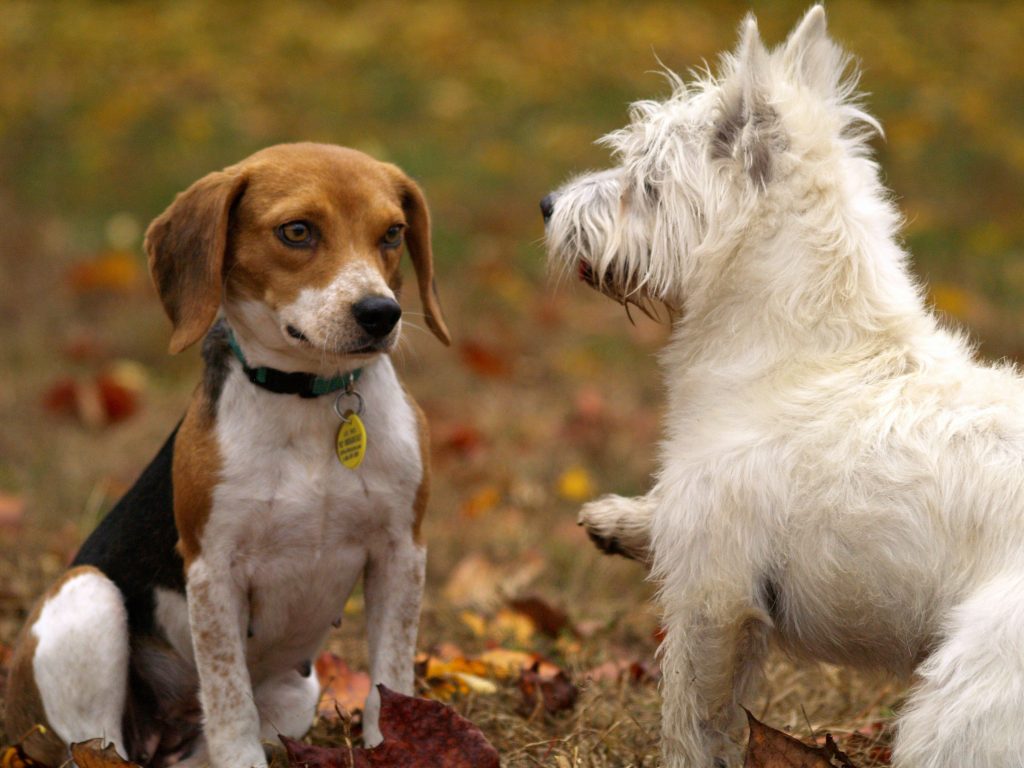
The Importance of Socialization
Socialization is more than a mere buzzword in the realm of pet ownership; it is a crucial component in ensuring that adopted pets thrive in a household environment. By facilitating interactions with various people, different animals, and unfamiliar situations, socialization enables pets to adapt seamlessly to their new homes. A well-socialized pet tends to exhibit confidence and composure in diverse settings, paving the way for a harmonious living experience. Here are some compelling aspects of socialization that highlight its importance:
- Fostering Positive Interactions: Engaging a pet with different breeds or species can foster a sense of comfort and ease. This interaction reduces the likelihood of fear-based reactions, such as barking or hissing, when nearing other animals. For example, a dog that has been socialized with other dogs is less likely to react aggressively during walks in the park.
- Mitigating Behavioral Issues: Pets that are not adequately socialized frequently display unwanted behaviors, such as fearfulness or over-excitement. This can lead to escalation in situations involving guests, children, or unfamiliar environments. Learning to navigate these scenarios successfully enables pets to behave appropriately, promoting a stress-free home.
- Creating a Well-Rounded Companion: A pet that has had diverse social experiences is more likely to adapt to different activities with ease. This includes trips to the vet, encounters with family members, or even mingling at pet-friendly community events. Such adaptability makes the pet-owner relationship more enjoyable and fulfilling.
The Vital Role of Training
While socialization lays the groundwork for comfortable interactions, training cements the skills needed for a pet to thrive within a household. Training isn’t just about teaching commands; it is about creating a bridge of understanding between pets and their owners. Below are key components that underscore the importance of training:
- Instilling Discipline: Training provides pets with a consistent framework of acceptable behaviors. Teaching commands such as “leave it” or “come” not only prevents potential dangers but also establishes a mutual respect between pet and owner.
- Building Trust and Communication: Through training, pets learn to interpret their owner’s cues, which fosters an environment of trust. This non-verbal exchange can strengthen bonds, making pets more responsive and receptive to guidance.
- Supporting Mental Health: Training sessions can be an excellent outlet for mental stimulation, helping to curtail boredom and reduce destructive tendencies. Engaging pets in training not only enhances their problem-solving skills but also provides necessary physical activity, contributing to overall well-being.
Incorporating both socialization and training into your pet’s routine establishes a foundational framework for a lifelong, fulfilling relationship. Both processes are integral, allowing pets to thrive in their new homes while also easing the transition for their owners. The pursuit of information, such as local training classes or animal behavior workshops, can serve as invaluable resources for new pet adopters eager to embark on this enlightening journey.
| Advantage | Description |
|---|---|
| Enhanced Behavior | Training provides clear commands, establishing boundaries and expectations for your pet, which leads to a safer and more enjoyable companionship. |
| Social Skills Development | Socialization helps your pet interact with other animals and humans effectively, reducing anxiety and fear in new situations. |
| Stronger Bond | Training sessions enrich the relationship between you and your pet, fostering trust and mutual respect. |
| Health Benefits | Exercise involved in training routines can lead to improved physical health and reduced behavioral issues related to lack of stimulation. |
The advantages of socialization and training after adopting a pet cannot be overstated. Enhanced behavior not only transforms a pet into a well-mannered companion, but it also significantly impacts the living environment by fostering a positive household atmosphere. Understanding the profound effect of social skills development, it becomes clear that introducing pets to various experiences ensures they grow emotionally resilient, significantly lowering the chances of aggression or anxiety.Moreover, the training process is an excellent opportunity to strengthen bonds—an essential element of pet ownership that promotes a harmonious relationship. Lastly, recognizing the health benefits of engaging your pet through training can lead to happier lifestyles and reduce common behavioral issues. Discovering these facets can inspire dedicated pet owners to embrace effective training practices that transform their lives together.
DISCOVER MORE: Click here to find your perfect pet shelter
Enhancing Lifelong Skills and Stability
As new pet owners, immersing your animal in a world of learning and adaptation is vital for fostering a happy, obedient companion. Beyond initial training and socialization, the concept of continuous learning and interaction shapes a pet’s personality and behavior as they grow. This ongoing commitment enhances their adaptability in various environments and helps minimize anxiety, setting the stage for a rewarding companionship.
- Encouraging Lifelong Learning: Just like humans, pets benefit from ongoing education. Programs like canine good citizen courses and agility training not only sharpen their obedience but also stimulate their enthusiasm for learning new tasks. These activities challenge pets mentally while enhancing physical fitness, ensuring they remain engaged and active throughout their lives.
- Creating Structured Routines: Consistency is key when it comes to training pets. Establishing an everyday routine that incorporates training, playtime, and social interaction provides pets with a sense of security. This structure helps them manage their environment better, contributing to reduced stress and behavioral issues, especially in high-tempo households.
- Promoting Positive Behavior Through Reinforcement: Training should always emphasize positive reinforcement. When pets receive rewards for displaying desirable behavior, they are more likely to repeat those actions. This method fosters a bond built on trust and respect, as pets learn that their owners are guides in an unfamiliar world.
The Role of Community Resources
Finding resources within your community can significantly amplify your pet’s socialization and training experience. Organizations such as local animal shelters, veterinary clinics, and pet stores often offer workshops, training classes, and social events that cater to different skill levels and age groups. For instance:
- Group Classes: Participating in group training sessions with other pets can create a social atmosphere that mimics real-life situations. These environments allow your pet to learn how to behave around distractions, fostering both confidence and social skills.
- Playdates and Meetups: Organizing or joining playdates with other pet owners serves as a practical application of socialization. Engaging with other dogs or animals in parks or designated play areas can lead to improved social skills and help ease behavioral tendencies that arise from isolation.
- Ongoing Support and Resources: Many local communities provide access to resources, including pet behaviorists and trainers. Seeking professional guidance can help owners understand specific behavioral issues and address them effectively. This proactive approach fosters a deeper awareness of their pets’ needs.
With patience and commitment, pet owners can equip their companions with essential life skills that enhance their overall quality of life. Investing time in socialization and training after adopting a pet is not just a formality; it significantly shapes their ability to coexist peacefully with humans and other animals. The journey of fostering a well-adjusted pet is both rewarding and transformative, creating bonds that last a lifetime.
DISCOVER MORE: Click here to connect with fellow adopters
Conclusion
In summary, the journey of pet ownership extends far beyond adoption; it requires a thoughtful approach to socialization and training that is crucial for fostering well-adjusted and happy companions. By prioritizing these elements, pet owners lay the groundwork for a harmonious life together, where both pets and humans thrive. Socialization not only helps pets develop essential skills but also enhances their confidence, reducing behavioral issues that often stem from anxiety and isolation.
The ongoing process of training should focus on positive reinforcement, creating an environment that nurtures trust between pet and owner. This collaborative learning builds strong, satisfying relationships, ultimately leading to a better-adjusted pet that can engage positively with the world around them. Community resources, including training classes and social meetups, serve as invaluable aids in this endeavor, offering access to expert guidance and opportunities for real-world practice.
As pet owners embark on this rewarding journey, they should remember that the commitment to socialization and training is not a one-time task but a lifelong endeavor. By investing time, patience, and energy into their pets’ growth and development, owners are not just teaching obedience and tricks; they are enhancing the quality of life for their furry friends and themselves. Therefore, let your passion for animal companionship drive you to explore the depth of socialization and training, ensuring a fulfilling and joyful experience that both you and your pet can cherish for years to come.