Understanding Special Dietary Needs for Aging Pets
The Changing Needs of Aging Pets
As pets grow older, their dietary requirements change dramatically, reflecting their evolving health needs and lifestyle adjustments. This transition is pivotal in managing the health challenges associated with aging effectively. Pet owners must adapt their feeding strategies to ensure the well-being of their beloved companions during these years.
Health Challenges Facing Senior Pets
Aging pets commonly encounter health issues that can seriously impact their happiness and quality of life. It is vital for owners to recognize these challenges, ensuring they take preventive measures through diet and care. Some of the most prevalent conditions include:
- Obesity: This condition is alarmingly common among senior pets, where increased weight can exacerbate joint problems, lead to heart disease, and trigger diabetes. In the United States, nearly 60% of pets are classified as overweight or obese, highlighting the importance of monitoring calorie intake.
- Dental diseases: Poor dental health can lead to painful chewing and even systemic infections. Regular dental check-ups are essential, as issues like periodontal disease can severely restrict a pet’s ability to eat, necessitating specially formulated soft food diets.
- Kidney disease: Aging puts pets at a higher risk for kidney problems, often requiring tailored diets lower in protein to reduce kidney strain. In extreme cases, pets may require prescription diets specifically designed for renal support.
- Digestive changes: As pets age, digestive systems may slow down, making them more susceptible to sensitivities and intolerances. A gradual shift to high-fiber foods can help alleviate these issues and promote digestive health.
Key Nutritional Components
To help mitigate the health challenges that come with aging, a balanced diet specifically formulated for senior pets is essential. The following nutrients should be prioritized:
- High-quality protein: Protein plays a crucial role in preserving muscle mass and supporting energy levels. Sources such as chicken, fish, and eggs can offer the necessary amino acids while being easier to digest for older pets.
- Omega fatty acids: These essential fats are known for their anti-inflammatory properties that aid in maintaining a healthy coat and skin. Furthermore, they can help alleviate arthritis-related discomfort, improving mobility.
- Fiber: Incorporating increased fiber into senior pets’ diets, such as from pumpkin or sweet potatoes, is vital for promoting healthy digestion and can assist in weight management strategies.
Final Thoughts
Providing an appropriate diet for aging pets is a critical aspect of ensuring their happiness and health. Understanding their unique nutritional needs empowers pet owners to make informed decisions that can profoundly affect their companions’ quality of life. By investing time in learning about these dietary adjustments and consulting with veterinarians, pet owners can help their furry friends thrive even in their later years, promoting longevity and vitality.
DISCOVER MORE: Click here to learn how to navigate common challenges in animal adoption
Recognizing Dietary Requirements for Senior Pets
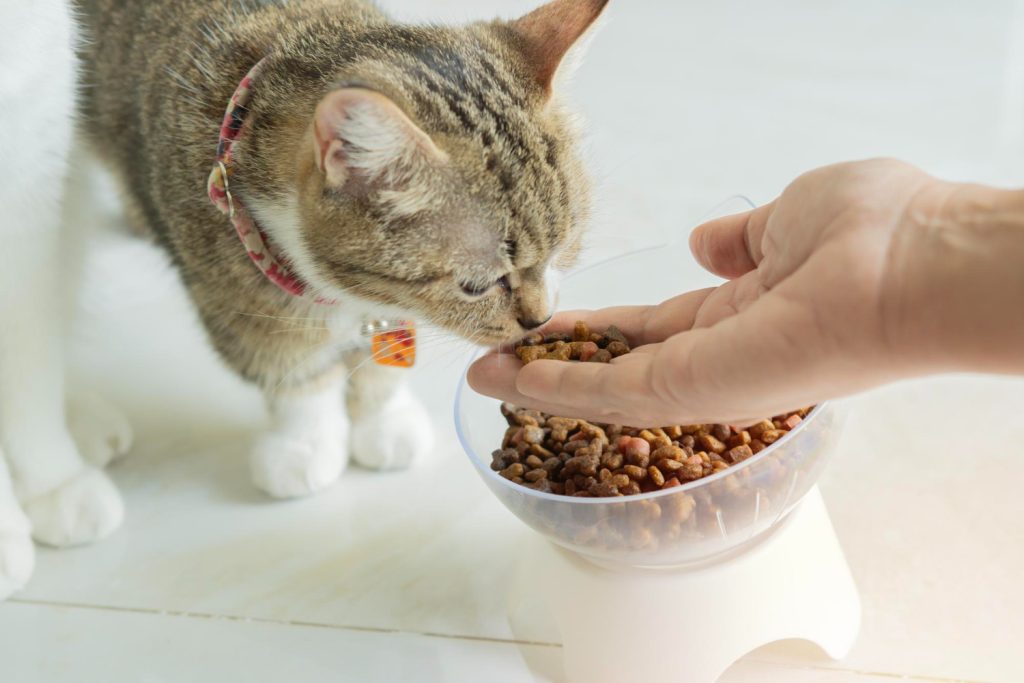
As pets transition into their senior years, understanding their special dietary needs becomes increasingly important for pet owners. The aging process brings about not just physical changes but also metabolic shifts that necessitate alterations in diet. Owners often find themselves navigating an array of choices when it comes to the best food for their aging pets. The key lies in recognizing the specific nutritional needs that can enhance the quality of life for these cherished companions.
Adjusting to Aging
Senior pets, much like humans, experience a gradual decline in bodily functions. This natural aging leads to a range of dietary adjustments that can make a significant difference in their health and vitality. Several factors contribute to these nutritional shifts:
- Slower Metabolism: As pets age, their metabolic rate decreases. This means they require fewer calories to maintain their weight. Overfeeding can lead to obesity, which is particularly concerning for older pets, as excess weight can amplify existing health problems.
- Decreased Activity Level: Aging pets typically engage in less physical activity, which further alters their caloric needs. It’s crucial for owners to evaluate their pets’ energy levels and adjust food portions accordingly.
- Changes in Taste and Smell: Like people, senior pets may experience diminished senses of taste and smell. Providing palatable meals that are both appealing and nutritious can encourage appetite, aiding in proper nutrition intake.
- Joint and Mobility Issues: Many aging pets face challenges like arthritis, which can make it difficult for them to enjoy their meals comfortably. Opting for easily chewable foods or even wet food varieties can make mealtime more pleasant.
Keys to Nutritional Success
To cater to the specialized dietary needs of senior pets, pet owners should focus on balanced meals that incorporate essential nutrients. The following components are crucial:
- Digestible Ingredients: Older pets benefit from foods made with high-quality, easily digestible ingredients. Ingredients like brown rice or oats can support healthy digestion and help maintain energy levels.
- Reduced Phosphorus: For pets at risk of kidney issues, diets lower in phosphorus can help alleviate strain on the kidneys, contributing to enhanced overall health and longevity.
- Antioxidants: Nutrients like vitamins C and E can support the immune system, reducing the risk of age-related diseases. Incorporating these into your pet’s diet may bolster their defense against external health threats.
Understanding the dietary needs of aging pets requires pet owners to be proactive in their approach. Regular veterinary check-ups can be invaluable in determining customized dietary plans capable of addressing specific health conditions. Collaborating with veterinarians enables owners to create a tailored nutrition strategy that aligns with the unique requirements of their aging pets. By staying informed about these dietary adjustments, pet owners can enhance their senior pets’ quality of life, allowing them to thrive even in their golden years.
| Category | Key Features |
|---|---|
| Nutritional Adjustments | Tailored diets to meet specific health issues like kidney disease or obesity. |
| Digestive Health | Increased fiber and probiotics to maintain gut health and improve digestion. |
| Feeding Frequency | Smaller, frequent meals to aid sensitivity in older pets’ gastrointestinal systems. |
| Hydration | Proper hydration strategies to prevent dehydration, especially for those on specific diets. |
Understanding the special dietary needs of aging pets is crucial as their nutritional requirements differ significantly from those of younger animals. As pets age, they may face various health challenges such as obesity, diabetes, or kidney disease, necessitating a diet rich in the right nutrients. For example, nutritional adjustments can greatly enhance their quality of life, ensuring they receive the appropriate balance of proteins, fats, and carbohydrates while avoiding harmful ingredients.Moreover, enhancing digestive health through increased fiber and probiotics can mitigate some age-related gastrointestinal issues, facilitating better nutrient absorption and overall well-being. It is also advisable to adapt feeding habits to accommodate an older pet’s less active lifestyle. Implementing smaller, more frequent meals can be beneficial since it eases the digestive process, reducing the strain on their systems. Lastly, hydration is often overlooked yet vital, particularly for pets experiencing changes in kidney function. Ensuring that older pets stay appropriately hydrated will not only help them feel better but is essential to their overall health management. Exploring these dietary factors provides a promising avenue to enhance the lives of our beloved aging companions.
DISCOVER MORE: Click here to learn how to enhance your pet’s diet
Supplementing for Optimal Health
As pet owners seek to improve the health of their aging companions, dietary supplements can play a pivotal role. While a well-balanced diet is fundamental, the right supplements can address specific health concerns and enhance the overall well-being of senior pets. Owners should explore various supplements and consult their veterinarians to determine the most suitable options.
Essential Supplements
When considering supplements for senior pets, several categories stand out:
- Joint Health Supplements: Condition-specific supplements containing glucosamine, chondroitin, and omega-3 fatty acids can significantly ease joint discomfort and promote mobility. Studies have shown that these components can reduce inflammation and improve the quality of life for pets suffering from arthritis.
- Probiotics: Gut health becomes increasingly important as pets age, with digestive issues becoming more common. Probiotics can help restore the natural balance of gut bacteria, promoting better digestion and nutrient absorption. Research indicates that these beneficial bacteria can also boost immune response, helping senior pets fend off illnesses.
- Heart Health Supplements: With age, cardiac health can decline. Supplements containing taurine and Coenzyme Q10 may support heart function and improve circulation. It’s essential for pet owners to monitor their pets’ cardiovascular health and consult with veterinarians about appropriate supplements.
- Multivitamins: Older pets may benefit from multivitamins tailored to seniors, ensuring that they receive adequate levels of vitamins and minerals that may be lacking as they age. Particularly important are vitamins A, D, and B-complex, which play crucial roles in metabolism and general health.
Hydration Matters
Another vital aspect of a senior pet’s diet that often goes overlooked is hydration. Aging pets may not drink enough water on their own, leading to potential dehydration, which can exacerbate health problems, including kidney disease and urinary tract infections. To support proper hydration:
- Always provide fresh water: Pet owners should ensure that pets have constant access to clean water, potentially using water fountains, which can encourage drinking through a running stream.
- Wet Food Options: Incorporating wet food into the diet can significantly boost overall fluid intake. Many senior-specific wet foods are formulated with additional nutrients and moisture, making them an appealing option for pets with decreased appetites.
- Flavor Enhancement: Adding flavoring agents such as low-sodium broth to dry kibble can make meals more enticing and encourage increased water consumption.
In addition to dietary adjustments and supplements, pet owners should be mindful of potential allergies or intolerances as pets age. Symptoms such as skin irritations or gastrointestinal disturbances may indicate the need for dietary changes. Observing how a pet responds to different foods and supplements can provide crucial insight into their unique needs.
By comprehensively addressing the dietary needs of aging pets through proper nutrition, tailored supplements, and hydration, pet owners can positively impact their beloved companions’ health and happiness in their golden years. The exploration of additional dietary strategies ensures that senior pets receive the diverse nutrients they require to thrive and maintain an active, fulfilling life.
DISCOVER MORE: Click here for essential pet care resources
Conclusion
In summary, understanding special dietary needs for aging pets is essential in ensuring they enjoy a healthy, vibrant life as they enter their golden years. As pets age, their nutritional requirements evolve, necessitating a proactive approach to their diets. Tailoring their nutrition through carefully selected high-quality ingredients, along with appropriate supplements, can play a crucial role in managing age-related health issues such as joint stiffness, digestive challenges, and heart conditions.
Moreover, hydration is often overlooked but remains a fundamental element of senior pet care. Providing access to fresh water and incorporating wet food options can help combat dehydration, thus enhancing overall well-being. As pet owners delve into the world of specialized nutrition, being vigilant about potential allergies and monitoring their pets’ responses to dietary changes is vital for achieving optimal health outcomes.
Ultimately, the commitment to understanding and addressing the unique dietary needs of aging pets fosters not just longevity but also improved quality of life. By working in collaboration with veterinarians and embracing progressive dietary practices, pet owners can uncover new strategies that promote vitality and happiness for their beloved companions. As research advances in pet nutrition, staying informed will empower owners to make the best choices for their furry friends, ensuring they thrive with love, care, and the right nutrition throughout their senior years.