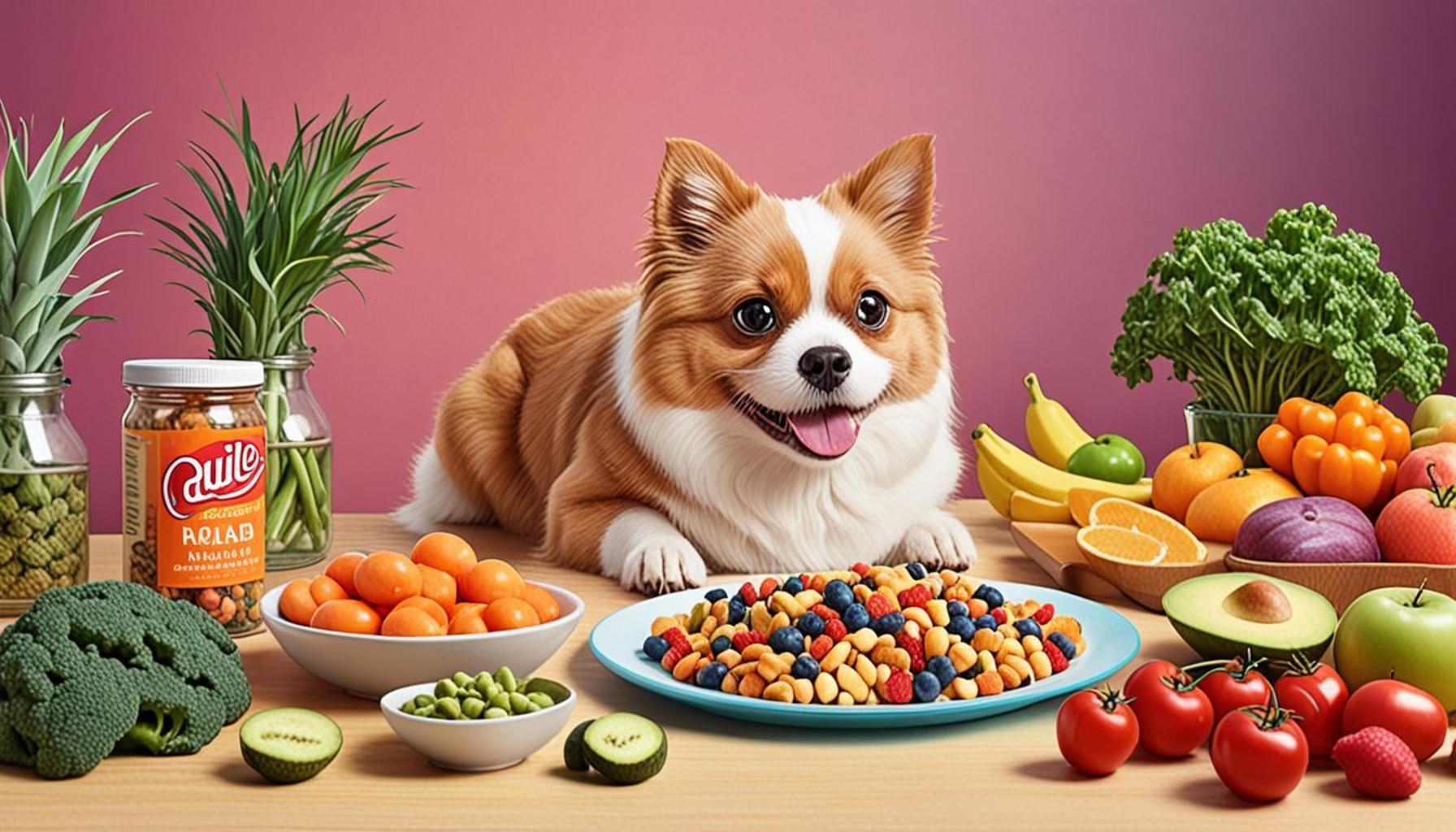
Diet Plans for Obese Pets: Strategies for a Healthier Lifestyle
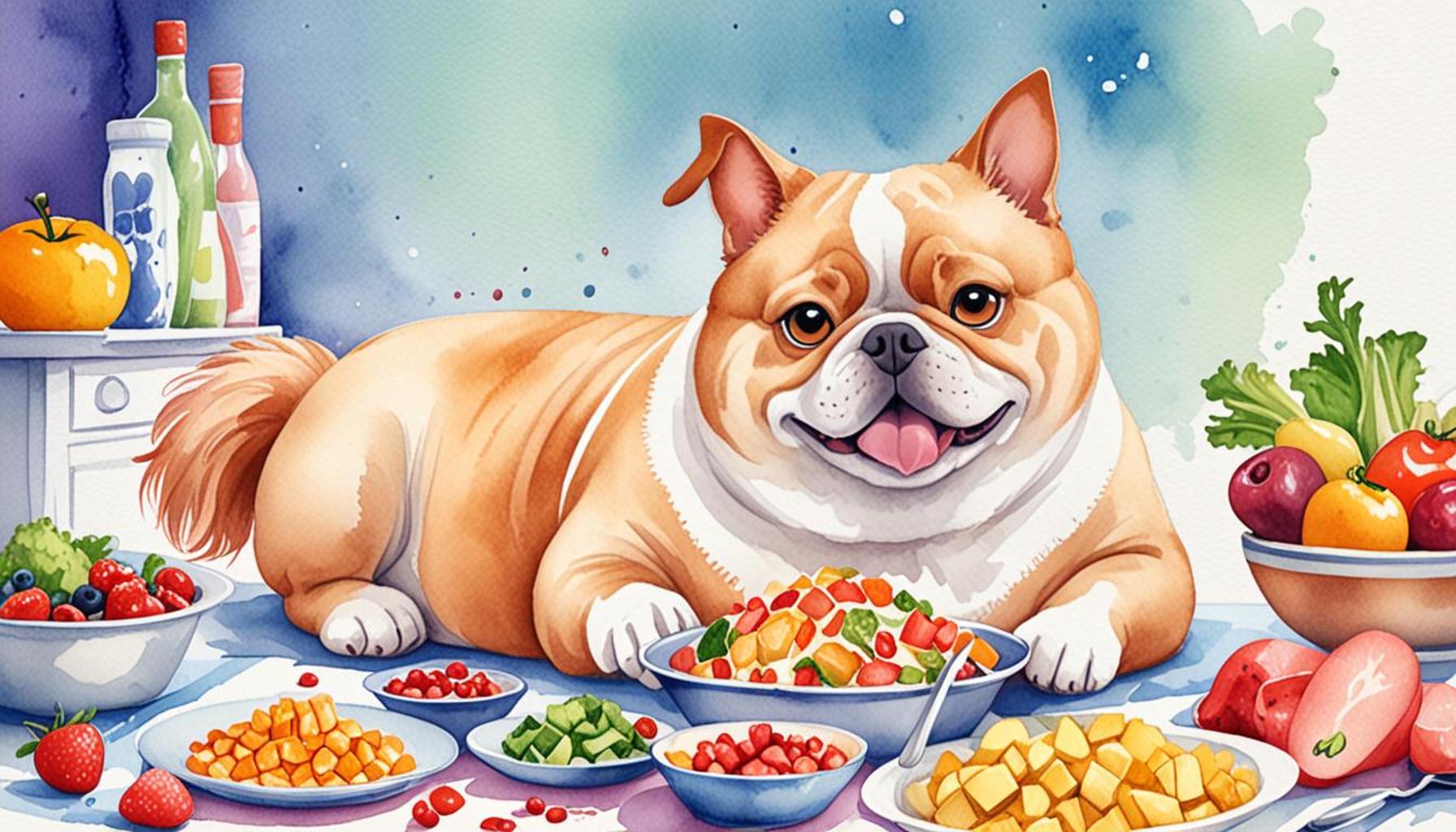
The Growing Concern of Obesity in Pets
Obesity in pets has escalated into a pressing health concern in the United States, impacting millions of dogs and cats. With over 50% of pets now categorized as overweight or obese, the ripple effect of this epidemic raises alarm bells for pet owners across the nation. The implications of this condition extend far beyond mere appearances; it can lead to severe health complications, including diabetes, joint problems, and an increased risk of heart disease. For instance, studies show that overweight dogs are more likely to suffer from arthritis, while feline obesity is a major contributor to diabetes mellitus, which can dramatically shorten a pet’s lifespan.
Understanding the Importance of Diet
Given the serious consequences of obesity, it is essential for pet owners to recognize the importance of a balanced diet tailored to their furry friends’ needs. Making informed dietary choices can significantly enhance the quality of life for pets while promoting healthier weight management. Diet plans for overweight pets should ideally be structured around a multifaceted approach.
Key Strategies for Effective Weight Management
Consider the following strategies that can be instrumental in developing an appropriate diet plan for your pet:
- Consultation with a veterinarian: Engaging with a veterinarian provides insights specific to your pet’s individual health profile. A vet can carry out assessments to diagnose any underlying health issues and recommend a tailored weight loss program that aligns with your pet’s age, breed, and health status.
- Regular exercise: Physical activity is essential. Incorporate daily walks, interactive play sessions, and fetch games that not only burn calories but also strengthen the bond between you and your pet. For instance, different breeds may require varied exercise routines—working breeds like Border Collies thrive on rigorous activities, while smaller dogs may enjoy controlled play periods.
- Portion control: Being consistent with portion sizes can be a game changer. Measure food portions correctly and limit treats to avoid sneaky calorie additions. For example, if your dog normally receives a cup of kibble twice a day, consider recalibrating that amount based on their ideal weight, as recommended by your vet.
- Quality of food: The kind of food your pet consumes matters greatly. Opt for high-quality, low-calorie pet foods rich in fiber and protein, which are vital for weight management. Ingredients like whole grains, fruits, and vegetables in pet food not only enhance nutrition but also keep your pet feeling fuller for longer.
Enhancing Your Pet’s Quality of Life
Implementing these strategies not only assists in weight loss but also enriches your pet’s overall quality of life. A healthier weight can lead to improved mobility, increased energy levels, and a reduction in the risk of chronic conditions. By dedicating time to educate yourself on healthy living for pets, you empower yourself to make informed choices that positively impact your beloved companions. In the upcoming sections, we will delve deeper into creating the most effective and tailored diet plans that can bring lasting change to your pets’ lives.
LEARN MORE: Click here for tips on creating a loving space for your new pet
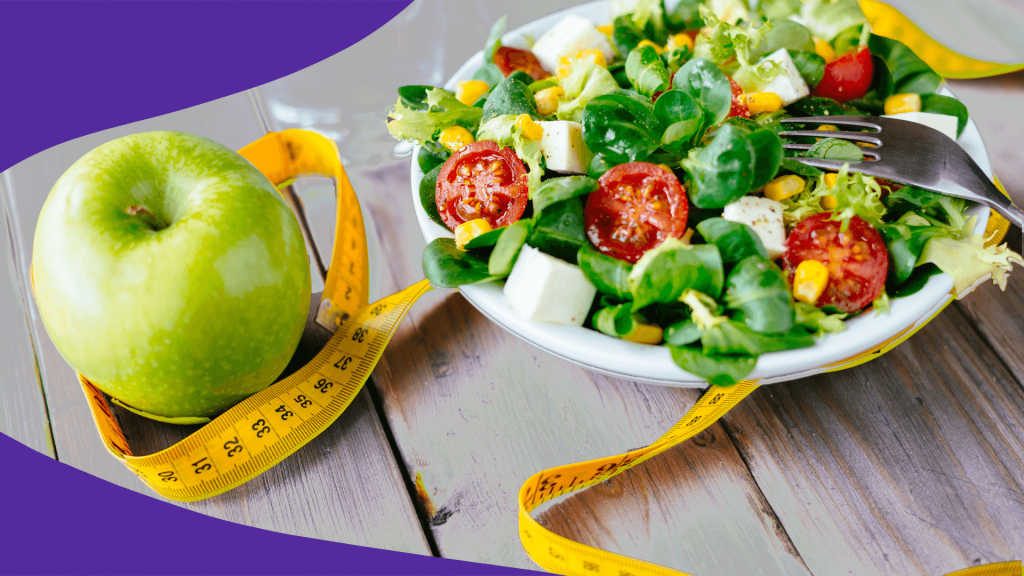
Foundational Steps Towards Weight Loss in Pets
When addressing obesity in pets, the first and most crucial step is to grasp the science behind their diet. A personalized approach is necessary, highlighting that what works for one pet may be ineffective for another. This individualized plan is not just about calories; it also encompasses a pet’s unique requirements, activity levels, and even their emotional well-being. For many pet owners, understanding how to navigate these aspects can be daunting, but it is essential for fostering a healthier lifestyle for their companions.
Establishing Realistic Goals
Before embarking on a weight loss journey with your pet, it’s important to set achievable goals. While immediate results may be tempting, gradual weight loss is more sustainable and healthier. Experts often recommend aiming for a reduction of 1% to 2% of body weight per week. This allows pets to adapt more comfortably and reduces the risk of complications. Setting milestone goals can also keep you motivated; tracking your pet’s progress can not only be rewarding but also foster a sense of accountability.
Understanding Nutritional Needs
Every pet has unique dietary needs based on their age, breed, and lifestyle. For many pets struggling with weight, a high-fiber diet can be beneficial. Fiber helps pets feel full longer and maintains digestive health. Here are some tips for incorporating the right nutritional elements:
- Scheduled Feeding Times: Instead of free-feeding, establish a routine by offering meals at specific times. This method encourages better digestion and can help with managing hunger.
- Low-Calorie Treats: While treats are an important part of showing affection, it’s essential to choose low-calorie options. Instead of traditional treats, consider healthy alternatives such as carrot sticks or apple slices, which can satisfy your pet’s craving while supporting their weight loss journey.
- Water Intake: Adequate hydration is often overlooked when discussing weight management. Ensure that your pet has access to fresh water at all times, as staying hydrated can help control appetite and improve overall health.
The Role of Behavior Modification
It’s not just about what your pet eats; their behavior around food also plays a significant role in their overall health. Identifying triggers that lead to overeating or begging can help manage these behaviors. Implementing techniques such as positive reinforcement during training sessions can shift their focus from food to other activities, promoting a healthier association with play rather than treats. Training your pet to enjoy physical activities not only helps in weight management but also enhances their mental stimulation.
Incorporating these foundational steps provides a solid base for effective weight loss and helps pet owners feel empowered in their quest for their furry friends to achieve a healthier lifestyle. The journey may be challenging, but the reward is a happier, healthier pet ready to explore life with you by their side. In subsequent sections, we will explore tailored meal planning options that align with these strategies to set your pets on a path to wellness.
| Category | Advantages |
|---|---|
| Balanced Nutrition | Adopting a diet rich in essential nutrients aids in weight loss while ensuring pets receive the vital vitamins they need. |
| Portion Control | Implementing strict portion sizes prevents overfeeding, allowing owners to manage their pet’s caloric intake effectively. |
| Increased Activity | A diet plan often encourages regular exercise, which is crucial for maintaining a healthy weight and enhancing overall well-being. |
| Regular Vet Check-ups | Working with a veterinarian ensures proper dietary adjustments based on specific health conditions and progress monitoring. |
Embarking on a diet plan for obese pets is not just a necessity but a commitment to their overall health and happiness. Ensuring that pets receive balanced nutrition presents an effective way to combat obesity, with tailored meals that focus on necessary vitamins and minerals. Portion control further enhances weight loss efforts by regulating how much food a pet consumes daily. But it’s not just about food; increased activity is equally pivotal to complement a nutritious diet, fostering a healthier lifestyle through exercise. Moreover, regular vet check-ups can guide pet owners in adapting dietary needs and monitoring any potential health issues during their pet’s weight loss journey. These strategies empower owners to make informed decisions, ultimately leading to a happier and healthier pet lifestyle.
LEARN MORE: Click here to discover how to tackle adoption challenges
Meal Planning: Crafting the Perfect Diet for Your Pet
Once foundational steps toward weight loss are established, the next phase involves creating a tailored meal plan that not only promotes weight loss but also meets your pet’s nutritional needs. This process is more than just reducing calorie intake; it’s about rethinking the overall diet composition with a focus on quality over quantity. Here’s how to develop a comprehensive meal plan that keeps your pet healthy and satisfied.
Choosing the Right Food
The pet food market is flooded with options, making it crucial to choose high-quality foods specifically formulated for weight management. Look for products labeled as “weight control” or “light” that contain reduced fat and calories but still provide essential nutrients. Opt for a diet rich in protein, as it can support muscle retention during weight loss and help your pet feel fuller for longer.
Portion Control and Meal Sizes
Understanding portion control is vital in any weight loss program. Consult your veterinarian to determine the proper serving size based on your pet’s current weight and target weight. It is important to measure food with precise tools like a measuring cup or kitchen scale rather than relying on visual estimates. Also, consider dividing daily meals into smaller portions spread throughout the day, which can help regulate hunger and avoid the temptation to overeat.
Incorporating Functional Ingredients
When planning meals, it’s beneficial to consider the inclusion of functional ingredients like omega-3 fatty acids, which can help reduce inflammation and improve overall health. You might also explore adding supplements such as glucosamine for joint health or probiotics to support gut health. Always consult with a veterinarian before introducing new supplements to ensure they are appropriate for your pet’s specific condition.
Keeping Snacks in Check
As previously mentioned, while snacks can be an important tool for rewarding good behavior, it’s crucial to maintain control over what and how much your pet receives. Choose low-calorie snacks and incorporate them into the meal plan cleverly. For instance, set aside a small portion of their daily kibble as training treats, or provide crunchy vegetables, which are low in calories but high in fiber.
Monitoring Progress and Making Adjustments
Adapting to a new diet is a dynamic process. Regularly monitoring your pet’s weight and overall health is essential in determining the effectiveness of the meal plan. Keep track of their weight weekly and assess changes in behavior and activity levels. If weight loss plateaus occur, adjustments, such as further modifying portion sizes or switching food brands, may be necessary. Additionally, staying in close contact with your veterinarian can provide invaluable guidance tailored to your pet’s evolving needs.
In summary, creating a customized meal plan requires careful consideration of quality nutrition, appropriate portion control, and the ability to adapt as your pet progresses on their weight loss journey. Emphasizing the importance of diet in the quest for a healthier lifestyle prepares pet owners to tackle obesity effectively—ultimately leading to happier, more active lives for their furry companions. In the next section, we’ll delve into the significance of physical activity in the journey toward weight management for pets.
DISCOVER MORE: Click here to learn how to enhance your pet’s diet
Conclusion: Embracing Change for Your Pet’s Wellness
In conclusion, addressing the issue of obesity in pets is a vital undertaking that benefits both animals and their owners. By implementing thoughtful diet plans that prioritize proper nutrition, portion control, and suitable snacks, pet owners can pave the way for a healthier lifestyle for their furry friends. A comprehensive approach must include not only a well-structured meal plan but also ongoing monitoring and adjustments according to each pet’s specific needs and progress.
Pet obesity is more than a cosmetic issue; it significantly impacts overall health, leading to serious conditions such as diabetes, joint problems, and heart disease. Therefore, it is imperative that pet owners remain proactive in seeking support from veterinarians and nutritionists. Education is key—understanding how to read food labels, recognizing healthy ingredients, and balancing snacks can dramatically influence your pet’s journey toward a healthier weight.
Moreover, remember that the transition to a healthier lifestyle shouldn’t be a solitary journey for your pet. Engaging in regular physical activities and incorporating interactive play—from daily walks to agility training—are essential components that complement a balanced diet. By fostering these habits together, you can strengthen the bond with your pet while enhancing their vitality and happiness.
Ultimately, tackling obesity in pets is about empowering both the animal and the owner to create a sustainable, enjoyable lifestyle. Together, you can navigate the path to improved health, ensuring that your beloved companion leads a longer, happier, and more active life.