The Importance of Physical Activity for Pets’ Well-Being

Understanding the Importance of Physical Activity for Pets
Engaging our beloved pets in regular physical activity is essential for ensuring their holistic well-being. The benefits extend beyond just keeping them fit; they also contribute significantly to their overall happiness and mental health. This is important for pet owners to grasp, as it can guide them toward creating a more enriching environment for their four-legged family members.
Physical Health Benefits
Regular exercise plays a pivotal role in maintaining a healthy weight for pets, which is vital in preventing obesity-related diseases such as diabetes, heart disease, and certain types of cancer. For instance, a 2019 study from the Association for Pet Obesity Prevention reported that approximately 60% of U.S. dogs and 56% of cats are classified as overweight or obese. Simple activities like walking, playing fetch, or engaging in agility training can help mitigate these risks.
Mental Stimulation
Physical activity is not just about muscles; it’s also about stimulating the brain. Animals that exercise regularly tend to exhibit fewer signs of anxiety and stress. Boredom is a significant contributor to destructive behavior in pets. For example, a dog that lacks sufficient physical activity may resort to chewing furniture or excessive barking as a way to cope with pent-up energy. Providing regular exercise sessions through interactive toys or games can effectively reduce these behavioral issues.
Socialization Opportunities
Physical activities present valuable opportunities for socialization. Opportunities such as group walks, dog parks, or playdates not only increase physical activity levels but also encourage pets to interact positively with other animals and humans. This experience is essential for their emotional development, as it can alleviate fears and uncertainties, leading to well-adjusted companions. For instance, training classes or community events can further enhance these social skills.
Health Risks of Sedentary Lifestyles
Failure to incorporate regular exercise can lead pets down a path filled with health issues. Animals that do not get enough movement can suffer from joint problems due to muscle weakening and stiffness. Additionally, the lack of exercise can manifest and exacerbate behavioral issues, such as excessive barking, chewing, or aggressive tendencies. Some studies have even hinted at a correlation between lack of physical activity and a shortened lifespan, underscoring the importance of keeping pets active and engaged.
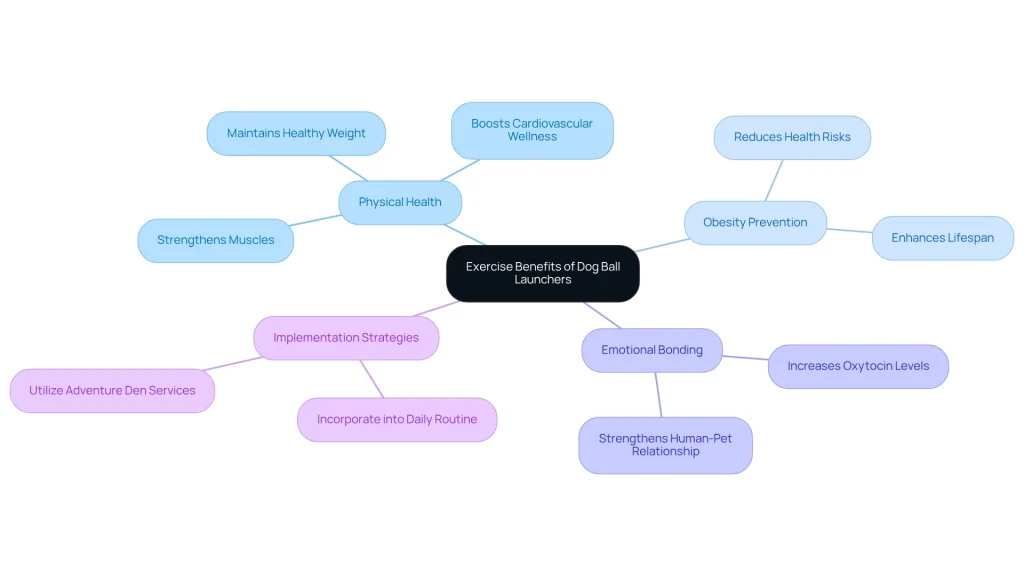
Overall, prioritizing physical activity ensures our pets thrive not only physically but also mentally and emotionally. By recognizing the profound connection between a pet’s activity levels and their well-being, responsible pet owners can create a lifestyle that nurtures both health and happiness—ultimately leading to deeper bonds and joy within the family.
DIVE DEEPER: Click here to learn how to create a safe space for your new furry friend</
Key Benefits of Physical Activity for Pets
When we talk about the importance of physical activity for pets’ well-being, we must highlight the multifaceted advantages that extend far beyond maintaining physical fitness. Just like humans, pets need a balanced lifestyle that includes not just nutrition, but also regular exercise to boost their quality of life. In the United States, the bonding experience during playtime and exercise can foster a sense of companionship, keeping both pets and their owners emotionally fulfilled.
Enhancing Cardiovascular Health
One critical aspect of physical activity is its role in enhancing cardiovascular health. Engaging pets in activities such as jogging, hiking, or swimming can significantly improve their heart function, blood circulation, and overall stamina. According to the American Veterinary Medical Association, regular exercise can lower the risk of heart disease, which is among the leading health concerns for pets, especially in the fast-paced lifestyle prevalent in urban areas.
Strengthening Muscles and Bones
Physical activity helps to develop stronger muscles and bones, which is crucial for pets as they age. Activities that include running or climbing can effortlessly strengthen their muscle tone and promote healthier bones by encouraging the development of essential minerals within the skeletal structure. Regular low-impact exercise, like swimming for dogs, can be particularly beneficial for senior pets or those recovering from injuries.
Developing Healthy Routines
Establishing a consistent exercise regime is vital for pets’ physical and mental health. Some practical ways to incorporate physical activity into your pet’s daily routine could include:
- Daily walks tailored to your pet’s energy level
- Interactive toys that promote movement, such as laser pointers or fetch devices
- A variety of playdates with other pets to maintain social interactions
- Participation in organized activities like agility courses or obedience training
Regular exercise routines help in developing healthy habits that are essential not only for the physical well-being of pets but also for cultivating a stable emotional environment. Pets that are exercised adequately generally exhibit improved temperaments and adaptability in various situations.
Cognitive Health Benefits
Exercise is also vital for cognitive health. Engaging in active play and problem-solving through training exercises can keep your pet’s mind sharp. Just as physical workouts lead to endorphins that improve mood and reduce stress in humans, they serve the same purpose in pets. Mental engagement and physical exercise complement each other, leading to well-rounded pet health.
In conclusion, the role of regular physical activity in enhancing pets’ well-being is undeniable. By prioritizing exercise, pet owners can contribute to their animals’ long-term health, happiness, and socialization, creating a thriving life for their furry companions. The path to well-being for pets is paved with love, care, and activity—proving that playtime truly is the best time!
The Importance of Physical Activity for Pets’ Well-Being
When it comes to the well-being of our beloved pets, physical activity plays a pivotal role. It is not just a means of keeping them fit; it serves as a fundamental aspect of their overall health. Engaging in regular exercise fosters not only physical vitality but also enhances psychological wellness. Just like humans, pets require a balanced lifestyle, and physical activity is critical in achieving that harmony.
Physical Health Benefits
Physical activity helps prevent obesity, a prevalent issue among pets, especially with the increasing trend of sedentary lifestyles. Regular exercise can improve cardiovascular health, muscle tone, and flexibility, leading to a more vibrant and energetic pet. Furthermore, it strengthens the immune system and can enhance the longevity and quality of life for pets.
Mental Stimulation and Behavioral Improvement
Besides physical health, exercise is crucial for mental engagement. Pets that partake in regular physical activity tend to display fewer behavior problems. Physical exercise, combined with mental challenges—like interactive toys or agility training—can curb destructive behaviors. This improvement in mental health is essential for creating a more harmonious home environment. Studies show that physically active pets exhibit healthier emotional responses compared to their less active counterparts.
Socialization Opportunities
Walking or engaging in physical activities with pets can also serve as an excellent opportunity for socialization. Dogs, in particular, benefit from interactions with other dogs and people during outdoor activities. This not only alleviates anxiety but also builds confidence in pets. Social interactions during exercises can significantly improve behavioral traits and facilitate better relationships with both humans and fellow pets.To sum up, physical activity is an integral aspect of fostering overall well-being in pets. With various types of exercises available—from simple walks to engaging games—there are plenty of opportunities for owners to integrate movement into their pets’ daily routines. This not only enhances the life of the pet but also strengthens the bond between owner and pet, ensuring a happier, healthier life for both.
| Category | Benefits |
|---|---|
| Physical Health | Prevents obesity, promotes cardiovascular health and strengthens the immune system. |
| Mental Health | Reduces behavioral problems, encourages mental engagement, and improves emotional responses. |
Physical activity is not merely an option, but an essential practice for ensuring the health and happiness of pets. The right level of exercise tailored to their needs can make a significant difference in their lives, and this is a subject worth exploring further for any pet owner.
DISCOVER MORE: Click here to learn how to choose the perfect veterinarian for your furry friend
Socialization and Behavioral Improvement
One important benefit of physical activity for pets is its ability to enhance socialization and improve behavior. Pets that receive regular exercise are more likely to interact positively with both humans and other animals. This interaction is crucial, especially in young animals, as it aids in developing critical social skills. For example, taking dogs to dog parks or participating in group training sessions can expose them to different breeds and temperaments, allowing them to adapt better to various situations. This exposure not only helps alleviate anxiety in unfamiliar settings but also nurtures a confident and well-adjusted pet.
Reducing Behavioral Issues
Pets with pent-up energy often exhibit unwanted behaviors, such as excessive barking, chewing, or even aggression. Regular physical activity acts as a channel for their energy, reducing the likelihood of such destructive tendencies. Incorporating structured play into a pet’s daily routine can provide an outlet for energy while also serving to tire them out. This is particularly crucial for high-energy breeds that require more exercise, such as Border Collies or Labrador Retrievers. Pet owners can benefit from employing a variety of activities like agility drills or even simple games of tug-of-war to keep their pets engaged and mentally stimulated.
Weight Management Considerations
With the increasing prevalence of pet obesity in the United States, the importance of physical activity for weight management cannot be overstated. According to the Association for Pet Obesity Prevention, approximately 56% of dogs and 60% of cats in America were classified as overweight or obese in 2020. This alarming trend can lead to a myriad of health issues, including diabetes, arthritis, and a shortened lifespan. Regular exercise, tailored to the pet’s age and breed, can significantly reduce the risk of becoming overweight. Techniques like structured feeding schedules combined with outdoor walks or play can help maintain a healthy weight.
Strengthening the Human-Pet Bond
Engaging in physical activities together can significantly enhance the bond between pets and their owners. Participating in regular workouts or outings fosters a sense of companionship based on shared experiences. Whether it’s going for a morning jog, playing fetch in the park, or training for events like charity runs or dog shows, these activities can create unforgettable memories and strengthen the emotional connection. This bonding is not only rewarding for owners but also provides security and comfort to pets, which is essential for their emotional well-being.
The Role of Age in Physical Activity
It’s important to remember that the level of physical activity required can vary depending on a pet’s age and health condition. While puppies and young dogs might require vigorous exercise to burn off youthful energy, older pets need gentler forms of movement that suit their physical capabilities. Activities such as leisurely walks or interactive play with soft toys can keep senior pets active without jumping into strenuous tasks. Always consult with a veterinarian to determine the most suitable exercise regimen for pets at different life stages.
The myriad benefits of physical activity for pets underline its crucial role in promoting overall well-being. From enhancing socialization and curbing behavioral issues to strengthening the human-pet bond and ensuring weight management, making exercise a central component of a pet’s life is essential for its happiness and health.
LEARN MORE: Click here to discover how to create a safe space for your new furry friend</p
Conclusion: Prioritizing Physical Activity for Pets
In conclusion, the significance of physical activity for pets cannot be overstated. From fostering social skills and mitigating behavioral problems to maintaining a healthy weight and strengthening the bond between pets and their owners, regular exercise plays a vital role in ensuring overall well-being. As pet owners in the United States face rising rates of obesity among their furry companions, it becomes increasingly essential to prioritize active lifestyles for pets of all ages.
Engaging in diverse activities—whether it’s a brisk walk, a game of fetch, or participation in structured playdates—offers numerous physical and mental benefits. As pets engage with their environment and other animals, they not only enhance their socialization skills but also experience a heightened sense of happiness and confidence. Additionally, recognizing the unique exercise needs based on a pet’s breed, age, and health status will enable owners to tailor their approach, ensuring a balanced and fulfilling activity regimen.
Ultimately, investing in a pet’s physical health through adequate exercise is a gift that enriches their lives and deepens the bond shared between owner and pet. By making a commitment to integrate more physical activity into their pets’ daily routines, owners can significantly contribute to their enduring happiness, vitality, and quality of life. As we embrace the importance of this aspect of pet care, we can look forward to nurturing healthier and more dynamic relationships with our beloved companions for years to come.