Preventive Care: The Importance of Vaccines and Regular Check-Ups for Pets
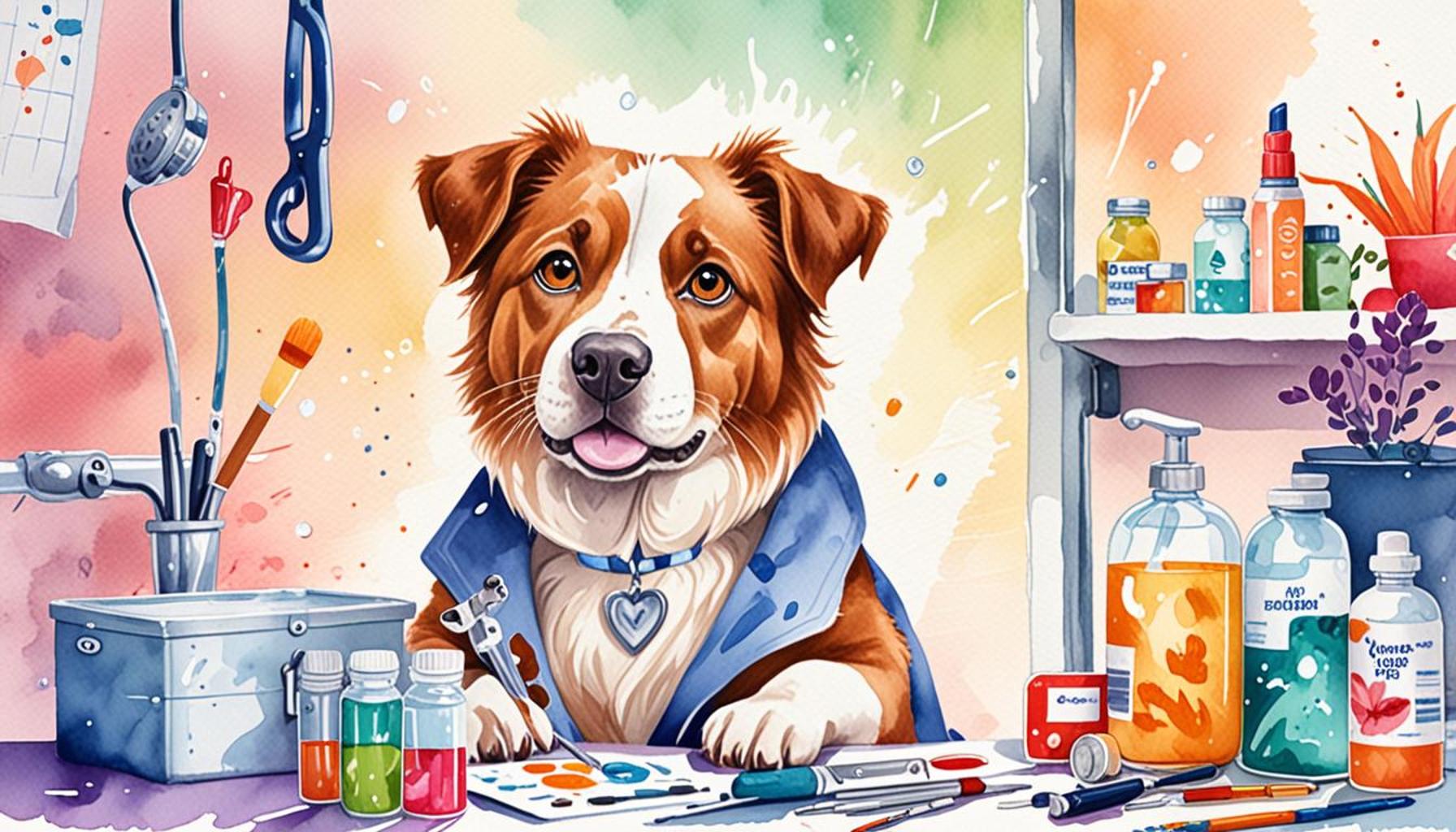
When it comes to the health and well-being of our pets, many owners might underestimate the significance of preventive care. While proper nutrition and a safe living environment form the foundation of pet care, preventive care goes a step further to ensure that our furry friends thrive throughout their lives. This proactive approach includes regular vaccinations and check-ups, both of which are critical to identifying and addressing health issues before they escalate into more severe conditions.
Why Are Vaccines Important?
Vaccinations serve as a first line of defense against myriad diseases that can afflict pets, significantly improving their chances of living long, healthy lives. The embrace of vaccines brings about several key benefits:
- Prevention of infectious diseases – Vaccines protect pets from potentially serious illnesses such as canine parvovirus, feline leukemia, and rabies. For example, parvovirus can be particularly devastating, especially in young puppies, leading to severe gastrointestinal distress and often resulting in death without prompt treatment.
- Community health – When a significant portion of a pet population is vaccinated, it helps create herd immunity. This means that even those pets who cannot be vaccinated—such as newborns, those with certain health conditions, or older pets—are less likely to be exposed to diseases, fostering a healthier community.
- Long-term cost savings – The expenses incurred from treating severe illnesses often far outweigh the costs associated with vaccinations. For instance, the cost of vaccinating a dog against rabies is generally much lower than the potential medical costs incurred if the pet contracts the disease.
The Role of Regular Check-Ups
Routine veterinary visits are as crucial as vaccinations in maintaining your pet’s health. These check-ups serve various essential purposes:
- Early detection – Many serious health conditions, such as dental disease or tumors, may not present symptoms until they are advanced. Regular visits allow veterinarians to identify these issues early, providing a greater chance of successful intervention.
- Monitoring health changes – As pets age, they may experience a host of age-related concerns such as obesity, arthritis, or kidney disease. Regular check-ups facilitate proactive management of these conditions, ensuring that pet owners can address them promptly.
- Personalized care plans – Every pet is unique in terms of breed, age, and health history. Veterinarians can develop tailored care plans that address specific needs, elevating the animal’s overall wellness and quality of life.
Understanding the importance of preventive care is crucial not only for your pet’s health but also for managing the financial and emotional stress that arises from unforeseen medical issues. A balanced approach combining vaccinations, routine veterinary visits, and a healthy lifestyle can substantially enhance the vibrant and dynamic life of your beloved companion. For pet owners in the United States, taking these proactive steps is a rewarding investment in the lasting health and happiness of their pets.
DISCOVER MORE: Click here to learn how to customize your pet’s diet
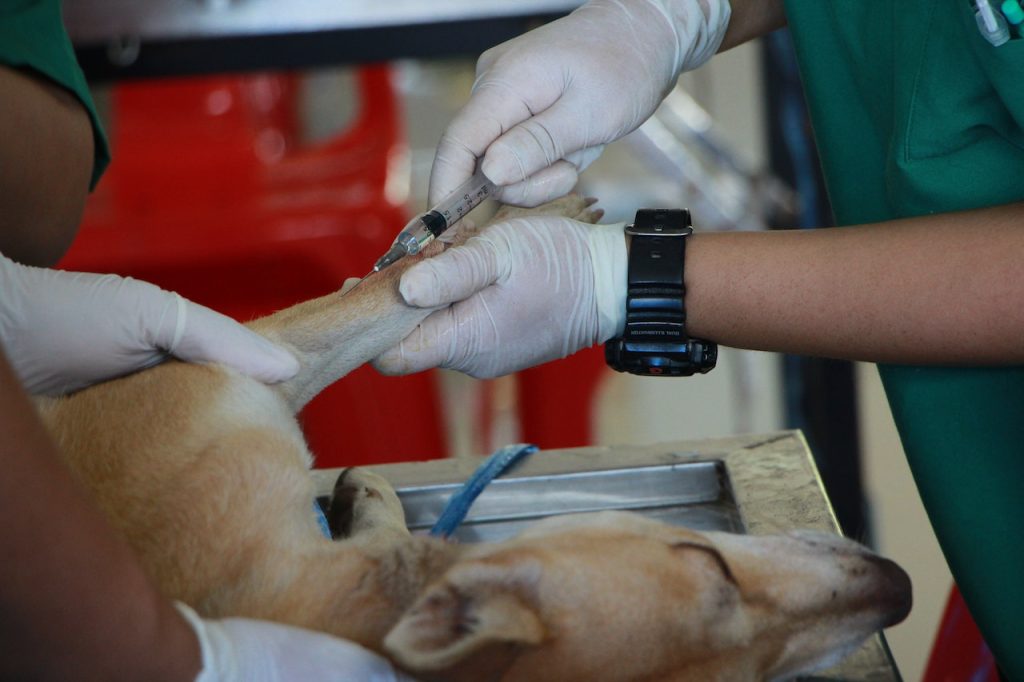
The Importance of Vaccines in Preventive Care
When pet owners consider the health of their furry companions, vaccines are often the paramount aspect of preventive care. Vaccines are designed to protect pets from a variety of life-threatening diseases, and their importance cannot be overstated. Here are several compelling reasons why maintaining up-to-date vaccinations is a non-negotiable aspect of responsible pet ownership:
- Protection Against Common Ailments – Vaccines are instrumental in safeguarding pets from common yet dangerous diseases. For example, canine distemper and feline parvovirus are highly contagious and can have fatal outcomes if left untreated. Vaccination against these diseases significantly mitigates the risk of contracting them, enabling pets to lead healthy, active lives.
- Public Health Considerations – The rationale behind vaccination extends beyond individual pets. Consider rabies, a viral disease that can be transmitted to humans and often results in death without intervention. By ensuring that pets are vaccinated against rabies, owners contribute to a wider effort of public health safety, protecting both their pets and the community.
- Vaccination Schedules – Understanding the vaccination schedule for your pet is critical. Puppies and kittens require a series of vaccinations over their first year to build up immunity. After this initial phase, regular booster shots are essential. Pet owners are encouraged to consult their veterinarian to design a vaccination plan suitable for their pet’s age, breed, and lifestyle.
Regular Check-Ups: A Step Towards Longevity
While vaccines are a crucial component of preventive care, regular veterinary check-ups also play an integral role in maintaining your pet’s health. These routine visits offer more than just a chance to update vaccinations; they provide an opportunity for comprehensive health assessments. Here are key reasons why regular check-ups should be a priority for pet owners:
- Proactive Health Monitoring – Regular check-ups enable veterinarians to conduct thorough evaluations of your pet’s health, checking for any abnormalities that may warrant further investigation. Conditions such as heart disease or diabetes can remain undetected until they become severe, which is why routine examinations are essential.
- Tailored Care Strategies – Each pet is different, and regular visits facilitate the creation of personalized care plans based on specific health needs, lifestyle, and age. These plans not only enhance the quality of life but also ensure timely adjustments in nutrition and care as the pet ages.
- Preventive Treatments and Screening – Aside from vaccinations, check-ups may involve preventive treatments for issues such as parasites (fleas, ticks, and worms) and dental care. Regular dental examinations can help prevent periodontal disease, which is chronic among pets but easily manageable with routine care.
Incorporating both vaccines and regular check-ups into your pet care routine emphasizes the significance of preventive care. By being proactive, pet owners can help their companions enjoy longer, healthier, and happier lives while minimizing the risk of severe health issues.
| Advantage | Explanation |
|---|---|
| Enhanced Health | Regular vaccines and check-ups bolster your pet’s immune system, reducing the risk of serious diseases. |
| Early Detection | Routine vet visits allow for the early detection of health issues, potentially saving lives through timely intervention. |
| Longer Lifespan | Consistent preventive care has been shown to increase the longevity of pets, giving them a healthier life. |
| Cost Efficiency | Investing in preventive care today can mitigate the high costs of treating advanced illnesses later on. |
Regular vaccinations are vital in safeguarding your pet against numerous infectious diseases, some of which can be highly contagious and deadly. For instance, diseases like rabies and parvovirus can not only threaten your pet’s life but could also affect human health, causing public health issues. Moreover, ensuring your pet is up to date with vaccinations boosts herd immunity within the pet population, ultimately contributing to the wellness of all animals in your community.Check-ups offer invaluable insights into your pet’s health trajectory. These appointments help veterinarians monitor growth, weight, and overall fitness. They also provide opportunities for pet owners to ask questions regarding behavior changes or dietary needs. This interaction further allows for customized care plans tailored to individual pets, ensuring they receive the specific support they require.By embracing a proactive approach to your pet’s health care, you are not only ensuring a happier and healthier companion but also fostering a good relationship with veterinary professionals who can guide you and provide the necessary resources for optimal pet care. Understanding the importance of vaccines and regular check-ups is fundamental in preserving your pet’s overall health and preventing unforeseen medical crises.
DISCOVER MORE: Click here to learn about your pet’s fitness
The Role of Nutrition and Lifestyle in Preventive Care
While vaccines and regular check-ups form the backbone of preventive care, aspects such as proper nutrition and an active lifestyle cannot be overlooked. These elements are pivotal in ensuring a pet’s overall well-being, contributing to healthier lives and minimizing disease risks. Here’s a deeper examination of how nutrition and lifestyle choices play a substantial role in preventive care:
- Balanced Diet for Optimal Health – Providing a balanced diet that meets your pet’s specific nutritional needs is foundational to health. Pets require a combination of proteins, fats, carbohydrates, vitamins, and minerals tailored to their age, size, and breed. Regular consultations with a veterinarian can help owners choose high-quality commercial foods or formulate specialized diets that promote weight management and overall health.
- Maintaining a Healthy Weight – Obesity is a growing concern among pets in the United States, with studies indicating that approximately 60% of cats and dogs are classified as overweight or obese. This excess weight can lead to serious health conditions such as diabetes, heart disease, and joint problems. Regular veterinary visits can provide guidance on maintaining a healthy weight and adopting a nutritional plan that fosters physical wellness.
- Encouraging Physical Activity – Just like humans, pets require regular exercise to stay healthy and fit. Engaging in daily activities not only aids in weight management but also sharpens mental acuity and reduces behavioral issues. Depending on the pet’s breed, age, and health status, walks, playtime, and interactive toys can be incorporated into the daily routine to ensure they meet their exercise requirements.
- Mental Stimulation and Socialization – Mental health is equally vital for pets. Regular interaction with other animals and people, along with engaging activities such as puzzle toys or training sessions, can prevent boredom and anxiety. Routine socialization during puppy and kitten stages can reduce behavioral issues later, ensuring your pets develop into well-adjusted companions.
The Impact of Preventive Care on Disease Prevention
Investing in preventive care has far-reaching implications for both pets and their owners, particularly in the context of disease prevention. The American Veterinary Medical Association (AVMA) highlights that preventive health care not only prolongs pets’ lives but can also yield significant economic benefits for owners by reducing the incidence of serious and costly health conditions. Here are some points to consider:
- Early Detection of Illnesses – Regular veterinary visits provide the advantage of early detection of potential health issues long before they become more serious. For instance, routine blood tests can reveal kidney or liver dysfunction, allowing for timely treatment that can substantially improve outcomes.
- Vaccines and Community Health – Vaccination campaigns have historically played a vital role in controlling outbreaks of infectious diseases. For example, the widespread vaccination of pets against rabies has been critical in reducing transmission rates to humans and other animals, underscoring the importance of collective responsibility among pet owners.
- Comprehensive Health Education – Regular interactions with veterinarians also empower pet owners with knowledge about their pet’s health and preventive care strategies. This educational component is crucial, as informed owners can make better decisions regarding their pets’ well-being and adopt practices that further enhance their pets’ quality of life.
Emphasizing the importance of preventive care, which includes vaccinations, regular check-ups, nutrition, exercise, and mental stimulation, can significantly improve the health and longevity of pets while fostering a deeper bond between pets and their owners.
DISCOVER MORE: Click here for expert tips
Conclusion: Prioritizing Preventive Care for Your Pets
In summary, the significance of preventive care in maintaining your pets’ health cannot be overstated. The combined approach of adhering to vaccination schedules and scheduling regular check-ups can be transformative, shielding pets from preventable diseases and extending their lifespans. Furthermore, understanding the essential role that nutrition and physical activity play enhances this proactive strategy, creating a comprehensive health framework that supports not only physical well-being but also mental and emotional health.
Pet ownership carries with it a profound responsibility, and investing in preventive care is one of the most impactful choices owners can make. By engaging with veterinarians for routine assessments, you equip yourself with crucial knowledge to identify potential health issues early on, leading to timely interventions. This proactive mindset can keep medical costs manageable and ensure your pets enjoy longer, happier lives.
Moreover, these practices bolster community health by contributing to herd immunity against infectious diseases, reaffirming the importance of individual accountability to safeguard collective well-being. Each vaccination not only protects your pet but also helps mitigate the risk of outbreaks among other animals and humans.
Ultimately, the journey of pet ownership is enriched through the bonds formed in nurturing a healthy companion. As you prioritize preventive care, you create an environment where your pets can thrive. So, take that essential step today—schedule their next check-up, discuss vaccination choices with your veterinarian, and commit to a lifestyle that promotes their health and happiness.