Tips for Promoting Your Pet’s Dental Health and Oral Well-Being
The Significance of Pet Dental Health
A pet’s dental health is often overlooked, yet it’s vital for their overall well-being. Just like humans, animals need proper oral care to prevent disease and ensure a happy, healthy life. Neglecting your pet’s teeth can lead to severe health issues, including infections and damage to vital organs. For instance, bacteria from untreated dental issues can enter the bloodstream and affect the heart, liver, and kidneys, leading to potentially fatal complications.
Understanding the importance of dental hygiene can significantly improve your pet’s quality of life. Here are some key reasons to prioritize their oral health:
- Prevents bad breath – Regular care keeps your pet’s mouth fresh, eliminating the unpleasant odors that can arise from bacterial buildup in the mouth. Pets’ bad breath is often a sign of dental disease, which can easily be mitigated with a proper dental routine.
- Reduces risk of periodontal disease – Early intervention can prevent infections that lead to periodontal disease, a condition that affects the structures supporting the teeth and can lead to tooth loss. According to studies, nearly 80% of dogs and 70% of cats show signs of dental disease by the age of three, making proactive care essential.
- Improves overall health – Healthy gums and teeth contribute to less systemic health issues. Research has shown a strong connection between oral health and conditions such as heart disease, diabetes, and even certain cancers. By maintaining your pet’s dental health, you are investing in their overall vitality.
Implementing Effective Dental Care Strategies
To help you get started, we’ve outlined several effective strategies. Ensuring your furry friend enjoys a routine of good dental habits can transform their oral health journey:
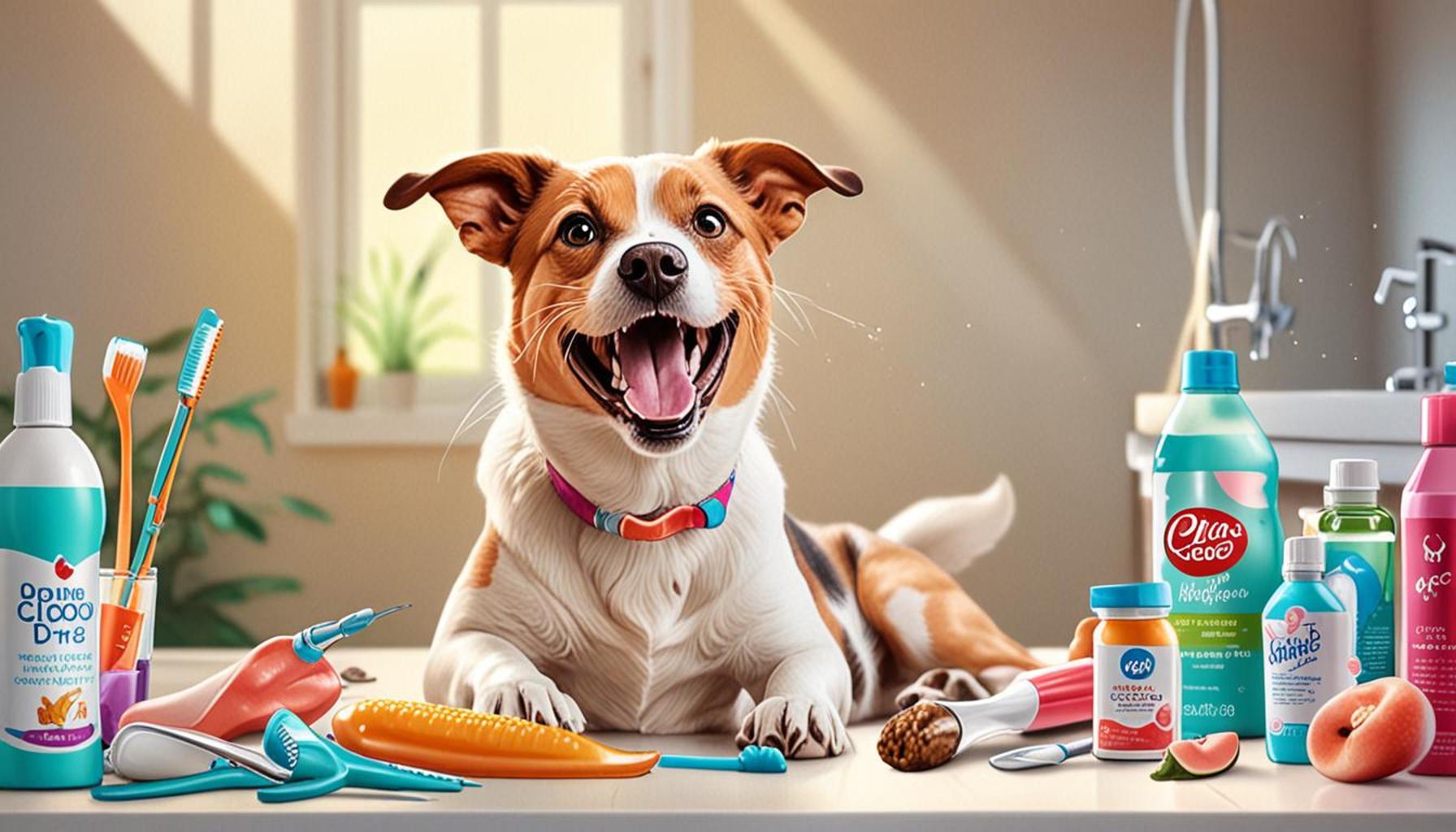
- Regular brushing – Aim for at least twice a week to combat plaque buildup. Use toothpaste specifically formulated for pets, as human toothpaste can contain ingredients that are harmful to animals.
- Dental treats – Choose veterinarian-approved products that aid in the removal of plaque and tartar. These treats often have a unique texture designed to help scrub the teeth as your pet chews, making dental care a more enjoyable experience.
- Annual vet check-ups – Regular professional cleanings can remove tartar and plaque buildup that home care alone cannot. Your veterinarian may also conduct a comprehensive oral exam to identify potential issues before they escalate.
By implementing these tips, you can significantly enhance your pet’s dental hygiene. It is also important to monitor for signs of dental discomfort, such as difficulty eating or changes in behavior. Just as with human health, early detection can lead to better outcomes. Continue reading to explore more detailed ways to promote your pet’s dental health and oral well-being, ensuring they lead a long, happy, and healthy life by your side.
DISCOVER MORE: Click here to learn how to find the perfect shelter for pet adoption
Key Strategies for Enhancing Your Pet’s Dental Hygiene
As a responsible pet owner, it’s essential to integrate dental care into your pet’s daily routine. This may sound daunting, but with a few simple strategies, you can easily promote better dental health and oral well-being for your furry companions. Here, we highlight several effective practices that can make a significant difference in maintaining your pet’s oral hygiene:
- Daily Brushing – The gold standard for pet dental care is regular brushing. Ideally, you should aim to brush your pet’s teeth every day. If daily brushing isn’t feasible, try to do it at least a few times a week. Use a toothbrush and toothpaste specifically designed for pets; human products can be harmful to animals. Start slow, allowing your pet to get accustomed to the sensation of brushing, and use treats or praise to create a positive experience.
- Oral Rinse Solutions – There are various pet-safe oral rinses available that can help reduce plaque and freshen breath. These rinses can be added to your pet’s water bowl or applied directly to their teeth. Look for products endorsed by veterinarians that are designed to target the specific needs of your pet.
- Consistent Chewing – Chewing is a natural behavior for pets and can aid in dental health. Providing dental chews or toys designed to promote oral health allows your pet to have fun while minimizing plaque buildup. Look for products approved by veterinary dental organizations; these often have textures crafted to support tooth cleaning while being safe for your pet to enjoy.
- Feeding a Dental-Friendly Diet – What your pet eats can have a considerable impact on their dental health. Consider incorporating specially formulated kibble that is designed to reduce plaque and tartar. Avoid excessive treats high in sugar and carbohydrates, as these can contribute to dental issues. Consult with your veterinarian for dietary recommendations that will support your pet’s oral health.
Being proactive about your pet’s dental care not only prevents pain and discomfort associated with dental diseases, but it also serves as a preventive measure against more serious health complications. In addition to daily practices, pet owners should remain observant. Signs such as drooling, swollen gums, and reluctance to eat may indicate dental issues requiring professional attention. The earlier these problems are addressed, the better the outcome for your furry friend.
With a combination of routine care, appropriate dietary choices, and regular veterinary visits, you can significantly improve your pet’s dental health. Stay tuned as we explore more advanced strategies and tips for ensuring your pet enjoys optimal oral health and well-being.
| Dental Care Tips | Importance |
|---|---|
| Regular Brushing | Helps remove plaque and prevent tartar buildup. |
| Dental Treats | Promotes chewing, which aids in cleaning teeth. |
| Regular Vet Checkups | Ensures early detection of oral health issues. |
| Water Additives | Helps to reduce bacteria in the mouth, promoting overall dental health. |
| Raw Bones | Natural way to scrape plaque off teeth while satisfying chewing instincts. |
Promoting your pet’s dental health is crucial for their overall well-being. Starting with regular brushing, ideally using a toothpaste formulated specifically for pets, establishes a routine that keeps their teeth clean and fresh. Pairing this with dental treats provides not only a delicious snack but also a means to actively engage your pet in dental hygiene.Consider scheduling regular vet checkups, as they can reveal hidden issues that might not be evident at home. Your veterinarian can recommend appropriate treatments or preventive measures. Additionally, incorporating water additives into your pet’s drinking water can significantly contribute to maintaining cleanliness in their mouth, targeting bacteria and promoting healthier gums.Don’t overlook the benefits of raw bones, which offer a satisfying chewing experience that naturally cleans teeth. By implementing these strategies, you’re setting the foundation for a healthier mouth and a happier pet.
DISCOVER MORE: Click here to uncover inspiring adoption stories
Advanced Techniques for Optimal Oral Health in Pets
In addition to basic dental care practices, exploring advanced techniques can take your pet’s oral health to the next level. Staying informed about new innovations and practices in pet dental care will empower you to make the most effective choices for your furry friend’s well-being. Here, we delve into some advanced strategies to enhance your pet’s dental health:
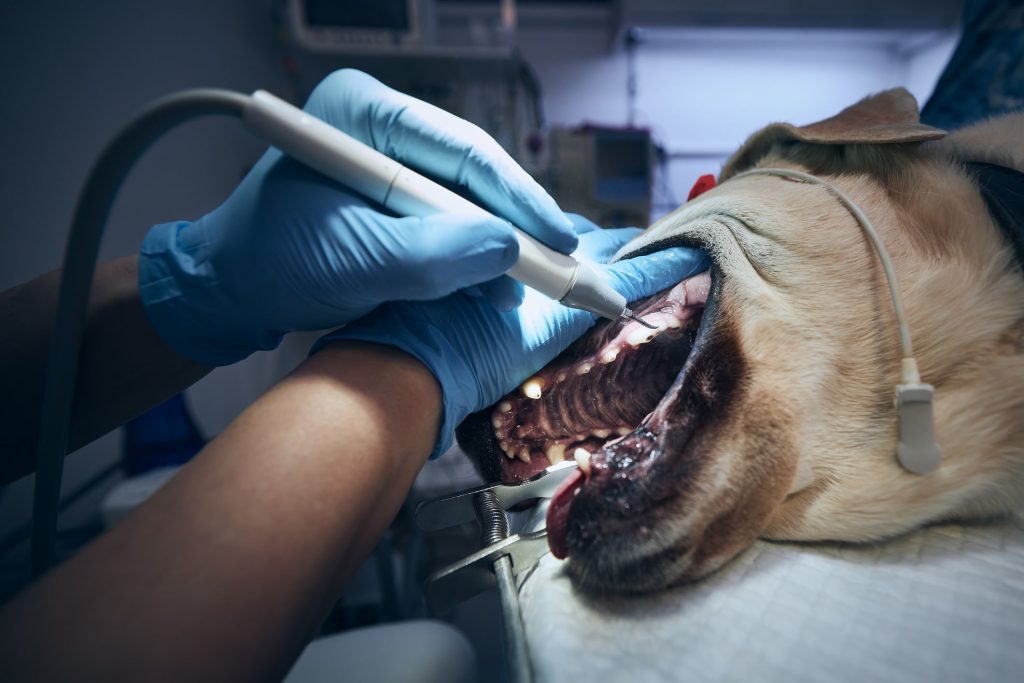
- Regular Professional Cleanings – While home care is essential, it is equally important to schedule regular professional dental cleanings with your veterinarian. Many veterinarians recommend annual dental check-ups that involve a thorough examination and cleaning under anesthesia. This allows for removal of tartar build-up and provides the opportunity to identify any underlying issues that may not be visible in a casual inspection.
- Dental Sealants – Just as humans benefit from sealants to protect enamel, pets can also enjoy preventive measures. Dental sealants are applied during professional cleanings to create a barrier against plaque and tartar. This application can help maintain a healthier mouth between cleanings and prolong the effectiveness of your dental care routine.
- Interventional Treatments – If your pet is already experiencing dental problems, don’t hesitate to inquire about interventional treatments. Options like periodontal therapy can be vital for pets with gum disease. Your veterinarian may also recommend surgical options in severe cases where extractions or more invasive procedures are necessary. Understanding the potential treatments can prepare you for proactive interventions, which can alleviate pain and promote healing.
- Dental-Friendly Treats and Toys – While regular dental chews are beneficial, it’s important to select treats that are clinically proven to improve dental health. Look out for treats that bear the Veterinary Oral Health Council (VOHC) seal of approval, as these products have undergone rigorous testing. Similarly, certain toys are designed specifically for dental care, with textures that help remove plaque and stimulate gums during playtime, turning cleaning into a fun and engaging activity.
- Homemade Dental Care Options – For those who like a DIY approach, there are several homemade remedies that can provide ancillary support to your pet’s oral health. Simple recipes using safe ingredients can create dental rinses or treats that help promote oral hygiene. Always consult with your vet before introducing new items into your pet’s diet, ensuring they are safe and effective for your specific breed or health condition.
Staying informed about the latest trends in veterinary dentistry can open up new avenues for care. For example, some pet owners are exploring innovative canine and feline toothpaste containing natural ingredients such as coconut oil or green tea extract, known for their antimicrobial properties. This shift toward more natural products reflects a growing awareness of pet health and wellness, merging traditional care with holistic approaches.
Becoming familiar with the specific dental needs of your pet, considering their breed and age, is paramount in leveraging these advanced care techniques effectively. As dental health problems can lead to systemic issues affecting multiple organs, ensuring your pet enjoys a thorough and proactive dental care regimen will positively impact their overall health and longevity.
IMPORTANT: Click here to learn more about keeping your pets healthy
Conclusion: Elevating Your Pet’s Dental Care Routine
Ensuring exceptional dental health for your pets is a critical aspect of their overall well-being. By combining routine home care practices with advanced dental strategies, you can create a comprehensive plan that supports your furry friend’s oral health. Regular professional cleanings, effective dental products, and dietary considerations all play vital roles in preventing oral diseases that can adversely affect not just the mouth, but also the heart, liver, and kidneys.
Utilizing tools such as dental sealants and interventional treatments provides proactive options for pets at risk of dental issues. Transitioning to dentally-approved treats and toys can turn a chore into a fun and engaging activity, making it easier to maintain their oral hygiene. Furthermore, the rise of homemade dental care options allows pet owners to tailor their approach to fit their pet’s unique needs.
Understanding the specific dental requirements based on your pet’s breed and age is paramount. By staying informed about the latest trends and scientific advances in veterinary dentistry, you become an empowered advocate for your pet’s health. Ultimately, an ongoing commitment to promoting dental health can enhance their quality of life, sparing them from pain and serious health complications in the future. Make dental care a priority today, and enjoy the journey of nurturing your pet’s vibrant health over the years.