How to Identify and Treat Common Allergies in Dogs and Cats

Understanding Allergies in Pets
Pets are our family, and just like us, they can suffer from various health issues. One common problem that many dog and cat owners face is allergies. Recognizing the symptoms early can lead to effective treatment and a healthier life for your furry companions. Just as humans deal with allergies to pollen, dust, and certain foods, pets too can experience similar discomforts that require our attention.
Common Allergy Triggers
Allergies in pets can be broadly categorized into several types based on their triggers, each presenting unique challenges for pet owners:
- Environmental factors: Pets may develop allergies to various environmental elements. Common culprits include pollen from flowering plants during springtime, dust mites that thrive in household fabrics, and mold spores that can accumulate in damp areas of the house. For example, dogs suffering from seasonal allergies may exhibit symptoms primarily in late spring or fall when pollen counts are high.
- Food allergies: Food allergies arise from specific ingredients that your pet cannot tolerate, such as beef, chicken, or certain grains like wheat and corn. Signs of food allergies might manifest as digestive issues, including vomiting or diarrhea, and can often be confused with other gastrointestinal disorders. For instance, some pets may develop itchy skin or ear infections shortly after changing their diet.
- Flea allergies: A particularly distressing nuisance, flea allergies result from a reaction to flea saliva. Even a single flea bite can trigger severe itching and discomfort. This is often a significant concern for pets who spend a lot of time outdoors or are exposed to other animals.
Recognizing Symptoms of Allergies
Being attuned to your pet’s behavior and physical changes is crucial. Symptoms of allergies may include:
- Itching or scratching: This is often the most noticeable sign. You may find your pet scratching obsessively, chewing at their paws, or even rubbing their face against furniture.
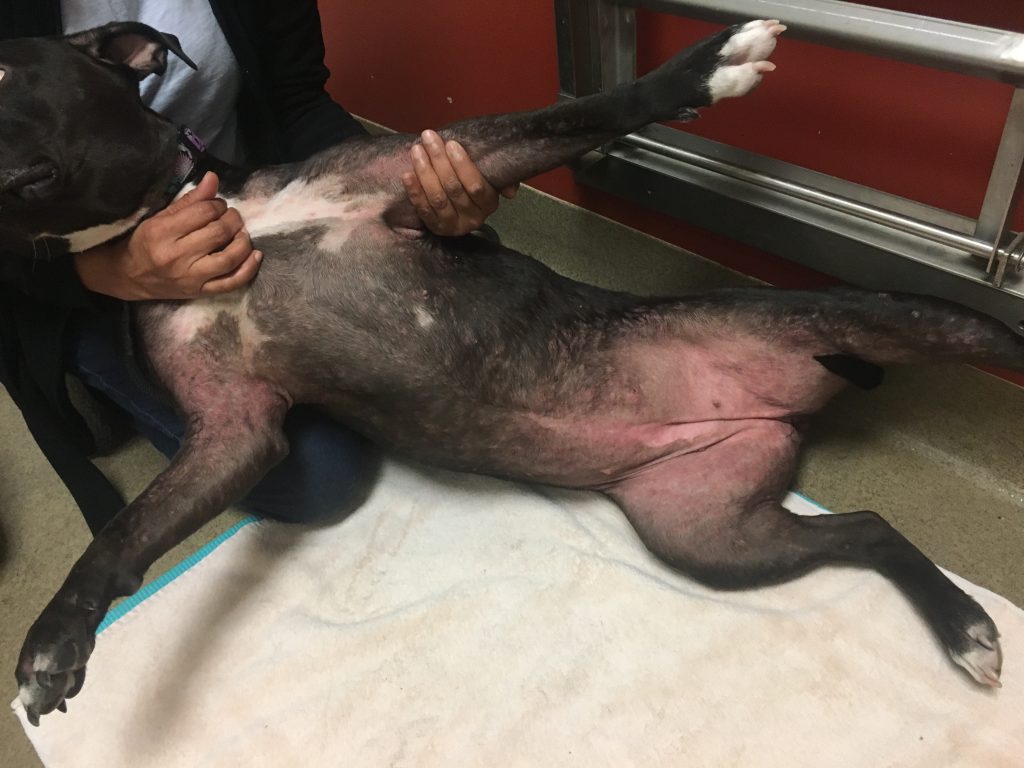
- Redness and inflammation of the skin: Allergic reactions can cause your pet’s skin to become red and swollen. Patches of inflamed skin might appear, leading to further irritation if left untreated.
- Ear infections: Allergies can often lead to recurring ear infections, characterized by frequent scratching of the ears, foul odors, or discharge in the ear canal. These infections can be painful and require immediate veterinary attention.
- Digestive issues: Chronic vomiting or diarrhea can be signs of a food allergy. If you notice consistent gastrointestinal disturbances after feeding, it might warrant an investigation into their diet.
Finding the Right Solutions
Identifying the cause of an allergy can be a challenge, but it’s essential for effective management. Start by keeping a detailed journal of your pet’s symptoms, noting any dietary changes or environmental exposures. Consulting with a veterinarian can provide more precise diagnostics, which may include allergy testing, skin assessments, or elimination diet trials.
Once the specific allergen is identified, treatment can vary from avoiding the allergen altogether to incorporating medication for symptom relief. Many pet owners find success with antihistamines, corticosteroids, or even immunotherapy in severe cases.
This article serves as a guide to identifying and treating common allergies effectively. By being vigilant and proactive, you can help ensure that your pet remains comfortable, happy, and free from the discomfort of allergies.
DISCOVER MORE: Click here for essential tips
Identifying Allergies in Pets: Symptoms and Patterns
Understanding how to identify allergies in our beloved dogs and cats is crucial for their well-being. Pet allergies can often manifest through a variety of symptoms, some of which may seem harmless at first but can escalate into serious health issues if left unaddressed. To ensure your pet leads a happy and healthy life, it’s essential to recognize the early signs of allergies and understand how they connect to specific triggers.
Common Symptoms to Watch For
Pet owners should become familiar with common symptoms of allergies, which can include:
- Excessive itching or licking: If you notice your pet scratching more than usual or obsessively licking certain areas, it might indicate allergic reactions. Dogs and cats may particularly focus on their paws, belly, or ears.
- Skin rashes or hotspots: Allergies often lead to inflammation or irritation of the skin, resulting in red, raw patches known as hotspots. These areas may become infected if not monitored closely.
- Watery eyes or sneezing: Just like humans, pets may exhibit respiratory symptoms. If you notice watery eyes, sneezing, or coughing, this could point to environmental allergies, such as pollen or dust.
- Chronic ear problems: Recurrent ear infections are a common sign of allergies in pets. If you frequently find yourself cleaning your pet’s ears or dealing with infections, it’s time to consider a possible allergy.
Each pet may show different symptoms depending on their own unique allergic triggers. Therefore, observing patterns in their behavior is essential. For example, does your pet seem more distressed during certain seasons? This could indicate environmental allergies related to pollen or mold. In contrast, digestive issues such as vomiting or diarrhea after feeding might suggest a food allergy.
Documenting Symptoms for Better Diagnosis
Monitoring and documenting your pet’s symptoms is critical to effectively managing their allergies. Maintain a detailed log that includes:
- The date and time of observed symptoms
- Specific food products given to your pet
- Environmental changes such as new plants, carpets, or cleaning products
- Seasonal variations, particularly during spring and fall
This methodical approach not only helps you to track the frequency and severity of symptoms but also assists your veterinarian in making an accurate diagnosis. Veterinary professionals can recommend diagnostic tests, such as allergy testing or blood tests, tailored to your pet’s specific needs.
Once a diagnosis is established, treatment can commence based on the identified allergens. Understanding how to recognize the signs of allergies will empower you to take the necessary steps to help your pets lead a more comfortable life, free from allergic irritations.
Identifying Common Allergies in Pets
Identifying allergies in dogs and cats can be challenging, as the symptoms often resemble other health issues. Common signs include excessive scratching, skin irritations, ear infections, and gastrointestinal upset. Symptoms such as paw chewing or whining may indicate discomfort caused by allergic reactions. Observation is key; pet owners should note when symptoms occur and any potential environmental triggers, such as pollen, dust mites, or certain food ingredients.
Environmental Allergies
Many pets suffer from environmental allergies, which can stem from a variety of sources. Common triggers include pollen from trees, grasses, and weeds, as well as mold and dust mites. Seasonal allergies are frequent in pets, similar to humans. Diagnosis often involves a thorough examination and allergy testing, which can help pinpoint specific reactions.
Food Allergies
Food allergies are another prevalent issue among pets. Symptoms often include digestive problems, repetitive scratching, and skin conditions. Dogs and cats can be allergic to various proteins, such as beef, chicken, or dairy. A diet elimination trial conducted under a veterinarian’s guidance is the most reliable way to diagnose food allergies.
| Category | Key Benefits |
|---|---|
| Identification of Symptoms | Early detection can prevent severe health issues in pets. |
| Environmental Management | Implementing clean environments can alleviate allergy symptoms. |
| Customized Diet Plans | Tailored nutrition can reduce the risk of food allergies. |
Exploring the various types of allergies and their symptoms can empower pet owners to seek timely veterinary care. Understanding these aspects not only enhances the quality of life for pets but also fosters a deeper bond between pets and their owners, as caregivers become more attuned to their furry friends’ health needs. Regular vet check-ups can ensure that any arising issues are promptly addressed, contributing to the overall well-being of pets.
LEARN MORE: Click here for insights on your aging pet’s dietary needs
Treating Allergies in Dogs and Cats: Effective Strategies and Solutions
Once you have identified the symptoms of allergies in your pets, the next crucial step is understanding how to treat these conditions effectively. Treatment may vary significantly based on the type of allergy—be it environmental, food-related, or flea-related—and requires a tailored approach for each pet.
1. Environmental Allergy Management
For pets suffering from environmental allergies, the first line of defense typically includes limiting exposure to allergens. Here are several strategies veterinary professionals often recommend:
- Regular cleaning: Routine cleaning of your home can significantly reduce dust, pollen, and mold. Vacuum frequently, use air purifiers, and wash pet bedding regularly to minimize allergy triggers.
- Bathing and grooming: Giving your pet regular baths with hypoallergenic or oatmeal-based shampoos can help remove allergens from their skin and fur. Additionally, regular grooming assists in keeping fur and skin clean, reducing irritants.
- Outdoor precautions: If your pet is allergic to pollen, restricting outdoor time during high pollen counts or utilizing protective clothing can be beneficial. Consider investing in a pet-friendly rinse after outdoor activities to wash away any lingering allergens.
2. Dietary Intervention for Food Allergies
When it comes to food allergies, pinpointing the specific allergenic ingredient is essential for proper treatment. A common approach includes:
- Elimination diets: Consult your veterinarian about conducting an elimination diet, which involves removing all potential allergens from your pet’s diet for several weeks and then gradually reintroducing them to identify the trigger.
- Hypoallergenic diets: If a food allergy is confirmed, many veterinarians will recommend a commercially available hypoallergenic diet. These diets contain novel proteins and carbohydrates that your pet has never been exposed to, reducing the likelihood of allergic reactions.
3. Flea Allergy Treatments
A flea allergy requires a specific approach since the reaction is not just to the flea biting but also to saliva. For treating flea allergies, consider the following:
- Flea prevention: Implement a rigorous flea prevention plan that includes topical treatments, oral medications, and environmental control to eliminate fleas from both pets and their living surroundings.
- Treating existing infestations: Consult your veterinarian for suitable flea treatment options if a flea infestation is already present. This often involves a combination of topical flea control products and oral medications to stop the reproductive cycle of fleas.
4. Medications and Alternative Treatments
In more severe cases, your veterinarian might prescribe medications to alleviate allergic symptoms. Some commonly used treatments include:
- Antihistamines: Over-the-counter or prescription antihistamines can help reduce itching and inflammation. It’s important to consult your vet regarding the appropriate dosage for your pet.
- Corticosteroids: For more acute allergic reactions, corticosteroids may be prescribed to provide rapid relief from inflammation and itching.
- Allergen-specific immunotherapy: This treatment works by gradually desensitizing your pet to the identified allergens through a series of injections covering their specific sensitivities.
- Natural remedies: Some pet owners explore alternative treatments such as acupuncture, herbal supplements, or homeopathy. Always consult your veterinarian before pursuing these options.
By taking the time to understand treatment options, you can improve your pet’s quality of life and manage their allergies effectively. Partnering with a veterinary professional will lead you toward the most suitable therapies tailored to your furry friend’s specific needs.
DISCOVER MORE: Click here to learn about your pet’s mental health needs
Conclusion
Understanding common allergies in dogs and cats is essential for pet owners who want to ensure their furry companions lead happy and healthy lives. Identifying symptoms, whether they manifest as itching, gastrointestinal issues, or respiratory distress, is the first step towards effective treatment. Each type of allergy—be it environmental, food-related, or flea-induced—demands a different management approach, emphasizing the importance of tailored strategies to meet individual needs.
As highlighted, environmental allergies can often be mitigated through routine cleaning and grooming practices, while food allergies require careful dietary examination and potentially an elimination diet. In the case of flea allergies, implementing stringent preventive measures can be crucial in safeguarding your pet from discomfort. Additionally, should the symptoms be severe, medication can provide relief and improve quality of life.
It’s vital to maintain open communication with your veterinarian throughout this journey. Their expertise is invaluable in pinpointing the exact sources of your pet’s allergies and recommending the most suitable treatment options. By taking proactive steps and remaining vigilant, owners can not only alleviate their pets’ discomfort but also foster a deeper bond based on understanding and care.
In summary, effectively managing allergies in our beloved pets involves a commitment to observation, education, and collaboration with veterinary professionals. This approach will not only enhance the well-being of your dog or cat but also enrich the shared experience of companionship. For further exploration of this topic, consider reading reputable veterinary sources or consulting with specialists to discover more nuanced insights into your pet’s health needs.