How to Use Food Rewards Effectively in Pet Training
Understanding the Impact of Food Rewards in Pet Training
Pet training is a crucial aspect of responsible pet ownership. Integrating positive reinforcement methods, especially through food rewards, forms a foundational strategy for teaching pets various commands and behaviors. When utilized effectively, these rewards can foster not only obedience but also strengthen the bond between pets and their owners. The art of effective training with food reward strategies can transform ordinary sessions into engaging learning experiences for both pets and their human companions.
The Advantages of Food Rewards
Food rewards, when used correctly, can dramatically improve training outcomes. Understanding the various benefits allows pet owners to harness the full potential of these techniques. Here are some core advantages:
- Motivation: It’s no secret that most pets have an affinity for food. Whether it’s a dog’s enthusiasm for chicken-flavored treats or a cat’s delight over tuna bites, using these snacks as motivators encourages participation. For instance, offering a treat can coax a shy dog out from under the couch during training sessions.
- Positive Association: Rewarding a pet immediately after a desired command creates a positive association between the action and the treat. Over time, this encourages pets to repeat the behavior. For example, a pup that sits on command and receives a tasty morsel may quickly learn to associate “sit” with something rewarding.
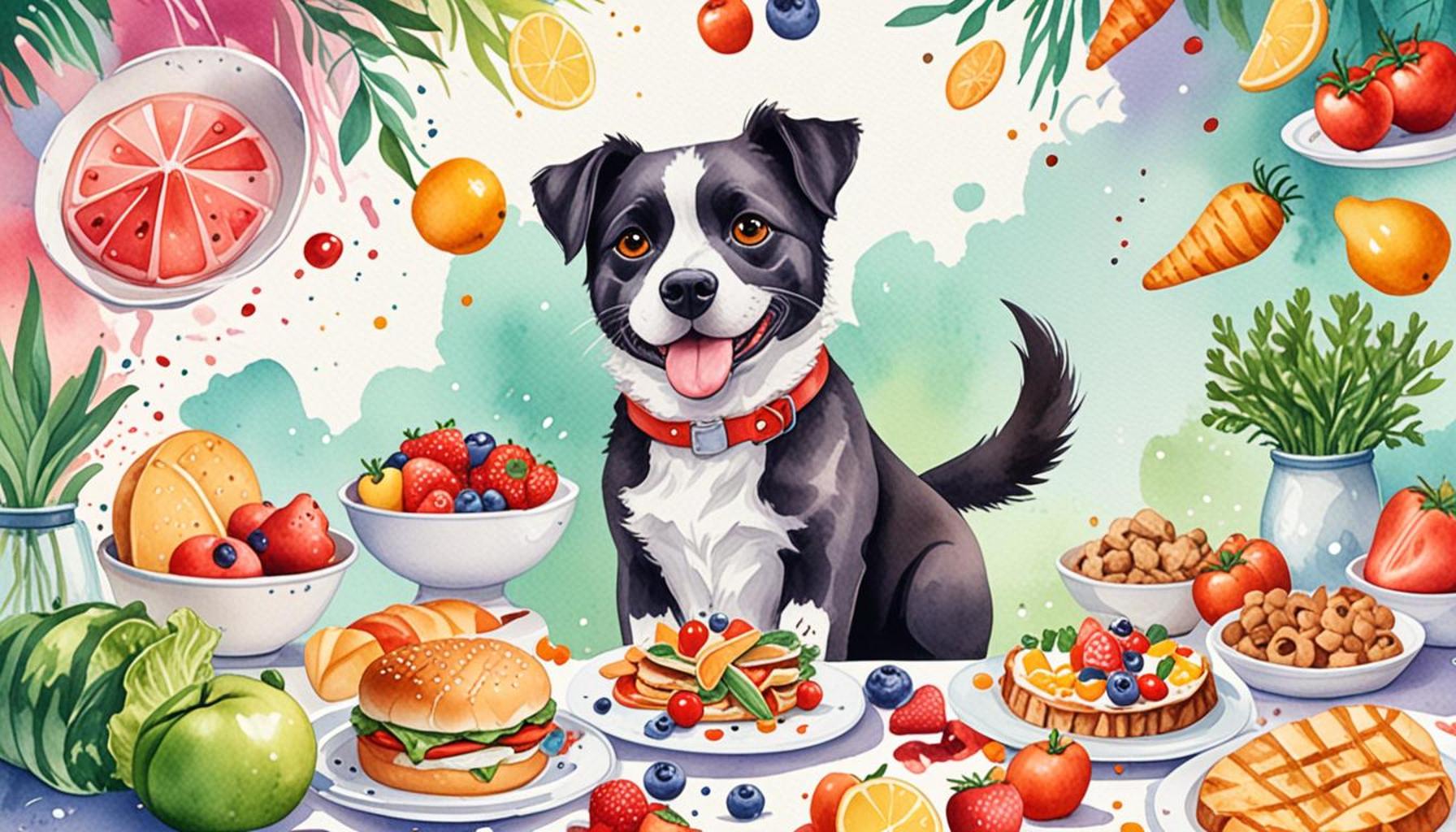
- Variety in Options: The market is rich with options for pet treats. Owners can choose from settings like pet stores or even make homemade snacks. For example, sliced apples or carrots serve as nutritious alternatives that can entice a pet’s palate while ensuring healthiness.
Key Execution Strategies for Effectiveness
While food rewards can greatly enhance training, their effectiveness heavily depends on how they are executed. Here are some essential strategies to consider:
- Timing: To reinforce learning, it’s vital to deliver the reward immediately after the desired behavior occurs. For instance, if your dog successfully fetches a ball, presenting a treat right after the fetch creates a strong link in their mind.
- Consistency: Using the same commands and types of treats consistently reduces confusion for the pet. If you say “stay” but occasionally reward with different treats or varied commands, your pet may become unsure about what behavior is actually being reinforced.
- Moderation: Given the risk of overfeeding, it’s important to keep treat portions small. Treats should serve as a supplement to regular meals, not a replacement. For instance, breaking a treat into smaller pieces can help maintain enthusiasm without risking a pet’s health.
Unlocking Training Potential
Arming yourself with strategies regarding food rewards is vital for creating a positive and effective training environment. Not only will this approach spur faster learning, but it will also contribute to the overall well-being of your pet. As you embark on this rewarding journey, remember that patience, practice, and a sprinkle of creativity will lead to significant progress in training. Additionally, exploring various treat options and methods can further enhance your connection with your pet. So why not dive deeper into the endless possibilities of pet training with positive reinforcement? The bond you’ll create will be a rewarding experience for both you and your furry friend!
LEARN MORE: Click here to find out how to recognize illness in your pets
Utilizing Food Rewards for Optimal Training Results
The effectiveness of using food rewards in pet training relies heavily on the strategies you implement. Various methods can enhance the learning experience for pets while maintaining a fun, engaging environment. Here, we delve deeper into some actionable techniques you can adopt to maximize the benefits of food rewards during training sessions.
Establishing the Right Environment
Creating a conducive training environment plays a crucial role in the effectiveness of food rewards. Distractions such as noise, other pets, or clutter can hinder learning. To set the stage for success:
- Choose a Quiet Location: Select a calm and familiar space for training. A quiet backyard or a room free from distractions will help the pet focus on your commands and the rewards.
- Minimize Interruptions: For dogs, this means putting away toys or other triggers that might distract them. For cats, consider a serene space where they can concentrate on you without external stimuli.
- Use Distance and Gradual Enhancements: Initially, begin lessons at a distance from distractions. As your pet demonstrates mastery over the behavior, slowly introduce elements that may disrupt focus to teach them to maintain attention.
Prioritizing Appeal and Variety
Not all treats are created equal, and pets have their unique preferences. To keep their interest piqued, consider these suggestions:
- Find the Favorite: Experiment with different types of food rewards to discover what your pet loves most, from store-bought treats to homemade snacks. For instance, many dogs respond enthusiastically to beef liver while cats may prefer fish-based treats.
- Rotate Treats: Just like humans, pets can get bored with the same flavor. Rotating treats during training sessions not only maintains enthusiasm but also keeps your pet guessing and eager for the next reward.
- Healthy Choices: Focus on healthier treats that contribute to their overall nutrition. Small amounts of cooked chicken, sweet potatoes, or green beans can serve as wholesome options that don’t compromise your pet’s diet.
Respecting Your Pet’s Pace
One of the key components of successful training is respecting your pet’s individual pace. Patience allows for a deeper connection through understanding and empathy. Here are methods to ensure your pet learns at their comfort level:
- Know When to Push: While it’s important to challenge your pet, overexerting them can lead to frustration. Recognize signs of stress and know when to take a step back.
- Celebrate Small Wins: Break commands down into smaller components. Instead of expecting a dog to execute a complex sequence of actions immediately, celebrate minor successes that contribute to the ultimate goal.
- Implement Breaks: Just like humans, pets benefit from short breaks to process information. Use brief pauses in training to keep their minds fresh and ready for the next lesson.
By tapping into these methodologies, not only will you enhance the effectiveness of food rewards in pet training, but you will also foster a nurturing and fun environment where your pet can thrive. As you build on these principles, you’ll find that each session deepens the connection between you and your furry companion, paving the way for positive behaviors that last a lifetime.
| Advantages | Details |
|---|---|
| Enhanced Learning | Food rewards stimulate motivation, leading to faster learning and better retention of commands. |
| Strengthening Bond | Using food rewards enhances the bond between the pet and owner, as it promotes positive interaction during training sessions. |
| Behavior Modification | Food rewards can effectively decrease unwanted behaviors when used as a reinforcement for positive actions. |
| Versatility | Different food rewards allow adaptation to various training needs, catering to individual pet preferences. |
Food rewards are a powerful tool in the realm of pet training. They effectively tap into a pet’s natural instincts, making learning a pleasurable experience. By integrating food rewards into training methods, owners can not only foster a comfortable learning environment but also witness significant improvement in their pet’s behavior. Understanding how to implement these rewards strategically can lead to transformative results in both performance and companionship. Explore more about customizing food rewards to suit your pet’s taste and how timing can maximize their effectiveness in training sessions.
DISCOVER MORE: Click here for essential pet care tips
Maximizing the Impact of Food Rewards in Training Sessions
To fully harness the power of food rewards in pet training, it’s essential to implement structured techniques that enhance your pet’s learning experience. By understanding the psychology behind rewards and adjusting your approach, you can create an effective framework that leads to successful training outcomes.
Timing is Everything
When using food rewards, the timing of the reward is critical to reinforcing desired behaviors. The following strategies can help you make the most of your reward system:
- Immediate Reinforcement: Deliver the food reward immediately after your pet performs the desired behavior. This instant gratification helps them make the connection between the action and the reward, solidifying their understanding.
- Use a Marker Signal: Incorporate a verbal cue or clicker to indicate the exact moment your pet has executed the desired behavior. This technique bridges the gap between the action and the reward, enhancing clarity and focus during training.
- Gradual Fading of Rewards: Once your pet consistently performs the behavior, gradually decrease the frequency of food rewards. This training technique, known as variable reinforcement, helps maintain their enthusiasm and prevents reliance solely on treats.
Incorporating Training into Daily Activities
Training doesn’t have to be limited to formal sessions. Integrating food rewards into everyday activities can reinforce training concepts naturally. Here are ways to seamlessly incorporate training:
- Reward During Walks: When out for a walk, use food rewards to reinforce commands like “heel” or “sit” when approached by distractions. This not only enhances obedience but also strengthens the bond between you and your pet.
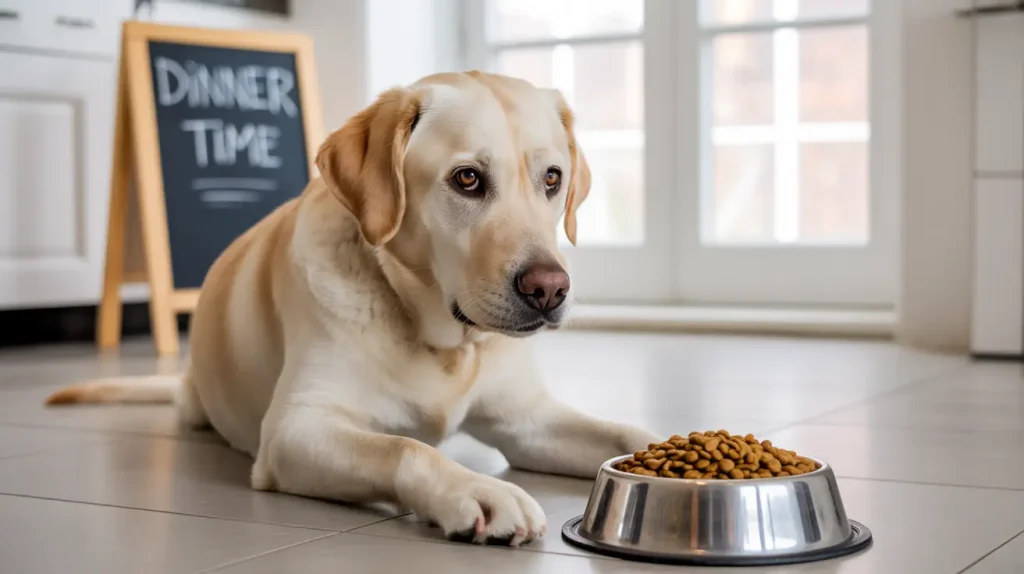
- Mealtime Training: Consider incorporating training commands during feeding times. For instance, require your pet to “sit” before placing their food bowl down. This integrates training into their daily routine while rewarding them at the same time.
- Playtime Reinforcement: Utilize treats during play as a reward for good behavior. If your dog fetches the ball and returns it, reward them with a treat. This not only encourages the behavior but also adds an element of fun.
Monitoring and Adjusting Treat Quantities
While food rewards are a potent tool for training, moderation is key to ensuring your pet’s health. It’s important to maintain a balanced approach:
- Control Treat Sizes: Use small treats that are easy for your pet to consume quickly. Miniature treats allow for frequent rewards without contributing excessive calories to their diet, which is crucial for managing their weight.
- Adjust Daily Food Intake: To compensate for the calories provided through training treats, consider adjusting your pet’s regular food portions. This helps prevent weight gain and maintains their overall health.
- Consult with a Veterinarian: If you’re unsure about the appropriate amount of treats or how to incorporate them into your pet’s diet, consulting with a veterinarian can provide tailored advice that takes into account your pet’s specific dietary needs.
By implementing these strategies for effectively using food rewards in pet training, you can create a dynamic, engaging, and positive training experience that benefits both you and your pet. The right combination of timing, integration, and moderation will not only facilitate successful training but will also pave the way for a lifelong trust and companionship. As you continue to explore these practices, you’ll find your ability to communicate and bond with your furry friend flourishes, leading to a well-behaved pet and a harmonious household.
DIVE DEEPER: Click here for essential pet care resources
Conclusion
Utilizing food rewards effectively in pet training can transform the learning experience for both you and your furry companion. By understanding the underlying principles of motivation and reinforcement, as well as incorporating practical techniques, you can develop a nurturing training environment that promotes growth and strengthens your bond. Remember, the foundation of successful training lies in timely rewards, consistent integration of commands into daily life, and proper management of treat portions.
As you apply the strategies outlined in this article, consider the personality and preferences of your pet. Some pets may respond better to certain types of treats or specific reward methods, emphasizing the importance of tailoring your approach based on individual needs. Take the time to observe and adjust your training techniques accordingly, ensuring that your pet remains engaged and enthusiastic about learning.
Moreover, always prioritize your pet’s health when incorporating food rewards into their training regimen. Managing treat sizes and daily food intake is crucial in preventing obesity and ensuring a happy and active life for your pet. If in doubt, don’t hesitate to reach out to a qualified veterinarian for advice tailored to your pet’s specific needs.
By committing to these practices, you can foster a positive atmosphere that not only leads to improved behavior but also enhances the overall relationship you share with your pet. Continue exploring new training techniques and stay dedicated to your pet’s growth. With the right approach, food rewards can serve as a bridge to deeper understanding and lifelong companionship.