Incorporating Play into Training: Making Learning Fun for Your Pet
Discover the Joy of Pet Training Through Play
Training your pet can often feel like a daunting task, but it doesn’t have to be! By incorporating play into training sessions, the experience can transform into an enjoyable adventure for both you and your furry companion. Not only does this approach make learning feel less like a chore, but it also fortifies the bond between pet and owner, turning training into cherished quality time.
Understanding the myriad benefits of integrating play into your training regimen is essential. Here are some key advantages:
- Increased Motivation: Pets naturally gravitate towards activities that are fun. When you add elements of play to training, your pet is more likely to participate enthusiastically. For instance, using a squeaky toy as a reward for successfully performing a command can elicit greater excitement.
- Enhanced Retention: Studies have shown that animals learn and retain information better in a stimulating environment. Engaging in games during training, such as teaching a trick through a series of playful activities, can significantly enhance your pet’s ability to remember commands and behaviors.
- Stress Reduction: A playful atmosphere can alleviate anxiety not just for your pet, but for you as the owner as well. Fun sessions provide a relaxed setting where mistakes are accepted, thus lessening the pressure often associated with traditional training methods.
To get you started on this joyful journey of training through play, consider these entertaining ideas:
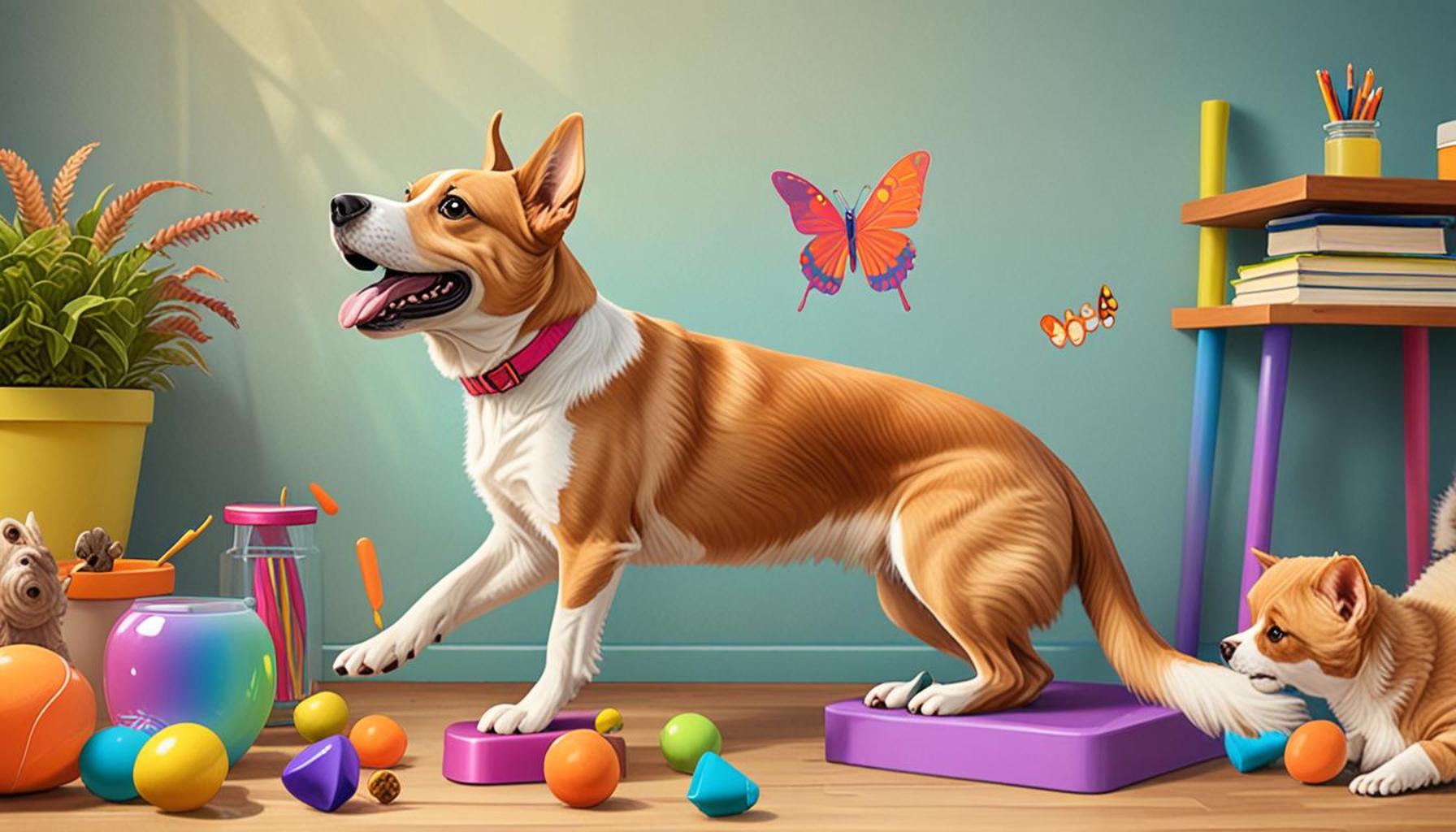
- Utilize toys as integral rewards during training. For instance, after your dog successfully sits, toss a favorite ball as an immediate reward.
- Incorporate familiar games like fetch or hide and seek to teach important commands. These activities not only reinforce learning but also harness your pet’s natural instincts and desire for interaction.
- Schedule brief ‘learning through play’ sessions that are engaging and enjoyable. A 10-15 minute session filled with fun is significantly more effective than a drawn-out, serious training class.
As you delve deeper into the world of pet training, you will uncover innovative strategies to turn often mundane routines into exhilarating adventures. It’s time to embrace the transformative power of play and revolutionize how you teach! Explore, experiment, and allow joy to be the cornerstone of your training process.
DISCOVER MORE: Click here to learn how to incorporate superfoods into your pet’s diet
Engaging Methods to Integrate Play in Training
Incorporating play into your pet’s training can lead to transformative results that foster not only skills but also a deeper bond between you and your furry friend. Engaging pets in enjoyable and interactive session goes beyond merely teaching commands—it creates a collaborative learning experience that excites both their minds and bodies. By adopting methods that blend play and training, you can enhance your pet’s learning journey.
Choosing the Right Activities
Understanding your pet’s unique personality is crucial when selecting games and activities that align with their natural tendencies. For example, a high-energy dog may thrive on vigorous games of fetch, while a more laid-back cat might prefer leisurely puzzle-solving challenges. Here are a few engaging options:
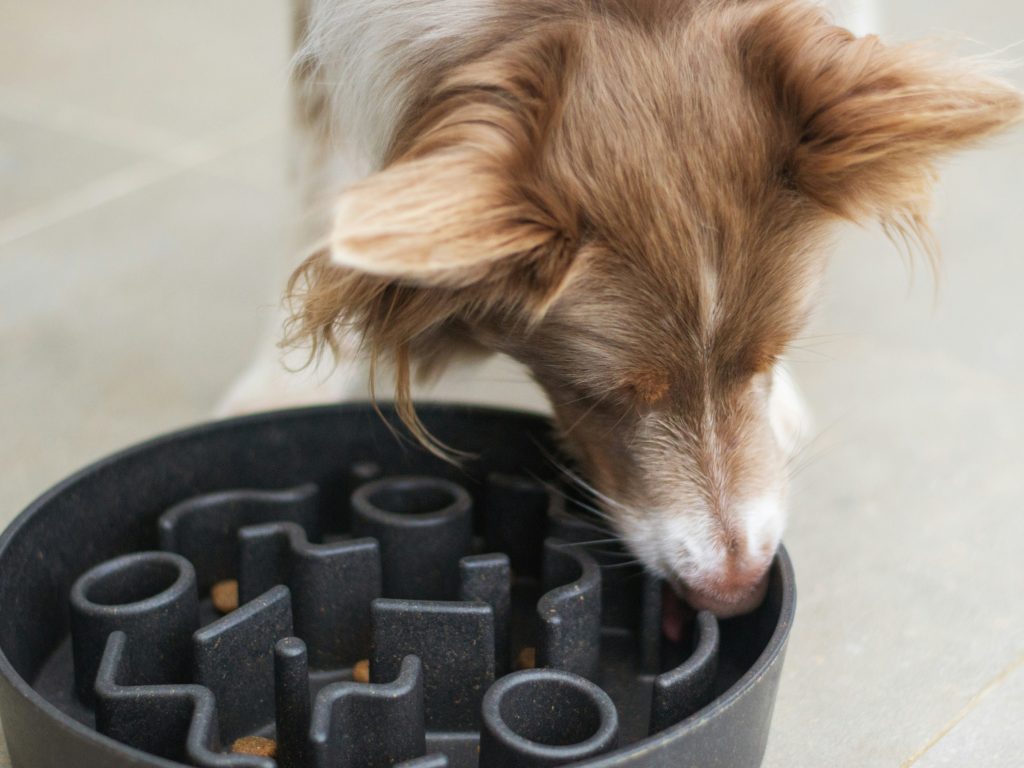
- Interactive Toys: These stimulating tools encourage problem-solving and movement. For instance, puzzle toys that dispense treats can capture your pet’s attention and hone their cognitive skills. Brands like Kong offer various options that engage pets for extended periods, ensuring they have fun while learning.
- Agility Training: Transform your backyard into a miniature agility course filled with tunnels, hurdles, and weave poles. This setup not only makes routine commands, such as “sit” and “stay,” exciting but also builds your pet’s confidence as they conquer each new obstacle. Local agility clubs often offer classes that can enhance this experience.
- Learning Through Tricks: Teaching tricks such as roll over or play dead can be both entertaining and a means of reinforcing obedience. Pairing these commands with playful tones or songs can keep sessions lively and engaging, turning every lesson into a performance that your pet enjoys starring in.
Time Management is Key
To maintain effectiveness, it’s essential to keep your play-based training sessions brief and focused. Pets, particularly dogs and cats, have varying attention spans. Aim for sessions of 10-15 minutes to maximize engagement and retention. Structuring these sessions as short bursts allows for concentrated learning without overwhelming your pet. To further enhance their experience, always conclude with a high note—plenty of playtime and treats to celebrate their accomplishments.
Incorporating Positive Reinforcement
While play is a centerpiece, the importance of positive reinforcement cannot be overstated. Incorporating praise, petting, or treats during and after play can lead to positive behavior reinforcement. This approach not only motivates your pet to continue performing desired actions but also creates a positive association with the training process itself. Employing a joyful tone and enthusiastic body language will strengthen their connection to learning, making every session feel rewarding.
By embracing these engaging methods, you can transform traditional training into an exhilarating game for your pet. It’s essential to recognize what excites and motivates your furry companion, which paves the way for establishing a training routine that is not only effective but also nurtures a healthy, trusting relationship. So gear up to unleash the fun and ignite your pet’s learning experience—they truly deserve every bit of joy that comes with discovery!
| Category | Advantages |
|---|---|
| Engagement | Incorporating play into training sessions significantly enhances pet engagement, making them more enthusiastic about learning tasks or commands. |
| Stress Reduction | Playful training approaches help reduce anxiety in pets, allowing for a calmer and more productive learning environment, fostering better retention of skills. |
| Socialization | Integrating play activities can improve social skills in pets by encouraging interaction with other animals and humans, strengthening their overall behavior. |
| Learning Retention | Playing while learning can lead to higher retention rates of commands and tricks, as pets are more likely to remember actions associated with fun activities. |
Incorporating play into training not only enriches the learning experience but also transforms it into an enjoyable adventure for your pet. This unique approach taps into their innate love for play, allowing for a more significant bond between you and your furry friend while enhancing their learning process. Transitioning from conventional training methods to a playful paradigm can yield remarkable results, capturing interest and enthusiasm. As you explore these methods, you might discover even more benefits and techniques that resonate with your pet’s unique personality and preferences, creating an individualized learning journey that is both efficient and delightful.
DISCOVER MORE: Click here for insights on identifying and treating pet allergies
Enhancing the Learning Atmosphere
Creating an environment conducive to play-based training is vital in ensuring that learning sessions are both effective and enjoyable. The atmosphere you cultivate during training can make a significant difference in your pet’s willingness to engage with you and learn new skills. Here are a few strategies to enhance your training environment:
Utilizing the Right Space
Choosing the right location for your training sessions can elevate the experience for your pet. An area that is free from distractions, such as a calm backyard or a quiet room, can allow your pet to focus entirely on learning. However, as your pet becomes more comfortable, gradually introducing them to more distracting environments—like a park or a busy living room—can refine their skills in real-world scenarios. This practice not only promotes adaptability but reinforces your authority as a trainer.
Incorporating Variety
To keep things fresh and exciting, regularly mix up play activities. Rotating through a selection of games and training exercises can prevent boredom and maintain your pet’s interest. Try integrating elements of surprise, such as introducing new toys or using unexpected rewards, which can maximize their curiosity and enthusiasm. For instance, a game of hide-and-seek can help reinforce recall commands, while also providing a fun, stimulating challenge. Notably, interactive fetch games where you alternate the type of fetch items—like soft toys or balls—can create a versatile training regimen.
Recognizing Individual Preferences
Every pet has unique tastes, and recognizing these preferences is essential for effective training. Engaging with your pet’s favorite activities can significantly boost their motivation to learn. Whether your pet enjoys tug-of-war, chasing bubbles, or playing in water, integrating these interests into your training can facilitate a more enjoyable experience. For example, if your dog is a water lover, consider teaching them to retrieve toys tossed into a kiddie pool. This combination of play, exercise, and learning can be incredibly rewarding and reinforce positive behavior.
The Role of Socialization
Socialization is another critical aspect that can enhance training sessions. Introducing your pet to other friendly animals or allowing them to play with other pets in a controlled manner can improve their communication skills and behavior. This engagement not only fosters friendly competition, making learning a group effort, but also provides an excellent opportunity for practice with commands like “come,” “stay,” and “leave it.” Additionally, group playdates or attending puppy classes can facilitate social growth while integrating play with learning, making training a shared endeavor.
Monitoring Progress
Keeping track of your pet’s progress during play-based learning can provide insights into their growth and areas needing improvement. Documenting your pet’s responses, challenges, and achievements can help tailor your training strategies for maximum effectiveness. Digital diaries or smartphone apps designed for pet training can make this process convenient and interactive. Moreover, visual rewards, such as photo milestones or personalized certificates for completed tricks, can serve as a motivational tool that encourages ongoing participation.
Through thoughtful consideration of the environment, individual preferences, and the social aspect of training, pet owners can develop strategies that promote constructive and enjoyable learning experiences. Beyond enhancing obedience and skills, these methods create a joyful and meaningful journey for both pet and owner, solidifying their bond in the process.
DON’T MISS: Click here to learn how to spot illness in your pets
Conclusion: The Joy of Learning Through Play
Incorporating play into training offers a transformative approach to teaching our beloved pets. By blending fun with learning, pet owners not only enhance their animal’s skills but also deepen their emotional connection. Recognizing the individuality of each pet is crucial; tailoring training methods to align with their preferences leads to a more engaging and effective learning experience.
Another key factor is the environment where training takes place. Creating a positive atmosphere that is free from distractions can significantly improve focus, while introducing varied activities can keep pets motivated and excited to learn. Additionally, fostering social interactions during play not only helps improve a pet’s behavior but also aids in their overall development.
As pet parents monitor progress and celebrate milestones, they reinforce the bond shared with their furry friends. By documenting achievements and adjusting strategies as needed, owners can cultivate a lifelong love for learning in their pets. Engaging in play-based training serves not just as a method to teach commands or tricks, but as a means to create powerful memories and shared experiences.
Ultimately, the journey of play-infused training is not simply about obedience; it’s about nurturing a happy, well-adjusted pet. With patience, creativity, and enthusiasm, any training session can evolve into a delightful adventure, proving that learning can indeed be a joyful part of life for both pets and their owners.