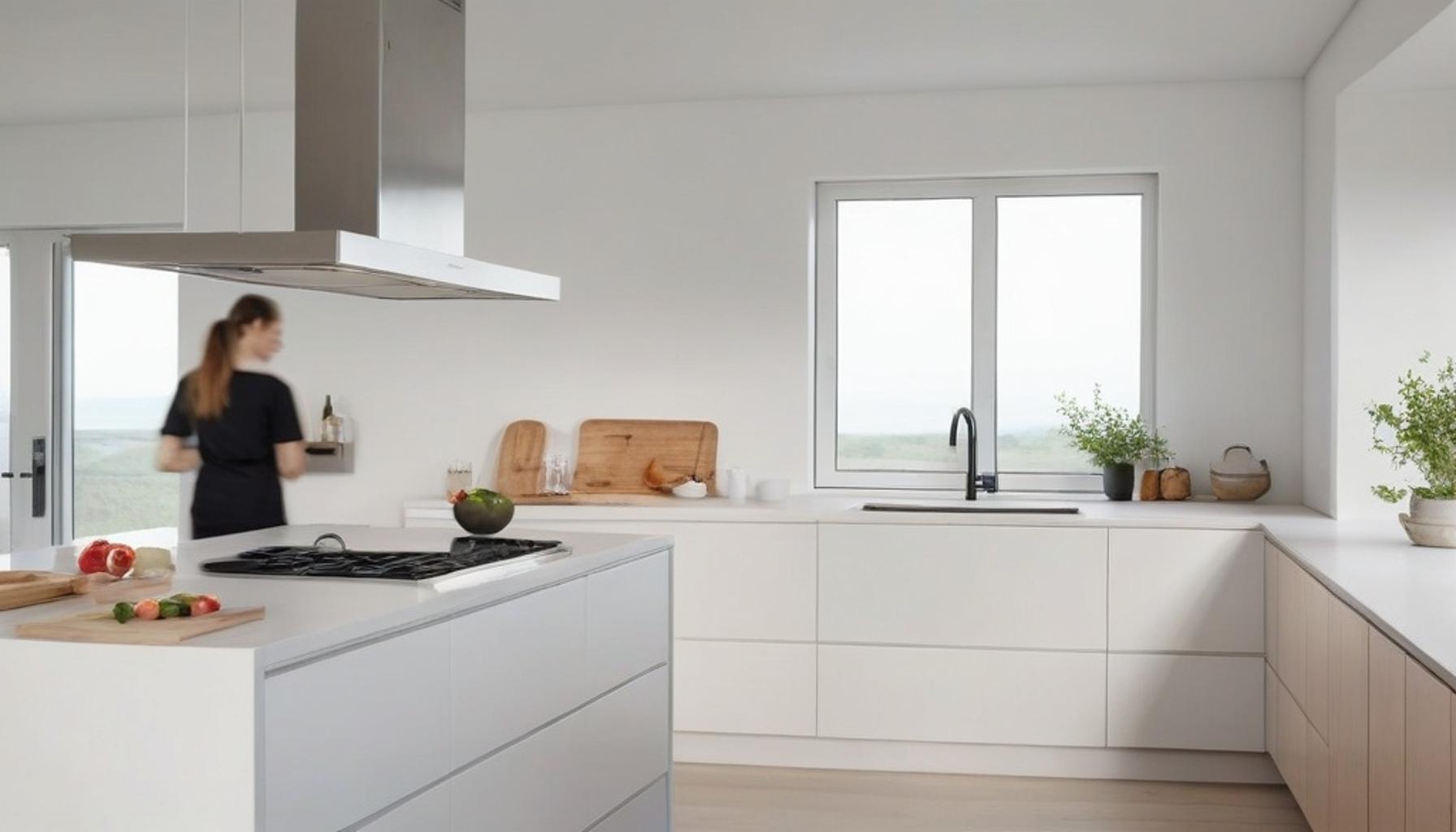
The Importance of Automation in Creating Efficient Systems for a Minimalist Lifestyle
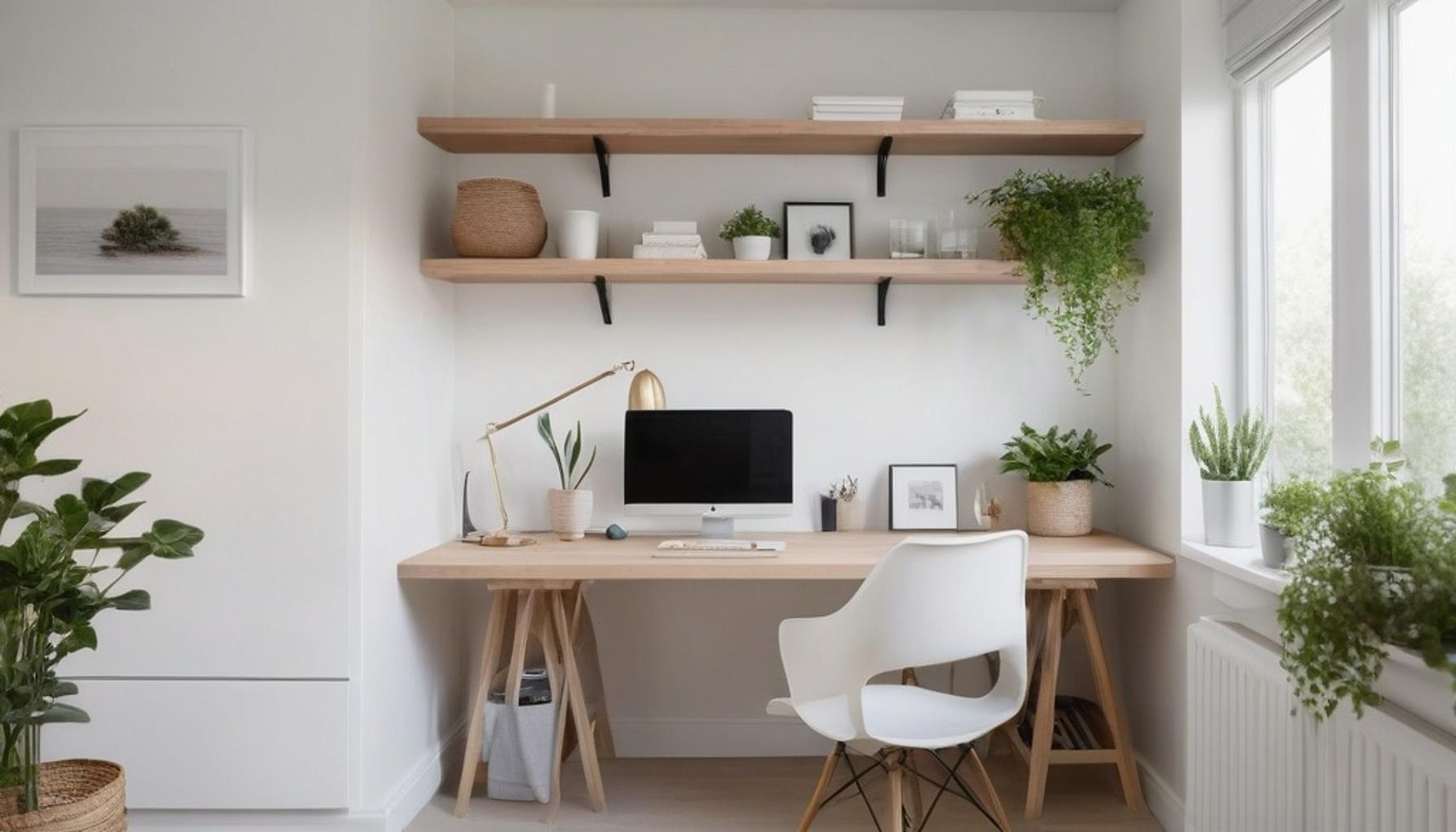
The Role of Smart Systems in Modern Living
Imagine entering a space where everything functions seamlessly—your coffee brews automatically, your bills are paid on time, and household clutter never accumulates. This isn’t a fantastical vision of the future; it reflects a growing trend among Americans who are fully embracing Automation for Minimalist Lifestyle as a fundamental approach. From charming tiny homes in Portland to sleek, downsized apartments in bustling New York City, individuals are recognizing that technology can complement rather than contradict a simpler way of life.
Recent studies provide compelling evidence of the need for such innovations. The average U.S. household reportedly spends over 13 hours each week managing routine chores and decision-making, a significant time investment that often leads to stress and overwhelm. This is precisely where automation becomes invaluable, transforming the chaos of everyday duties into efficient systems for minimalism that quietly enhance daily life.
What This Article Will Explore
While minimalism has traditionally focused on intentional living through decluttering, the modern interpretation requires an intelligent infrastructure. This infrastructure not only supports a lifestyle with fewer possessions but also alleviates mental load and enhances overall well-being.
- How minimalist living automation tools can significantly reduce daily decision fatigue, allowing you to channel your energy into more fulfilling activities.
- The direct connection between smart technology and the concept of reduced consumption, illustrating how automation can lead to less waste.
- Real-world examples of automated systems, such as smart thermostats and robotic vacuum cleaners, that save both time and money for homeowners across America.
- Step-by-step guidance on how to automate a minimalist home, making the transition smooth and manageable for everyone.
The benefits of automation in lifestyle design extend far beyond mere convenience. They create physical and mental space, enabling individuals to focus on what truly matters—family, hobbies, and personal growth. This guide aims to provide practical automation tips for minimalists eager to create a home that prioritizes smart solutions over cumbersome tasks, ultimately paving the way for a richer and more meaningful life experience.
LEARN MORE: Implementing Minimalist Organization Systems in Small Spaces
Breaking Down the Psychology of Decision Fatigue
Every choice you make—from what to wear to when to pay the electric bill—draws from a finite reservoir of mental energy. Psychologists call this decision fatigue, and it’s one of the primary reasons Americans feel perpetually exhausted despite fewer physical tasks than previous generations. This is where Automation for Minimalist Lifestyle proves its worth, quietly absorbing the small decisions that drain us throughout the day.
Consider this: researchers at Cornell University found that the average adult makes approximately 35,000 decisions daily. Most are trivial, yet each one chips away at cognitive resources needed for more meaningful choices. A minimalist approach reduces the number of possessions requiring decisions, but automation goes a step further by eliminating the decision entirely.
How Automation Rewires Daily Routines
Picture a household in Austin, Texas, where smart plugs automatically shut off appliances at 10 p.m., a robot vacuum cleans while residents are at work, and grocery lists populate themselves based on consumption patterns. None of these actions require conscious thought once the system is established. This is the essence of efficient systems for minimalism—infrastructure that works silently in the background.
Several categories of automation have emerged as particularly effective for those pursuing simplified living:
- Financial automation: Scheduled bill payments, automatic savings transfers, and subscription audits that prevent unnecessary spending.
- Household maintenance: Robotic cleaners, smart irrigation systems, and self-adjusting thermostats that regulate energy without manual input.
- Digital organization: Cloud-based file systems and automated backups that eliminate paper clutter and physical storage needs.
- Meal planning tools: Apps that generate shopping lists based on dietary preferences, reducing food waste and last-minute takeout orders.
What makes these minimalist living automation tools particularly compelling is their compounding effect. A 2023 survey by the American Cleaning Institute revealed that households using at least three automated systems reported 27% less perceived stress related to home management compared to those relying entirely on manual routines.
This isn’t about accumulating more gadgets—a contradiction minimalists rightfully avoid. Instead, it’s about strategically selecting tools that replace repetitive labor with reliable, low-maintenance systems, freeing both physical space and mental bandwidth for pursuits that genuinely enrich daily life.

| Aspect | Details |
|---|---|
| Effective Resource Management | Automation for Minimalist Lifestyle minimizes waste, allowing for careful management of both time and materials. |
| Time Savings | Automating daily tasks frees up time for personal interests, enhancing overall fulfillment in minimalist living. |
| Clutter Reduction | Tools that automate organization help maintain a streamlined environment, reducing physical and mental clutter. |
| Streamlined Processes | Efficient systems for minimalism created through automation improve productivity and simplify routines within the home. |
RECOMMENDED: Integrating Minimalist Principles into Daily Routines for Enhanced Efficiency
From Concept to Reality: Building Your Automated Minimalist Framework
Understanding the theory behind Automation for Minimalist Lifestyle is one thing; implementing it is another. The transition requires a deliberate audit of daily friction points before introducing any technology into the equation.
Start by tracking repetitive tasks for one week. Note every chore performed more than twice—watering plants, reordering paper towels, transferring funds to savings. This exercise reveals where automation delivers the highest return on investment, rather than adopting tools indiscriminately.
A Practical Roadmap for How to Automate Minimalist Home Systems
Homeowners in cities like Seattle and Denver have adopted a tiered approach to automation, prioritizing systems by impact rather than novelty. This method prevents the common trap of over-purchasing smart devices, which contradicts minimalist principles entirely.
- Tier one—essentials: Automated bill pay, programmable thermostats, and recurring grocery delivery for staple items.
- Tier two—efficiency boosters: Smart lighting schedules, robotic vacuums, and password managers that eliminate repetitive logins.
- Tier three—optimization: Voice-activated routines, automated investment rebalancing, and calendar systems that block focus time automatically.
According to a 2022 report from the Consumer Technology Association, households implementing tiered automation strategies reported spending 40% less time on household administration within six months, compared to those who adopted devices randomly without a structured plan.
Automation Tips for Minimalists Who Fear Tech Overload
A common misconception is that automation requires extensive gadgetry, cluttering the very spaces minimalists work hard to simplify. In reality, many of the most effective minimalist living automation tools operate invisibly through existing smartphones, requiring no additional hardware.
Bank apps, for instance, now offer automatic round-up savings features, rounding purchases to the nearest dollar and depositing the difference into investment accounts. This single feature, when activated, generated an average of $620 in annual savings for users, according to 2023 data from Acorns, without requiring any ongoing manual input.
Email management represents another overlooked opportunity. Setting automatic filters and unsubscribe rules can eliminate hours spent sorting inboxes weekly. Combined with scheduled “do not disturb” periods, this creates a digital environment as decluttered as a minimalist’s physical living room.
The benefits of automation in lifestyle design extend beyond convenience—they create measurable psychological relief. A Stanford Behavioral Lab study found that participants using at least two automated financial tools reported significantly lower anxiety scores related to money management, even when their actual account balances remained unchanged.
This suggests that automation’s value isn’t purely functional. It reshapes how individuals relate to their obligations, transforming dreaded tasks into background processes that no longer demand emotional or mental engagement.
The Bigger Picture: Why Automation and Minimalism Are a Natural Pair
The intersection of technology and simplicity might seem contradictory at first glance. Yet the evidence gathered throughout this discussion points to a clear conclusion: Automation for Minimalist Lifestyle design isn’t about accumulating more devices—it’s about subtracting the mental load that comes with manual upkeep.
From tiered home systems in Denver to invisible savings tools embedded in banking apps, the common thread is intentionality. Every automated process discussed here serves a singular purpose: freeing attention for what actually matters, rather than what merely demands attention.
Rethinking Efficiency Beyond Convenience
Building efficient systems for minimalism requires resisting the urge to automate everything at once. The households that succeed long-term are those that audit first, then implement selectively, treating each new tool as a deliberate choice rather than a impulsive purchase.
This distinction matters because the benefits of automation in lifestyle transformation aren’t just measured in hours saved. They’re reflected in reduced anxiety, fewer decisions fatigue, and a home environment that supports focus rather than fragmenting it.
Looking ahead, the most effective minimalist living automation tools will likely become even less visible, integrating deeper into daily routines without requiring constant oversight. Financial institutions, smart home manufacturers, and productivity app developers are already racing to build systems that anticipate needs before users articulate them.
For anyone still wondering how to automate minimalist home systems without overwhelming their space, the answer lies in starting small: one financial tool, one household task, one digital filter at a time. Mastering these foundational automation tips for minimalists creates momentum, proving that simplicity and smart technology were never opposing forces—they were always meant to work together.
Frequently Asked Questions
How can automation simplify daily tasks in a minimalist lifestyle?
Automation can help simplify daily tasks by streamlining repetitive activities, allowing individuals to focus on what truly matters. For example, setting up automated bill payments or using smart home devices can reduce the mental clutter associated with managing everyday responsibilities.
What types of automation tools are best suited for minimalists?
Minimalists often benefit from tools that consolidate multiple functions, such as task management apps that integrate calendars and reminders. Other useful automation tools include home automation systems like smart plugs and lights that can be controlled remotely, making it easier to maintain a simple and efficient living space.
Can automation help reduce physical clutter in a minimalist home?
Yes, automation can significantly reduce physical clutter by managing tasks that traditionally require physical items. For instance, digital documentation replaces paper files, and automated inventory apps help track belongings, encouraging minimalism by facilitating regular decluttering.
Is there a risk of becoming overly dependent on automation in a minimalist lifestyle?
While automation enhances efficiency, there’s a risk of becoming overly dependent on technology to manage simple tasks. It’s important to strike a balance and ensure that the tools used support the minimalist philosophy rather than complicate it, maintaining a purposeful and conscious approach to living.
How can I start incorporating automation into my minimalist lifestyle without feeling overwhelmed?
Start small by identifying one or two areas of your life where automation could save time or reduce stress, such as scheduling reminders for tasks or automating grocery lists. Gradually expand your use of automation as you become more comfortable, focusing on tools that align with your minimalist principles and enhance your quality of life.

Linda Carter
Linda Carter is a writer specializing in minimalism and personal organization. With extensive experience helping readers create more functional and balanced routines, she shares practical advice on decluttering, organizing spaces, simplifying daily tasks, and making more intentional choices. Her goal is to offer clear guidance and accessible strategies that help people reduce excess, improve their surroundings, and enjoy a calmer, more organized lifestyle.