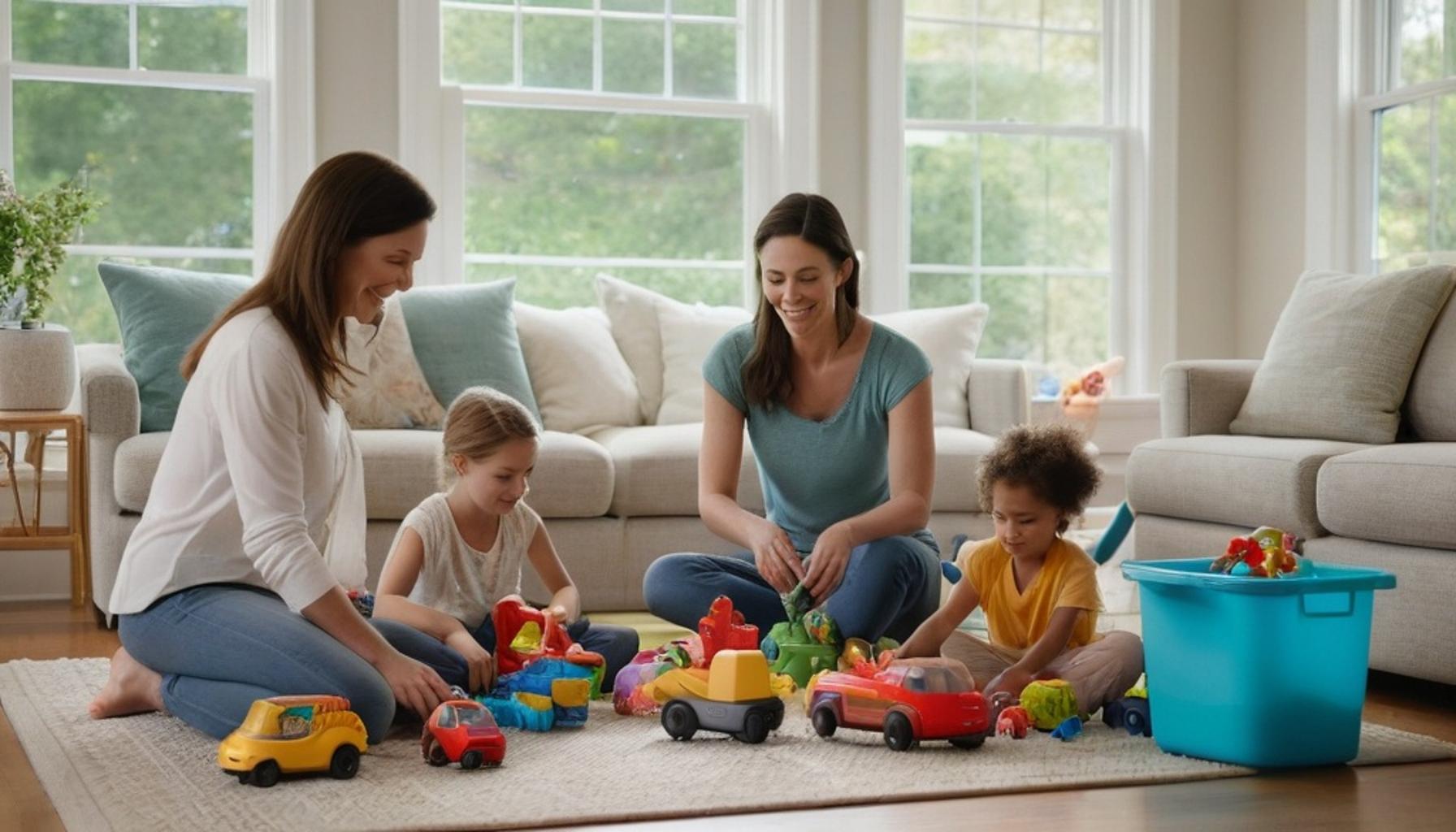
Effective Decluttering Techniques for a Minimalist Lifestyle: How to Start and Maintain a Clutter-Free Home
Understanding the Hidden Costs of Clutter
The staggering statistic that the average U.S. household contains over 300,000 items reveals just how overwhelming domestic clutter can be. With self-storage facilities flourishing into a $39 billion industry, it is evident that the accumulation of possessions is a common struggle, often resulting in unintended financial and emotional consequences.
Many people can relate to the chaos that arises when a junk drawer morphs into what can only be described as a junk room. This phenomenon is not an isolated issue but rather a widespread concern affecting millions of Americans who are now seeking effective decluttering techniques. Instead of quick-fix weekends of tossing items haphazardly, families are eager to find sustainable solutions that can maintain order over the long term.
The Rise of Minimalism as a Lifestyle Choice
Minimalism has transcended from a mere trend popularized on social media platforms like Pinterest to a profound lifestyle choice. It serves as a practical reaction to rampant overconsumption, surging rents in urban areas, and the mental fatigue associated with managing an overwhelming array of possessions.
Embracing a minimalist lifestyle can yield a plethora of benefits, extending far beyond appearances. These rewards include:
- Reduced anxiety and improved focus: Research in environmental psychology indicates that a clutter-free environment significantly lowers stress levels, fostering clarity of thought and increased productivity.
- More disposable income: By buying less and opting to resell unused items, families can create a budget that allows for more financial freedom.
- Easier cleaning routines: Maintaining a streamlined living space not only simplifies cleaning but can also result in lower home maintenance costs, as less wear and tear occurs over time.
- A smaller environmental footprint: Mindful consumption promotes sustainability, as fewer items lead to reduced waste and a more eco-conscious approach to living.
What This Guide Will Cover
Discovering how to declutter your home involves more than simply discarding possessions. It is about developing sustainable habits that actively prevent clutter from taking hold again.
This comprehensive article offers insights into proven clutter-free living strategies, featuring methods for organizing each room and daily habits designed to avert regression into chaos. Additionally, you will find practical tips for minimalism tailored specifically for American households, recognizing that the idealized visions of empty spaces do not reflect real-life environments.
Regardless of whether you reside in a bustling downtown apartment or a spacious suburban house, these strategies for organizing your space are crafted to be practical, manageable, and life-altering, paving the way for a more harmonious and fulfilling living experience.
DISCOVER: Click here to dive deeper
Starting Small: The Psychology Behind Effective Decluttering Techniques
Before diving into specific rooms or categories, understanding the psychology of clutter accumulation is essential. Behavioral researchers have identified that most Americans hold onto possessions due to what is known as the “endowment effect,” a cognitive bias causing people to overvalue items simply because they own them.
This explains why that never-worn sweater from three winters ago still occupies precious closet space. Recognizing this bias is the first step toward mastering decluttering techniques that actually stick, rather than falling back into old patterns within weeks.
The 20/20 Rule and Other Proven Starting Points
One of the most practical minimalist lifestyle tips gaining traction among professional organizers is the 20/20 rule. The concept is simple: if an item costs less than $20 and could be replaced within 20 minutes, it is generally safe to let go of it.
This approach removes the paralysis often associated with decision fatigue, a real phenomenon that causes many decluttering attempts to stall halfway through a closet or garage.
For those wondering exactly how to declutter your home without feeling overwhelmed, experts recommend starting with these manageable categories rather than tackling entire rooms:
- Duplicate items: Kitchen gadgets, chargers, and office supplies often exist in triplicate without anyone noticing.
- Expired or outdated products: Pantry goods, cosmetics, and medications past their shelf life offer quick, guilt-free wins.
- Clothing unworn for 12 months: Seasonal rotation makes this category easy to evaluate objectively.
- Broken or incomplete items: That puzzle missing pieces or the blender with a cracked base rarely gets fixed.
Why Momentum Matters More Than Perfection
Data from professional organizing firms suggests that households attempting a single, exhaustive decluttering weekend have a relapse rate of nearly 60% within six months. In contrast, incremental approaches spread over several weeks show significantly higher long-term success.
This finding reshapes how Americans should think about clutter-free living strategies. Rather than viewing decluttering as a one-time event, it becomes an ongoing practice, similar to budgeting or meal planning.
Building this habit gradually, even dedicating just 15 minutes daily to organizing your space, creates lasting change without the burnout that derails so many well-intentioned efforts.
DISCOVER MORE: Click here to dive deeper
# Room-by-Room Strategies That Make Minimalism PracticalOnce the psychological groundwork is laid, applying targeted decluttering techniques to specific spaces becomes far less daunting. Each room in a typical American home presents unique challenges, and understanding these nuances helps prevent the common mistake of using a one-size-fits-all approach.Professional organizers consistently point to the kitchen and bedroom closet as the two spaces where clutter accumulates fastest, yet these areas also respond best to structured systems.## The Kitchen: America’s Most Cluttered RoomSurveys from the National Association of Productivity and Organizing Professionals reveal that kitchens rank as the number one clutter hotspot in American households, ahead of even garages and basements.This happens because kitchens serve multiple functions simultaneously: cooking, mail sorting, homework stations, and storage for appliances used only once a year.For anyone researching how to declutter your home starting with this room, consider these targeted steps:
- Empty one drawer completely: Only return items used within the past month.
- Audit small appliances: That bread maker or panini press often sits untouched after the initial excitement fades.
- Consolidate food storage containers: Most households own far more lids than matching bases.
## Bedroom Closets and the 80/20 Wardrobe PrincipleFashion industry data indicates that Americans wear roughly 20% of their wardrobe 80% of the time, a pattern mirroring the broader Pareto principle found throughout consumer behavior studies.This statistic offers a powerful entry point for anyone exploring minimalist lifestyle tips related to clothing. Rather than agonizing over each garment, try the hanger-reversal method: turn all hangers backward, then flip them forward only after wearing an item. After 90 days, anything still facing backward becomes an obvious donation candidate.## Digital Clutter: The Overlooked FrontierModern clutter-free living strategies must extend beyond physical possessions. The average American smartphone contains over 80 apps, yet users regularly engage with fewer than 10, according to mobile analytics firms.Email inboxes present a similar problem, with unread counts often climbing into the thousands. Addressing digital clutter alongside physical spaces creates a more comprehensive approach to organizing your space, both literally and mentally.## Maintenance Systems That Prevent BackslidingSustainable tips for minimalism require ongoing systems, not just initial purges. The “one in, one out” rule, where acquiring a new item means removing an existing one, has gained popularity among professional organizers for its simplicity.Similarly, scheduling quarterly mini-audits, perhaps aligned with seasonal changes, helps households catch accumulation before it becomes overwhelming again. This proactive rhythm distinguishes lasting minimalist households from those who declutter repeatedly without ever solving the underlying pattern.
EXPLORE MORE: Click here to learn about mindfulness in minimalist organization
Building a Home That Reflects Intentional Living
Transforming a cluttered house into a minimalist sanctuary rarely happens overnight. As this exploration of decluttering techniques has shown, lasting change comes from combining mindset shifts with room-specific action plans, not from a single weekend purge.
The journey through how to declutter your home reveals a consistent truth: kitchens and closets demand the most attention, while digital spaces quietly accumulate just as much mental weight as physical possessions. Recognizing these patterns early allows households to target their efforts strategically rather than tackling everything at once.
Why Systems Outperform One-Time Efforts
The most successful clutter-free living strategies share a common thread: they rely on repeatable systems rather than motivation alone. The “one in, one out” rule and quarterly seasonal audits prove far more sustainable than sporadic, exhausting cleanouts that leave people burned out by February.
Data from organizing professionals consistently supports this approach. Households that schedule regular maintenance checks report significantly less backsliding than those attempting annual “New Year” resets.
Moving Forward With Confidence
Anyone new to minimalist lifestyle tips should remember that perfection isn’t the goal. Progress, measured in donated bags of clothing or emptied kitchen drawers, matters more than achieving a magazine-worthy, sparse aesthetic overnight.
Consider starting small this week: pick one drawer, one shelf, or even one email folder. From there, the broader principles of organizing your space tend to spread naturally into other areas of life.
Ultimately, tips for minimalism work best when treated as an evolving practice rather than a finished project. The households that thrive long-term are those willing to revisit their systems, adjust to changing needs, and stay curious about what truly adds value to their daily lives.
Frequently Asked Questions
What are some practical decluttering techniques for beginners?
For beginners, the ‘One in, One out’ rule can be very effective; for every new item you bring into your home, consider removing one. Another technique is the ‘Four-Box Method,’ where you label four boxes as trash, donate, keep, and relocate. This helps streamline the decision-making process while decluttering.
How can I maintain a clutter-free home after decluttering?
To maintain a clutter-free home, set aside regular time for quick clean-ups, like a few minutes each day to put things back in their designated places. Implement the habit of reassessing your belongings quarterly to determine what is still needed. Additionally, sticking to minimalist principles when shopping will help prevent future clutter.
Is there a specific order I should follow when decluttering my home?
Many people find success starting in one specific area, such as a room or a category of items, like clothes before moving on to others. The KonMari Method recommends tackling items by category, starting with clothes, then books, papers, miscellaneous items, and finally sentimental items. This focus can help reduce overwhelm and provide a clearer path forward.
What are some emotional challenges I might face during decluttering?
Emotional challenges during decluttering can include attachment to items that hold sentimental value or feelings of guilt when discarding gifts or inherited items. It can be helpful to remind yourself of the benefits of a minimalist lifestyle and to ask if the item brings you joy. Having a support system in place can also make the process easier.

Linda Carter
Linda Carter is a writer specializing in minimalism and personal organization. With extensive experience helping readers create more functional and balanced routines, she shares practical advice on decluttering, organizing spaces, simplifying daily tasks, and making more intentional choices. Her goal is to offer clear guidance and accessible strategies that help people reduce excess, improve their surroundings, and enjoy a calmer, more organized lifestyle.