How to cope with stress and anxiety in pets
Understanding Pet Stress and Anxiety
Being a pet owner comes with its unique joys and challenges. Just like humans, pets can experience stress and anxiety, which can impact their overall well-being. Knowing how to support them is crucial for a harmonious relationship. Understanding the underlying causes of these emotions can empower pet owners to address potential issues effectively.
Common Triggers
Several situations can trigger stress or anxiety in pets, often leading to behaviors that can be concerning for owners. Some of the most common triggers include:
- Changes in routine: Relocating to a new home, welcoming a new family member, or even changes in daily schedules can unsettle pets. For instance, a family moving into a new house may disrupt a dog’s familiar environment, leading to confusion and anxiety.
- Loud noises: Pets can be particularly sensitive to loud sounds, such as thunderstorms, fireworks, or even construction noise. Many dogs, for example, may exhibit panic-like behaviors during a Fourth of July celebration due to the explosive sounds.
- Separation from their owners: Many pets are highly attached to their owners, and being left alone for extended periods can lead to separation anxiety. Signs include excessive barking, pacing, or destructive behavior while the owner is away.
Identifying the signs of stress in your furry friends is the first step towards help. Some common behaviors include:
- Excessive barking or meowing: Vocalizations are often a cry for help, indicating that a pet is feeling overwhelmed.
- Destructive tendencies: Chewing on furniture and scratching may signal that your pet is acting out due to stress.
- Excessive grooming or hiding: Pets may groom themselves more than usual or seek isolation as a way to cope with their anxiety.
Importance of Addressing Anxiety
Addressing your pet’s stress and anxiety is not just about keeping them calm; it can also lead to a healthier and happier life. Pets that are emotionally balanced are likely to respond better to training, build stronger bonds with their owners, and have a reduced risk of health issues. Chronic stress can lead to serious conditions such as obesity, digestive problems, or even aggression.
In this article, you will discover effective strategies to help your pets cope with their anxiety, enabling a peaceful environment for both of you. These strategies may include behavioral therapy, such as working with a certified animal behaviorist, exploring natural remedies like CBD oil or pheromone diffusers, and making simple lifestyle adjustments like creating a safe haven for your pet at home.
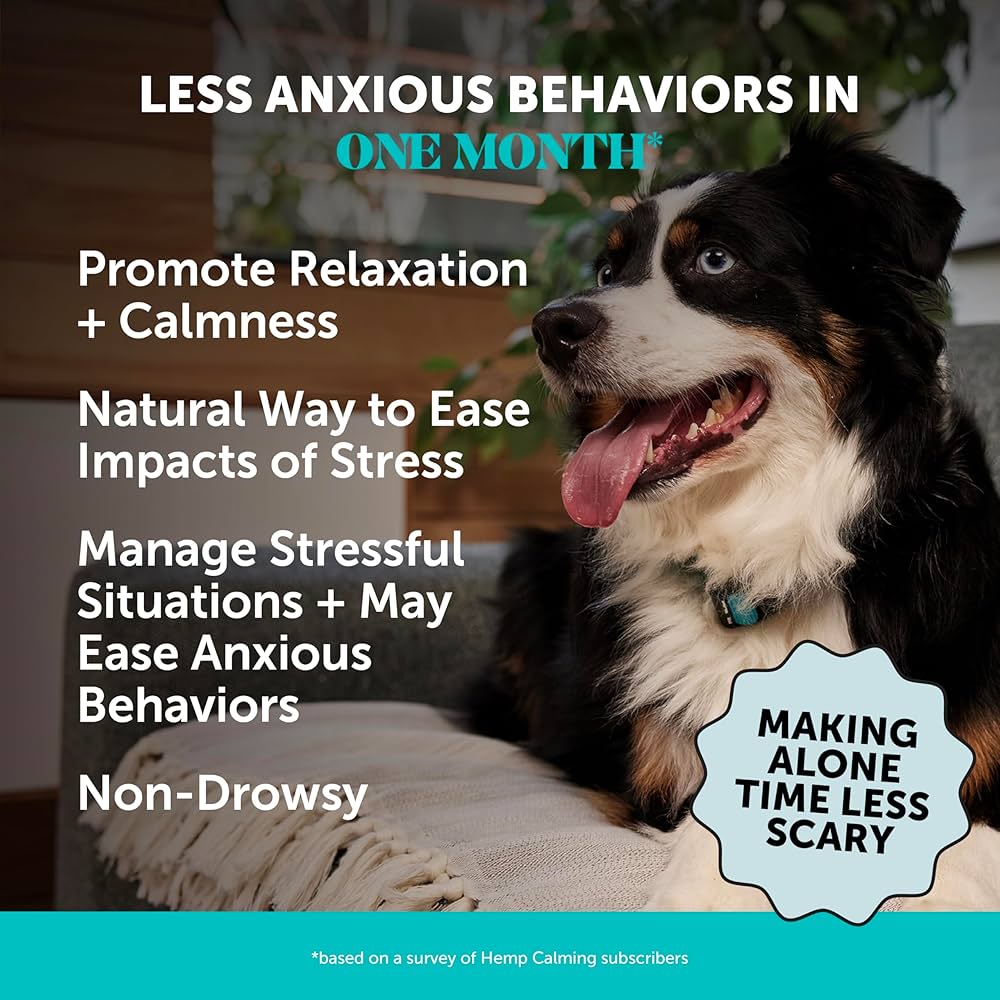
Equipping yourself with these tools not only improves your pet’s quality of life but also enhances the bond you share. Understanding and addressing your pet’s emotional needs is a journey toward a deeper and more fulfilling relationship with your furry companion.
DON’T MISS: Click here to discover essential insights
Effective Strategies for Easing Pet Stress and Anxiety
Once you’ve identified the signs of stress and anxiety in your pet, the next step is to implement effective strategies to help alleviate their discomfort. There is no one-size-fits-all solution, as each pet responds differently to various approaches. However, combining several methods can often yield the best results, creating a calming environment where your pet can feel safe and secure.
Creating a Safe Space
A designated safe space within your home can serve as a sanctuary for your pet during stressful situations. This area should be comfortable and familiar, equipped with their favorite toys, bedding, and limited distractions. Consider a quiet room with minimal foot traffic, where they can retreat and unwind. Setting up a cozy crate can also be beneficial, acting as a den-like environment that provides a sense of security.
Routine and Structure
Pets thrive on routine, so maintaining a consistent daily schedule can help reduce anxiety. Regular feeding times, walks, and play sessions create predictability, making pets feel more in control of their environment. When changes to the routine are necessary, gradual transitions can help mitigate stress. For example, if you need to adjust feeding times, try shifting them in 15-minute increments over several days.
Behavioral Training and Enrichment
Training provides mental stimulation and can significantly reduce anxiety in pets. Positive reinforcement techniques, such as rewarding good behavior with treats or praise, foster a trusting relationship between you and your pet. Engaging in training sessions can also serve as a distraction from stressors, helping your pet focus on their tasks while building confidence.
In addition to training, consider incorporating enrichment activities into your pet’s daily routine. These activities can range from puzzle toys that challenge their intellect to interactive games that stimulate their senses. Activities like hide-and-seek or agility exercises can also act as constructive outlets for their energy and anxiety.
Consulting with Professionals
If your pet’s anxiety persists despite your efforts, consulting a veterinarian or an animal behaviorist may be necessary. These professionals can provide valuable insights and recommend tailored solutions, such as behavioral therapy, training programs, or even medication if required. Behavioral therapy can be particularly effective for pets with severe anxiety, offering targeted strategies to cope with specific triggers.
Natural Remedies and Aids
For those looking for alternative solutions, natural remedies can often provide relief from stress and anxiety. Products such as CBD oil are becoming increasingly popular in the pet world and have shown promise in calming anxious pets. Additionally, pheromone diffusers can help create a calming atmosphere, mimicking scents that trigger relaxation in pets.
- Calming treats: Many brands now offer treats formulated with herbs like chamomile or valerian root to help soothe anxious pets.
- Music therapy: Believe it or not, certain types of music can be calming for pets. Playing soft, classical music may help relax your furry friend.
Understanding the various strategies for managing your pet’s stress and anxiety allows you to cultivate a supportive environment, enabling them to thrive. By taking proactive steps, you are not only enhancing your pet’s well-being but also strengthening the bond you share.
| Category | Description |
|---|---|
| Environmental Enrichment | Provide stimulating toys and activities to keep your pet engaged. |
| Routine and Structure | Maintaining a consistent schedule can alleviate anxiety for pets. |
| Calming Aids | Consider products like pheromone diffusers to create a relaxing environment. |
| Exercise | Regular physical activity can significantly reduce stress and anxiety levels. |
How to Cope with Stress and Anxiety in Pets requires understanding and addressing the various factors that contribute to their emotional well-being. This may include environmental enrichment through interactive toys or engaging activities, which can keep your pet mentally stimulated and less stressed. Establishing a routine helps provide structure, making pets feel more secure in their daily lives. Additionally, calming aids such as adjustments in the environment or calming supplements can enhance their tranquility. Establishing a solid exercise regimen not only maintains physical health but also acts as a natural stress reliever. Understanding these crucial aspects allows pet owners to take actionable steps toward improving their companions’ mental health, encouraging a deeper investigation into effective stress management strategies for pets.
DISCOVER MORE: Click here to dive into inspiring adoption stories
Alternative Approaches for Pet Stress Management
In addition to foundational strategies for easing stress, exploring alternative approaches can offer further relief for anxious pets. These methods not only promote relaxation but also encourage a deeper connection between you and your furry friend. Embracing a combination of conventional and holistic techniques can create a robust toolkit for managing pet anxiety.
Mindfulness and Relaxation Techniques
Just as humans benefit from mindfulness practices, pets can also experience the calming effects of relaxation techniques. One method is to engage your pet in guided relaxation sessions. This can involve gentle petting, soothing vocal tones, and quiet environments. Try to create a routine during which both you and your pet engage in deep breathing exercises together, reinforcing a shared sense of tranquility. This approach can help de-stress both of you, illustrating the profound bond you share.
Aromatherapy for Pets
Aromatherapy is another effective strategy in the realm of stress management for pets. Utilizing pet-safe essential oils, such as lavender or chamomile, can foster a calming environment. Diffusing these scents in their safe space can promote relaxation, easing symptoms of anxiety. Always ensure that any oils you choose are non-toxic to pets, as certain essential oils can be harmful to animals. Consultation with a veterinarian can guide selection and application of these aromatics.
Exercise and Outdoor Activities
Physical activity plays a crucial role in reducing pet anxiety. Regular exercise not only promotes general mental and physical health but also releases serotonin, the “feel-good” hormone. Consider incorporating daily walks, playdates with other pets, or engaging in interactive sports such as fetch or frisbee. Moreover, outdoor adventures—whether hiking, swimming, or exploring new parks—can serve as excellent outlets for built-up energy and nervousness, providing new stimuli to keep them engaged and happy.
Engaging with Technology
The rise of technology offers new ways to ease pet anxiety, such as the use of pet monitoring devices. These gadgets can provide peace of mind for pet owners by allowing them to check in on their pets remotely, ensuring they feel safe when left alone. Some devices even allow for two-way interaction, letting owners reassure their pets with their voice, which can help in lessening anxiety when separated.
Socialization Opportunities
Socialization can play a vital role in reducing anxiety in pets. Exposing your pet to new environments, people, and other animals helps them feel more secure and adaptable. Enroll your pet in group classes, dog parks, or pet-friendly events where they can interact positively with their surroundings. This interaction not only boosts confidence but also introduces them to a variety of experiences, helping to mitigate stress related to unfamiliar situations.
Nutrition and Diet Considerations
The food you provide your pet can also impact their stress levels. Certain diets rich in omega-3 fatty acids, such as fish oil, may contribute to better mental health. Incorporating ingredients known for their calming effects—like sweet potatoes or turkey—can further aid in stress reduction. Consulting with a veterinarian about a well-balanced diet tailored to your pet’s specific needs can provide overall health benefits and potentially reduce anxiety symptoms.
- Hydration: Ensure your pet stays hydrated, as dehydration can contribute to feelings of stress.
- Probiotics: Consider adding probiotics to your pet’s diet, which can promote gut health and have been linked to improved mood.
Exploring these alternative approaches can help you discover effective ways to address the needs of your anxious pet. With patience, dedication, and a willingness to experiment, you can create a nurturing environment that allows your pet to flourish free from stress and anxiety.
DISCOVER MORE: Click here to learn about hydration for pets
Conclusion: Nurturing a Stress-Free Environment for Your Pet
Addressing stress and anxiety in pets is a multifaceted endeavor that requires an understanding of your pet’s unique needs and behaviors. As we have explored, a combination of traditional and alternative approaches can significantly enhance their well-being. By implementing essential strategies such as creating a safe sanctuary, engaging in regular exercise, and providing nutritional support, you can foster an environment that promotes tranquility.
Beyond these foundational methods, integrating mindfulness practices and exploring aromatherapy can create a soothing atmosphere for your furry companion. Additionally, embracing modern technology, including pet monitoring devices, can reassure both you and your pet during times of separation. The value of socialization cannot be overstated; exposing your pet to varied experiences will help build their confidence in the world around them.
As a responsible pet owner, it’s essential to recognize that some level of anxiety may be inherent in your pet’s nature. However, with dedication and a willingness to adapt your approach, you can significantly reduce their stress levels. Always consult with a veterinarian for tailored recommendations that suit your pet’s specific circumstances. By prioritizing their emotional health, you’re not only enriching their lives but also strengthening the bond you share. The journey toward a stress-free life for your pet is one of compassion, patience, and above all, love.