How to Create a Safe and Healthy Environment for Pets at Home: Essential Tips
Creating a Safe Haven for Your Pets
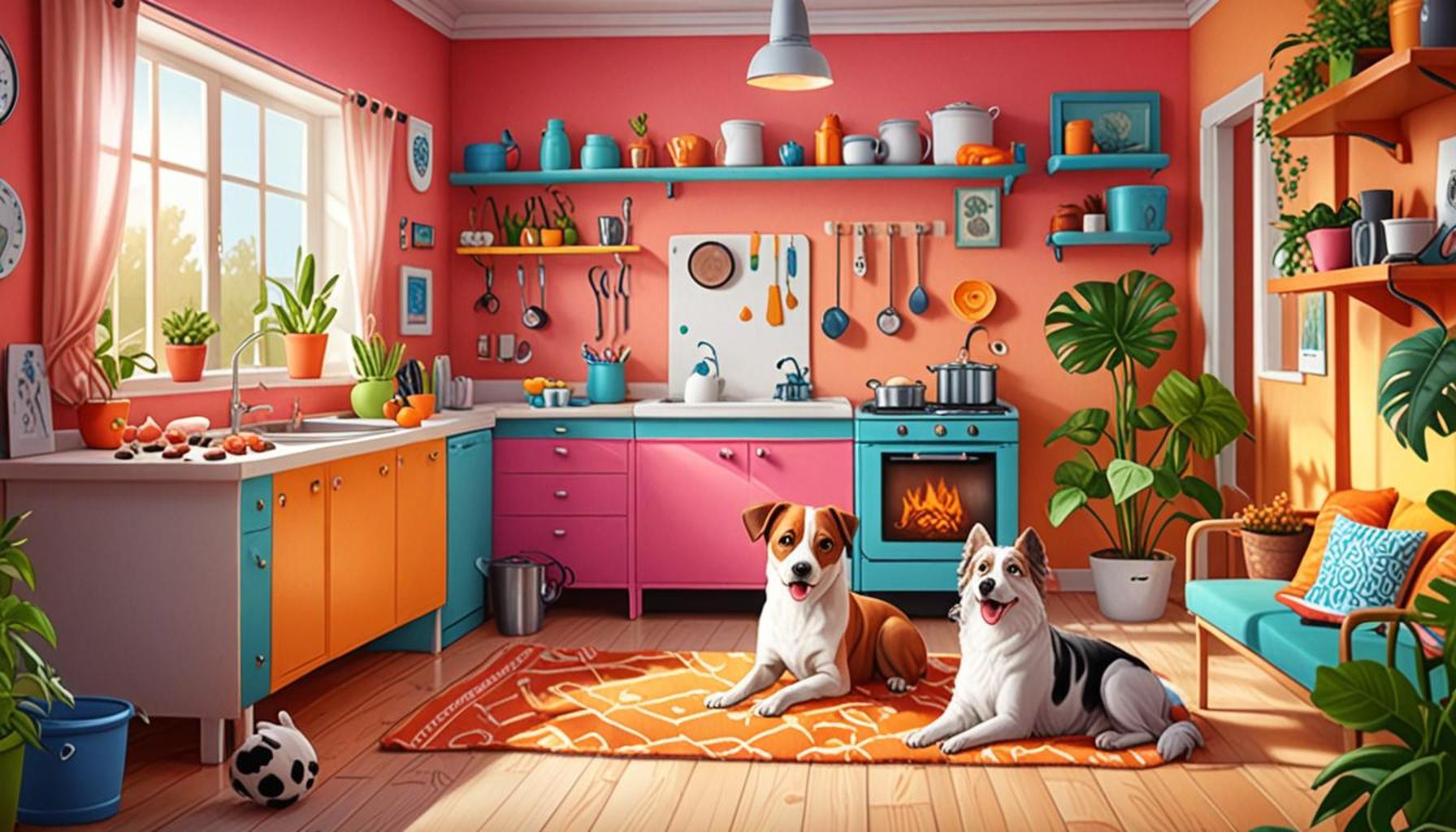
Your home should be a sanctuary, not only for yourself but also for your beloved pets. Ensuring their safety and health is crucial for harmonious coexistence. Adopting some simple yet effective methods can significantly improve your pets’ quality of life and make your home a welcoming environment for your furry family members.
Identifying Household Hazards
Taking the time to identify and eliminate potential dangers in your home is the first step towards creating a safer environment for your pets. Common household hazards include:
- Toxic Plants: Many plants, such as lilies and philodendrons, are harmful to pets if ingested. Conducting research on houseplants is a proactive way to protect your animals.
- Exposed Wires: Pets are naturally curious, and exposed cords can be an invitation for chewing. Using cord protectors or organizing wires can help mitigate this risk.
- Small Objects: Ensure that small items, such as coins, batteries, and even small toys, are out of reach to prevent choking hazards.
Maintaining a Clean Environment
A clean environment plays a crucial role in the well-being of your pets. Regular cleaning helps reduce allergens and lower the risk of infections. Here are a few recommendations:
- Regular Disinfection: Use pet-safe disinfectants on floors, surfaces, and areas where your pets frequently spend time.
- Vacuuming and Dusting: Keeping your living space free from pet hair and dander can help manage allergies and improve air quality.
Creating Secure Spaces
Providing a secure space for your pets is essential for their safety. This includes:
- Limiting Access: Keep pets out of garages, basements, or workshops that store hazardous chemicals, sharp tools, or heavy items that could fall.
- Supervised Outdoor Time: If you plan to let your pets outside, always supervise them to prevent accidents or escapes.
Encouraging Mental Stimulation
Additionally, creating a stimulating environment helps keep your pets mentally healthy. Engaging activities are crucial for preventing boredom and reducing stress. Consider the following:

- Interactive Toys: Invest in toys that challenge your pets mentally and physically, such as puzzle feeders or toys that dispense treats.
- Safe Outdoor Areas: If you have a yard, ensure it is securely fenced and free from harmful plants. A well-maintained yard offers a great play area for your pets.
Routine Vet Visits
Finally, understanding the needs of your pets fosters a happier, healthier home. Schedule regular check-ups with your veterinarian to monitor your pet’s health and catch any issues early. Vaccinations, preventive treatments, and nutrition advice can vastly improve their quality of life.
By implementing these essential tips, you can create a nurturing space that supports your pets’ well-being and enriches your life together. Taking proactive steps to ensure their safety and happiness will benefit both you and your four-legged friends.
DISCOVER MORE: Click here to learn innovative techniques
Assessing Safety: The First Steps Toward a Pet-Friendly Home
Creating a safe and healthy environment for your pets begins with a thorough assessment of your living space. Pets are often curious explorers, and their inquisitive nature can lead them into potentially dangerous situations. Understanding the most common risks and how to mitigate them is essential for their safety and well-being.
Recognizing Dangerous Areas
Start by identifying areas within your home that may pose risks to your pets. Here are some common spaces and items to watch out for:
- Kitchen Hazards: The kitchen can be a minefield of hazards for pets. Sharp utensils, hot surfaces, and food waste are all dangers. Make sure to always keep kitchen counters free of food items and be mindful of where you leave your cutting boards and knives.
- Bathroom Risks: Cleaning supplies and personal care products can be toxic. Watch out for items like disinfectants, toothpaste, and medications. Store these out of reach or in locked cabinets to prevent accidental ingestion.
- Garage and Workshop Dangers: Many homeowners use garages as storage spaces for dangerous chemicals, tools, and equipment. Since these are typically unmonitored areas, make sure to keep the door closed and secure all hazardous materials in high cabinets.
Pet-Proofing Your Living Space
Once you have identified potential dangers, the next step is to pet-proof your home effectively. Implementing a few simple strategies can make a world of difference:
- Install Safety Gates: If you have specific areas of your home that should be off-limits, consider installing safety gates. These can help prevent your pets from wandering into hazardous spaces, like staircases or rooms filled with cleaning products.
- Secure Trash Cans: Pets are notorious for rummaging through garbage. Choose trash cans with secure lids or store your waste bins in cabinets to avoid ingestion of harmful substances.
- Hide or Cover Cords: As mentioned earlier, exposed cords are an invitation for chewing. Ensure all cords are tucked away or covered to deter your pets from gnawing on them and placing their health at risk.
Creating a Pet-Friendly Layout
The layout of your home can also influence the safety and comfort of your pets. Consider the following tips for a pet-friendly environment:
- Designate a Play Area: Create a special area for your pets filled with their toys and beds. This gives them a sense of ownership and a safe place to retreat.
- Provide Comfortable Resting Spots: Ensure your pets have access to cozy and safe sleeping areas throughout your home, especially in places where you spend a lot of time.
By proactively assessing and modifying your space, you not only protect your pets but enhance their overall quality of life. A few thoughtful adjustments can lead to a safer and more enjoyable environment for both you and your furry companions. Creating a safe and healthy environment for pets at home is essential for their well-being and happiness. Understanding the specific needs of your pets and how to meet them is a crucial step in this process. Here are several important considerations to keep in mind:
Safe Spaces
All pets need designated areas where they can feel secure and relaxed. For dogs, a comfortable bed away from high-traffic areas can serve as a soothing retreat. Cats often appreciate vertical spaces where they can perch and observe their surroundings. Establishing these safe zones can help reduce stress and anxiety in your pets.
Non-Toxic Environment
It’s vital to ensure that your home is free from toxic substances. Many household plants, cleaners, and human foods can be dangerous to pets. Investing in pet-safe plants, using natural cleaning products, and being aware of toxic foods can greatly decrease the risk of accidental poisoning. Providing a safe environment also involves keeping dangerous items like medications and sharp objects out of reach.
Regular Exercise and Play
Physical and mental stimulation is essential for your pets’ health. Regular exercise through walks, play sessions, and interactive toys can prevent obesity and behavioral problems. Tailoring the type and intensity of exercise to your pet’s age and breed is important. For example, active breeds need more vigorous activities compared to less energetic ones.
Routine Veterinary Care
Maintaining your pet’s health with regular veterinary check-ups and vaccinations is crucial for preventing diseases. Keeping detailed records of their health history helps in monitoring their medical needs. An up-to-date vaccination schedule protects them from common pet illnesses, ensuring your furry friend stays healthy and happy.
Proper Nutrition
Providing a balanced diet is another cornerstone of a safe and healthy environment. Consulting with your veterinarian to choose the right food for your pet’s age, size, and health needs can help maintain their overall well-being. Avoid overfeeding and stick to recommended serving sizes to manage their weight and prevent health issues.Each of these elements plays a significant role in creating a nurturing home for pets, promoting their physical health while enhancing their happiness and comfort. Adopting these strategies will not only benefit your pets but will also cultivate a more harmonious living environment for you and your furry companions.
FOR MORE INSIGHT: Click here to learn about socialization for your pets
Essential Elements of a Healthy Living Space for Your Pets
Once you’ve assessed safety and devised a pet-proof layout, the next step is to focus on creating a healthy environment for your furry companions. A pet-friendly home goes beyond safety measures; it also prioritizes the physical and mental well-being of your animals. Let’s explore some key elements that contribute to a healthy living space.
Indoor Air Quality Matters
The air quality in your home is crucial for the health of your pets. Just like humans, pets can suffer from allergies and respiratory issues. Here are some tips to ensure that the air your pets breathe is clean:
- Regular Cleaning: Frequent vacuuming and dusting help eliminate dander and allergens. Consider investing in a vacuum designed for pet hair, as it can significantly improve indoor air quality.
- Houseplants: While many houseplants are harmless, some can be toxic to pets if ingested (e.g., lilies and philodendrons). Research pet-safe plants and incorporate them into your décor to enhance air quality without risking your pet’s health.
- Air Purifiers: Using air purifiers can minimize airborne allergens and odors, creating a fresher environment for both your pets and yourself. Look for models with HEPA filters, which can capture pet dander and other allergens effectively.
Healthy Nutrition and Hydration
A safe home is one that promotes good health, and good health starts with proper nutrition. Here’s how to ensure your pets receive the nourishment they need:
- Quality Pet Food: Invest in high-quality pet food tailored to your pet’s age, size, and specific health needs. Consulting your veterinarian for recommendations can help you make the best choices.
- Fresh Water Access: Always ensure that your pets have access to clean and fresh water. Consider using a pet water fountain, which encourages hydration and keeps the water circulating and fresher longer.
- Feeding Schedule: Regular feeding schedules can help maintain your pets’ health and prevent obesity. Monitor their weight and adjust their food intake as necessary, alongside adhering to recommended serving sizes.
Routine Veterinary Care
Veterinary care plays an integral role in maintaining your pets’ health. Here’s how to ensure your furry friends receive the best medical attention:
- Regular Check-Ups: Schedule annual veterinary visits for regular check-ups and vaccinations. These visits allow your veterinarian to monitor your pet’s health and catch any potential issues early on.
- Preventive Medications: Administer flea, tick, and heartworm prevention medications as recommended by your veterinarian. These proactive measures help protect your pets from common parasites that can adversely affect their health.
- Dental Care: Don’t overlook your pets’ dental health. Regular brushing and dental treats can promote good oral hygiene and prevent dental diseases.
Creating a safe and healthy environment for your pets at home entails more than just eliminating hazards. It requires commitment to ensuring their well-being through clean air, proper nutrition, and accessible veterinary care. Every thoughtful step you take contributes to a fulfilling and enjoyable life together with your beloved pets.
DIVE DEEPER: Click here to discover how to find the perfect shelter
Final Thoughts on Creating a Pet-Friendly Home
In conclusion, fostering a safe and healthy environment for pets at home is an essential aspect of pet ownership that goes beyond mere safety precautions. It encompasses a holistic approach to care that prioritizes your furry friends’ physical, mental, and emotional well-being. By ensuring clean indoor air, providing nutritious food and consistent hydration, and committing to routine veterinary care, you lay the foundation for a vibrant and thriving life for your pets.
Moreover, the importance of regular cleaning and choosing pet-safe plants cannot be overstated, as these small adjustments contribute significantly to their overall health. Implementing preventive healthcare measures, such as vaccinations and dental hygiene, acts as a safeguard against potential health issues, ensuring your pets enjoy a long, happy life by your side.
The journey to creating a pet-friendly space is ongoing; it involves continuous learning and adaptation as your pets’ needs evolve. Be proactive in your approach, and you will not only enhance your pets’ quality of life but also deepen the bond you share with them. Remember that every effort you make translates into a healthier, happier environment for your beloved companions, ultimately leading to a fulfilling and joyful life together. For more information and resources, consider delving into local pet care support groups or veterinary services that can guide you on this rewarding journey.