How to Create a Safe and Healthy Environment for Your Pet at Home
Creating a Sanctuary for Your Pet
Designing an inviting and safe space for your beloved pet is not just about aesthetics; it profoundly impacts their overall well-being and happiness. Just like humans, pets thrive in environments that are safe, comfortable, and tailored to their specific needs. Establishing a secure and nurturing atmosphere can enhance the quality of life for your furry companions and strengthen the bond you share. Below, we delve into essential factors to consider when crafting the ideal sanctuary for your pet.
Safe Spaces
One of the foremost priorities in pet safety is to eliminate potential hazards throughout your home. This includes removing toxic plants such as lilies and sago palms, which can pose significant health risks to pets. Additionally, it is essential to keep small objects, like coins or batteries, out of reach to prevent choking or ingestion accidents. Exposed wires can be an enticing chew toy for curious pets, so securing them can avert serious injuries.
Comfort and Cleanliness
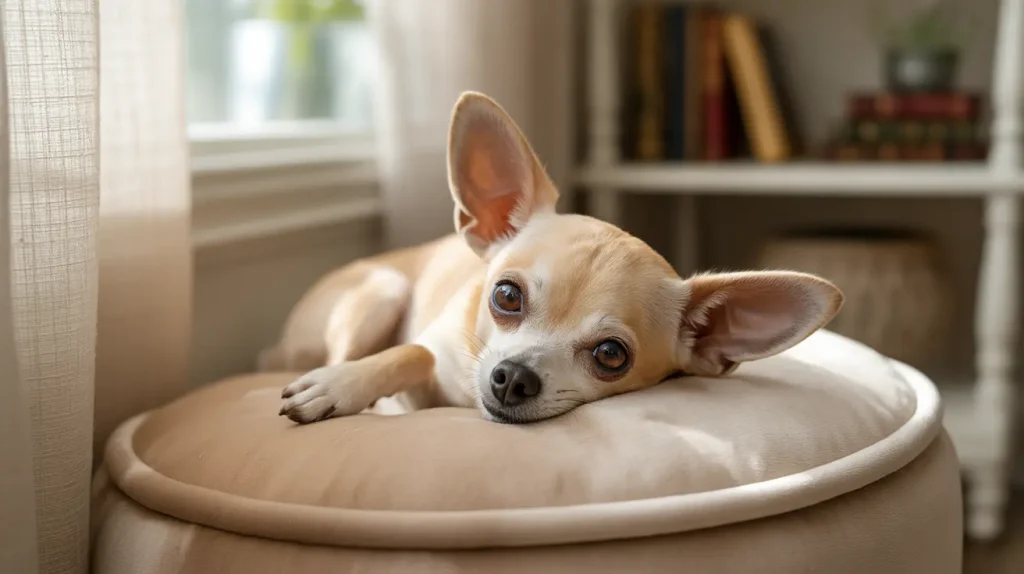
Providing a cozy bed is fundamental in creating a comfortable sanctuary for your pet. Consider investing in orthopedic beds that offer better support, especially for older dogs or those with health conditions. Beyond physical comfort, maintaining cleanliness is critical. Schedule regular clean-ups to remove pet hair, odors, and accidents. This not only promotes a hygienic living area but also helps minimize allergies, particularly for those with sensitivities. Regular wiping of surfaces with pet-safe cleaners keeps your space fresh and healthy.
Healthy Nutrition
A well-defined feeding area is a cornerstone of your pet’s daily routine. Designate a specific spot in your home where you can place your pet’s food and water bowls. Choose high-quality pet food tailored to your pet’s age, breed, and dietary requirements. For instance, senior dogs might require specific formulations for joint health. Always provide fresh water, as hydration is vital for your pet’s health, especially in hot weather.
Understanding Unique Needs
Each pet has distinctive needs based on their species, breed, and personality. For example, dogs often appreciate outdoor spaces where they can exercise and play freely. If you have the room, consider implementing a fenced yard where your dog can run and explore safely. Conversely, cats often relish vertical space to climb. Designing multi-level shelves or using cat trees can satisfy their climbing instincts.
Secure Enclosures
To further enhance safety, consider installing baby gates or pet barriers to limit access to staircases or unsafe regions of your home. These measures are especially crucial for puppies and younger pets who might be prone to mischief. Even when your pet is well-trained, accidents happen, and prevention is often the best course of action.
Climate Control
Maintaining a suitable indoor climate for your pets cannot be overlooked. Ensure your home remains at a comfortable temperature year-round, as extreme heat or cold can lead to health issues. Consider using air conditioning during summer and ensuring heating systems are functional in winter months. A comfortable environment helps promote the overall health of your furry family members.
Regular Veterinary Care
Lastly, maintaining your pet’s health through regular veterinary visits cannot be understated. Regular check-ups, vaccinations, and dental care are essential for disease prevention and management. Many pet owners in the United States may find local veterinary services offering wellness plans, which can ease the financial burden of such visits while ensuring your pet receives necessary care.
By thoughtfully considering these elements, you can create a welcoming environment that prioritizes the safety and health of your pet. Explore these practical tips further to discover even more ways to enhance your pet’s living space!
DISCOVER MORE: Click here to enhance your pet’s diet
Key Elements in Crafting a Safe Haven for Your Pet
Creating a safe and healthy environment for your pet goes beyond providing food and shelter; it encompasses a holistic approach to their well-being. Understanding the various factors that contribute to a pet-friendly home can make a profound difference in their overall happiness and health. Here are some vital components to consider when designing a sanctuary for your furry companions.
Essential Safety Measures
First and foremost, pet safety should be your primary concern. Begin by identifying and eliminating potential dangers within your home. Common household items like cleaning supplies, medications, and certain foods can pose serious threats to pets if ingested. It’s critical to store these items securely, ideally in high cabinets or locked below-sink areas. Additionally, consider the following safety tips:
- Install window screens to prevent falls, especially if you live above ground level.
- Use non-slip mats in areas where the floor may be slippery, such as kitchens and bathrooms.
- Check for sharp objects like scissors or broken glass that could injure your pet.
These preventive measures help create a safe atmosphere where your pets can navigate freely without the risk of injury.
Nurturing Physical Comfort
A loving environment supports your pet’s physical comfort. Begin with a designated sleeping area, providing them with a warm, cozy bed that reflects their size and personal preference. Whether your pet prefers a plush cushion or a sturdy mat, comfort is key to ensuring they feel secure. Moreover, regular grooming is essential, as it helps maintain their coat and skin health while fostering a bond between you and your pet. Be mindful of seasonal grooming needs, as certain pets may require more attention to prevent matting or skin issues during specific times of the year.
Creating a Stimulating Environment
Beyond physical comfort, mental stimulation plays a crucial role in your pet’s happiness. Engage with your pet through playtime and interactive toys. Incorporate activities that challenge their intellect, such as puzzle feeders or training exercises. These activities not only keep your pets occupied but also help combat boredom, which can lead to destructive behaviors. Be sure to consider:
- Regular exercise routines tailored to your pet’s energy levels.
- Socialization opportunities with other pets and humans.
- Enrichment activities like scent work, agility training, or simple fetch games.
Making time for these enriching experiences is vital in forging a strong connection while cultivating a lively atmosphere.
Air Quality and Hygiene
Another aspect to consider is air quality. Ensure that well-ventilated areas are available for your pets to prevent overheating or exposure to harmful pollutants. Regularly cleaning your home and your pet’s living space with pet-safe products keeps allergens at bay and minimizes the risk of respiratory issues.
By focusing on these foundational elements, you can create an environment that fosters both safety and happiness for your pet, contributing to a thriving companionship. As you explore further, you may uncover additional ways to enhance your pet’s home sanctuary and quality of life.
How to Create a Safe and Healthy Environment for Your Pet at Home
Creating a safe and healthy environment for your pet involves understanding their specific needs and potential hazards in your home. With the right precautions and thoughtful adjustments, you can significantly enhance your pet’s quality of life. Here are key factors to consider:
| Safety Measures | Health Benefits |
|---|---|
| Secure Your Home | Prevents escapes and injuries, ensuring your pet is safe indoors. |
| Use Pet-Friendly Cleaning Products | Minimizes exposure to toxic chemicals, promoting better health. |
| Designate a Play Area | Encourages physical activity and mental stimulation, crucial for your pet’s well-being. |
| Check for Hazards | Regularly inspect spaces for choking hazards or toxic plants. |
By implementing these measures, you not only create an environment that safeguards your pet but also enhances their vitality and happiness. Maintaining a clean, organized space is essential for both you and your beloved companion, making it easier to enjoy a harmonious home life.
DISCOVER MORE: Click here for additional resources
Enhancing Your Pet’s Well-Being Through Thoughtful Design
Creating a safe and healthy environment for your pet necessitates not only attention to safety and comfort but also an understanding of their unique emotional and social needs. A well-structured environment can significantly contribute to a pet’s overall happiness and well-being. Here are additional considerations that will elevate your pet’s living space into a true sanctuary.
Indoor and Outdoor Space Considerations
The layout of your home can greatly affect your pet’s experience. For indoor pets, ensure that they have access to a spacious area where they can move freely without restrictions. Particularly for felines, cat trees and shelves allow them to observe their territory from a higher vantage point, stimulating their natural instincts. For dogs, spacious rooms or play areas can serve as excellent spaces for indoor fetch games or agility training mats.
When it comes to outdoor spaces, particularly if you have a backyard, it’s essential to create a secure and enclosed area. Fences should be high enough to deter jumping and check for gaps that could allow escapes. Including pet-safe plants can enhance the visual appeal while promoting safe exploration. Familiarize yourself with common plants toxic to pets, such as azaleas and lilies, and avoid them in your garden.
Regular Health Monitoring
Embedding a culture of regular health monitoring within your household can drastically improve your pet’s quality of life. Scheduling routine visits to the veterinarian for check-ups ensures that your pet is healthy and catches any potential issues early. In addition to physical health, dental hygiene is crucial; many pets suffer from dental disease, which can lead to significant health complications.
Consider using pet health tracking apps that help manage appointments, vaccination schedules, and medication reminders. This proactive approach keeps pet owners informed and engaged with their pet’s health journey.
Creating a Calm Atmosphere
A calm environment helps to reduce stress levels in pets, particularly in those that experience anxiety during storms, fireworks, or even while left alone. Designated quiet areas with bedding and favorite toys can provide refuge when the surrounding environment becomes overwhelming. For pets that benefit from soothing sounds, consider white noise machines or specially designed music for pets aimed at curbing anxiety.
Utilizing aromatherapy can also be beneficial; specific essential oils, such as lavender, can promote relaxation. However, it’s crucial to confirm that the oils used are safe for your specific type of pet, as some oils are toxic to dogs and cats.
Incorporating Technology for Safety and Engagement
Technology can play a pivotal role in enhancing the safety and engagement of your pets at home. Consider implementing smart pet cameras that allow you to monitor your pet’s activities from anywhere, providing peace of mind, especially during longer absences. These systems often come complete with treat dispensers and two-way communication, promoting interaction even when you’re not physically present.
Moreover, automated litter boxes and food dispensers can simplify care routines, ensuring your pet’s hygiene and dietary needs are consistently met. Incorporating technology into your care regime can foster a healthier lifestyle for your pet while allowing you to partake in their day-to-day life more effectively.
By contemplating these thoughtful elements in establishing your pet’s environment, you cultivate an atmosphere that nurtures your pet’s physical and emotional well-being, allowing them to thrive within your home.
LEARN MORE: Click here for tailored diet solutions
Conclusion: Crafting a Harmonious Habitat for Your Beloved Pets
Creating a safe and healthy environment for your pet at home is a multifaceted endeavor that combines thoughtful design, be it through dedicated space planning or securing outdoor areas, with vigilant health monitoring and the integration of technology. By recognizing and addressing your pet’s unique physical and emotional needs, you provide them with a nurturing sanctuary where they can thrive.
From providing ample indoor areas for exploration and play to establishing secure outdoor spaces that encourage safe exploration, every detail matters. Regular health check-ups and monitoring via pet health tracking apps not only keep pets healthy but also strengthen the bond of companionship. Additionally, fostering a serene environment through quiet spaces, soothing sounds, and even aromatherapy can alleviate anxiety, allowing pets to feel secure and comfortable.
The role of technology in modern pet care cannot be overstated. Smart devices, such as pet cameras and automated feeders, enhance both safety and engagement, ensuring that your furry family members are well cared for even when you’re busy or away. Through these measures, you provide not just a home but a thriving ecosystem tailored to your pet’s needs.
Ultimately, creating this safe haven not only ensures your pet’s health and happiness but also enriches your life as a pet owner. The deeper understanding you gain of their requirements translates into a more fulfilling relationship. By continually adapting and improving their living environment, you are taking an active role in fostering their well-being and happiness, creating memories and joy that last a lifetime.