How to Deal with Allergies in Pets: A Guide to Identify and Treat Allergic Reactions

Understanding Allergies in Pets
Pets can suffer from allergies just like humans do. These reactions can stem from various sources, including environmental factors, food ingredients, and even parasites. Recognizing and addressing allergies in pets is crucial for their health and well-being, as untreated allergies can not only lead to discomfort but can also lead to more serious health issues over time.
The Common Culprits
- Environmental Allergens: Common environmental triggers include pollen from trees and grasses, mold spores found in damp areas, and dust mites that thrive in homes. For instance, during the spring months, pet owners may notice an uptick in allergic reactions as certain plants release pollen into the air. Regular cleaning and air filtration can help mitigate these allergens.
- Food Allergens: Food allergies are surprisingly prevalent in pets. Common proteins like beef, chicken, and certain grains can provoke allergic reactions in sensitive animals. Affected pets may exhibit symptoms shortly after eating, leading to the conclusion that a specific ingredient is causing the allergic response. Consulting with a veterinarian about hypoallergenic diets may open up alternatives for food-sensitive pets.
- Fleas and Parasites: Flea saliva is known to trigger widespread irritation and allergic reactions in animals. Even a single flea bite can lead to severe itching and discomfort. Regular flea prevention is essential, especially in regions where fleas are prevalent, ensuring that pets stay healthy and comfortable.
Identifying the source of a pet’s allergic reactions can be challenging, requiring keen observation from the owner. Symptoms may vary significantly, but common signs include:
- Itching and scratching, which can lead to skin infections if left untreated.
- Red and inflamed skin, often localized on the paws, belly, or around the ears, indicating possible allergic dermatitis.
- Repeated ear infections which may hint at food or environmental allergies.
- Gastrointestinal upset, such as vomiting or diarrhea, often linked to food allergies.
Understanding these symptoms is the first step to taking action. Once the underlying cause is identified, treatment options can range from medications, such as antihistamines or corticosteroids, to simple dietary changes. In some cases, allergy testing may be recommended to pinpoint specific allergens. With the right approach, it’s possible to help pets lead happier, healthier lives.
As you navigate through this guide, you will discover effective strategies to identify allergens in your pets and treat these allergic reactions efficiently. The journey to finding the right balance for your pet’s health may take time and patience, but the reward of a comfortable and joyful pet is well worth the effort.
LEARN MORE: Click here for essential tips on pet health
Identifying Allergic Reactions in Pets
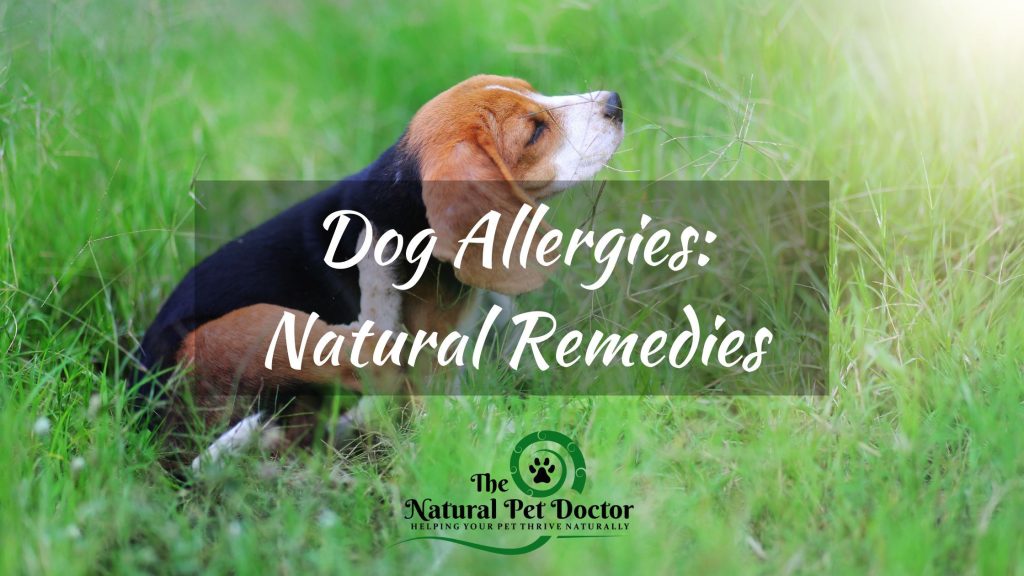
When it comes to allergies in pets, awareness of the signs and symptoms can be the key to providing your furry friend with timely relief. Pets, especially dogs and cats, may not have the ability to communicate their discomfort directly, hence it is essential for owners to be observant and proactive. Understanding what to look for can help you pinpoint potential allergies early on, leading to effective treatment.
Recognizing Symptoms of Allergies
Allergic reactions in pets can manifest in various ways, making identification tricky at times. Here are some indicative symptoms to monitor:
- Frequent scratching or biting: If your pet is incessantly scratching or biting at their skin, this may indicate an itch caused by allergies. It can lead to skin damage and infections if stringent attention is not paid.
- Red or inflamed skin: Allergic reactions often result in noticeable changes to the skin’s appearance, including redness, warmth, and swelling, particularly around sensitive areas like the paws, ears, and belly.
- Ear infections: Repeat ear infections can signify an underlying allergy issue. Look out for frequent shaking of the head, scratching at the ears, or unusual odors coming from the ear canal.
- Respiratory issues: In some cases, allergies can also trigger sneezing, coughing, or wheezing in pets, indicating a reaction to airborne allergens.
- Gastrointestinal disturbances: Allergies may also present through digestive issues, including vomiting and diarrhea, often related to certain food ingredients. Keeping a food diary can aid in identifying triggers.
Recognizing these signs is crucial. For instance, if your pet is suddenly more restless or if their grooming habits change, it could signal discomfort from an allergic reaction. By keeping a close eye on your pet’s behavior, you’ll not only improve their well-being but also increase the chances of successful treatment.
Engaging with Your Veterinarian
After observing potential symptoms, the next step is to consult your veterinarian. They can provide valuable insights and recommend appropriate diagnostic tests that may include skin tests and blood tests to identify specific allergens affecting your pet. Based on the findings, your vet can suggest tailored treatment options ranging from medications to dietary adjustments.
Additionally, engaging in open communication with your veterinarian about your pet’s environmental factors and lifestyle can also aid in creating an effective plan. Keeping detailed records of symptoms, dietary habits, and exposure to different elements will empower your vet to provide the best care tailored specifically for your pet’s needs.
By taking these initial steps and working in collaboration with your veterinarian, you can steer your pet towards a path of relief from allergic reactions. Remember, early recognition and intervention are essential in managing allergies effectively, ensuring that your beloved companion remains healthy and vibrant.
| Category | Details |
|---|---|
| Identification of Allergens | Understanding environmental or dietary triggers is crucial for accurate diagnosis. |
| Treatment Options | Includes medications, dietary adjustments, and home remedies that reduce symptoms of allergies. |
| Preventative Measures | Routine cleaning and allergen avoidance techniques can minimize exposure. |
| Monitoring Symptoms | Keeping track of allergic reactions can help refine treatment approaches. |
Recognizing and effectively addressing allergens in pets, such as environmental factors or food sensitivities, is essential for their well-being. The importance of identifying specific triggers cannot be understated; it allows pet owners to take proactive steps towards creating a safer living environment. Treatment options often range from over-the-counter antihistamines to prescribed medications tailored to the severity of the reactions.Moreover, employing preventative measures—like regular cleaning regimens and adjusting the pets’ diets—enhances the effectiveness of treatment plans. Keeping detailed records of symptoms and patterns can empower pet owners to seek timely medical advice, ultimately leading to better health outcomes for their furry companions.
LEARN MORE: Click here for tips on keeping your pet healthy
Treatment Options for Allergies in Pets
Once a pet’s allergic reactions have been identified, the next crucial step is exploring treatment options. Addressing allergies effectively can substantially improve a pet’s quality of life, but the methods of treatment can vary significantly depending on the type of allergy and its severity.
Medical Interventions
In many cases, veterinary intervention will include a range of medications to manage allergic reactions. Here are some common options:
- Antihistamines: Similar to their use in humans, antihistamines can help alleviate symptoms like itching and sneezing. Common antihistamines prescribed may include diphenhydramine and cetirizine, though it is essential to consult a veterinarian regarding appropriate dosages specific to your pet.
- Corticosteroids: These medications can effectively reduce inflammation and provide quick relief from severe allergic reactions. However, they may come with side effects; thus, they should be used cautiously and under the guidance of a veterinarian.
- Immunotherapy: A long-term solution for certain types of allergies, immunotherapy involves exposing pets to small amounts of allergens over time to build their tolerance. This approach is highly individualized and often utilizes allergy testing results to identify specific triggers.
- Topical Treatments: Shampoos and creams formulated to alleviate itching or inflammation can provide immediate relief for pets suffering from skin allergies. Ingredients like oatmeal and aloe vera are often utilized for their soothing properties.
It’s important to know that while medications can manage symptoms, addressing the root cause of the allergies is equally vital for effective treatment.
Dietary Adjustments
If food allergies are suspected, a thorough evaluation of your pet’s diet is warranted. Switching to a hypoallergenic diet may be necessary. These diets contain specially formulated ingredients that minimize the likelihood of allergic reactions. Many brands offer limited ingredient options specifically designed for pets with sensitivities, focusing on novel proteins and carbohydrates that have not been previously ingested.
Conducting a food elimination trial can also be a methodical way to pinpoint food allergies. This involves feeding your pet a single-source protein and carbohydrate diet for a specific period (usually 8-12 weeks), then gradually reintroducing other foods to monitor for allergic responses.
Environmental Management
For pets suffering from environmental allergies, controlling their surroundings can significantly alleviate symptoms. Consider the following environmental modifications:
- Regular cleaning: Frequent vacuuming and cleaning of your home can help reduce dust mites and pollen exposure. Use HEPA filters to improve air quality and minimize allergens.
- Limit outdoor exposure: During high pollen seasons or in response to specific allergens, keep your pet indoors and limit walks to early morning hours when pollen counts are lower.
- Bathing routines: Regular baths can help wash away allergens on your pet’s coat. Using hypoallergenic shampoos can provide additional relief.
Combining medical, dietary, and environmental strategies can create a multifaceted approach to managing your pet’s allergies effectively. The ongoing communication and cooperation with your veterinarian will equip you with the necessary tools to ensure your furry companion can enjoy a comfortable and healthy life despite their allergies.
DISCOVER MORE: Click here for tips on helping your pets
Conclusion: Navigating Allergies in Pets
Dealing with allergies in pets can be a daunting challenge for many pet owners, yet it is essential to understand that effective management is possible. Identifying the specific allergens through careful observation and consultation with a veterinary professional is the first key step toward alleviating your pet’s discomfort. As you navigate this journey, remember that a combination of medical interventions, dietary adjustments, and environmental management forms a comprehensive approach to treatment.
Using antihistamines, corticosteroids, and other veterinary-prescribed medications can provide immediate relief, while longer-term solutions, such as immunotherapy, can significantly enhance your pet’s resilience to allergens. Moreover, focusing on your pet’s diet and its environmental surroundings can make a remarkable difference; opting for hypoallergenic diets and minimizing exposure to allergens in the home creates a supportive atmosphere for recovery.
Ultimately, your ongoing relationship with your veterinarian will be your strongest ally in managing your pet’s allergies. Regular check-ups, open communication about your pet’s symptoms, and persistence in treatment choices can lead to a happier and healthier life for your furry friend. Understanding and adequately addressing their unique needs will not only provide relief but also strengthen the bond you share with them.
Every pet is unique, and by being proactive and informed, you can make the journey through allergies less distressing for your beloved companion. With dedication, you can transform the challenges of allergies into an opportunity for deeper connection and care.