How to Identify and Treat Common Allergies in Pets

Understanding Pet Allergies
Pets are cherished members of our families, but they can suffer from allergies just like humans do. Recognizing the signs of allergies in pets is crucial for their well-being. This article aims to guide you through the process of identifying and treating common allergies in your beloved animals.
Common Signs of Allergies in Pets
Allergic reactions can manifest in various ways, often leading to discomfort and distress for your pet. Here are some common symptoms to watch for:
- Itching and scratching: This is perhaps the most obvious indication. Pets experiencing irritation may scratch their ears, paws, or bellies incessantly, which can lead to skin infections if not addressed.
- Excessive licking: Similar to scratching, persistent licking—especially of specific body parts—can indicate an allergic reaction. Watch for raw patches where the fur is missing.
- Red or inflamed skin: Allergies can cause hives or dermatitis, leading to visible inflammation on your pet’s skin. You might notice areas that are noticeably red or have bumps.
- Vomiting or diarrhea: In more severe cases, particularly with food allergies, gastrointestinal upset can occur. If your pet experiences unusual vomiting or diarrhea, it could be a sign of an allergic reaction.
- Sneezing or coughing: While respiratory symptoms are rare in pets, they can occur, especially with environmental allergens like pollen or dust. Chronic sneezing or coughing warrants a veterinarian’s evaluation.
If you notice any of these symptoms in your pet, it may be time to take action. Monitoring your furry friend closely will provide insights into what might be causing these reactions. Understanding the source of allergies will empower you to provide improved care and comfort.
Potential Allergens
There are various allergens that can affect pets in the United States, and awareness of these can help you identify the problem. Common culprits include:
- Food ingredients: Some pets are sensitive to specific ingredients like wheat, corn, or dairy products. Keeping a food diary and noting any changes in your pet’s behavior when trying new foods can be invaluable.
- Pollen from trees, weeds, and grasses: Seasonal allergies are common in pets, just as they are in humans. During spring and fall, pollen counts are high, and those pets may experience flare-ups.
- Dust mites and mold: Indoor allergens such as dust mites and mold can thrive in homes, contributing to allergies year-round. Regular cleaning of living areas can minimize exposure to these irritants.
- Fleas and insect bites: Flea allergies are another common issue for pets, particularly in warm climates. Even a single flea bite can trigger intense itching and scratching in some pets.
- Chemical irritants: Household cleaners, perfumes, and air fresheners can sometimes act as irritants for sensitive pets. Opting for pet-safe cleaning products can create a more suitable living environment for them.
Identifying the source of your pet’s allergies is the first step toward relief. In the upcoming sections, we will explore effective treatment options and practical advice to ensure your furry friends live happier, healthier lives. Understanding what triggers these allergies can lead to effective management strategies that improve your pet’s quality of life. Don’t hesitate to consult your veterinarian for personalized guidance tailored to your pet’s specific needs.
DISCOVER MORE: Click here to learn about the truths and myths of grain-free diets for pets
Effective Ways to Identify Pet Allergies
Understanding the intricacies of your pet’s health is essential, particularly when it comes to allergies. Identifying the underlying cause of your pet’s discomfort can be challenging, but taking a proactive approach is key to ensuring their happiness and health. Here are some practical steps and methods to accurately identify the allergies affecting your furry companion:
Consulting Your Veterinarian
Your first and most crucial step in identifying allergy problems is to consult your veterinarian. They can conduct a thorough examination and may recommend allergy testing, which can be vital for pinpointing the specific allergens impacting your pet. Common tests may include:
- Skin tests: Similar to human allergy testing, this involves exposing small amounts of allergens to your pet’s skin to observe reactions.
- Blood tests: These tests can measure your pet’s immune response to various allergens by evaluating the presence of specific antibodies.
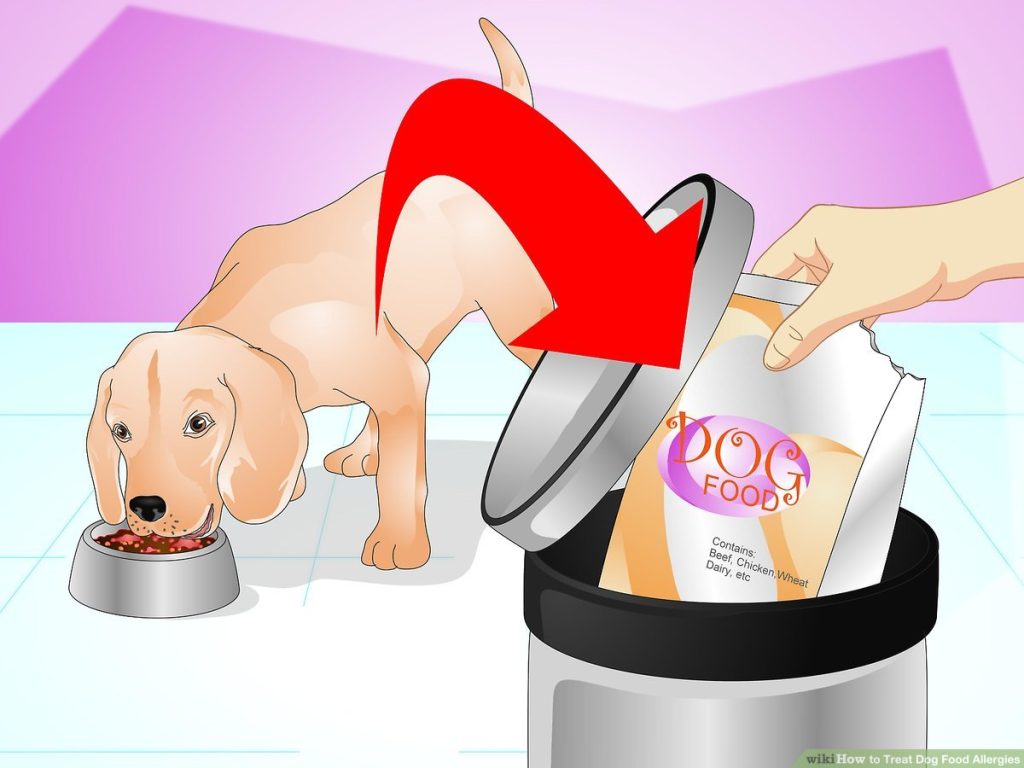
- Elimination diets: For suspected food allergies, your vet may recommend a special diet that excludes potential allergens. It can take several weeks to see results, but it’s an effective way to identify food sensitivities.
Through these diagnostic tools, your veterinarian can offer a tailored treatment plan to manage and alleviate your pet’s symptoms. Furthermore, ensuring consistent communication and providing detailed notes about your pet’s symptoms will assist your vet in making informed decisions about their care.
Keeping a Symptom Diary
Another highly effective method to identify allergies in pets is by keeping a symptom diary. Documenting your pet’s symptoms, alongside dietary and environmental factors, can help you notice patterns. Consider tracking the following:
- Date and time of symptoms: Note when episodes occur, as certain allergens may be seasonal or related to specific environmental factors.
- Food intake: Record what your pet eats daily, including treats, to identify any links between food and symptom flare-ups.
- Environmental changes: Take note of any changes in the environment, such as new cleaning products, recent travel, or different outdoor conditions that could trigger allergies.
This diary can be an invaluable resource during veterinary visits, potentially leading to faster identification of the allergens affecting your pet. The more data you gather, the clearer the picture becomes, which will assist both you and your veterinarian in managing their health more effectively.
Using Over-the-Counter Remedies with Caution
If your vet confirms allergies, they may recommend some over-the-counter treatments to provide immediate relief for mild symptoms. Antihistamines, for example, can alleviate itching and swelling, but it’s crucial to consult your vet before administering any medication. Dosages for pets differ significantly from those for humans, and your vet can guide you on safe options.
Identifying and treating allergies in pets is an ongoing process that requires vigilance, routine checkups, and a responsive approach. With the right combination of professional guidance and informed observations, you can significantly improve your pet’s quality of life, ensuring they are comfortable and happy in their own home.
How to Identify and Treat Common Allergies in Pets
When it comes to managing your furry friends’ health, understanding and addressing allergies is essential. Identifying common allergies in pets, such as food allergies, environmental allergies, and flea allergies, can prevent prolonged discomfort and help you provide the best care. Recognizing the signs of allergies is often the first step toward treatment. Here are a few indicators to watch for: persistent itching, red or inflamed skin, ear infections, gastrointestinal issues, and respiratory symptoms like sneezing or coughing. Once you’ve identified potential allergy symptoms, the next step is to consult with a veterinarian who can conduct tests to pinpoint the allergens. Blood tests and skin tests can provide valuable insights into what’s causing your pet’s discomfort. In cases of food allergies, an elimination diet may be recommended, allowing you to gradually introduce foods to identify the offender. In treating allergies, it’s important to explore various options. For environmental allergies, your vet may suggest antihistamines or corticosteroids to alleviate symptoms. Additionally, flea control is critical, as flea allergies can cause significant irritation. Regular grooming and baths can also help reduce allergic reactions by removing allergens from your pet’s coat.To illustrate these approaches, here’s a table outlining some advantages related to identifying and treating pet allergies:
| Category | Benefits |
|---|---|
| Identifying Allergies | Allows for targeted treatment and improved quality of life. |
| Holistic Treatment Options | Includes dietary changes and natural remedies, promoting overall health. |
Understanding the nuances of pet allergies empowers pet owners to take proactive measures. Beyond immediate treatments, consider consulting with a veterinary specialist to explore immunotherapy or allergy shots, which can potentially offer long-term relief. Furthermore, maintaining a clean living environment and consulting with your veterinarian about appropriate nutrition can greatly contribute to your pet’s well-being. Conducting thorough research and being attentive to your pet’s habits opens the door to informed decisions and ensures they lead a happy, healthy life free from the burdens of allergies.
DON’T MISS: Click here to learn how to overcome challenges in animal adoption
Recognizing Allergic Reactions in Pets
Once you have established a plan for identifying allergies in your pet, it’s essential to understand how to recognize the symptoms they might exhibit. Allergies can manifest in various forms, and knowing what to look for can help you make timely decisions for your pet’s well-being. Here are some common signs of allergic reactions to watch for:
Skin Irritations and Itchiness
One of the most noticeable signs of allergies in pets is skin irritations. Pets may scratch, bite, or lick at their skin excessively, leading to red, inflamed patches and even hair loss. Conditions such as atopic dermatitis, which is often environmentally triggered, can cause chronic discomfort. In some cases, these skin issues can result in secondary infections that require additional veterinary intervention. Pay close attention to areas where pets generally have less hair, such as their belly, armpits, and between the toes, as these regions are often the first affected.
Gastrointestinal Distress
Food allergies can lead to a different set of symptoms, primarily focusing on digestive health. Symptoms such as vomiting, diarrhea, or flatulence are common indicators of food allergies or intolerances. If you notice that these symptoms coincide with specific dietary changes or new treats, it may be time to revisit your elimination diet or consult with your veterinarian for further guidance.
Respiratory Symptoms
Allergies can also provoke respiratory issues in pets, leading to symptoms such as coughing, sneezing, and nasal discharge. Pets affected by inhalant allergies (like pollen or dust mites) might exhibit these signs, especially during certain seasons. Keep an eye on whether the symptoms worsen during specific times of the year, as this can help pinpoint the allergens involved.
Treating Allergies in Pets
Once you are able to identify the allergens affecting your pet, management becomes the next crucial step. Depending on the severity and type of allergy, different treatment options may apply:
- Medications: Your veterinarian may prescribe antihistamines, corticosteroids, or other medications to help manage allergic reactions. These medications can reduce itching, swelling, and inflammation, providing your pet with relief.
- Topical Treatments: For localized skin issues, topical treatments such as medicated shampoos or creams can be beneficial. Regular baths with hypoallergenic shampoos can also help soothe the skin and alleviate irritation.
- Allergen Avoidance: If possible, the best treatment for any allergy is to remove the culprit altogether. For example, if your pet suffers from pollen allergies, limit outdoor activities during peak seasons. For food allergies, stick to a strict elimination diet to find and avoid triggers.
- Immunotherapy: For chronic allergy cases, some veterinarians may recommend immunotherapy, which involves administering gradual doses of allergens to desensitize your pet over time. This process can lead to long-term relief and better overall health.
It is vital to remember that while many allergies can be managed effectively, some may require ongoing care and attention. Vigilance in recognizing symptoms, willingness to adapt treatment plans as needed, and close collaboration with your veterinarian will result in the best outcomes for your pet.
LEARN MORE: Click here for essential insights
Conclusion
Identifying and treating common allergies in pets is a vital aspect of responsible pet ownership that can significantly improve the quality of life for your furry companions. By being proactive and observant, pet owners can effectively recognize the tell-tale signs of allergies, which typically range from skin irritations and gastrointestinal distress to respiratory symptoms. Understanding these manifestations allows for timely intervention and alleviation of discomfort.
Once allergies have been identified, the treatment landscape is diverse, encompassing options from medications to immunotherapy, tailored to the specific needs of each pet. Engaging in an elimination diet can also be instrumental, particularly for pets with food allergies. Importantly, the journey doesn’t end with a diagnosis; continual monitoring and adapting treatment plans based on your pet’s responses are crucial for effective management.
Moreover, the collaboration with a veterinarian is indispensable. Regular check-ups can help ensure that management strategies remain effective and that your pet leads a healthy and happy life. As you learn to recognize and respond to your pet’s allergy symptoms, you will not only improve their health but also strengthen the bond you share with them. Further research into allergy treatments and consultations with veterinary specialists can expand your understanding and ability to care for pets with allergies, ultimately leading you toward better solutions for your beloved companions.