How to Prepare Your Pet for Veterinary Visits: Training Tips to Reduce Stress
Understanding Veterinary Visits
Taking your pet to the veterinarian can be a stressful experience for both of you. From the moment you walk through the clinic door, the unique sounds, smells, and sights of other animals can trigger anxiety in your beloved companion. This heightened state of stress can often lead to fear-based behaviors. However, with the right preparation and training, you can transform these visits from a daunting experience into a more tolerable and even positive one.
Why Preparation Matters
Preparing your pet for veterinary visits isn’t just beneficial—it’s essential. Here’s why:
- Reduces Anxiety: Familiarizing your pet with the veterinary environment before the actual visit can significantly lower their stress levels. Consider taking short trips to the clinic where you can simply wait in the lobby without any procedures taking place. This exposure helps normalize the environment.
- Strengthens Bond: Incorporating training sessions that involve visits to the vet creates a positive association for your pet. For instance, working on basic commands like “sit” or “stay” in the clinic reinforces trust and strengthens the bond between you and your furry friend.
- Improves Health Outcomes: Less stress during veterinary interactions can lead to better health care for your pet. When animals are calm, veterinarians can perform examinations more efficiently, leading to more accurate diagnoses and treatment plans.
Common Signs of Stress in Pets
Recognizing signs of stress in your pet is crucial for managing their anxiety effectively. Common indicators include:
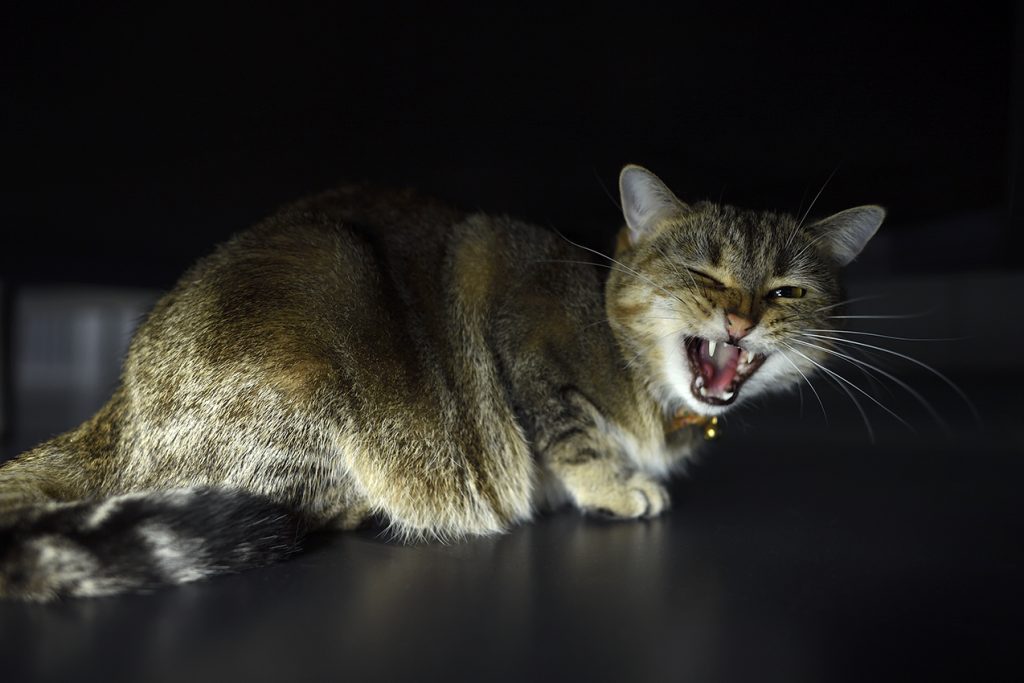
- Panting or excessive drooling: While panting can occur from excitement or heat, excessive drooling in a stressful situation is often a red flag.
- Avoidance behaviors, such as hiding: If your pet tries to hide or squirm away when you approach the clinic, this indicates fear or discomfort.
- Destructive actions, like chewing or scratching: Pets sometimes react to anxiety by acting out. Destructive behaviors can be a response to overwhelming stress in new environments.
By understanding these stress markers, pet owners can proactively address their companions’ fears during training sessions, ensuring a smoother experience during veterinary visits.
Training Techniques to Consider
To help your furry friend feel more comfortable during their veterinary visits, consider implementing these effective training techniques:
- Positive reinforcement through treats and praise: Rewarding your pet for calm behavior can create a positive association with the veterinary clinic. Make sure to bring along their favorite treats during visits to enhance reinforcement.
- Desensitization to common veterinary tools and sounds: Gradually introducing your pet to tools like stethoscopes or syringes at home, and pairing them with treats, can lessen their fear over time.
- Puppy or kitten socialization classes: These classes can provide both you and your pet with valuable skills to manage anxiety. Exposure to different stimuli and other animals in a controlled environment can eventually translate to calmer behavior during actual visits.
With patience and consistency, your pet’s next visit can transform from a traumatic ordeal into a manageable experience that strengthens your relationship and enhances their overall well-being.
DISCOVER MORE: Click here for essential tips
Effective Strategies for Veterinary Visit Comfort
Bringing your pet to the veterinary clinic can often be a source of stress for both the animal and the owner. However, employing certain training techniques can significantly ease the anxiety associated with these visits. Here, we explore several effective methods to help your furry friend feel more at ease in situations that may otherwise trigger fear.
- Positive Reinforcement Through Treats and Praise: One of the most effective techniques is to use positive reinforcement by rewarding your pet for displaying calm behavior during veterinary visits. Every time they show bravery, whether it’s stepping into the clinic or allowing a stranger to touch them, provide a treat or verbal praise. Make sure to bring along their favorite treats during visits. For instance, if your dog enjoys peanut butter-flavored snacks, bring a few along. This tactic not only encourages good behavior but also creates a positive association with the clinic environment. You can extend this training at home by rewarding them when they practice being in a carrier or during car rides, turning these experiences into enjoyable events.
- Desensitization to Common Veterinary Tools and Sounds: Familiarizing your pet with common veterinary instruments like stethoscopes or syringes can help reduce their anxiety. Start by gently showing them these objects at home while associating them with treats. For example, allow your pet to sniff a thermometer while offering a piece of kibble. Additionally, playing recordings of typical sounds from a veterinary office, such as barking or the whir of medical equipment, can prepare your pet for what they might encounter. This safe exposure minimizes fear when they eventually hear these noises at the clinic.
- Puppy or Kitten Socialization Classes: Early socialization is crucial for developing a well-adjusted pet. Enrolling your pup or kitten in socialization classes can be immensely beneficial. Such classes provide controlled environments for pets to interact with various stimuli, including other animals and people. They learn how to behave in possibly overwhelming situations, which translates to more relaxed conduct during actual veterinary visits. Many animal shelters or community centers across the United States offer these classes, making them accessible for various pet owners.
- Practice Crate Training: If your pet will be placed in a crate during their visit, effective crate training at home is essential. Start by making the crate comfortable with familiar items such as their favorite blanket or toys. Gradually introduce them to the crate by encouraging them to spend time inside while offering treats or engaging them with toys. This will help them view the crate as a safe haven rather than a source of stress.
- Mock Veterinary Visits: Simulating a veterinary visit at home can be a fun way to prepare your pet. Create a “veterinary station” where you mimic common practices, such as looking in their ears, checking their teeth, and gently placing them on a scale. This hands-on practice can help them feel more comfortable and familiar with the processes they will experience in the clinic, decreasing fear on the actual day of their appointment.
Implementing these training techniques requires both patience and consistency. Gradual exposure, coupled with positive experiences, can substantially reduce your pet’s stress response. Remember that every pet has unique needs and comfort levels, so it’s crucial to tailor these strategies to suit your companion. With these tools at your disposal, the next visit to the veterinarian can transform into an enriching experience, fortifying the bond you share with your furry friend and ultimately enhancing their overall well-being.
Understanding Your Pet’s Behavior
One of the fundamental aspects of preparing your pet for veterinary visits is understanding their behavior. Animals, like humans, can experience fear, anxiety, and stress, particularly in unfamiliar environments. By recognizing the signs of distress, such as panting, whining, or hiding, you can take proactive steps to alleviate their discomfort. Engaging in regular training exercises not only helps strengthen your bond with your pet but also decreases the likelihood of their anxiety during veterinary appointments.
Desensitization Techniques
Desensitization is a valuable method for reducing your pet’s fear of the vet’s office. Gradually exposing your pet to the elements of the experience—such as car rides, waiting rooms, and examination tables—can make each visit less daunting. Start by taking your pet to the vet clinic without an appointment simply to get them accustomed to the environment. Reward them with treats and praise for calm behavior, reinforcing positive experiences associated with the setting.
| Category | Details |
|---|---|
| Behavior Awareness | Recognizing signs of stress in pets to enhance comfort. |
| Desensitization | Gradual exposure to reduce anxiety associated with vet visits. |
Essential Training Commands
Implementing essential training commands such as “sit,” “stay,” and “come” can also facilitate a smoother veterinary experience. These commands not only enhance safety during visits but also provide a level of control in distracting your pet from stressors in the clinic. Incorporating treats and positive reinforcement helps your pet associate the vet with positive outcomes, diminishing the fear factor.
Consulting Your Veterinarian
Don’t hesitate to communicate with your veterinarian about your pet’s specific anxieties. Veterinary professionals often have a variety of strategies and resources, including medications or calming products, that can assist pets in overcoming their fear of visits. Creating a plan tailored to your pet’s needs can make all the difference in ensuring their visits are as stress-free as possible.
DIVE DEEPER: Click here to learn how to find the ideal shelter for adopting a pet
Utilizing Professional Resources for Veterinary Preparation
Now that we’ve covered some practical at-home training techniques, it’s worth considering how to leverage professional resources to maximize your pet’s comfort during veterinary visits. Engaging with experts not only adds depth to your pet’s preparation but also provides invaluable insights specific to your animal’s breed, age, and health needs.
- Consulting Animal Behaviorists: If your pet exhibits heightened anxiety even after employing various strategies, consulting an animal behaviorist may be beneficial. These professionals specialize in understanding pet behavior and can offer tailored advice and training planning. They might suggest gradual exposure techniques or behavioral modification strategies, allowing you to create a more detailed training plan specific to your pet’s temperament. Animal behaviorists can offer unique insights into your pet’s stress triggers, creating a holistic approach towards reducing their anxiety.
- Connecting with Veterinarians Early: Establishing a relationship with your veterinarian prior to an appointment can ease a lot of stress. Schedule a meet-and-greet where you can bring your pet to the clinic without the pressure of a scheduled appointment. During this visit, allow your pet to explore the environment, receive gentle petting from the staff, and even experience a wellness check without the distress of an actual medical procedure. This friendly interaction can diminish fear and foster a sense of familiarity with the veterinary clinic.
- Utilizing Calming Aids: Various products are available in the market designed to assist in calming anxious pets. These include pheromone diffusers, calming collars, or even natural supplements like CBD oil or L-theanine, which have gained popularity among pet owners for promoting relaxation. Before incorporating new aids, it’s wise to consult your veterinarian to ensure these options are suitable for your pet’s breed, age, and health state.
- Trial Run of Transportation: The journey to the veterinary clinic can be stressful, particularly for pets that are not accustomed to car rides. Practicing short trips in the car can help your pet acclimate to the experience. Start with brief drives that end with pleasant activities, such as walks or playtime at a park. Gradually extend the duration of these trips to simulate the clinic visit. Ensure they are comfortable in their carriers or seat belts, transforming this part of the visit into a more positive experience.
- Choosing the Right Time for Visits: Consider choosing veterinary appointments during quieter hours when the clinic is less crowded. Morning appointments are often less busy and can help minimize waiting times. This can prevent unnecessary stress and discomfort from being around too many unfamiliar pets and people. Speak with your veterinarian’s staff to determine when these calmer times typically occur.
Incorporating professional resources and considering the specifics of your pet’s needs goes a long way in ensuring a stress-free veterinary visit. Each pet responds to anxiety differently, and identifying a comprehensive plan that incorporates both expert advice and personalized training will significantly enhance your pet’s experience. As you work towards preparing your pet, remember that ongoing training and practice will further reinforce comfort, making the next visit to the veterinarian a much smoother process for you both.
DISCOVER MORE: Click here for essential tips
Final Thoughts on Reducing Pet Anxiety During Veterinary Visits
As pet owners, it is our responsibility to ensure that our furry friends have the best possible experiences, especially when it involves healthcare. Preparing your pet for veterinary visits not only helps in reducing their stress but also contributes to better health outcomes. Implementing a combination of training techniques, such as familiarizing them with their carrier and practicing short car rides, lays a solid foundation for a positive trip to the vet.
Incorporating professional resources can further enhance this preparation. Consulting with animal behaviorists, establishing a rapport with your veterinarian, and utilizing calming aids are all steps that contribute to reducing anxiety. Each pet is unique, and recognizing individual needs through tailored interventions can make a significant difference in their overall experience.
It’s also imperative to consider timing when planning your visits. Opting for quieter periods at the clinic can minimize stress associated with bustling environments. Together, these strategies create a well-rounded approach that focuses on not just the logistics of a vet visit but also the emotional well-being of your pet.
Ultimately, patience and consistency are your greatest allies in this process. With ongoing practice and a proactive attitude, you can transform veterinary visits from a source of anxiety to a routine that can be approached with calmness and confidence. By prioritizing your pet’s comfort and well-being, you are fostering a healthier relationship and encouraging a more peaceful coexistence in all aspects of life.