How to Train Your Dog Not to Pull on the Leash: Practical Tips for Relaxed Walks
The Importance of Enjoyable Walks
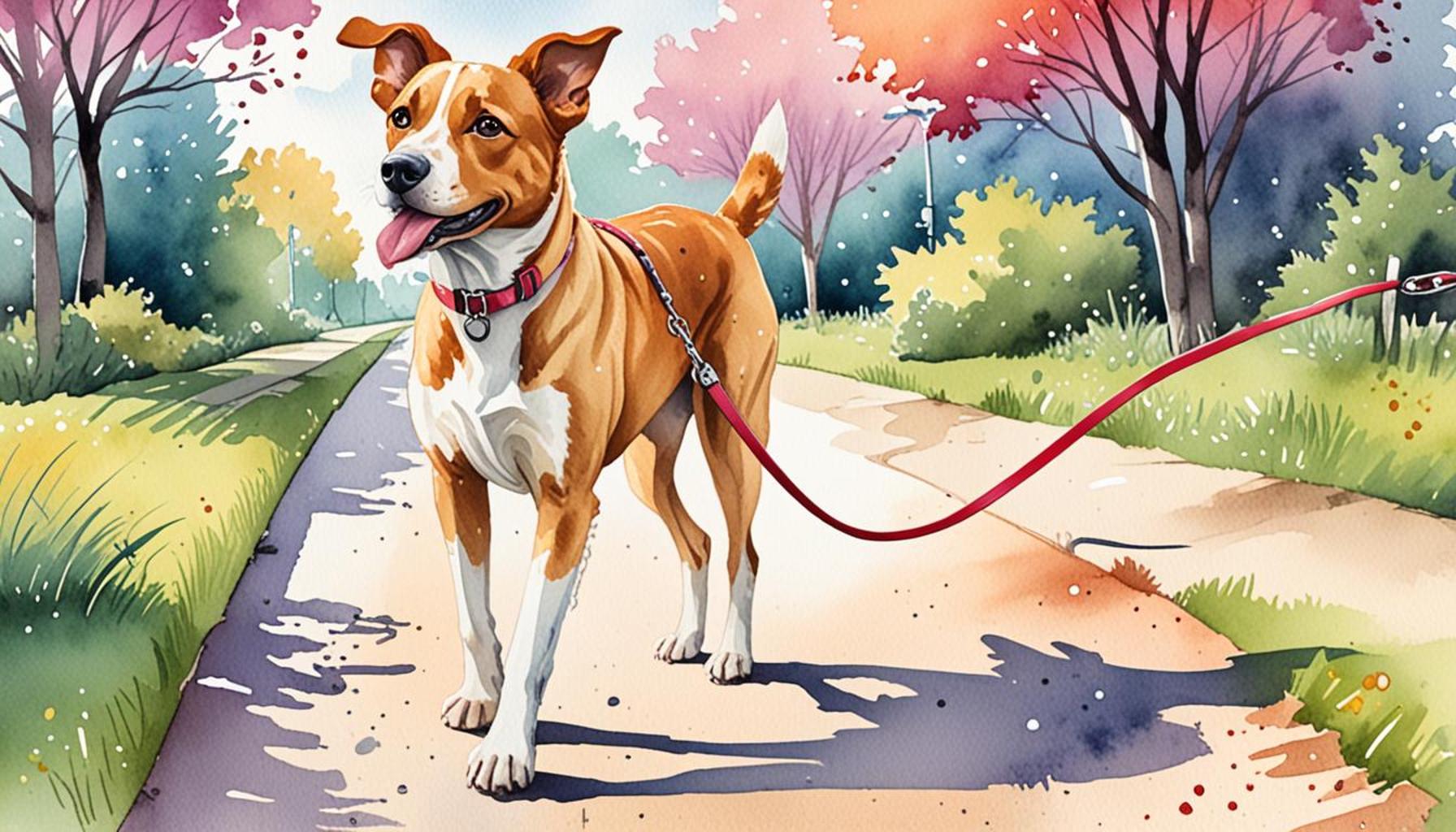
Walking your dog should be an enjoyable experience for both of you. However, if your furry friend is constantly pulling on the leash, it can quickly turn into a challenge. Understanding effective techniques to curb this behavior will lead to relaxed walks and a happier companionship. Each outing can become a delightful exploration rather than a stressful battle if you address leash pulling proactively.
Understanding Leash Pulling
Many dog owners face similar struggles, particularly with energetic breeds that seem to be always on the move. So why do these beloved pets feel the need to pull ahead? Here are some reasons:
- Excitement: Dogs often pull when they spot other animals, vehicles, or intriguing smells. Their natural curiosity drives them to explore, making it difficult for them to remain close. For instance, a squirrel hopping across the sidewalk can ignite their predatory instinct, causing them to lurch forward.
- Fear or Anxiety: A timid dog may pull away from perceived threats, such as loud noises or unfamiliar surroundings. These reactions can be particularly common in rescue dogs or those who have not been well-socialized. Recognizing these triggers can help owners provide a sense of security during walks.
- Lack of Training: Some dogs are simply not taught to walk politely on a leash. This might be due to owners not knowing how to train effectively or simply not taking the time to practice. Without a solid foundation in leash manners, your dog may never learn that strolling calmly is an option.
Techniques for a Calmer Walk
Fortunately, there are practical tips and techniques to transform your walks. By learning to communicate effectively with your pet, you enhance your bond, fostering a relationship built on trust and understanding. The following sections will explore:
- Positive Reinforcement Methods: Using treats, praise, or toys as rewards can motivate your dog to walk beside you. For example, showering your pup with affection for staying close can reinforce that good behavior over time.
- Leash Training Techniques: Techniques such as the “stop-and-go” method can be particularly effective. When your dog begins to pull, stop walking. Once they return to your side, resume the walk. This consistency teaches them that pulling does not lead to any advancement in their exploration.
- Tools and Equipment that Can Help: Consider using specialized leashes or harnesses designed to discourage pulling, such as front-clip harnesses. These tools can offer more control and comfort for both you and your dog.
Conclusion
With patience and persistence, you can teach your dog to walk calmly beside you, making every outing a pleasure. Enjoying peaceful walks with your furry companion not only enhances your pet’s behavior but also strengthens your connection. The journey toward relaxed walks is an opportunity for discovery, providing you both with new experiences and memories to cherish. As you invest in training, you’ll find that every stroll together can turn into an adventure, reinforcing the special bond you share.
DISCOVER MORE: Click here to learn how to find the perfect pet shelter
Techniques for a Calmer Walk
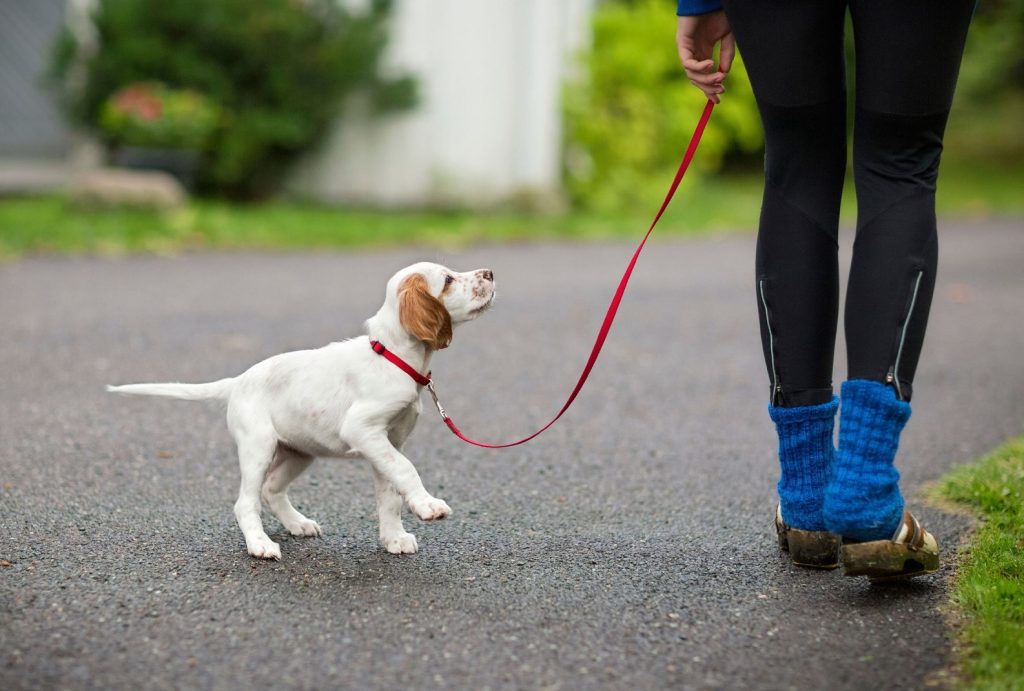
When it comes to teaching your dog not to pull on the leash, understanding the methods available can significantly enhance the experience for both of you. Implementing effective training techniques not only helps to create a more pleasant walking atmosphere but also strengthens the bond between you and your canine companion. Here are several strategies that can lead to relaxed walks:
Positive Reinforcement Methods
One of the most effective training approaches is the use of positive reinforcement. This involves rewarding your dog for desired behaviors, thereby encouraging them to repeat those actions. For example, when your dog walks beside you without pulling, immediately offer a treat, praise, or a favorite toy. This helps them associate calm walking with positive outcomes, making them more likely to repeat that behavior in the future. Consider the following techniques:
- Predictable rewards: Use small, easily portable treats during walks. This makes it convenient to reward your dog on the spot when they exhibit good leash manners.
- Calm praise: Verbal affirmations like “Good boy!” or “Well done!” when they remain by your side create a sense of encouragement.
- Interactive play: Utilize short play sessions during walks as a reward. Pausing to play with their favorite toy can serve as a motivating factor for your pup to stay close.
Leash Training Techniques
In addition to positive reinforcement, applying specific leash training techniques can be crucial in addressing pulling behaviors. One of the popular and effective methods is the “stop-and-go” technique. Here’s how it works:
- When your dog begins to pull, immediately stop walking. This teaches them that pulling will not get them where they want to go.
- Wait for your dog to return to your side or to calm down. Once they do, continue your walk.
- Repeat this process consistently, reinforcing the idea that staying beside you is the only way to make progress on the walk.
The stop-and-go technique reinforces the lesson that leash pulling is counterproductive and can lead to the pup becoming more aware of your presence and less focused on their distractions.
Tools and Equipment that Can Help
Sometimes, the right tools can make a significant difference in training your dog to walk politely on a leash. Consider investing in harnesses or specialty leashes designed to minimize pulling. Options include:
- Front-clip harnesses: These encourage dogs to turn towards you when they pull, effectively discouraging the behavior without causing discomfort.
- Head collars: These allow for additional control and can help redirect your dog’s focus back to you.
- Double-ended leashes: These give you more control of your dog’s movement, enhancing training effectiveness.
While selecting equipment, ensure that it’s comfortable and suited to your dog’s specific needs. Choosing the right tools can greatly facilitate the training process.
| Training Techniques | Benefits |
|---|---|
| Positive Reinforcement | Encourages good behavior and strengthens the bond with your dog. |
| Consistent Commands | Helps your dog understand expected behaviors, leading to more relaxed walks. |
| Leash Training Tools | Using proper equipment can provide immediate feedback and improve control. |
| Short Sessions | Keeps training fun and engaging, reducing frustration for both dog and owner. |
Incorporating techniques such as positive reinforcement ensures that your dog associates good behavior with rewards like treats or praise. This method not only helps eliminate pulling but also fosters a stronger bond between you and your pet. Consistency in commands is essential; using the same words and signals helps your dog learn what is expected during walks, promoting an atmosphere of understanding and cooperation.Equipping yourself with the appropriate leash training tools, such as no-pull harnesses or slip leads, can drastically affect your control and your dog’s comfort. These tools provide instant feedback, helping your dog learn appropriate leash manners more efficiently.Remember, short training sessions are easier for both you and your dog to manage. Keeping sessions brief and enjoyable prevents boredom and keeps motivation high, assisting in the achievement of relaxed walks. Each of these methods contributes significantly to the overall enjoyment of your walks and the well-being of your dog.
DISCOVER MORE: Click here to find effective strategies
Creating a Structured Environment
Establishing a structured environment during walks can greatly contribute to teaching your dog not to pull on the leash. Dogs thrive on routine and clarity, and setting clear guidelines for their behavior can help them understand what is expected. Here are some effective strategies to create that structure:
Consistent Walking Procedures
Consistency is key when it comes to leash training. Implementing a routine can provide your dog with the predictability they need to behave appropriately on walks. Consider these practices:
- Designate a specific starting point: Always begin your walk at the same location. This not only helps your dog learn when the walk is starting but also allows them to associate that starting point with the need to remain calm.
- Use a specific command: Establish a command like “let’s go” that signifies the beginning of a walk. This verbal cue can prepare your dog for the expectations ahead.
- Plan a predictable route: Start with short, familiar walks where your dog has had previous success. A predictable route helps minimize distractions, allowing your dog to focus on following your lead.
The Importance of Regular Exercise
A well-exercised dog is typically a more relaxed and manageable dog. Ensuring your pet receives adequate exercise outside of leash training can help reduce their energy levels, which in turn may reduce their likelihood to pull during walks. Incorporating a mix of activities can be beneficial:
- Daily playtime: Engage in varying activities such as fetch, tug-of-war, or agility exercises. This can help expend surplus energy before heading out.
- Socialization opportunities: Let your dog interact with other dogs in controlled environments or dog parks. Socializing can help your dog learn to focus and remain calm around their peers.
- Enrichment activities: Consider mentally stimulating games that require your dog to think or problem-solve. Puzzle toys or scent games can channel their energy into productive behavior.
Understanding Dog Behavior
To effectively train your dog, it’s essential to understand their behavior. Recognizing the triggers that lead your dog to pull can significantly aid in addressing the issue:
- Recognize body language: Keep an eye on your dog’s body signals; for instance, if their ears perk up or they pull hard towards something unfamiliar, they may be alerting you to potential distractions.
- Gradual exposure: Instead of allowing your dog to experience overwhelming stimuli all at once, slowly introduce them to new environments, breaking down stimuli into manageable segments.
- Emphasize patience: Behavior changes take time, and rushing the process can lead to frustration for both you and your dog. Celebrate small victories and maintain a calm demeanor during training.
By focusing on creating a structured walking routine, ensuring your dog receives adequate exercise, and understanding their behavior, you’ll be taking significant steps towards training your dog not to pull on the leash. This will set the stage for enjoyable and relaxed walks, ultimately benefiting both your dog and you in the communication and connection you share during these outings.
DON’T MISS: Click here to learn about balanced nutrition for your pets
Final Thoughts on Leash Training Your Dog
In summary, training your dog not to pull on the leash is not only about teaching proper walking behavior but also about enhancing your bond with your furry friend. By employing consistent training techniques, establishing daily routines, and promoting physical and mental exercise, you set the stage for calm and enjoyable walks. Consider that every leash-pulling moment can serve as an opportunity to reinforce positive behaviors, turning frustration into a teaching moment.
Moreover, understanding your dog’s unique behavior is paramount. Dogs are creatures of habit, and recognizing their cues can significantly improve your training approach. Whether it’s identifying distractions or responding appropriately to your dog’s body language, being attuned to their needs fosters a trusting relationship.
As you embark on this training journey, remember that patience and consistency are your most reliable allies. With time and practice, your efforts will yield results, leading to peaceful and enjoyable walks where both you and your dog can explore and bond. For more information, consider exploring resources such as dog training classes or professional trainers in your area that can offer personalized guidance tailored to your dog’s specific needs.
Ultimately, a well-trained dog not only enriches your daily outings but also contributes to a more harmonious daily life. Take the steps necessary to transform walk time from a struggle into a cherished part of your routine, and both you and your dog will reap the rewards.