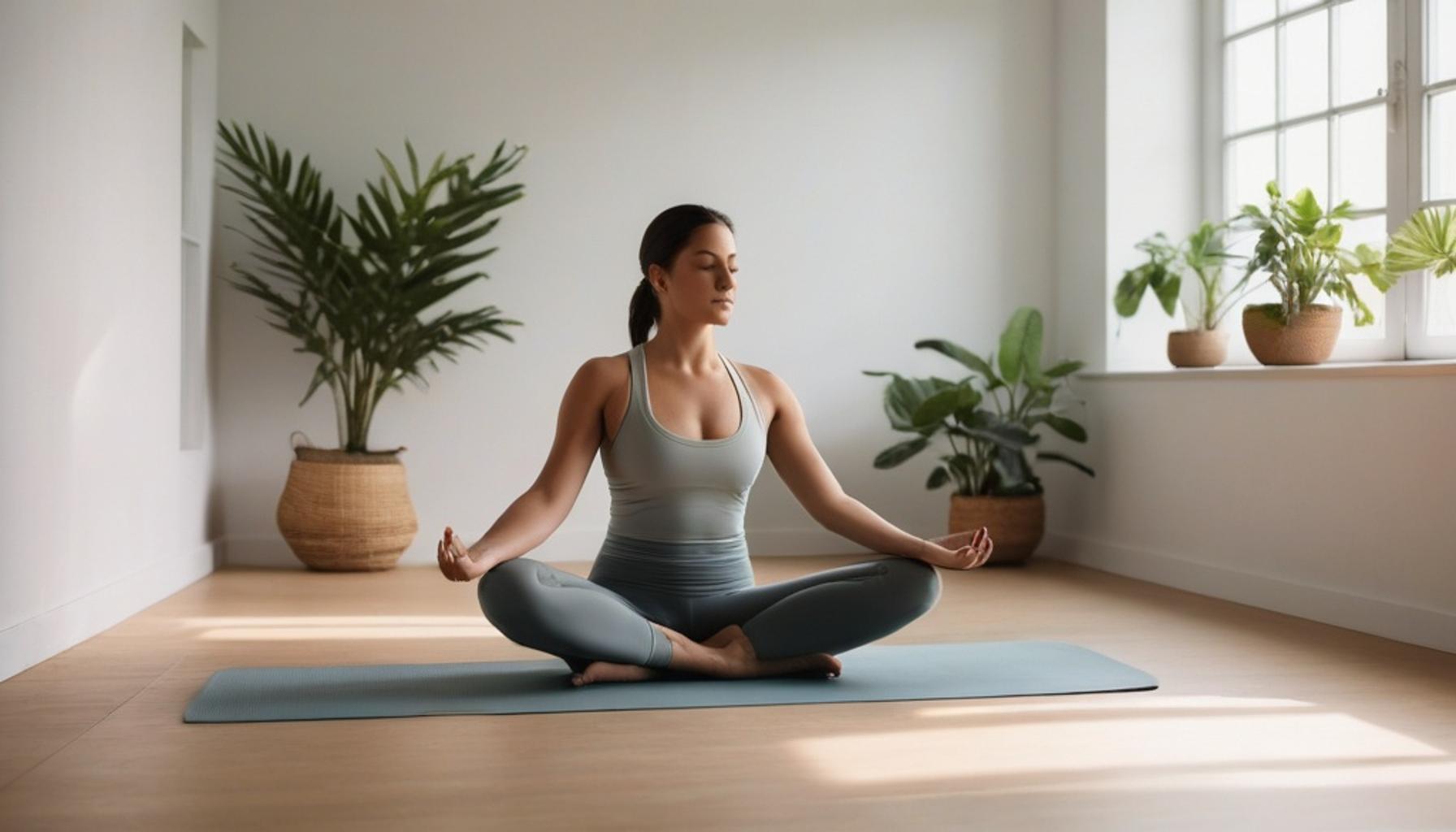
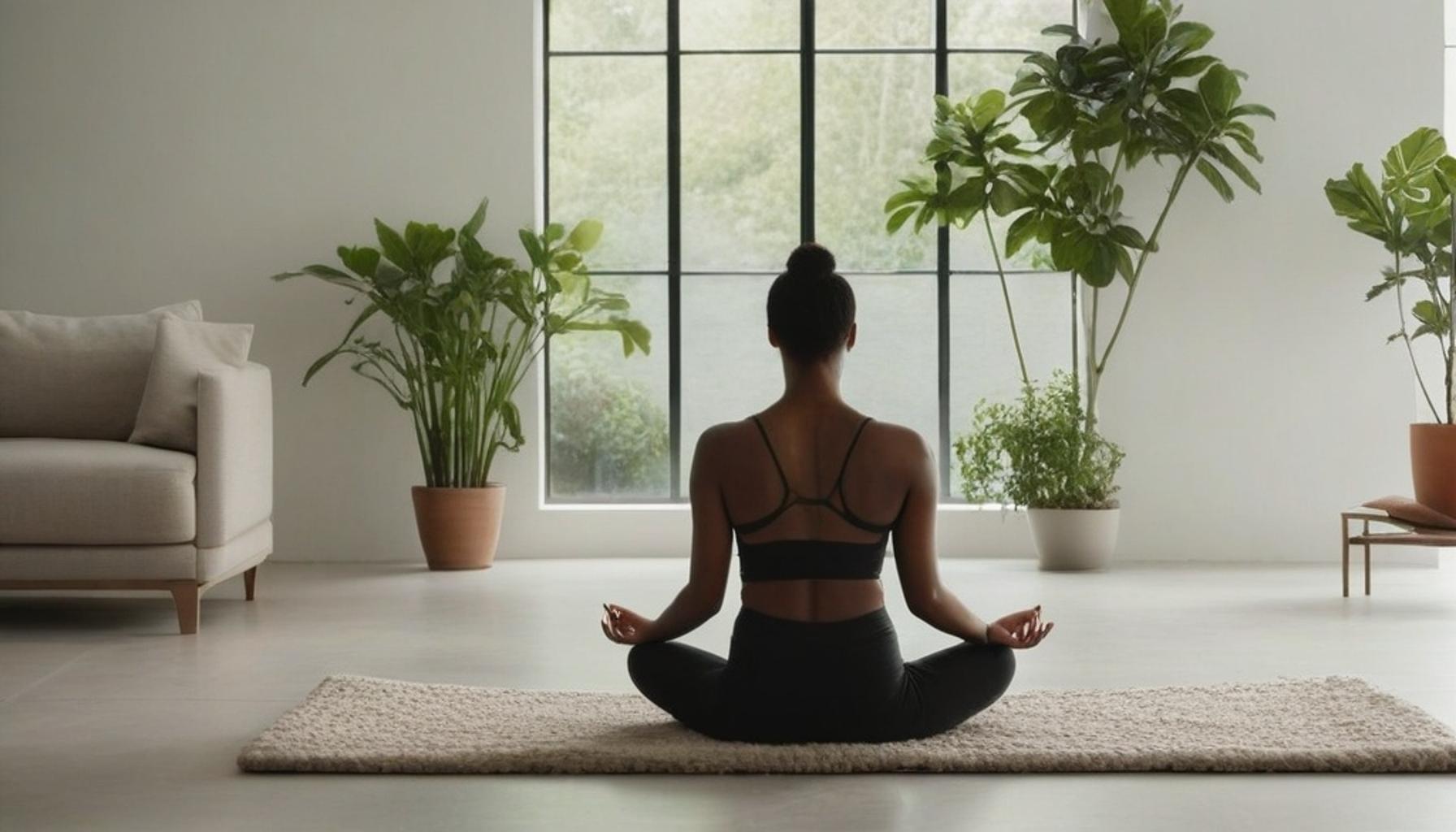
Integrating Mindful Habits into Minimalism Practice: An Approach to Stress Reduction

In today’s fast-paced world, many Americans find themselves overwhelmed, caught in a cycle of incessant clutter and mental noise that drains their energy and peace. The American Psychological Association highlights that chronic stress impacts over 75% of adults in the United States, with disorganized environments and constant information bombardment significantly contributing to this crisis.
This is where the concepts of Mindful Habits and Minimalism enter the conversation. Individuals are beginning to understand that simplifying their lives isn’t merely an aesthetic choice; it’s a holistic approach to well-being that emphasizes finding clarity amidst chaos. This practice is resonating from intimate Brooklyn apartments to bustling Silicon Valley startups, making it a movement that transcends demographics and lifestyles.
What This Approach Actually Involves
At its core, combining mindfulness with minimalism cultivates a sense of balance, where decluttering one’s physical space is accompanied by heightened present-moment awareness. This synergy provides powerful tools for stress reduction, addressing the emotional upheaval caused by external messes and internal distractions alike.
- Engaging in decluttering physical spaces while practicing conscious breathing can transform a chaotic environment into a sanctuary, making it easier to relax and concentrate.
- When considering purchases, employing mindful reflection helps individuals avoid impulse buys, leading to a more intentional approach where every item serves a purpose.
- Streamlining daily routines can effectively combat decision fatigue, allowing individuals to conserve mental energy for more important decisions.
- Adopting minimalist principles aids in protecting mental bandwidth, freeing up cognitive resources that can be redirected toward meaningful pursuits.
Research published in the Journal of Environmental Psychology reinforces this perspective, indicating that cluttered environments can trigger cortisol spikes, while those who engage in mindfulness practices see their stress hormone levels drop by as much as 23% over time. Such data illuminates the profound impact of integrating these two concepts into everyday life.
What This Article Will Cover
Delving into minimalism with a mindful lens is more than simply recycling old clothes; it’s about reevaluating how Americans interact with consumption, time, and attention. This guide will shed light on the many tangible benefits that arise when mindfulness and minimalist living intertwine, presenting practical strategies for effective stress management.
Readers can anticipate discovering actionable steps, supported by empirical data, aimed at reclaiming physical spaces and, in turn, rediscovering a lasting sense of peace. By adopting these practices, individuals may find themselves not just decluttering their homes, but also liberating their minds to focus on what truly matters.
LEARN MORE: Integrating Mindful Habits into a Minimalist Routine
The Science Behind Mindful Habits and Minimalism
Understanding why this combination works requires a closer look at how the brain processes clutter and overstimulation. Neuroscientists at Princeton University found that visual clutter competes for attention in the brain’s visual cortex, limiting the ability to focus and process information efficiently. This discovery offers compelling evidence for why Mindful Habits and Minimalism have become such a powerful pairing in stress management circles across the United States.
When Americans reduce physical clutter, they’re not just tidying up—they’re literally reducing the cognitive load their brains must process every second. Add mindfulness into the equation, and the results compound. A calm mind paired with a calm space creates what researchers call a “feedback loop of tranquility,” where each element reinforces the other.
How to Practice Minimalism Through a Mindful Lens
Learning how to practice minimalism effectively isn’t about following rigid rules or achieving a picture-perfect, sparse apartment reminiscent of design magazines. It’s about intentionality. Mindfulness for minimalism means pausing before every decision—whether it’s discarding an old sweater or scrolling through social media—and asking whether that action serves genuine well-being.
Consider these practical entry points that many wellness coaches in cities like Austin and Portland recommend to clients beginning this journey:
- The five-minute pause: Before purchasing anything, wait five minutes and breathe deeply, allowing impulse to settle into intention.
- Single-tasking: Rather than multitasking, mindfully completing one task at a time reduces the mental clutter that mirrors physical disorganization.
- Digital decluttering: Unsubscribing from unnecessary emails and muting non-essential notifications mirrors the same principles applied to physical belongings.
- Gratitude check-ins: Briefly acknowledging what one already owns before acquiring something new fosters contentment over consumption.
These stress reduction techniques aren’t abstract theories; they’re being implemented in real households from Chicago suburbs to Los Angeles high-rises, with many reporting noticeable shifts in daily anxiety levels within just a few weeks.
The Measurable Benefits of Mindfulness
The benefits of mindfulness extend far beyond a temporary sense of calm. According to a study published by the National Institutes of Health, individuals practicing consistent mindfulness alongside minimalist habits reported a 31% improvement in sleep quality and a significant reduction in symptoms associated with anxiety disorders.
This data suggests that stress management through minimalism isn’t simply a passing wellness trend—it’s a measurable, evidence-backed strategy that continues to gain traction among therapists, life coaches, and everyday Americans seeking sustainable relief from modern chaos.

SEE ALSO: Integrating Mindful Habits into a Minimalist Routine
# Real-World Applications Transforming American HouseholdsAcross the United States, a quiet revolution is unfolding in kitchens, closets, and home offices. Families are discovering that Mindful Habits and Minimalism work best when applied to specific life domains rather than adopted as vague, abstract philosophies.Take the average American garage—often a graveyard for forgotten treadmills and half-finished projects. Organizational psychologists note that tackling one physical space with intention, rather than attempting a whole-house overhaul, produces stronger long-term results. This targeted approach reduces overwhelm while still delivering the stress-relief benefits people seek.
The Financial Angle Nobody Talks About
Beyond emotional well-being, stress management through minimalism carries a financial component that resonates deeply with budget-conscious Americans. A 2023 survey from the Bureau of Labor Statistics revealed that the average U.S. household spends over $1,800 annually on non-essential purchases—many bought during moments of stress or boredom rather than genuine need.When mindfulness enters the equation, spending patterns shift dramatically. Shoppers who practice a brief pause before buying report:
- Reduced impulse purchases: A 68% decrease in unplanned retail spending, according to consumer behavior researchers at Stanford University.
- Increased satisfaction: Higher reported contentment with existing possessions rather than constant desire for more.
- Lower financial anxiety: Fewer credit card balances tied to emotional or stress-driven spending sprees.
This financial clarity becomes another layer of stress reduction techniques that many overlook when discussing minimalism—proving that decluttering isn’t just about aesthetics; it’s about long-term peace of mind and monetary security.
Workplace Applications Gaining Momentum
Corporate wellness programs in tech hubs like Seattle and San Francisco have begun incorporating mindfulness for minimalism into employee training. Companies report that decluttered desks combined with mindful work habits—such as closing unnecessary browser tabs and limiting notification pings—correlate with measurable productivity increases.One internal study from a mid-sized marketing firm in Denver found that employees who adopted these combined practices experienced a 22% reduction in reported workplace stress over a three-month period. Their secret wasn’t complicated: fewer physical distractions, fewer digital interruptions, and intentional breaks for deep breathing between tasks.
Community and Social Support Structures
Interestingly, how to practice minimalism successfully often depends on community reinforcement. Meetup groups focused on minimalist living have surged in popularity across midwestern cities like Minneapolis and Kansas City, where members swap decluttering tips and mindfulness exercises.These gatherings highlight an essential truth: sustainable change rarely happens in isolation. Shared accountability, whether through local groups or online forums, strengthens commitment to both mindful practices and minimalist principles—creating ripple effects that extend far beyond individual households into broader cultural shifts toward intentional living.
YOU MAY ALSO LIKE: The practice of mindfulness in the minimalist organization: how conscious habits transform spaces and minds
Bringing It All Together: A Path Forward
The evidence is clear: Mindful Habits and Minimalism form a partnership that extends far beyond tidy closets and calm kitchens. From garages in suburban Ohio to corporate offices in Seattle, Americans are discovering that intentional living reshapes not just physical spaces, but financial habits, workplace performance, and community bonds.
What makes this approach compelling isn’t a single dramatic transformation—it’s the accumulation of small, deliberate choices. A pause before purchasing. A cleared desk. A weekly meetup with like-minded neighbors. These micro-decisions compound into measurable stress reduction techniques that outlast any fleeting New Year’s resolution.
Understanding how to practice minimalism effectively means recognizing it’s not about deprivation. It’s about reclaiming attention, money, and mental bandwidth for what genuinely matters.
The benefits of mindfulness paired with decluttering aren’t confined to wellness retreats or lifestyle blogs—they show up in bank statements, productivity metrics, and household harmony. This is stress management through minimalism in its most practical form: accessible, data-backed, and adaptable to any budget or zip code.
As more households, workplaces, and communities embrace mindfulness for minimalism, a broader question emerges: what might American life look like if intentionality became the default rather than the exception? That answer is still being written, one decluttered drawer and one mindful breath at a time.
Frequently Asked Questions
What are some effective mindful habits to incorporate into my minimalism practice?
Effective mindful habits include practicing daily meditation to enhance self-awareness, engaging in mindful decluttering by carefully considering each item you choose to keep, and establishing a routine that prioritizes simplicity. Additionally, incorporating gratitude journaling can help you appreciate the minimalistic lifestyle and reduce stress.
How can mindful habits enhance my experience of minimalism?
Mindful habits can deepen your connection to minimalism by encouraging you to focus on the present moment, which reduces stress and anxiety. By being more aware of your thoughts and feelings, you can make intentional choices that align with your values, leading to a more fulfilling minimalist lifestyle.
Can integrating mindful habits into minimalism really reduce my stress levels?
Yes, integrating mindful habits into your minimalism practice can significantly lower stress levels. Mindful living promotes awareness and helps eliminate distractions, allowing you to create a peaceful environment and lifestyle, which ultimately fosters a greater sense of calm and clarity.
How can I practice mindfulness when decluttering my living space?
To practice mindfulness while decluttering, take your time with each item, reflecting on its purpose and emotional significance. Use techniques like deep breathing and visualization to stay centered, making the process more about intentional choice rather than merely tossing items away.
Is there a connection between minimalism, mindful habits, and mental health?
Absolutely, there is a strong connection between minimalism, mindful habits, and mental health. By simplifying your surroundings and reducing physical clutter, you can alleviate feelings of overwhelm, while mindful practices help you cultivate a positive mental space, promoting overall well-being.
How can I maintain mindful habits while adapting to a minimalist lifestyle?
To maintain mindful habits in a minimalist lifestyle, set aside regular time for reflection, whether through journaling, meditation, or simply quiet contemplation. Create reminders in your environment to check in with your mindset, adjusting your habits as necessary to align with your minimalist goals.

Linda Carter
Linda Carter is a writer specializing in minimalism and personal organization. With extensive experience helping readers create more functional and balanced routines, she shares practical advice on decluttering, organizing spaces, simplifying daily tasks, and making more intentional choices. Her goal is to offer clear guidance and accessible strategies that help people reduce excess, improve their surroundings, and enjoy a calmer, more organized lifestyle.