The Aesthetics of Minimalism: How Intentional Design Improves Personal Organization
Why Less Truly Becomes More
Walk into any well-organized American home today, and you’ll likely notice something: empty countertops, clear pathways, and a distinct absence of clutter. This isn’t accidental. It’s the result of minimalism design personal organization principles taking hold across households nationwide.
According to a 2023 survey by the National Association of Productivity and Organizing Professionals, over 54% of Americans report feeling overwhelmed by household clutter at least once a week. This statistic reflects more than just contentment with living spaces; it encapsulates a broader societal shift where individuals are seeking relief from the chaotic moments of daily life. As a response, minimalist living has surged in popularity from the compact Brooklyn apartments to the sprawling suburban homes in Austin, illustrating a clear desire for simplicity and function in our environments.
What Makes This Approach Different
Unlike generic decluttering trends that focus on dispossession, aesthetic minimalism emphasizes intentionality rather than mere reduction. It’s not merely about owning less—it’s about owning only what serves a purpose, brings joy, or fulfills a need. For instance, a kitchen equipped with only essential utensils creates a calm cooking environment, allowing for creativity without distraction.
The benefits of minimalism extend far beyond tidy shelves. Research from environmental psychology suggests that visual clutter directly impacts cognitive load, making it harder to focus, relax, or think clearly. When our surroundings are chaotic, our mental state often follows suit.
- Reduced decision fatigue when fewer items compete for attention, making choices quicker and easier.
- Lower stress levels linked to visually calm environments, fostering a sense of peace and well-being.
- Increased efficiency in daily routines and tasks, as there are fewer obstacles preventing movement.
- More intentional spending and consumption habits, as individuals learn to value quality over quantity.
What This Article Will Explore
This piece examines how intentional design principles can transform chaotic spaces into functional, beautiful environments. It’s not just about emptying a closet; it’s about cultivating spaces that enhance productivity and joy. By embracing minimalism, individuals can take significant steps towards reclaiming not only their physical space but also their mental clarity.
We’ll break down practical strategies that anyone can implement, regardless of budget or square footage. From understanding how minimalism improves organization on a psychological level to discovering actionable minimalist organizational tips, readers will find a roadmap toward calmer, more purposeful living spaces, inviting them to rethink their relationship with their belongings and the spaces they inhabit.
The Science Behind the Serenity of Simplified Spaces
Step into a Marie Kondo-inspired living room or a Scandinavian-style studio apartment, and you might notice a peculiar sensation: your shoulders drop, your breathing slows, and your thoughts feel less scattered. This isn’t just a coincidence—it’s neuroscience at work. Researchers at Princeton University’s Neuroscience Institute found that cluttered environments compete for our attention, restricting the brain’s ability to process information and focus on tasks. This insight delves into the depths of how our surroundings can significantly influence our mental states and overall well-being.
This discovery helps explain why minimalism design personal organization has moved beyond a passing trend into a legitimate lifestyle philosophy embraced by therapists, architects, and productivity coaches alike. When visual noise decreases, mental bandwidth increases, leading to greater productivity and personal satisfaction. For individuals struggling to maintain balance in their daily lives, simplifying one’s environment can act as a catalyst for creating a calm and efficient living space.
How Minimalism Improves Organization at a Practical Level
Consider the average American garage—it often becomes a graveyard for unused sporting equipment, broken tools, and holiday decorations. A 2022 study by the Self Storage Association revealed that nearly 1 in 10 U.S. households rent offsite storage units, many simply because their homes have become too disorganized to function properly. This statistic highlights a growing problem: as we acquire more, we often lose track of what we really value, leading to unnecessary stress and confusion.
Aesthetic minimalism tackles this problem at its root, not by hiding clutter elsewhere, but by questioning why so much accumulates in the first place. This is where intentional design principles come into play, encouraging homeowners to evaluate every item’s function before it earns a permanent spot in their space. By adopting these principles, individuals can create a more organized, functional environment.
- Assigning a specific “home” for every object: This encourages a habit where nothing floats aimlessly between rooms, thus reducing wasted time searching for misplaced items.
- Choosing multi-functional furniture: Items like storage ottomans or extendable tables address space constraints, maximizing utility without compromising style.
- Implementing the “one in, one out” rule: This practice helps prevent the slow creep of clutter by ensuring that each new item brought into the home must replace an existing one.
- Designating clear zones for work, rest, and storage: By eliminating overlap and confusion in designated areas, efficiency and comfort can thrive.
A Cultural Shift Rooted in Data
The appeal of minimalist spaces isn’t purely emotional—it’s backed by measurable outcomes. A UCLA Center on Everyday Lives and Families study found that women who described their homes as cluttered showed higher cortisol levels throughout the day compared to those in tidier environments. Elevated cortisol, often dubbed the “stress hormone,” has been linked to fatigue, anxiety, and even long-term health complications. These findings are particularly relevant in today’s fast-paced world, where many grapple with the pressures of modern life.
These findings offer a compelling argument for adopting minimalist organizational tips not as an aesthetic preference, but as a genuine wellness strategy. The positive impacts of living in uncluttered environments promote not just organizational effectiveness but also mental health resilience. As more Americans juggle remote work, hybrid schedules, and smaller urban living spaces, the demand for organized, intentional environments continues climbing steadily nationwide. This cultural shift indicates a collective recognition of the powerful interplay between our environments and our mental well-being, suggesting that a simpler space may lead to a clearer mind, ultimately enhancing quality of life.
DISCOVER MORE: Click here for insights on mindfulness in minimalist organization
Designing Small Spaces with Big Intentions
Walk through any listing site for apartments in cities like New York, San Francisco, or Boston, and you’ll notice a common thread: square footage keeps shrinking while rent keeps climbing. According to RentCafe, the average American apartment size dropped to 887 square feet in recent years, forcing residents to rethink how they store, display, and interact with their belongings.
This shift has turned intentional design principles into a practical necessity rather than a lifestyle statement reserved for design magazines. When every square foot counts, aesthetic minimalism becomes less about looking sparse for social media and more about survival-level functionality.
The Architecture of Fewer, Better Choices
Interior designers who specialize in small-space living often point to a concept called “visual weight,” referring to how bulky or busy an item appears within a room. Furniture with exposed legs, light color palettes, and unbroken sightlines can make a 500-square-foot studio feel dramatically larger than one packed with heavy, dark pieces.
This is precisely why how minimalism improves organization often starts with subtraction rather than addition. Before purchasing new storage bins or shelving units, minimalist designers recommend removing items first, then assessing what storage is genuinely needed.
- Vertical storage solutions: Wall-mounted shelves and hanging organizers free up floor space while keeping items accessible and visible.
- Transparent or open containers: Clear bins reduce the “out of sight, out of mind” phenomenon that often leads to duplicate purchases.
- Curated color schemes: Limiting a room’s palette to two or three tones reduces visual clutter even when objects remain present.
- Rotating seasonal items: Storing off-season clothing or decor elsewhere keeps daily-use spaces streamlined and functional.
What the Numbers Say About Buying Less
The benefits of minimalism extend beyond square footage efficiency into household finances. A survey conducted by Slickdeals found that Americans spend an average of $18,000 annually on nonessential purchases, many of which end up contributing to household clutter within months.
Financial coaches increasingly incorporate minimalist organizational tips into budgeting workshops, arguing that decluttering physical space often exposes spending patterns people hadn’t previously noticed. When shoppers pause to ask whether a new item earns its place, impulse purchases tend to decline naturally.
Retailers have taken note of this shift, too. Companies like IKEA and West Elm have expanded minimalist product lines featuring modular, space-saving furniture designed specifically for smaller footprints. This growing market response suggests that minimalism design personal organization isn’t a fleeting aesthetic trend, but a response to genuine economic and spatial pressures facing American households today.
Urban planners have also observed correlations between smaller living spaces and increased interest in shared community storage, co-living arrangements, and modular furniture rentals, indicating that the minimalist mindset is influencing decisions well beyond individual homes.
DIVE DEEPER: Click here to discover more
Rethinking Space as a Reflection of Values
The conversation around minimalism design personal organization ultimately reaches beyond square footage and storage bins. It touches on how Americans define comfort, success, and even identity within their homes.
What began as an aesthetic preference for clean lines and open surfaces has evolved into a broader cultural response to shrinking apartments, rising costs, and information overload. The benefits of minimalism documented throughout this discussion, from reduced spending to improved spatial function, suggest that intentional living is less a trend and more a recalibration of priorities.
A Framework, Not a Formula
It’s worth noting that intentional design principles don’t require a specific aesthetic. A minimalist home in Brooklyn might feature warm wood tones and vintage furniture, while one in Austin leans toward industrial metal and concrete. What unites them isn’t a color palette but a decision-making process: every object earns its place through purpose or meaning.
This distinction matters because how minimalism improves organization has less to do with owning fewer things and more to do with owning the right things. Some minimalist households function comfortably with a hundred possessions, while others maintain several hundred, provided each item serves a clear function.
Looking Ahead
As housing costs continue climbing in major metro areas and remote work reshapes where Americans choose to live, expect aesthetic minimalism to keep influencing furniture design, retail offerings, and even architectural blueprints for new developments.
For readers considering their own transition, the practical minimalist organizational tips outlined earlier offer a starting point rather than a rigid checklist. Begin small: clear one drawer, one shelf, or one closet, and observe how that limited change affects daily routines.
The larger takeaway is this: organized spaces tend to produce organized minds, and intentional design offers a tangible, achievable path toward that clarity, one thoughtfully chosen object at a time.
Frequently Asked Questions
How can minimalism design contribute to better personal organization in a home office?
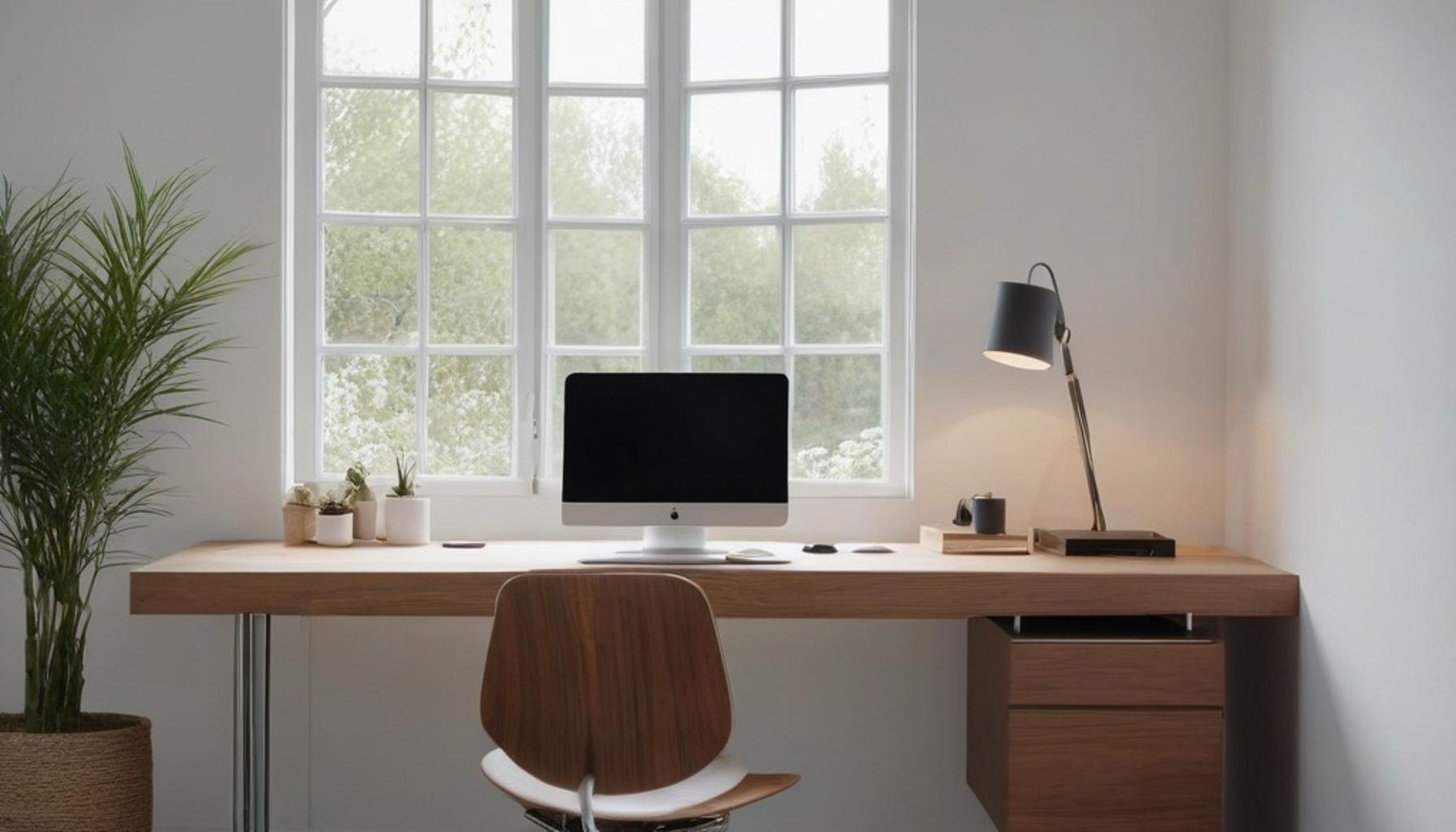
Minimalism design can significantly enhance personal organization in a home office by reducing visual clutter and emphasizing functionality. By using simple, clean lines and a limited color palette, it creates a calming environment that allows you to focus on tasks. This intentional design makes it easier to find necessary items and maintain an organized workspace.
What are some key principles of minimalism design that can be applied to personal organization?
Key principles of minimalism design include simplicity, functionality, and intentionality. By only incorporating items that serve a specific purpose and eliminating excess, you create a more organized environment. Additionally, using multi-functional furniture can maximize efficiency and promote a more streamlined aesthetic.
How does minimalism design affect mental clarity and focus in personal organization?
Minimalism design promotes mental clarity by eliminating distractions and creating a serene atmosphere. A streamlined space reduces cognitive load, allowing you to concentrate better on tasks. This sense of clarity contributes to improved productivity and overall feelings of well-being.
Can minimalism design be applied to digital personal organization, and if so, how?
Yes, minimalism design can be effectively applied to digital personal organization. By decluttering your digital workspace, such as using a simple file structure and limiting desktop icons, you create a more focused online environment. This helps in finding information quickly and fosters a more efficient workflow.
What role does color play in minimalism design and personal organization?
Color plays a crucial role in minimalism design, influencing mood and perception. A neutral color palette can create a calm atmosphere, while a few carefully chosen accent colors can highlight important areas or items, enhancing organization. By strategically using color, you can guide attention and create a more harmonious space.
How can I incorporate minimalism design principles into my closet organization?
To incorporate minimalism design principles into your closet organization, start by decluttering items you no longer love or wear. Use uniform hangers and storage containers to create a cohesive look, and arrange clothing by category or color for easy access. This not only streamlines your daily routine but also transforms your closet into an aesthetically pleasing space.

Linda Carter
Linda Carter is a writer specializing in minimalism and personal organization. With extensive experience helping readers create more functional and balanced routines, she shares practical advice on decluttering, organizing spaces, simplifying daily tasks, and making more intentional choices. Her goal is to offer clear guidance and accessible strategies that help people reduce excess, improve their surroundings, and enjoy a calmer, more organized lifestyle.