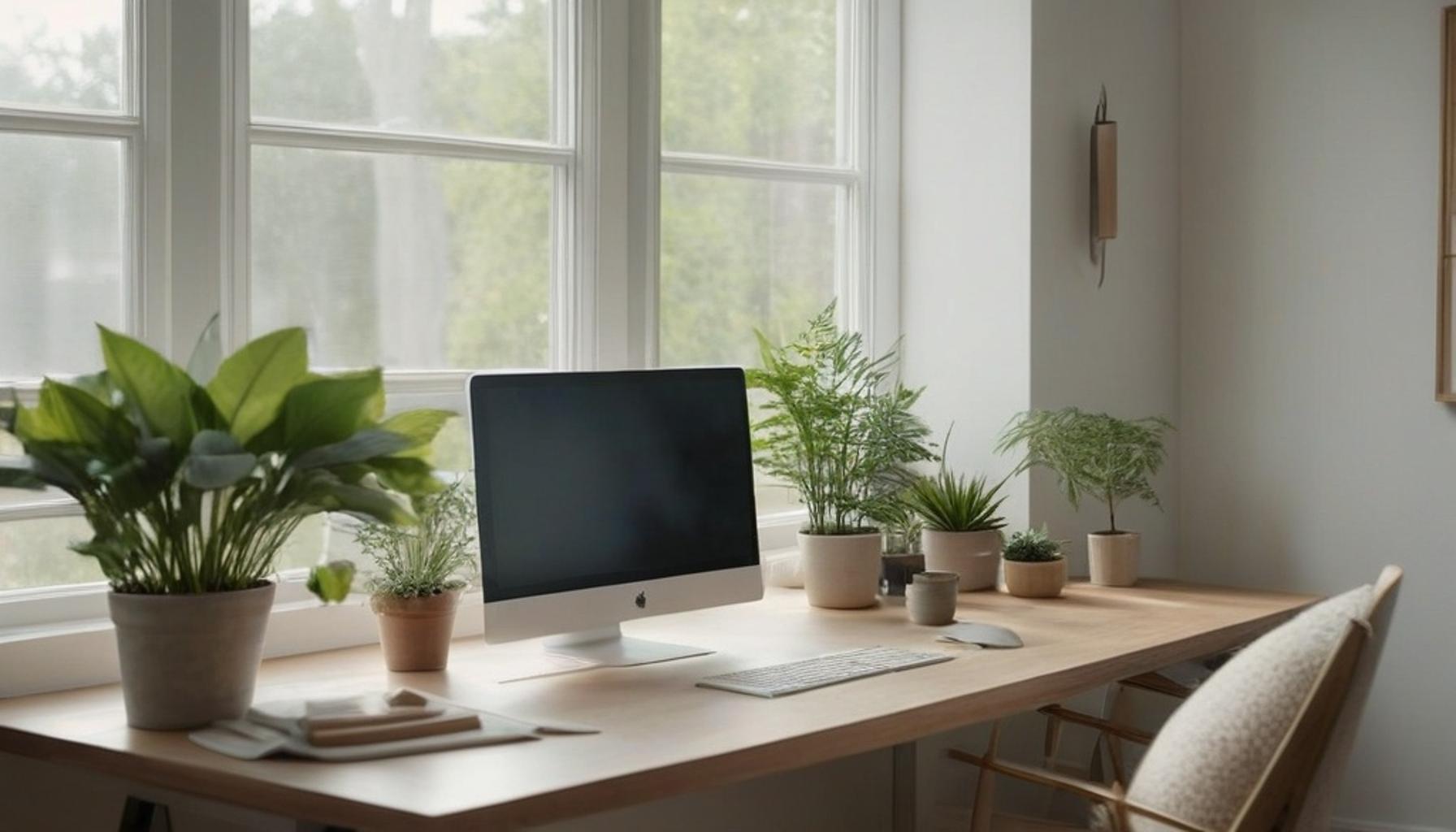
Designing a Minimalist Workspace for Maximum Productivity

Why Your Desk Might Be Sabotaging Your Focus
Americans spend an average of 8 hours a day tethered to a desk, yet many find their productivity hindered by a myriad of distractions lurking in their workspaces. A recent study conducted by Princeton University revealed that visual clutter competes for our attention, reducing the brain’s capacity to process information efficiently. This means that a disorganized desk is not merely a source of frustration but a significant roadblock to effective work and cognitive clarity.
In light of these findings, the concept of minimalist workspace productivity emerges as a compelling solution. It transcends mere aesthetics; it’s a scientifically supported method to reclaim focus in our increasingly noisy and distracting environments. Embracing minimalism in the office can lead to not just a better-looking workspace, but a more effective one, where clarity and productivity thrive.
What a Cluttered Desk Is Really Costing You
- Increased cortisol levels linked to visual chaos can lead to stress, making it harder to concentrate on tasks at hand.
- Reduced decision-making speed due to sensory overload can result in a longer time spent on simple tasks, overwhelming our cognitive resources.
- Lower task completion rates from constant micro-distractions can derail even the most focused worker, causing essential projects to linger incomplete.
Innovative companies like Google and Apple have long been advocates of minimalist office design. They recognize that by stripping away unnecessary furniture and digital clutter, they can create environments that significantly enhance employee productivity. For instance, Google’s open spaces and focus pods allow for varying degrees of collaboration while promoting a clear work mindset. The measurable productivity gains from such environments are a testament to the effectiveness of these design principles.
So, how do you transform your chaotic desk into a streamlined command center? This guide will break down the benefits of minimalist workspace setups and offer practical tips for a minimalist workspace. Additionally, it will provide step-by-step strategies for how to declutter your office without sacrificing functionality.
What You’ll Discover
- Proven workspace organization ideas utilized by top-performing professionals that help maintain focus and foster creativity.
- Budget-friendly tools for decluttering that can streamline your workspace in under an hour, making the process both effective and quick.
- Design principles that successfully balance simplicity with personal style, allowing your workspace to reflect your individuality without the mess.
Whether you’re working from a home office in bustling Austin or a corporate high-rise in busy Manhattan, universal principles guide minimalist design. A tidy, thoughtfully organized workspace can fundamentally transform how you work and interact with your environment. Let’s explore how less truly becomes more, aiding your journey towards peak productivity and calm in your work life.
RECOMMENDED: The Importance of Automation in Creating Efficient Systems for a Minimalist Life
The Science Behind Minimalist Workspace Productivity
Before diving into design tactics, it’s worth understanding why minimalist workspace productivity isn’t just a trendy buzzword. Researchers at the University of California, Irvine, found that it takes an average of 23 minutes and 15 seconds to fully refocus after a distraction. When your desk is littered with sticky notes, cables, and yesterday’s coffee cup, you’re essentially building a series of speed bumps into your workday. This notion extends beyond mere aesthetics; it reflects a deeper understanding of cognitive efficiency.
The brain processes visual information constantly, even when we’re not consciously aware of it. Every object in your peripheral vision represents a tiny cognitive tax. For example, a single unfiled document can keep you mentally occupied—its presence a constant reminder of unfinished business. Multiply this effect by dozens of items scattered across a desk, and you have a recipe for mental fatigue before lunch even arrives. Such distractions can culminate in decreased productivity and overall dissatisfaction with one’s work environment.
The Psychology of Empty Space
Interior designers and neuroscientists alike point to something called “cognitive load theory” to explain why minimalist office design works so effectively. Our working memory has limited capacity, and cluttered environments force the brain to filter out irrelevant stimuli constantly. The essence of cognitive load theory suggests that excessive information can overwhelm our capacity to process and analyze thoughts effectively.
In a cluttered workspace, the brain’s effort to segregate important information from the noise can sap valuable energy. A 2020 workplace study by Steelcase found that employees in simplified, well-organized environments reported 15% higher satisfaction and demonstrated measurably faster task completion compared to those in traditional, clutter-heavy offices. With clear lines and open spaces, employees often feel a sense of calm and control, paving the way for higher productivity.
Real-World Benefits You Can Measure
The benefits of minimalist workspace setups extend beyond feeling calmer. Companies and remote workers across the United States are reporting tangible outcomes that make a compelling case for decluttering.
- Faster task-switching — With fewer visual anchors pulling attention away, employees can transition between projects more fluidly. This is crucial in fast-paced industries, such as technology or marketing, where adaptability and speed are key.
- Improved memory recall — A Princeton Neuroscience Institute study confirmed that decluttered environments improve the brain’s ability to retain and process information. Such an environment is especially important for industries reliant on detail-oriented tasks, like finance or clinical research.
- Enhanced creative output — Teams at design firms like IDEO have noted that simplified spaces encourage more original thinking by removing subconscious mental noise. This creative clarity can manifest in innovative solutions that drive business success.
- Lower stress markers — Reduced visual chaos correlates with lower reported anxiety levels among office workers, according to workplace wellness surveys. According to these surveys, offices that prioritize a clean and organized environment see lower rates of employee burnout.
These concepts are not abstract and confined to academic journals. They translate directly into fewer missed deadlines, clearer decision-making, and a workspace that truly supports the way your brain wants to function. By basing your work environment on scientifically supported principles, you create an atmosphere conducive to productivity and well-being. Understanding this science lays the groundwork for the practical strategies ahead, where we’ll explore exactly how to declutter your office and implement lasting change that enhances not just individual productivity but organizational effectiveness as well.
RECOMMENDED: The Role of Digital Tools in Creating Efficient Minimalist Systems
Practical Tips for a Minimalist Workspace That Actually Works
Understanding the science is one thing; putting it into practice is where most people stumble. Achieving genuine minimalist workspace productivity requires more than tossing a few knickknacks into a drawer. It demands a systematic approach that addresses both physical clutter and digital chaos, since modern workspaces are rarely limited to what sits on a desk.
Start With the Three-Zone Method
Organizational consultants across the country increasingly recommend dividing your desk into three functional zones: an active zone for current tasks, a reference zone for frequently used tools, and a storage zone for everything else. This approach, popularized by productivity experts in cities like Austin and Seattle, offers one of the most effective workspace organization ideas available today.
The active zone should hold only what you’re using right now—your laptop, a notepad, perhaps a single pen. Everything else gets relegated to the other zones or removed entirely. This isn’t about deprivation; it’s about intentionality.
How to Declutter Your Office in Under an Hour
Many professionals assume decluttering requires a weekend-long overhaul. In reality, a focused hour can transform your environment. Here’s a streamlined process worth trying:
- Empty the entire desk surface — Start from zero. Placing everything back deliberately forces you to question each item’s necessity.
- Apply the 30-day rule — If you haven’t touched an item in the past month, it likely belongs in storage or the trash bin.
- Digitize paper trails — Apps like Evernote or Notion, widely used by American freelancers and corporate teams alike, can eliminate stacks of sticky notes and printed memos.
- Consolidate cables — Cable management boxes, available at retailers like Target or The Container Store, can hide the tangled wires that quietly contribute to visual noise.
Choosing Furniture That Supports Simplicity
Furniture selection plays an underappreciated role in minimalist office design. Desks with hidden storage compartments, monitor arms that lift screens off the surface, and chairs without excessive bulk all contribute to a cleaner sightline. Companies like Herman Miller and Fully have built entire product lines around this exact philosophy, reporting increased demand from remote workers seeking calmer home offices.
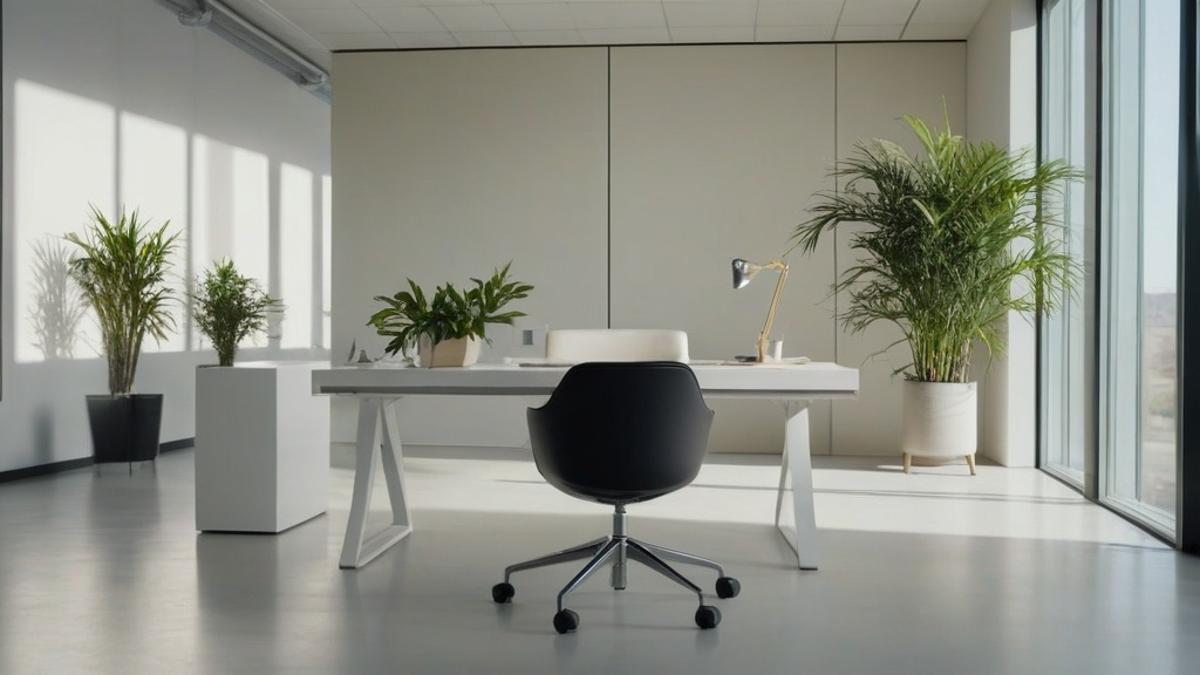
Color also matters more than most people realize. Muted tones—soft grays, warm whites, gentle wood finishes—tend to reduce visual stimulation compared to bright, mismatched furnishings. A workspace awash in neutral hues allows the mind to rest rather than constantly process contrast and pattern.
Digital Minimalism Deserves Equal Attention
One of the most overlooked tips for a minimalist workspace involves the screen, not the desk. Cluttered desktops, dozens of open browser tabs, and constant notification pings create cognitive load just as effectively as physical mess. Productivity researchers at Carnegie Mellon University found that excessive digital clutter can reduce working memory capacity by a measurable margin, mirroring the effects of physical disorganization.
Simple habits—closing unused tabs, organizing files into clearly labeled folders, and disabling nonessential notifications—extend minimalist principles into the digital realm where so much modern work actually happens.
CHECK OUT: How Efficient Systems Theory Can Transform Your Daily Routine in a Minimalist Way
The Bigger Picture: Simplicity as an Ongoing Practice
Redesigning a workspace is not a one-time weekend project that magically delivers lifelong focus. The real benefits of minimalist workspace design emerge only when the principles become habitual rather than decorative. A clean desk photographed for social media means little if the drawers behind it remain chaotic or if forty browser tabs quietly drain attention every afternoon.
What separates lasting change from a temporary tidy-up is consistency. Revisiting the three-zone method monthly, reapplying the 30-day rule to new belongings, and periodically auditing digital folders keeps minimalist workspace productivity from sliding backward. Clutter, both physical and digital, has a way of creeping back in without regular maintenance.
It is also worth remembering that minimalism looks different for every profession. A graphic designer juggling multiple monitors will define simplicity differently than a writer working from a single laptop. The goal is not to strip a space down to bare walls, but to remove whatever does not directly serve the work in front of you.
Employers, too, are taking notice. Companies across the tech and finance sectors have begun redesigning shared offices using the same principles once reserved for personal desks, citing measurable gains in employee focus and reported satisfaction.
Ultimately, a decluttered desk is simply the starting point. The deeper reward lies in the mental clarity that follows—fewer distractions, faster decision-making, and a workspace that finally feels like an asset rather than a source of quiet, constant noise.
Frequently Asked Questions
How can I choose the right furniture for my minimalist workspace?
When selecting furniture for a minimalist workspace, focus on pieces that are functional and simple in design. Opt for a desk and chair that promote good posture without unnecessary embellishments. Ensure that each item serves a specific purpose to maintain a clutter-free environment.
What essential tools should I have on my minimalist desk to enhance productivity?
A minimalist desk should include only the essential tools you need for your work, such as a computer, a notepad, and a few writing utensils. Consider using cable management solutions to keep cords organized and out of sight. Additionally, a small plant can add a touch of nature without overwhelming the space.
How can color choices impact my minimalist workspace productivity?
Color choices in a minimalist workspace can significantly affect your mood and productivity. Neutral colors like white, gray, and beige can create a calm atmosphere, while pops of color can stimulate creativity and focus. It’s essential to choose a color palette that resonates with you and contributes positively to your work environment.
What are the best organization tips for maintaining a minimalist workspace for productivity?
To maintain a minimalist workspace, regularly declutter your desk by removing items you don’t use frequently. Use storage solutions like drawers or desktop organizers to keep essential items handy but out of sight. Additionally, establish a habit of tidying your space at the end of each day to start fresh each morning.

Linda Carter
Linda Carter is a writer specializing in minimalism and personal organization. With extensive experience helping readers create more functional and balanced routines, she shares practical advice on decluttering, organizing spaces, simplifying daily tasks, and making more intentional choices. Her goal is to offer clear guidance and accessible strategies that help people reduce excess, improve their surroundings, and enjoy a calmer, more organized lifestyle.