The Power of the One-In-One-Out Rule: Maintaining a Clutter-Free Lifestyle
The Pervasive Nature of Clutter in American Homes
The average American household, according to the LA Times, holds an astonishing 300,000 items, a staggering number that speaks to a deeply embedded culture of consumption. With the self-storage industry ballooning into a $39 billion enterprise, it’s evident that Americans are not only acquiring more but also struggling to find space for all their possessions. Despite many attempts to declutter—from organizing hauls to investing in elaborate bin systems—clutter seems to resurrect itself with uncanny regularity. This phenomenon can be attributed to a fundamental oversight in popular decluttering strategies: they primarily address the symptoms of clutter, not its underlying causes.
A Simple Rule With Serious Impact
One innovative approach to combat this relentless cycle of clutter is the One-In-One-Out Rule. This straightforward principle, which is garnering support among minimalism advocates, dictates that for every new item brought into the home, one must depart. This may sound simple enough, but the implications are profound.
This method fundamentally overturns traditional decluttering practices, which often encourage large-scale purges done infrequently. Instead of waiting until a home is engulfed in clutter, the One-In-One-Out Rule fosters a sustainable, ongoing system that helps prevent clutter from multiplying in the first place. By enforcing this routine, each new purchase or gift prompts a thoughtful consideration of what existing item can be sacrificed, creating a mindful space that encourages intentional living.
What This Article Will Cover
- Practical application of the rule in various areas of the home, from crowded closets to cluttered kitchens
- An exploration of why this approach is more effective than typical organizing methods
- Real-life anecdotes illustrating implementation in different household contexts
- Common pitfalls that could derail the effectiveness of this system
- Long-term tips for successfully organizing your home using this method
Whether you’re facing the challenge of unworn clothing or overwhelmed by an array of kitchen gadgets that rarely see the light of day, this rule provides a practical, low-effort path toward achieving a genuinely clutter-free lifestyle. Through the incorporation of this simple habit, individuals can transform their living spaces, leading to not only a more enjoyable home environment but also a shift in mindset toward consumption and ownership. Keep reading to uncover how a single habit can lead to significant, lasting changes in your everyday life.
YOU MAY ALSO LIKE: The KonMari Method: Transforming Your Space and Mindset
At its core, the One-In-One-Out Rule is a decision-making filter that facilitates a balanced approach to managing personal belongings. Every time an item crosses your threshold—be it a new pair of sneakers, a kitchen gadget, or a birthday gift from a well-meaning relative—you commit to removing a comparable item from your home. This process is not about deprivation; rather, it emphasizes maintaining equilibrium in your living space. The primary goal is to prevent the total volume of possessions from expanding uncontrollably year after year, which can lead to feelings of overwhelm and disorder.
This rule sets itself apart from conventional decluttering methods, such as seasonal cleanouts, which often demand significant time and effort, including blocking off an entire weekend for a massive organizational project. Instead, the One-In-One-Out Rule operates in real time, functionally integrating into your life. There’s no need for elaborate binder systems, intricate color-coded labeling, or costly organizational products. Rather, you adopt a simple mental checkpoint to enforce the rule before and after every purchase.
Applying the Rule Room by Room
The beauty of this clutter-free lifestyle strategy lies in its adaptability. It can be tailored to fit nearly any space within the American home, including:
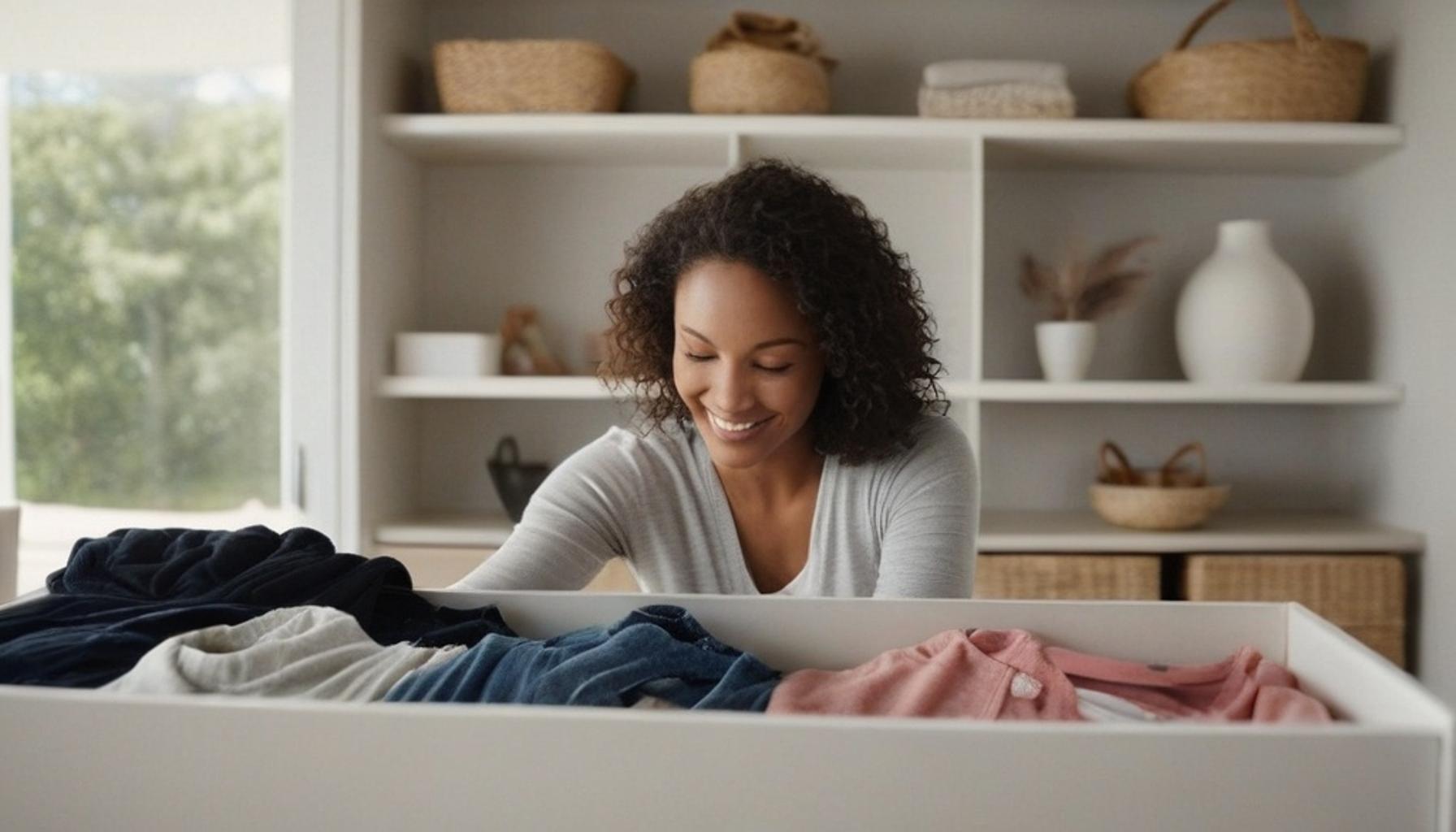
- Closets: If you buy a new sweater, consider donating an older, rarely worn piece to a local thrift store like Goodwill or participating in a community clothing swap. This not only creates space but also fosters goodwill by allowing someone else to benefit from an item you no longer need.
- Kitchens: When acquiring that trendy air fryer accessory, ensure that an underused appliance—like a forgotten waffle maker—makes its exit too. This practice not only clears counter space but also encourages thoughtful purchasing decisions based on utility.
- Children’s rooms: The excitement of the holidays or a birthday often brings new toys. Implementing the rule means that for every new toy, one that your child has outgrown must go. This promotes a simplified play environment, allowing kids to focus on their most cherished items.
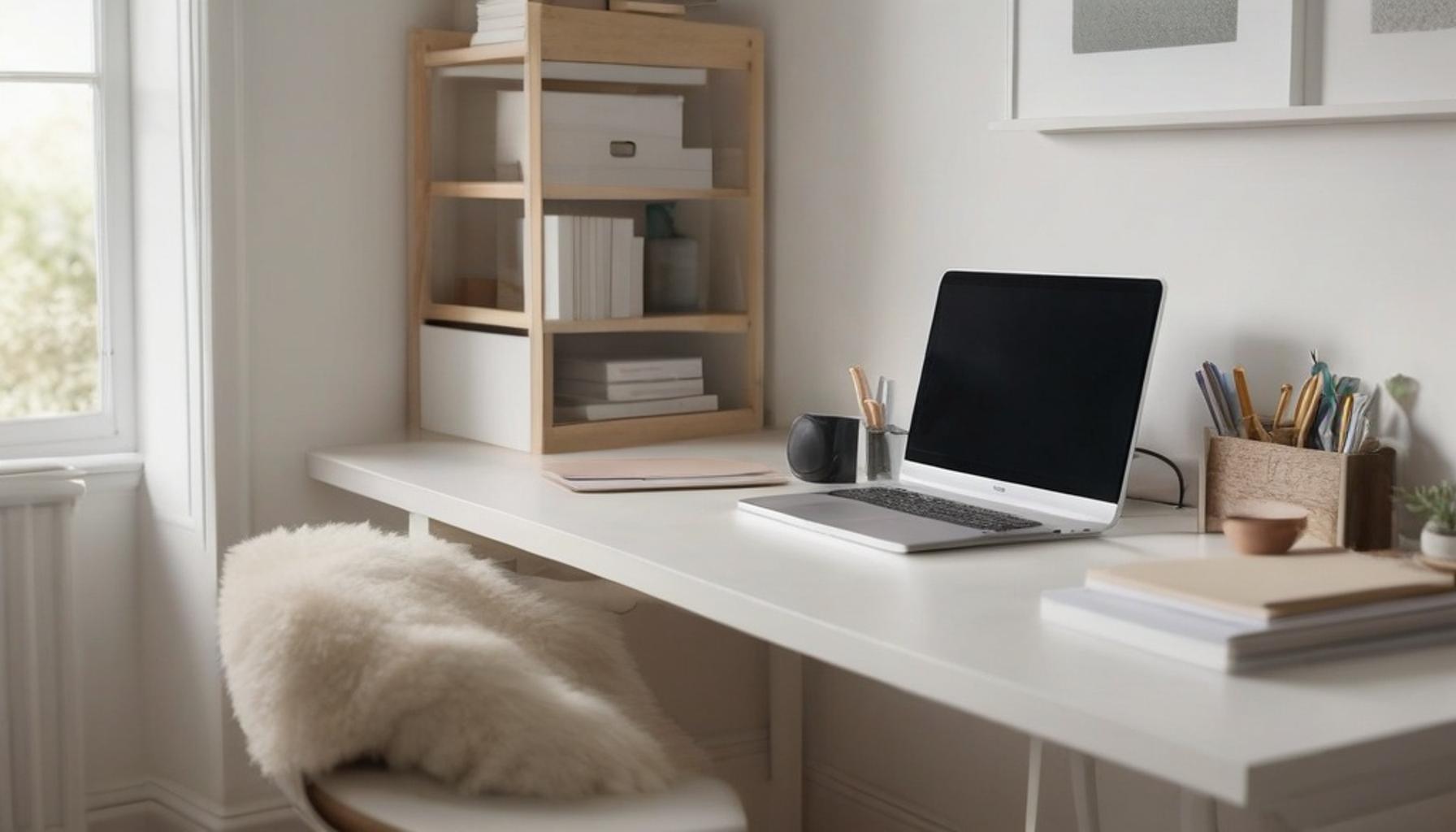
- Home offices: The arrival of a new notebook, gadget, or desk accessory prompts a thoughtful review of what’s accumulating dust. This process ensures that your workspace remains productive and uncluttered.
This room-by-room application separates the rule from vague advice to simply “declutter more.” It provides homeowners with concrete, repeatable actions that are intrinsically tied to their existing behaviors related to acquisition, leading to sustainable changes in how we view ownership and space.
Why Timing Matters
Experts in minimalist living emphasize that timing is crucial when practicing the One-In-One-Out Rule. Removing an item weeks or months after a new one arrives often causes the effectiveness of the rule to diminish, leading to clutter accumulation in the interim. The most effective practitioners prioritize this exchange, treating it as a non-negotiable step in the purchasing process, much like paying for an item at checkout.
This immediacy transforms the rule from a passive intention into an active organizing habit. By fostering mindful consumption rather than reactive cleanup, individuals can shift their perspective on ownership. As households across the U.S. grapple with overflowing storage units and packed garages seeking solutions, this small shift in timing can make the difference between lasting change and another failed attempt at reducing clutter.
By implementing the One-In-One-Out Rule, you not only cultivate a cleaner space but also pave the way for a more intentional lifestyle. Embracing this practice can create a sense of freedom and control over your environment, ultimately enhancing your quality of life.
| Aspect | Description |
|---|---|
| Simplicity | The One-In-One-Out Rule promotes a clutter-free lifestyle by ensuring that every new item brought into your home requires eliminating an old one, fostering simplicity. |
| Mindful Consumption | This rule encourages mindfulness in purchases, leading to deliberate choices that enhance your space and reflect your values in minimalist living. |
| Emotional Clarity | The practice can provide emotional benefits, helping to reduce stress and anxiety associated with cluttered environments. |
| Boosts Organization | Applying the One-In-One-Out Rule consistently can lead to better organization, as it naturally takes a proactive approach to maintaining order in your home. |
CHECK OUT: Emotional Decluttering: Free Yourself from Excess Feelings and Create Space for the New
The Psychology Behind the Rule and Its Real-World Impact
Behavioral researchers have long studied why Americans accumulate possessions far beyond practical need. According to self-storage industry data, the United States has more than 50,000 self-storage facilities—more than all McDonald’s, Starbucks, and Subway locations combined. This staggering figure underscores a national tendency to store rather than shed, making the One-In-One-Out Rule a timely countermeasure to this cultural pattern.
Psychologists point to the “endowment effect” as a key barrier to letting go of items. This cognitive bias causes people to overvalue possessions simply because they own them, regardless of actual utility. The One-In-One-Out Rule directly confronts this bias by forcing an immediate trade-off, making the emotional attachment to a new item contingent on releasing an old one.
Financial Benefits Beyond Tidiness
While most conversations about decluttering tips focus on aesthetics and mental clarity, the financial implications deserve equal attention. Consumers practicing this rule often report a measurable slowdown in impulse purchases, since the requirement to remove something creates a natural pause before buying.
This pause functions similarly to a “cooling-off period,” a tactic already used in consumer protection law for major purchases. By mentally rehearsing what you’d need to give up, you introduce friction into spending decisions, which can lead to noticeably reduced credit card debt over time.
- Resale opportunities: Items removed under this system can often be sold through platforms like Poshmark, eBay, or Facebook Marketplace, turning clutter into supplemental income.
- Reduced storage costs: Households that maintain this practice frequently avoid the need for rented storage units, which average over $180 per month for a standard unit in many U.S. metro areas.
- Lower replacement spending: Knowing an item’s exit is tied to a new purchase encourages buying higher-quality goods designed to last, rather than disposable alternatives.
A Tool for Sustainable Living
Beyond personal finance, the rule intersects meaningfully with environmental concerns. The Environmental Protection Agency estimates that Americans generate over 12 million tons of textile waste annually, much of it stemming from fast fashion and impulsive buying habits. Practicing reducing clutter through mindful exchange directly limits contributions to this waste stream.
Donation-based removal, rather than disposal, extends this benefit further. Organizations such as Goodwill Industries and The Salvation Army rely heavily on consistent donations to fund community programs, meaning your commitment to organizing your home can generate a ripple effect of social good.
Ultimately, this approach aligns closely with broader principles of minimalist living, where value is placed on intentionality rather than accumulation. Rather than viewing the rule as restrictive, many practitioners describe it as liberating—an ongoing checkpoint that keeps both wallets and living spaces in healthier balance.
YOU MAY ALSO LIKE: 5 Effective Decluttering Strategies for Minimalism Beginners
Rethinking Consumption One Item at a Time
The One-In-One-Out Rule is far more than a tidying trick. It is a lens through which Americans can examine their relationship with consumption, ownership, and space. What begins as a simple household guideline often evolves into a broader recalibration of values.
Across the country, from studio apartments in New York City to suburban homes in Texas, the same pattern emerges: less inventory means less friction in daily life. Fewer decisions about what to wear, where to store items, or how to organize closets translate into measurable mental bandwidth.
Small Habit, Lasting Ripple Effect
This is not a quick-fix trend destined to fade like other viral decluttering tips. Its staying power comes from working with human psychology rather than against it, using structure to offset impulsive tendencies.
Consider the numbers referenced throughout this discussion—50,000 self-storage facilities, $180 monthly storage fees, and 12 million tons of annual textile waste. Each statistic tells the same story: unchecked accumulation carries real financial and environmental costs that most households underestimate.
- For finances: less impulse spending and more intentional purchases.
- For the home: sustained order without constant deep-cleaning overhauls.
- For the planet: reduced landfill contributions through consistent donation habits.
A Sustainable Path Forward
Adopting this method does not require dramatic lifestyle upheaval. It simply asks for a pause before every purchase, a moment to weigh whether the trade-off truly makes sense.
As more households search for practical ways of organizing your home and reducing clutter, this rule stands out because it is sustainable, repeatable, and rooted in behavioral science rather than fleeting trends.
Ultimately, the true power of this approach lies in its simplicity. It transforms minimalist living from an abstract ideal into a daily, actionable habit, one that quietly reshapes how Americans define enough. For anyone seeking a lasting clutter-free lifestyle, the next step is clear: start with just one item today, and let the balance follow naturally.
Frequently Asked Questions
How does the One-In-One-Out Rule help in decluttering?
The One-In-One-Out Rule helps declutter by enforcing a system where you must remove an item from your space every time you acquire something new. This prevents accumulation and encourages mindful consumption, making you think critically about what you truly need.
Can the One-In-One-Out Rule be applied to digital clutter as well?
Yes, the One-In-One-Out Rule can be effectively applied to digital clutter. For every new app or file you download, consider deleting one that you no longer use or need, helping maintain an organized digital environment.
What types of items should I focus on for the One-In-One-Out Rule?
You can apply the One-In-One-Out Rule to various items, including clothing, household goods, and electronic gadgets. Focus on areas that tend to attract clutter, such as your closet or kitchen, to make sure you’re consistently reducing items.
How can I get family members to follow the One-In-One-Out Rule?
To encourage family members to follow the One-In-One-Out Rule, discuss its benefits and make it a fun challenge. Creating a family habit, such as a monthly declutter day, can help instill this principle across everyone’s belongings.
What are the long-term benefits of consistently using the One-In-One-Out Rule?
Consistently using the One-In-One-Out Rule can lead to a more organized living space, reduced stress, and improved mental clarity. Over time, it cultivates a habit of mindful consumerism, resulting in less impulse buying and a greater appreciation for the items you choose to keep.
Is the One-In-One-Out Rule effective for large collections, like books or shoes?
Yes, the One-In-One-Out Rule can be very effective for large collections, such as books or shoes. By committing to this rule, you can slowly reduce your collection to a more manageable size while ensuring that each new addition is carefully considered.

Beatriz
Beatriz Johnson is a seasoned minimalist and writer with a passion for simplifying the complexities of personal organization and intentional living. With over a decade of experience in decluttering strategies and mindful consumption, she specializes in topics like space optimization, habit simplification, and sustainable lifestyle choices. Through her work on our website, Beatriz empowers readers to embrace minimalism, reduce mental and physical clutter, and create more meaningful, organized lives in today's fast-paced world.