Pet First Aid Guide: What Every Guardian Should Know
The Importance of Pet First Aid Knowledge
Every pet guardian knows that emergencies can happen when we least expect them. In the case of our furry friends, being prepared with a solid pet first aid guide can make a pivotal difference in their well-being. Knowledge in this area isn’t just helpful; it can save lives. As responsible pet owners, having the ability to respond swiftly and efficiently to emergencies is essential.
Key Benefits of Learning Pet First Aid
Equipping yourself with essential first aid skills can profoundly impact your pet’s safety. Here are three compelling reasons to invest time in this critical area:
- Immediate Response: Emergencies, such as a dog getting into chocolate or a cat suffering a cut, can occur without warning. Knowing how to act quickly can significantly reduce further injury or complications. For instance, if your pet is bleeding, applying pressure to the wound may save them from more severe blood loss.
- Calmness Under Pressure: The ability to remain calm and composed in a crisis can create a more reassuring environment for your pet. Animals often react to their guardian’s emotions; thus, your confidence in handling a situation can help to stabilize theirs, which is crucial in emergencies.
- Preventative Measures: Understanding first aid doesn’t just prepare you for when things go wrong, but it also highlights ways to avoid future incidents. For example, knowing the dangers of certain foods can prevent accidental poisoning.
Essential Topics to Explore
From identifying common ailments to performing basic procedures, awareness can empower you as a pet guardian. Key areas of knowledge include:
- Common Signs of Distress: Understand the signs that indicate your pet may be unwell, such as excessive panting, lethargy, or unusual behavior. For instance, a dog that suddenly becomes anxious or starts to hide may be experiencing pain.
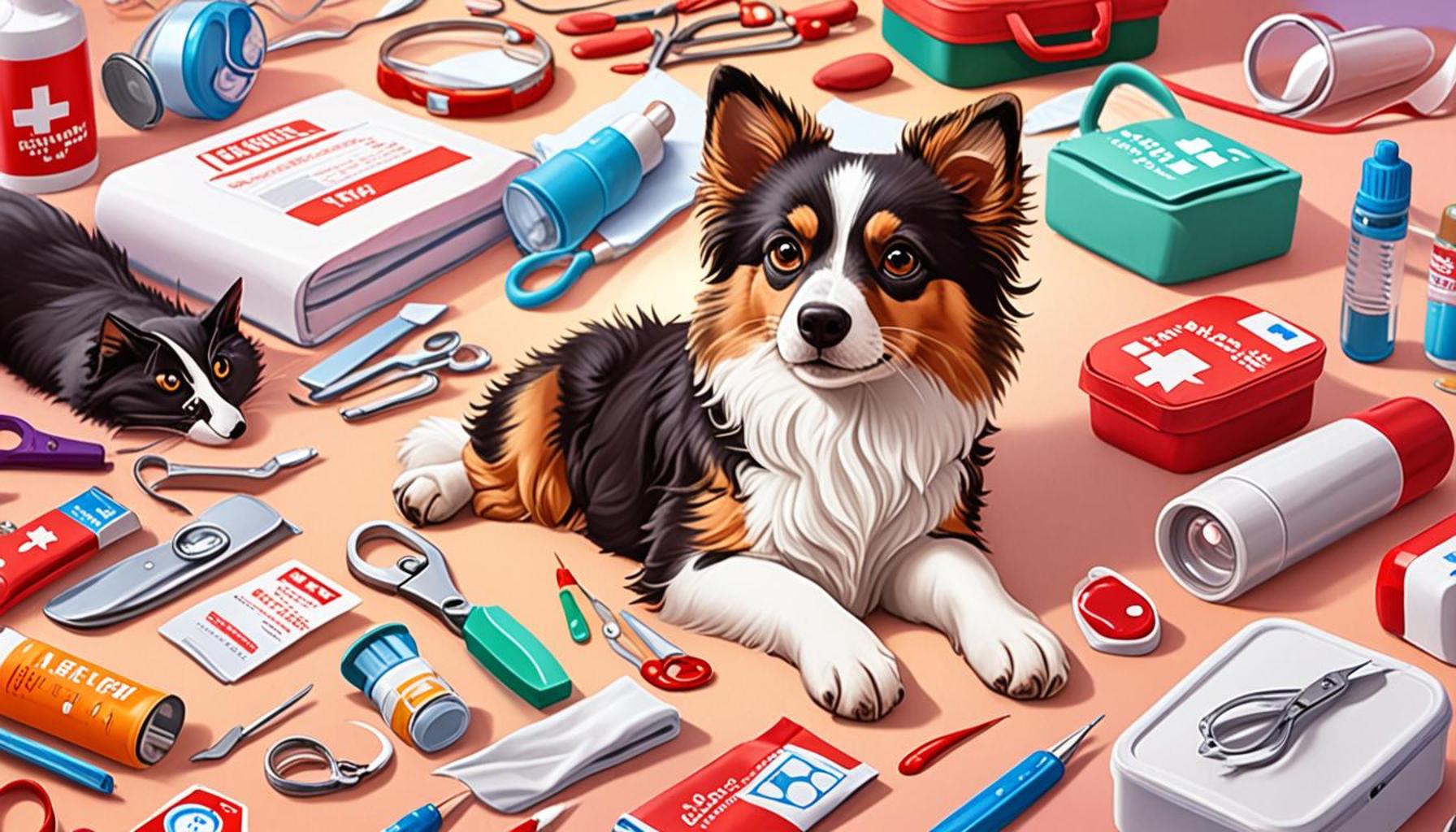
- Essential Supplies for a Pet First Aid Kit: A well-stocked first aid kit tailored for pets typically includes items like gauze, adhesive tape, antiseptic wipes, and a digital thermometer. Familiarizing yourself with the contents and knowing how to use each item is key to effective care.
- Basic CPR Techniques and Choking Response: Learning how to perform CPR on your pet can be crucial in life-threatening situations. You should know the correct chest compression methods and how to conduct the Heimlich maneuver on dogs and cats. These skills could make all the difference in an emergency.
Incorporating pet first aid skills not only fosters a deeper bond between you and your beloved companion, but is also vital in ensuring their safety and health. Take the time to explore the world of pet first aid—the knowledge you gain could protect your furry friend in critical moments. Engage with local workshops, online courses, or even your veterinarian for guidance in mastering these lifesaving techniques.
LEARN MORE: Click here for essential tips
Recognizing Signs of Distress in Pets
One of the critical aspects of pet first aid is the ability to recognize the signs that your animal may require immediate attention. Animals cannot vocalize their discomfort, so it is essential for guardians to develop keen observational skills. Changes in behavior, posture, or physical condition can all indicate that something is amiss.
Key Indicators to Watch For
Understanding the various symptoms that signal distress can empower you in an emergency scenario. Here are some common signs that your pet may be unwell:
- Excessive Panting: While panting can be a typical response to heat or exercise, if your pet is panting excessively while resting, it can indicate pain, respiratory issues, or heat exhaustion.
- Lethargy or Unusual Behavior: If your normally energetic dog suddenly becomes lethargic or your cat hides for long periods, it could be a sign of underlying health problems.
- Gastrointestinal Distress: Vomiting or diarrhea, especially if persistent, requires prompt attention. It can be indicative of poisoning or infections and can quickly lead to dehydration.
- Difficulties in Breathing: Look for signs of labored breath or coughing. This may indicate severe conditions that warrant immediate veterinary intervention.
- Changes in Appetite or Drinking Habits: A sudden decrease or increase in how much your pet eats or drinks can signal health issues that should be investigated.
Being observant can enable you to administer timely first aid measures when necessary. Additionally, maintaining a relationship with your veterinarian will keep you informed about health milestones that could affect your pet’s safety.
Creating a Comprehensive First Aid Kit
Once you understand how to spot distress signals, the next step is ensuring you are equipped to respond to emergencies. A well-prepared pet first aid kit can be a literal lifesaver in critical moments. It’s advisable to have this kit readily accessible, whether at home or in the car.
Your kit should ideally include:
- Gauze and Adhesive Tape: Essential for controlling bleeding and dressing wounds.
- Antiseptic Wipes: Used to clean wounds and reduce the risk of infection.
- Digital Thermometer: Monitoring temperature can help you assess your pet’s condition accurately.
- Pet-Safe Pain Relievers: Consult your veterinarian for recommendations on which medications are suitable.
- Emergency Contact Information: Keep a list of your veterinarian’s contact details and the nearest emergency clinic, as well as information about your pet’s medical history.
Familiarizing yourself with the items in your first aid kit and how to use them will prepare you for any situation. Investing in this knowledge today could mean the difference between life and death for your beloved companion tomorrow.
Essential First Aid Knowledge for Pet Guardians
Understanding basic first aid for pets can be invaluable in emergency situations. It’s crucial for every guardian to possess essential knowledge that could mean the difference between life and death for your furry companions. Knowing the signs of distress and how to respond promptly can save valuable time while waiting for veterinary assistance. Familiarizing yourself with your pet’s normal behavior, dietary needs, and any pre-existing health conditions is equally important in identifying potential emergencies.
Common Pet Emergencies
Pet emergencies can include anything from choking and bleeding to poisoning or heat stroke. It’s critical to remain calm and act quickly. For instance, if a pet is choking, knowing the Heimlich maneuver specifically for your pet’s size can be lifesaving. Similarly, recognizing the symptoms of poisoning—such as vomiting, trembling, or seizures—can help you take immediate action to contact a veterinarian.
Preparation and Supplies
Every pet guardian should have a well-stocked first aid kit tailored for their pet’s specific needs. This kit should include items like adhesive bandages, gauze, antiseptic wipes, tweezers, and a digital thermometer. Additionally, including an emergency contact list, which consists of the local veterinary clinic, an emergency animal hospital, and poison control, is highly advisable. Regularly checking and updating your supplies will ensure you are always prepared.
First Aid Training
Consider attending a pet first aid class or certification program. These comprehensive training sessions can provide hands-on experience and professional guidance on how to handle a variety of situations. Learning from experts allows you to practice techniques in simulated emergencies, preparing you to respond confidently and effectively in real-life scenarios.
Learn About Your Pet’s Needs
Different species and breeds have unique health considerations that must be addressed. For instance, a large dog may have different first aid requirements compared to a small breed. Additionally, older pets may be more susceptible to specific issues, such as arthritis or heart conditions. Keeping informed about your pet’s breed-specific risks can significantly increase their safety and well-being.
| Advantage | Description |
|---|---|
| Peace of Mind | Knowing you have the tools and knowledge to help your pet in an emergency can significantly reduce stress. |
| Informed Decisions | Being prepared allows you to make quick and informed decisions, which can lead to better outcomes for your pet. |
Final Thoughts
Being a responsible pet guardian involves more than just providing food and shelter. It includes being prepared to handle emergencies with confidence and care. Staying informed about first aid essentials for pets can significantly impact your ability to provide timely assistance when it matters most.
DISCOVER MORE: Click here to learn about overcoming adoption challenges
Emergency Procedures Every Guardian Should Know
In a crisis, every second counts. Whether your pet has sustained a serious injury or is experiencing an acute medical emergency, knowing how to act swiftly and effectively can be vital. Here are some essential emergency procedures that every pet guardian should be familiar with:
CPR for Pets
Just like humans, pets can suffer from cardiac arrest, and knowing how to perform CPR can be a lifesaver. The steps differ slightly between dogs and cats, but the principles remain the same. For larger dogs, begin by checking for a pulse and ensuring the airway is clear. If there’s no pulse, place your hands just behind the ribcage and push down firmly, allowing the chest to rise fully in between compressions. Aim for a rate of 100-120 compressions per minute.
For smaller dogs and cats, you can perform compressions using one hand. Utilize two fingers to push down on the chest, aligning your hands with the heart, generally located behind the front legs. Always check for breathing regularly. If the pet is not breathing, alternate between 30 compressions and 2 rescue breaths, sealing your mouth around their snout and breathing gently into their nose.
Managing Choking Hazards
If your pet is choking, their distress signals are likely to be evident. Signs may include pawing at the mouth, coughing, gagging, or a bluish tint to their tongue or gums. For dogs, try the Heimlich maneuver by holding them with their back against your chest. Place a fist just below the rib cage and thrust upward, repeating until the obstruction is expelled.
For cats, carefully flip them over so they are upright, and then use your hands to apply pressure to their abdomen just below the ribs. It’s critical to act quickly, as a blocked airway can lead to loss of consciousness.
Treating Wounds and Burns
In the case of wounds, whether from cuts or scrapes, ensure the area is clean. Apply gentle pressure with sterile gauze to control bleeding. Once the bleeding has stopped, clean the area with antiseptic wipes from your first aid kit and cover it with a bandage. Never apply ointments meant for people, as they can be toxic to pets.
For burns, whether from heat or chemical exposure, cool the area immediately with cold (not ice) water for several minutes. Seek veterinary help immediately, as burns can lead to infections quickly.
Recognizing and Addressing Poisoning
Pet poisoning can occur from ingesting common household items like chocolate, grapes, or certain over-the-counter medications. Signs of poisoning may include vomiting, diarrhea, lack of coordination, or seizures. If you suspect your pet has ingested something toxic, have your veterinarian’s contact information handy and call for guidance. Many veterinary offices offer 24-hour emergency lines to assist in these situations.
Additionally, keeping a list of toxic plants and foods is wise for pet guardians, allowing you to keep hazardous items out of reach. Should an emergency arise, knowing that you have prepared your home can avert potential crises.
Having a comprehensive understanding of these emergency procedures is crucial to providing proper care for your pet in times of need. By equipping yourself with knowledge, you affirm your role as a responsible pet guardian and secure your pet’s well-being in emergencies.
DISCOVER MORE: Click here to learn about customizing diet plans for pets
Conclusion: Essential Preparedness for Every Pet Guardian
As a responsible pet guardian, understanding the fundamentals of pet first aid is a critical aspect of ensuring your beloved companion’s safety and well-being. Emergencies can happen at any time, and being equipped with the knowledge of CPR, wound management, and choking response can profoundly impact outcomes during a crisis. Additionally, recognizing signs of poisoning and knowing how to access emergency resources can save your pet’s life.
Preparation is key; having a well-stocked pet first aid kit at home and an emergency contact list readily accessible can make all the difference. Familiarize yourself with potential household hazards and toxic substances that could endanger your pets. By taking these proactive steps, you’re not only protecting your furry friends but also investing in peace of mind for yourself.
Moreover, consider enrolling in a first aid course specifically designed for pets. Such training can enhance your confidence and decision-making skills during emergencies, allowing you to act quickly and decisively when every moment matters. As you cultivate this expertise, you embrace the vital role of a pet guardian, ensuring that your pets receive the best possible care when they need it most.
In conclusion, empowering yourself with the knowledge detailed in this Pet First Aid Guide will not only prepare you for unexpected situations but also deepen your bond with your pet. Your preparedness and proactive measures in their care exemplify the true essence of responsible guardianship.