The importance of education on care for adopted pets: resources and programs available

The Importance of Education in Pet Adoption
Adopting a pet is one of the most rewarding decisions a person can make, but it comes with significant responsibilities that require knowledge and commitment. Understanding how to care for adopted pets is crucial for their well-being and happiness. This responsibility extends beyond simply providing food and shelter; it encompasses knowledge of proper veterinary care, behavioral training, nutrition, and even socialization techniques. Education plays a vital role in ensuring that new pet owners are equipped with the necessary skills and insights to provide a loving and safe environment for their furry companions.
Why Knowledge is Key
Having a solid foundation in pet care not only fosters a happier life for pets but also enriches the lives of the families that welcome them. The benefits include:
- Better understanding of animal behavior: Knowing what to expect from a pet’s behavior can help prevent misunderstandings and reduce conflicts. For instance, understanding canine body language can help an owner recognize when their dog is anxious or nervous, leading to quicker interventions and a more harmonious household.
- Improved health and longevity for pets: Educated pet owners are more likely to maintain regular veterinary check-ups and adhere to vaccination schedules, ensuring their pets lead longer, healthier lives. For example, understanding the importance of dental health can motivate owners to establish dental care routines, thus preventing oral diseases.
- Stronger bond between pets and their owners: When owners engage in training and enrichment activities based on their pets’ specific needs, they foster a deeper connection that can transform their relationship into a true partnership.
In the United States, various programs and resources are available to help guide new pet adopters. From local animal shelters to online educational platforms, these initiatives aim to:
Available Resources for Pet Education
- Workshops hosted by shelters and humane societies: Many local shelters offer hands-on workshops that cover topics ranging from puppy training to emergency first aid for pets, giving owners practical skills and confidence in their caregiving.
- Free online courses on pet care basics: Platforms such as Petfinder and the ASPCA provide accessible online courses that detail everything from training commands to proper nutrition tailored for various pet types.
- Community support groups for new pet owners: Joining a community group on social media or in person allows pet owners to share experiences, ask questions, and gain insights from fellow pet lovers. These interactions can create a support network that is invaluable, especially for first-time pet owners.
- Printed guides and manuals provided at adoption centers: Upon adopting, many shelters offer comprehensive guides covering essential topics that aid in a smoother transition for both the pet and the owner.
These resources not only educate owners but also promote responsible pet ownership, thereby reducing the chances of abandonment and neglect. For instance, according to the ASPCA, pets that leave shelters and are placed in well-informed homes have a significantly lower return rate compared to those without proper guidance. As we delve deeper into this topic, it’s evident that the commitment of pet ownership extends far beyond the moment of adoption. Let’s explore the essential programs and resources available for those who have opened their hearts and homes to adopted pets, ensuring a loving and secure environment for their new companions.
DISCOVER MORE: Click here for essential tips
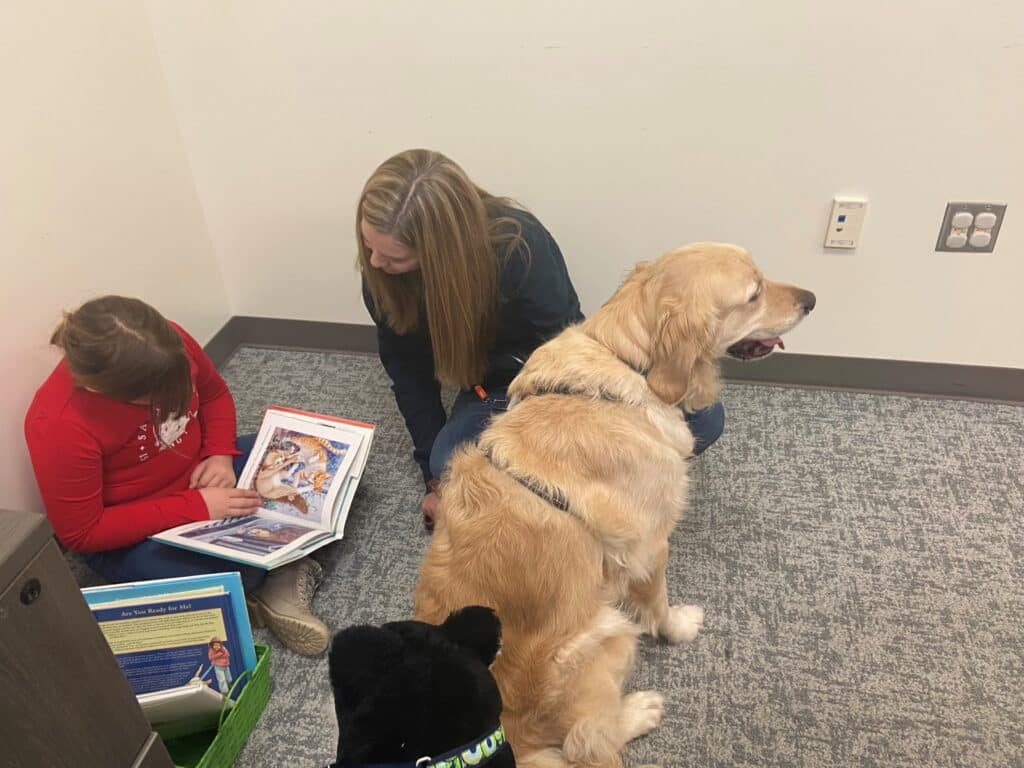
Comprehensive Education for Responsible Pet Ownership
The journey of pet ownership does not conclude with the joyful moment of adoption; rather, it embarks on a rewarding path that requires continuous learning and adaptation. As society recognizes the importance of education in pet care, various avenues have emerged to equip potential pet owners with the knowledge they need. These programs are designed to address a variety of concerns, from basic care to advanced behavioral understanding, ultimately leading to improved outcomes for both pets and their families.
One of the foremost educational initiatives lies in pre-adoption counseling provided by shelters and rescue organizations. Before completing the adoption process, potential owners often engage in discussions with adoption counselors who can assess suitability and provide critical insights about the responsibilities tied to pet ownership. This early educational intervention enables prospective pet owners to reflect on their lifestyle choices, living conditions, and personal preferences, ensuring that they are highly prepared to welcome a new family member.
Hands-On Learning Opportunities
In addition to pre-adoption counseling, many animal shelters offer a variety of hands-on training workshops that cover essential topics for new pet owners. These workshops might include:
- Puppy Training Basics: Covering socialization, basic commands, and positive reinforcement techniques.
- Pet First Aid and CPR: Providing emergency care knowledge, which is critical during health crises.
- Understanding Canine and Feline Behavior: Insights on how to interpret pet behavior can help owners cater to their animal’s needs more effectively.
Such programs create a safe environment where new pet parents can ask questions and receive practical demonstrations from experienced trainers. They help to build confidence in pet ownership, allowing adopters to feel more at ease as they navigate the transition into responsible caregiving.
Moreover, online resources have gained traction among new pet owners eager to learn at their own pace. Renowned organizations such as the American Society for the Prevention of Cruelty to Animals (ASPCA) and Petfinder offer robust online courses and instructional videos covering a wide range of topics, including diet management, behavioral modification, and routine veterinary care. These platforms allow pet owners to familiarize themselves with best practices before adopting, thus minimizing the likelihood of mishaps down the line.
Non-profit organizations also provide printed materials, brochures, and guides that can be immensely helpful in the initial stages of pet parenting. These resources often serve as quick references for ongoing challenges, such as training correction, behavioral concerns, and dietary needs, ensuring that new pet owners feel supported every step of the way.
By embracing educational opportunities available through shelters, online platforms, and community groups, new pet owners are better equipped to face the multifaceted aspects of adoption. This dedication to learning ultimately leads to happier homes, fewer returns to shelters, and healthier, more well-adjusted pets. As we continue this examination of available programs, it becomes clear that education is not just a tool, but a fundamental component of a successful and fulfilling pet ownership experience.
| Resource/Program | Benefits |
|---|---|
| Adoption Training Programs | These programs equip new pet owners with essential skills to care for their adopted pets, enhancing the bond between them and their furry friends. |
| Webinars on Pet Care | Online sessions provide pet owners with current information about health, nutrition, and behavioral management—key factors in responsible pet ownership. |
| Local Community Workshops | These workshops foster a sense of community among pet owners, allowing them to share experiences and gain insights into effective pet care practices. |
Education plays a vital role in ensuring that adopted pets receive the love and care they deserve. Programs like adoption training not only prepare new pet owners for the responsibilities that come with pet ownership but also emphasize the importance of fostering a nurturing environment. When potential pet adopters participate in these enriching experiences, they are more likely to make informed decisions that ultimately lead to successful adoptions.Furthermore, the rise of online resources, such as webinars, is revolutionizing pet education. Owners can easily access professional advice regarding various topics, including wellness and training tips, which are critical for the long-term well-being of their adopted pets. Community workshops serve as another layer of support, empowering pet owners with practical knowledge and the ability to network with fellow pet enthusiasts. Collectively, these resources highlight the significance of ongoing education in responsible pet ownership, ultimately influencing positive outcomes for both pets and their human companions.
DON’T MISS: Click here to learn why socialization matters
Community Engagement and Support Networks
Education surrounding pet ownership transcends individual workshops and online courses; it thrives in the realm of community engagement and support networks. An integral aspect of responsible pet ownership is connecting with fellow pet enthusiasts and caretakers, facilitating the exchange of valuable experiences and insights about caring for adopted pets.
Local animal shelters and rescue organizations often foster community through support groups and social events, where pet owners can gather to share their triumphs and challenges. These gatherings not only encourage bonding among pets and their families but also serve as a platform for learning from one another. Many shelters invite local veterinarians, trainers, and animal behaviorists to speak, providing attendees with up-to-date information and techniques that may not be covered in typical workshops.
Furthermore, initiatives like dog training classes and pet playdates have gained traction in suburban and urban areas across the United States. These classes and events emphasize the social aspect of animal care, allowing owners to learn behavior management techniques while their pets engage in play. The collaborative environment fosters a deeper understanding of animal behavior, paving the way for better training outcomes.
Utilizing Technology in Pet Care Education
The pervasive influence of technology cannot be overlooked when discussing education in pet care. With the rise of social media platforms, pet owners can easily access a wealth of information at their fingertips. Online communities, such as Facebook groups and Instagram pages dedicated to pet care, create spaces for users to ask questions, seek advice, and showcase their pets’ progress.
Additionally, mobile applications aimed at pet care have emerged as powerful tools. Apps like Pawtrack and Pet First Aid offer guidance on everything from health tracking to emergency preparedness. These resources ensure that crucial information is always accessible, allowing pet owners to make informed decisions quickly and efficiently.
The integration of technology also extends into virtual training. Many organizations now offer live streaming classes and pre-recorded sessions on platforms like Zoom and YouTube, enabling users to learn from the comfort of their homes. This approach has proved especially beneficial for those with mobility challenges or those who reside in areas with limited access to in-person training.
Resources for Continued Learning
Continuous education is vital for maintaining an enriching environment for adopted pets. Numerous nonprofit organizations host conferences and seminars focused on current topics in pet care, such as nutrition and behavioral health. A prominent example is the National Animal Welfare Conference, which regularly features speakers from diverse backgrounds, introducing pet owners to emerging strategies and research.
Moreover, resource databases like PetMD and the Humane Society of the United States provide a wealth of articles and expert advice on pet health and wellness. Accessing such resources empowers pet owners to make informed decisions about their animals’ care, enhancing their understanding of multiple aspects of pet ownership.
The importance of education encircling the care for adopted pets cannot be understated. As a society, we must recognize that informed pet owners contribute to happier pets and healthier communities. By taking advantage of the myriad of resources and programs available, potential and current pet owners are undoubtedly investing in the welfare and happiness of their animal companions.
LEARN MORE: Click here to discover the benefits of portion control
Conclusion
The journey of adopting a pet is not just about providing a loving home; it also calls for a commitment to ongoing education regarding their care. Understanding the importance of education in the realm of adopted pet ownership equips individuals with the knowledge and confidence necessary to nurture their furry companions effectively. The resources and programs available today, from local workshops to online courses, create a wealth of opportunities for learning about pet health, behavior, and nutrition.
Moreover, the role of community engagement cannot be overlooked. By connecting with fellow pet owners through support groups and social events, individuals can share experiences and gain insights that enhance their understanding of responsible pet ownership. These interactions not only foster a network of support but also promote the well-being of pets within the community.
In an era dominated by technology, the accessibility of information through websites, apps, and social media plays a crucial role in pet care education. Virtual platforms encourage ongoing learning and resource sharing that can profoundly impact the lives of adopted pets. Continued education workshops, like those held at the National Animal Welfare Conference, showcase the latest trends and research, keeping pet owners informed and engaged.
Ultimately, the well-being of adopted pets relies heavily on the commitment of their owners to stay informed and proactive. By leveraging the available resources, both online and within the community, pet owners can ensure that their companions lead fulfilling, happy lives. The journey of education in pet care is ongoing, and every new piece of knowledge acquired builds a stronger bond between humans and their beloved pets, which benefits not just the animals themselves but contributes to healthier communities as a whole.