The Importance of Socialization in Puppy Development: Strategies for a Well-Adjusted Dog
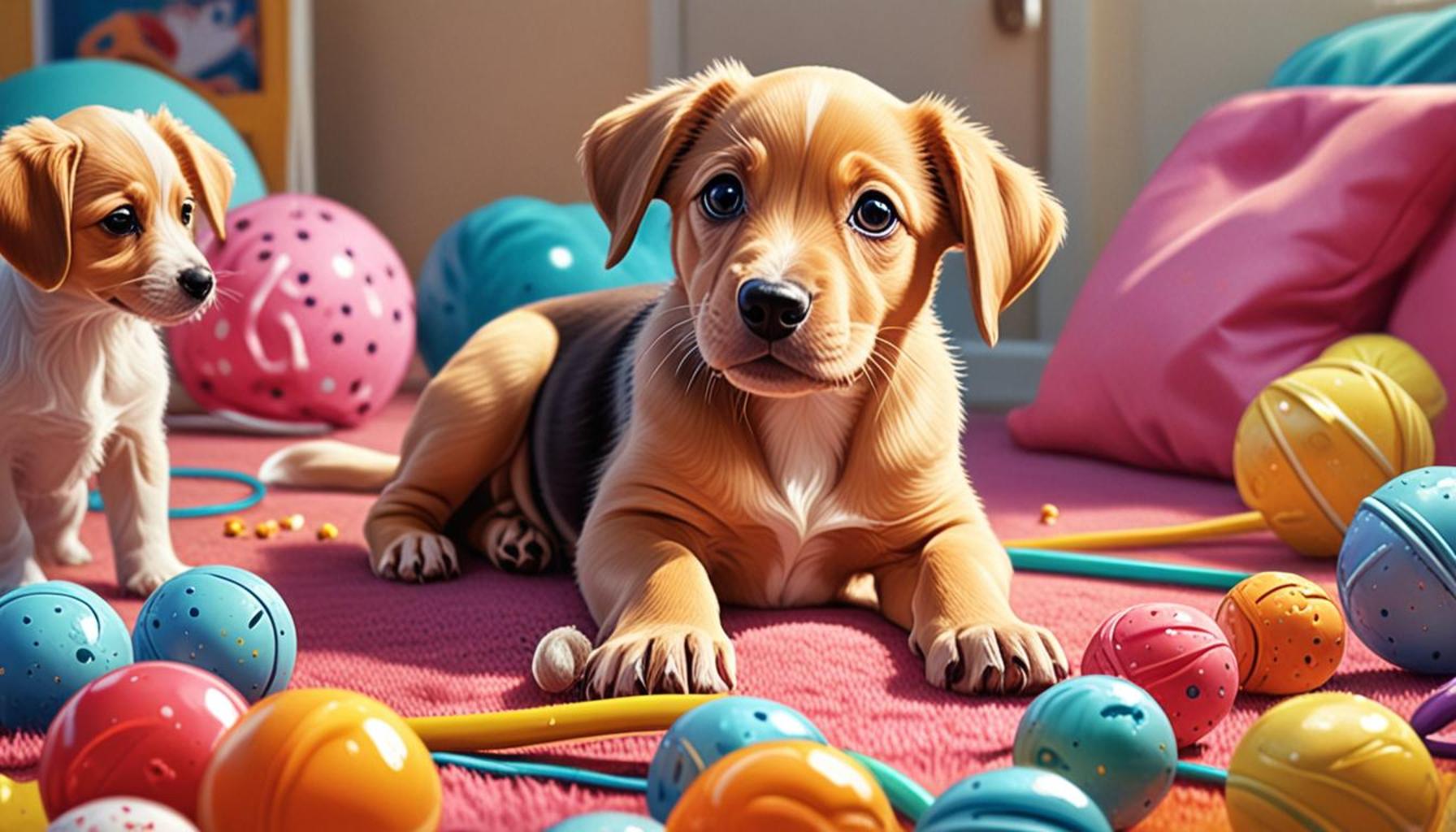
The Importance of Early Puppy Development
The early stages of a puppy’s life are not just adorable; they are crucial for their overall development. During the critical window between 3 to 14 weeks of age, puppies undergo significant changes in their ability to interact with the world. Proper socialization during this time helps to shape a well-adjusted companion, ultimately setting the stage for a happy and fulfilling relationship with both humans and other animals.
Why Socialization Matters
Socialization is not merely a transient phase; it serves as the cornerstone for lifelong behavior patterns. Engaging puppies in diverse environments lays the groundwork for their emotional stability and adaptability. Exposure to different people, animals, and experiences can be likened to opening a treasure chest of opportunities for mental and emotional growth. By introducing your puppy to:
- Different people and animals: Meeting a range of individuals—from children to elderly folks—and various animals—like cats and other dogs—teaches puppies how to navigate social dynamics.
- Varied sounds and sights: Urban environments can be rich in stimuli, introducing your puppy to the sounds of traffic, construction, and familiar noises like vacuum cleaners. Such exposure can minimize overreactions to these stimuli in adulthood.
- New experiences: Activities such as car rides, visits to pet stores, or even trips to the vet can be invaluable. They help instill confidence and reduce anxiety over new situations.
Research has shown that puppies who experience a wider range of social interactions during this critical period tend to be more balanced, adaptable adults. This foundation can significantly reduce anxiety and fearfulness later in life, making socialization a vital ingredient in developing a well-rounded dog.
How to Socialize Your Puppy
Implementing effective socialization strategies can ensure your puppy grows into a confident and sociable dog. Here are some recommendations:
- Enroll in puppy classes: These are structured environments where puppies can interact with one another under the guidance of professionals. Besides socializing, your puppy will learn essential commands.
- Arrange playdates: Organize meetings with other vaccinated dogs. A relaxed home setting can create a safe space for puppies to play and learn appropriate behaviors from each other.
- Introduce basic obedience training: Early training sessions not only reinforce good behavior but can also serve as an opportunity for different social interactions. Teaching commands like ‘sit’ or ‘stay’ can enhance communication between you and your puppy, deepening your bond.
By prioritizing socialization, dog owners have the opportunity to create a nurturing environment for their puppies. This proactive approach creates the foundation for not just a confident dog but also a loyal companion who can adapt well to life’s challenges and changes.
DISCOVER MORE: Click here for insights on portion control
Understanding the Critical Period for Socialization
The first few months of a puppy’s life are filled with opportunities for growth and development. This phase is often referred to as the critical period for socialization, extending from approximately three weeks to sixteen weeks of age. During these crucial weeks, a puppy’s brain is highly receptive to new experiences, making it the ideal time to expose them to a wide range of stimuli. Scientific studies focusing on canine behavior consistently point to the importance of this timeframe, suggesting that the experiences puppies have during this stage can significantly impact their behavior for life.
Key Benefits of Early Socialization
By embracing the socialization process, puppy owners can unlock a variety of benefits that contribute to a dog’s long-term well-being. Here are some essential advantages of socializing your puppy:
- Reduced Fear and Anxiety: A well-socialized puppy is less likely to develop fears and anxiety in response to new stimuli. Early exposure helps them learn to approach unknown situations with curiosity rather than fear.
- Improved Behavior: Puppies that lack socialization can exhibit problematic behaviors such as excessive barking, biting, or aggression. A strong foundation in social skills helps mitigate these issues before they escalate.
- Stronger Human Bonds: Socialization fosters trust and understanding between the puppy and human companions. This bond is crucial for a well-adjusted dog and a harmonious household.
Notably, a dog’s temperament is often a reflection of its early socialization experiences. According to experts in animal behavior, puppies that miss critical socialization opportunities are more prone to develop behavioral problems as adults. In fact, shelters frequently report that many behavioral issues leading to abandonment can be traced back to insufficient socialization in early development.
Implementing Socialization Strategies
To effectively navigate this critical window, it’s vital to implement structured socialization strategies. Here are several techniques to ensure your puppy is well-prepared for doggy adulthood:
- Expose to Various Environments: Take your puppy to different locations, such as parks, busy streets, and friends’ homes. The goal is to encounter a variety of sights, sounds, and smells.
- Utilize Puppy Playgroups: Arrange for playdates with other puppies or friendly dogs. This allows for positive interactions under your observation, teaching them how to communicate and play appropriately.
- Encourage Positive Associations: Whenever your puppy encounters a new experience, pair it with positive reinforcement like treats and praise. This builds a positive framework and helps your puppy associate new situations with good outcomes.
With these strategies in place, dog owners can proactively influence their puppy’s social development, paving the way for a confident, well-adjusted dog. Socialization is a key ingredient in cultivating not only a loving pet but one that can thrive in the varied landscapes of life alongside humans and other animals.
The Importance of Socialization in Puppy Development: Strategies for a Well-Adjusted Dog
Puppy socialization is not merely a fun activity; it is a critical component of their overall development. During the initial stages of their lives, puppies undergo a sensitive period known as the “sensitive socialization period,” which generally lasts until they are about 16 weeks old. This period is when they are most receptive to new experiences, environments, people, and other animals. Proper socialization during this time can lead to improved behavior and lower anxiety levels in adulthood. Implementing gentle, positive introductions to various stimuli can help young dogs build confidence and adaptability. Engaging puppies in social settings that include different sounds, sights, and smells can desensitize them to new experiences that would otherwise elicit fear or aggression. To promote well-adjusted behavior, consider exposing your puppy to diverse environments, ranging from busy parks to quieter neighborhoods. To further emphasize the importance of socialization, research has shown that puppies that receive adequate exposure to varied circumstances during their early stages are less likely to develop behavioral issues later in life. Additionally, skillful training during the socialization period can establish stronger bonds between the puppy and its owner, facilitating better communication and understanding. Taking advantage of structured puppy classes is also an effective way to ensure proper socialization. These classes not only allow puppies to interact with their peers in a controlled environment but also provide guidance on managing interactions. A well-adjusted dog thrives in the company of others, making the investment in socialization activities a pivotal aspect of responsible pet ownership. Now, let’s explore the advantages of socialization with the following table that outlines essential categories related to the importance of socialization in puppy development.
| Category | Advantages of Socialization |
|---|---|
| Exposure to New Environments | Increases adaptability and confidence in various settings. |
| Interaction with Other Dogs | Teaches appropriate play behavior and reduces fear of other animals. |
| Engagement with People | Fosters positive behaviors around strangers and prevents shyness. |
Exploring these categories showcases the necessity for early socialization and the positive outcomes it yields for a well-adjusted dog. Further, realizing that such experiences can shape a puppy’s behavior and overall temperament may inspire dog owners to take action sooner rather than later.
DISCOVER MORE: Click here to learn about pet vaccinations
Challenges and Misconceptions about Puppy Socialization
While the benefits of socialization are clear, many puppy owners face challenges and harbor misconceptions about the process. Addressing these barriers is crucial for ensuring successful socialization experiences that foster a well-adjusted dog.
Common Misconceptions
One prevalent misconception is that puppies will simply “grow out” of fearful behaviors or aggression if left alone during critical socialization periods. Unfortunately, this is not the case. Behavior experts warn that failing to adequately socialize puppies can lead to ingrained fears and behavioral issues that persist into adulthood. In fact, a study published in the Journal of Veterinary Behavior indicates that puppies lacking early socialization encounters are more likely to develop specific phobias and display aggressive tendencies as adult dogs. Understanding that socialization is not merely a phase but a fundamental building block in a puppy’s emotional development is vital for owners.
Another common assumption is that socialization only involves interactions with other dogs. While puppy playdates and dog parks are essential, they represent merely one piece of the puzzle. It is equally important for puppies to experience diverse environments, human interactions, and varying sights and sounds, such as those encountered in urban settings or around children. Engaging with a broad spectrum of experiences reinforces adaptability and resilience in dogs.
Overcoming Challenges in Socialization
One of the most significant challenges faced by puppy owners is the fear of their dog developing negative behaviors when exposed to new situations. This concern can lead to overprotectiveness, preventing valuable social opportunities. To combat this, owners should utilize gradual exposure techniques, introducing their puppy to new stimuli slowly and in controlled environments.
Additionally, a structured approach to socialization, like enrolling in puppy kindergarten or enrichment classes, can provide much-needed guidance. These settings offer professional insight into social development, alongside the chance to meet other puppies and learn key skills in a supportive atmosphere. According to the American Kennel Club, puppies who attend training classes are likely to exhibit improved social skills and obedience, further reducing the likelihood of behavioral issues.
The Role of Owners in Socialization
Puppy owners play a pivotal role in their pet’s socialization journey. It is essential for them to model calm and confident behavior when introducing their puppy to new environments or experiences. Dogs are incredibly perceptive; when owners exhibit anxiety or uncertainty, puppies are likely to react in kind, interpreting the situation as potentially threatening. Thus, owners should strive to remain composed, offering reassurance and encouragement as their puppy navigates new situations to foster trust.
Additionally, regular follow-up socialization experiences are necessary. The process does not stop after the critical period; lifelong socialization will continue to help the dog adapt to new changes, whether moving to a new home or welcoming a family member. By creating a well-rounded socialization plan that encompasses a variety of experiences throughout a dog’s life, owners can cultivate a stable, confident companion.
The Long-Term Impact of Socialization
Ultimately, socialization leaves an indelible mark on a dog’s life. Research indicates that puppies who undergo proper socialization are not only more balanced and adaptable but also exhibit better overall health, both physically and mentally. A well-adjusted dog is less likely to face issues such as separation anxiety or aggression, leading to a happier life for both pets and their owners.
Understanding the importance of socialization extends beyond a simple checklist of activities; it encompasses a holistic approach to nurturing a dog’s emotional well-being. By recognizing misconceptions and actively engaging in positive socialization practices, owners can lay the groundwork for a rewarding relationship with their canine companions.
DIVE DEEPER: Click here to learn about the importance of hydration in your pet’s diet
Conclusion: Nurturing a Well-Adjusted Canine Companion
In summary, the journey of socializing a puppy is not merely a phase but a crucial component in fostering a well-adjusted dog. From building confidence to minimizing behavioral issues, the importance of early and diverse socialization experiences cannot be overstated. Each encounter—whether with other dogs, people, or various environments—contributes to a puppy’s emotional toolkit, shaping a resilient, adaptable adult dog.
Moreover, educating ourselves as owners about common misconceptions and challenges can unlock a more profound understanding of our role in puppy development. By recognizing that socialization is an ongoing commitment, owners can continually provide their pets with rich and varied experiences. Effective strategies such as seeking professional guidance, employing gradual exposure techniques, and remaining calm during introductions are pivotal in easing the process and enhancing the outcome.
Ultimately, investing time and effort into socializing puppies not only enriches their lives but also benefits the human-animal bond, leading to many joyous years together. With a well-adjusted dog by our side, we are not only creating companions but also enriching our own lives with loyalty, love, and unwavering friendship. For those looking to delve deeper into the importance of socialization in puppy development, plentiful resources, community classes, and expert advice are available to guide every puppy owner in this vital journey.