The importance of vaccination and disease prevention in pets: a guide for new owners
Understanding Pet Health
Pets are more than just companions; they are family members who rely on us for their care and well-being. As a new pet owner, one of your critical responsibilities is ensuring their health through vaccination and preventive measures. Ignoring these vital aspects can lead to severe consequences for your furry friends. Ensuring your pet’s health is not merely about avoiding illness; it’s about enriching their lives to enjoy the longest, happiest possible journey by your side.
Why Vaccination Matters
Vaccinations protect pets from a range of deadly diseases. These vaccines are not just a requirement but a crucial aspect of responsible pet ownership.
- Preventable Diseases: Vaccines can shield your pet from illnesses such as rabies, parvovirus, and distemper. For example, parvovirus is a highly contagious virus that can lead to severe dehydration and death in young puppies. By vaccinating, you significantly reduce the chances of your pet contracting such illnesses.
- Community Impact: Vaccinated pets contribute to herd immunity, which helps protect vulnerable animals and, by extension, humans. In places where rabies remains prevalent, having a vaccinated pet can reduce the overall risk in the community, fostering a safer environment for everyone.
- Cost-Effective Care: Vaccination is often more affordable than treating severe illnesses. The cost of a single vaccination can often be a fraction of the cost incurred from hospitalizations or treatments resulting from vaccine-preventable diseases.
Beyond Vaccination: Disease Prevention
In addition to vaccinations, exploring effective disease prevention strategies is crucial in maintaining your pet’s health. Regular veterinary visits are paramount in this aspect.
- Regular Vet Visits: Routine check-ups can catch potential health issues early. This is particularly important for conditions that may not show immediate symptoms. For instance, dental disease can develop quietly and lead to more severe health issues if left unchecked.
- Proper Nutrition: A balanced diet strengthens the immune system and contributes to overall health. High-quality pet food that meets industry standards is essential, as it provides the nutrients needed to fight off infections and maintain a healthy weight. For instance, dogs and cats fed on a diet rich in omega fatty acids may have healthier skin and coats.
- Flea and Tick Control: Preventing infestations is vital for maintaining health and comfort. Fleas and ticks can transmit various diseases, such as Lyme disease in dogs and cat scratch fever in humans. Regular preventative treatments can help keep these pests at bay.
In this guide, we will delve deeper into the importance of vaccination and disease prevention. Stay informed about the latest veterinary recommendations and take proactive measures for your pet’s health. Equip yourself with knowledge to provide the best care for your pet, ensuring a healthier and happier life together.
DISCOVER MORE: Click here to learn about the costs of pet adoption
Essential Vaccines for Your Pet
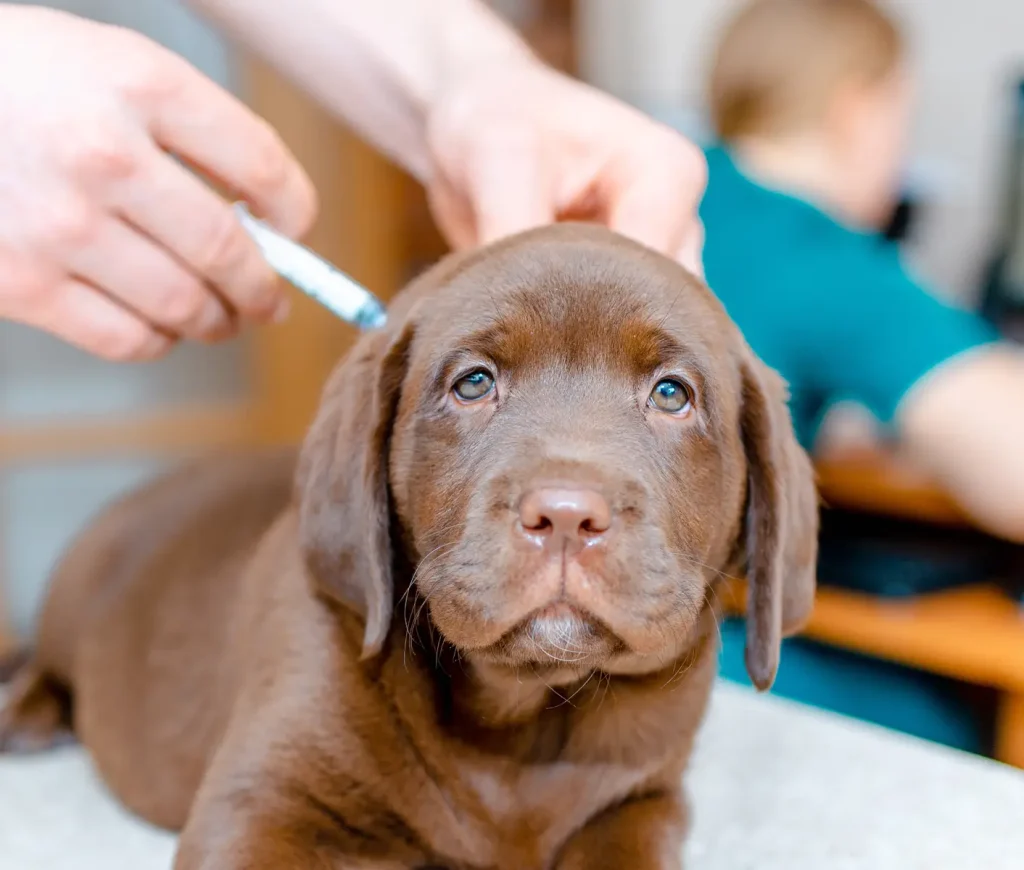
As a new pet owner, understanding the specific vaccines your pet needs is crucial to their health and longevity. Vaccinations are not a one-size-fits-all approach; various factors such as species, breed, age, and lifestyle influence which vaccines are necessary. Discussing these details with your veterinarian can help tailor a vaccination schedule that best serves your pet’s individual needs.
Core vs. Non-Core Vaccines
Vaccines are generally categorized into core and non-core vaccines. Core vaccines are universally recommended for all pets, while non-core vaccines are dependent on the pet’s environment and lifestyle.
- Core Vaccines for Dogs: Essential vaccines include rabies, distemper, parvovirus, and adenovirus. These diseases can have severe effects on your dog’s health, with parvovirus being particularly devastating for young puppies.
- Core Vaccines for Cats: For felines, the core vaccines include rabies, feline viral rhinotracheitis (FVR), calicivirus, and panleukopenia. These viruses can lead to respiratory illnesses and other significant health concerns, particularly in young or immunocompromised cats.
- Non-Core Vaccines: The necessity of non-core vaccines depends on factors like exposure risk and regional disease prevalence. For dogs, this may include vaccines for bordetella (kennel cough) or leptospirosis. For cats, options might include the feline leukemia virus (FeLV) vaccine.
The Importance of Adhering to Vaccination Schedules
Following a proper vaccination schedule is vital to ensure your pet is protected. Most vaccines require boosters, especially during the first year of life, to build a robust immune response. Missing a vaccination appointment can leave your pet susceptible to preventable diseases.
Additionally, some vaccines might be required for boarding, grooming, or participating in group activities. Understanding these requirements not only prepares you but also helps create a safer community for all pets.
Monitoring Your Pet’s Health Post-Vaccination
After your pet receives their vaccinations, it is essential to monitor them for any adverse reactions. While serious side effects are rare, mild reactions such as swelling at the injection site or lethargy can occur. Always consult your veterinarian if you notice anything unusual, as prompt attention can ensure your pet remains healthy and happy.
Ensuring your pet is up-to-date on vaccinations creates a solid foundation for their health. The importance of these preventive measures cannot be overstated, as they prevent not only individual suffering but also contribute to the overall health of the pet community. By understanding and adhering to these guidelines, you embrace your role as a responsible pet owner committed to your companion’s well-being.
| Advantages of Vaccination | Disease Prevention Impact |
|---|---|
| Protection Against Infectious Diseases | Vaccination helps to shield pets from severe illnesses such as distemper, parvovirus, and rabies, ensuring they stay healthy. |
| Community Health Benefits | Immunizing your pet contributes to herd immunity, which decreases disease spread within the general pet population. |
| Cost-Effective Healthcare | Vaccination can be less costly in the long run, as preventing diseases avoids expensive treatments and emergencies associated with unvaccinated diseases. |
| Improved Quality of Life | Vaccinated pets lead healthier lives with fewer health issues, allowing for more active and joyful interactions with their owners. |
Vaccination is an essential practice in pet ownership, as it ensures not only the health of your pet but also the wellness of other animals and humans around them. Understanding the necessity and benefits of vaccines enables new pet owners to make informed decisions that positively impact their furry companions’ lives. Through routine veterinary care and consistent vaccination schedules, pets can be protected against a myriad of preventable conditions. It’s crucial for new owners to educate themselves about the vaccination process and stay proactive in their pets’ healthcare journey. Regular check-ups with a veterinarian can provide tailored advice and ensure your pet is up to date on necessary vaccinations. This foundational knowledge equips owners to advocate effectively for their pets’ health and longevity.
DIVE DEEPER: Click here to discover how to pick the perfect toys for your furry friend</p
Understanding the Role of Preventive Care
Vaccination is just one piece of the larger puzzle that ensures your pet’s overall health. Equally important is the concept of preventive care, which encompasses regular veterinary visits, proper nutrition, exercise, and hygiene. By viewing pet health from a holistic perspective, you not only enhance your pet’s quality of life but also reduce the chances of serious, costly medical treatments in the future.
The Significance of Regular Veterinary Visits
Establishing a routine check-up schedule with your veterinarian is paramount. These visits allow for the monitoring of your pet’s growth, development, and health status. Typically, adult dogs and cats should have an annual check-up, while puppies and kittens may need to visit more frequently during their first year. Veterinarians can detect subtle health changes that may not be noticeable at home, helping to catch potential issues before they become more serious. Blood tests, fecal examinations, and lifestyle assessments provided during these visits are crucial for maintaining optimal health.
The Importance of Nutrition and Exercise
A balanced diet tailored to your pet’s age, breed, and health needs is essential in disease prevention. High-quality pet food provides the necessary nutrients to support a robust immune system. In particular, advocates emphasize the role of antioxidants and vitamins in bolstering immunity against infections. Moreover, obesity can lead to numerous health complications, including diabetes, heart disease, and joint issues, making exercise a critical component of preventive care. Regular physical activity not only aids in weight management but also promotes mental stimulation and emotional well-being.
Parasite Control: An Overlooked Necessity
While vaccines protect against viral and bacterial diseases, they do not guard against parasites such as fleas, ticks, and heartworms. Parasite prevention should be an integral part of your pet care routine, particularly in regions where these pests are prevalent. Monthly preventative treatments are available in various forms, including topical solutions and oral medications. Heartworm disease, often unnoticed until advanced, can be deadly but is preventable with proper medication. Consulting with your veterinarian can help determine the best preventive measures tailored to your pet’s lifestyle.
Understanding the Wrinkles of Local Regulations
As you navigate the responsibilities of being a new pet owner, it’s also crucial to familiarize yourself with local laws regarding pet ownership and vaccination. Different states and municipalities may have specific requirements regarding rabies vaccinations and other preventive measures. Understanding legal obligations not only keeps you compliant but also serves as a reminder of the risks certain diseases pose to public health, especially in densely populated areas.
Through a comprehensive approach that combines vaccination, routine veterinary visits, nutrition, and parasite control, new pet owners can contribute significantly to their furry friends’ long-term health and happiness. Each of these elements plays a vital role in fortifying a pet’s defenses against disease, ensuring that they live a longer, healthier life by your side.
DISCOVER MORE: Click here to learn about managing your pet’s diet!
Conclusion: A Lifelong Commitment to Health
As a new pet owner, understanding the importance of vaccination and disease prevention is pivotal in establishing a solid foundation for your furry companion’s health. Throughout this guide, we have emphasized that vaccination is just the start of a broader approach to preventive care. Regular veterinary visits, proper nutrition, exercise, and effective parasite control collectively contribute to your pet’s longevity and well-being.
Being proactive about your pet’s health not only prevents illness but also enriches your relationship with them. Regular check-ups allow for timely diagnosis of potential health issues, while a balanced diet and consistent exercise foster a happier, more energetic pet. Don’t overlook the critical role of parasite prevention; a small investment today can protect your pet from severe health complications tomorrow.
Moreover, staying informed about local regulations regarding pet ownership and vaccination is essential for community health and safety. Compliance with these laws safeguards not only your pet but also promotes public health, especially in urban areas where risks of contagious diseases may be heightened.
Ultimately, the journey of pet ownership is a partnership built on love, responsibility, and knowledge. By prioritizing vaccination and comprehensive preventive care, you are ensuring that your pet not only thrives but also shares a long, fulfilling life by your side. Dive deeper into the various aspects of pet health, and make informed choices that empower you and enrich your pet’s life today and into the future.