The Role of Consistency in Successful Pet Training: Establishing Clear Expectations

Understanding the Importance of Consistency in Pet Training
To ensure effective pet training, it is essential to understand that consistency is more than just a guiding principle; it is the bedrock upon which successful training relationships are built. By establishing and maintaining clear expectations, you create a conducive learning environment that fosters growth, understanding, and trust between you and your pet. This approach is not merely advantageous—it is critical for developing a well-behaved companion who can thrive in various social settings.
One of the fundamental aspects of consistency is the use of regular commands. For instance, if you want to teach your dog to sit, always use the same command, such as “Sit!” rather than alternating between phrases like “Sit down” or “Get down.” This practice helps your pet associate the verbal cue with the desired action without confusion, making the learning process smoother. Inconsistent commands can lead to frustration for both the trainer and the pet, which is why adhering strictly to designated phrases is vital.
Another critical element is routine scheduling. Just like humans, pets thrive on routine, which helps them understand what is expected at various times throughout the day. Establishing a consistent training schedule, such as 10-15 minute sessions, several times a week, can drastically improve your pet’s ability to learn new skills. This could be as simple as incorporating training exercises into your daily walks, thereby making training a seamless part of daily life.
Clear rewards are also crucial when reinforcing positive behavior. Pets are motivated by incentives, and rewarding desired behavior immediately after it occurs allows your pet to connect the dots between their actions and the rewards they receive. For example, if your dog sits when asked, offer a treat right away, which helps solidify that behavior in their mind.
Beyond basic commands, consistent training can extend to behavior modification, helping pets unlearn any undesirable habits they may have developed. Whether it’s excessive barking or jumping on guests, employing consistent strategies helps your pet understand the boundaries. Additionally, focusing on socialization skills equips your pet with the tools needed to interact positively with people and other animals, contributing to their overall happiness and well-being. Lastly, obedience training ensures that your pet responds reliably to commands, thus promoting safety in various environments.
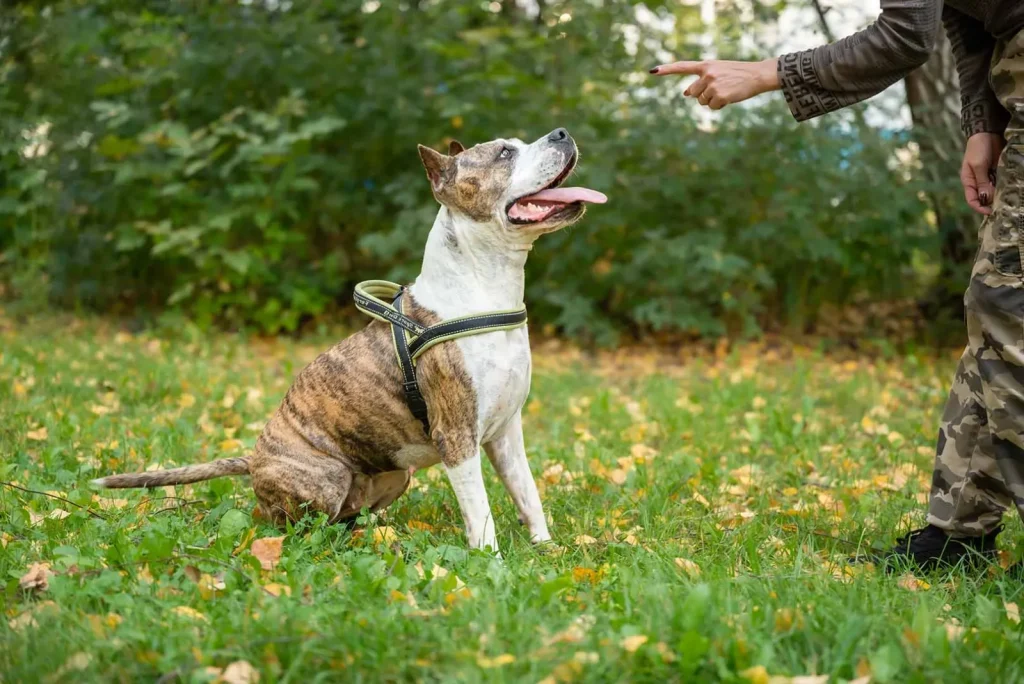
In summary, the role of consistency in pet training cannot be overstated. By providing reliable signals, establishing clear expectations, and fostering a structured learning environment, you lay the groundwork for a well-mannered companion. As you delve deeper into the various training methodologies, remember that the key to any successful approach is a consistent application of rules and rewards that reinforce desired behaviors, ultimately leading to a stronger bond between you and your pet.
DISCOVER MORE: Click here to learn about the myths and facts of grain-free diets
Creating a Framework for Learning Through Consistency
When embarking on the journey of pet training, understanding how consistency shapes the learning experience is crucial. This foundation allows for a productive interaction between pet and owner, minimizing confusion and maximizing the likelihood of desired behaviors. Just as children learn through structured environments, pets flourish under similar guidelines. Thus, establishing a clear framework for training is essential.
One of the most effective strategies in achieving this clarity is through the development of a reward system. Pets, especially dogs and cats, respond favorably to incentives that reinforce positive behavior. This system can include treats, verbal praise, or playtime, but the key is to consistently pair rewards with specific behaviors. Consider employing a tiered approach to rewards to match behavior complexity:
- Basic Commands: Treats immediately follow simple commands like “Sit” or “Stay” to reinforce understanding.
- Intermediate Skills: As your pet learns more complex commands or tricks, introduce a variety of rewards, such as toys or extra playtime.
- Advanced Behavior: For behaviors that require extensive training, maintain high-value rewards and intermittent reinforcement to solidify the behavior.
Moreover, hand signals and visual cues can complement verbal commands, providing multiple avenues for understanding. For instance, teaching your dog to “lie down” paired with a clear hand signal can enhance recognition and response. This combination of verbal and non-verbal communication not only enriches the training experience but also mirrors the concept of providing clarity through consistency.
Establishing a consistent environment extends to the training space as well. Select a designated area for training sessions that is free from distractions, which allows your pet to focus. This space should remain constant, helping your pet associate it with learning. Whether it’s a specific room in your house or a quiet spot in the backyard, consistency in location reinforces the idea that this is where training occurs, further solidifying your pet’s attention during sessions.
Additionally, family involvement can enhance the training process. It is vital that all members of the household remain on the same page regarding rules and commands. Discrepancies in expectations can lead to a breakdown in learning, causing frustration for both owner and pet. Ensuring that everyone uses the same commands, training techniques, and responses to behaviors fosters a united front, establishing an environment where your pet can thrive.
In summary, creating a framework for learning through consistency is pivotal in pet training. By implementing a structured approach that integrates a clear reward system, consistent commands, designated training spaces, and unified efforts across the household, you lay the groundwork for a successful training experience. Delving deeper into these methods will not only enhance your pet’s ability to learn but also strengthen the bond you share, making for a harmonious home life.
The Power of Routine in Pet Training
When it comes to successful pet training, establishing a routine is paramount. Animals, much like humans, thrive on predictability. Creating a structured environment not only aids in their understanding of commands but also fosters a sense of security. By adhering to a consistent schedule—whether it’s feeding times, bathroom breaks, or training sessions—you lay the groundwork for clear expectations.Routine training sessions are particularly effective; they promote better retention of commands. When pets are trained daily at the same time and in the same manner, their ability to associate actions with outcomes significantly improves. For example, when your dog knows that every evening at 6 PM is playtime, they learn to anticipate and prepare for it. This anticipation further solidifies the training process, as the animal instinctively becomes more focused and responsive.Moreover, employing consistent verbal cues and hand signals during training sessions minimizes confusion. Using the same commands, such as “sit” or “stay,” reinforces learning in pets. Discrepancies in commands can lead to misunderstanding and frustration on both ends, making it crucial to maintain uniformity.In addition to routine and consistent cues, it’s equally important to establish a clear set of rules within the household. For instance, if your pet is not allowed on the couch, this rule should be consistently enforced. Inconsistent enforcement of rules leads to confusion, as pets may not understand why they are scolded one day for an action they are allowed to do the next. By clearly communicating these expectations and sticking to them, you contribute to a stable learning environment.Next, we will delve into the significance of positive reinforcement within a consistent training framework.
LEARN MORE: Click here for tips on customizing diets for sensitive pets
Building Trust Through Predictable Behavior
Just as a clear framework fosters an effective learning environment, developing trust between you and your pet is equally important for successful training. Consistency plays a crucial role in building this trust. When pets receive the same responses to their actions consistently, they begin to understand the boundaries and expectations of their behavior. This predictability provides them with a sense of safety, which is essential for their emotional well-being.
For instance, if you scold your dog for jumping on guests one day and ignore the behavior the next, your pet becomes confused. A consistent reaction, whether it be a firm “no” or a lack of attention to unwanted behavior, helps the pet understand that jumping is not acceptable, no matter the situation. Furthermore, reinforcing positive behavior consistently, such as rewarding your pet for sitting calmly when guests arrive, not only encourages that behavior but also strengthens the bond built on trust.
Timing is another critical element of consistency that allows trust to flourish. The timely delivery of rewards for desired behavior is essential for proper associations to form in your pet’s mind. For example, if you teach your dog to “come” and reward them after they have already approached you, it creates a disconnect. The pet may not associate the reward with the behavior you’re trying to reinforce. In contrast, rewards should always be provided within seconds of the desired action for the most effective learning. This method gives the pet a direct connection between the action and the reward, further enhancing their willingness to obey in the future.
In addition to reactions to behaviors, your daily routines can significantly affect your pet’s training success. Consistent feeding, exercise, and bathroom schedules create a structured environment that pets thrive in. For example, if you feed your dog at different times each day, it can lead to anxiety or behavioral problems such as begging or food aggression. By sticking to a set routine, your pet learns to anticipate their needs being met at regular intervals, which subsequently reduces stress and encourages more focus during training sessions.
Adjusting your training approach based on your pet’s learning style can contribute to a more effective consistency strategy. For some animals, a high-energy environment may work best, while others might perform better in calm settings. Observing how your pet reacts to different settings during training can help you tailor your methods. For example, using a calm, quiet space for more introverted animals can lead to improved focus and response to commands, whereas active pets may benefit from a more dynamic and stimulating environment.
Furthermore, patience cannot be overstated in the quest for consistency. Pets need time to process instructions and expectations, just as humans do. By maintaining a calm and patient demeanor during training, you communicate that mistakes are a part of the learning process. Understanding that each pet learns at their own pace is vital in reinforcing your role as a consistent and nurturing figure in their development.
In essence, building trust through predictable behavior is a fundamental aspect of successful pet training. By ensuring that your reactions are consistent, timing is appropriate, daily routines are structured, and you’re patient throughout the process, you provide an environment that is conducive to learning and development. This important layer of trust augments the process of establishing clear expectations, ultimately enhancing the overall training experience for both pet and owner.
DON’T MISS: Click here to learn how to ease your pet’s vet visits
Conclusion
In the realm of pet training, the significance of consistency cannot be overstated. From fostering trust to establishing clear expectations, a consistent approach lays the groundwork for successful learning experiences for pets and their owners alike. By responding uniformly to behaviors, implementing structured routines, and timing rewards effectively, pet owners can create a nurturing environment that promotes understanding and reduces anxiety in their animals.
Moreover, recognizing the individuality of each pet is essential. Adapting training strategies to align with their unique learning styles, while maintaining a consistent framework, further enhances the overall effectiveness of the training process. Patience underlines these efforts, reminding us that every pet learns at their own pace, and a steady hand interwoven with compassion can lead to remarkable progress and behavioral improvements.
As you venture into the world of pet training, consider that consistency is the key to unlocking your pet’s full potential. The commitment to clear communication and predictable reactions not only enriches the bond between pets and their humans but also creates an atmosphere where both parties can thrive. By investing time and effort into consistent training practices, you can pave the way for a harmonious relationship with your furry friend, filled with respect, trust, and delightful companionship. The journey of training is one that evolves and grows, shaped largely by your dedication to maintaining clarity and consistency every step of the way.