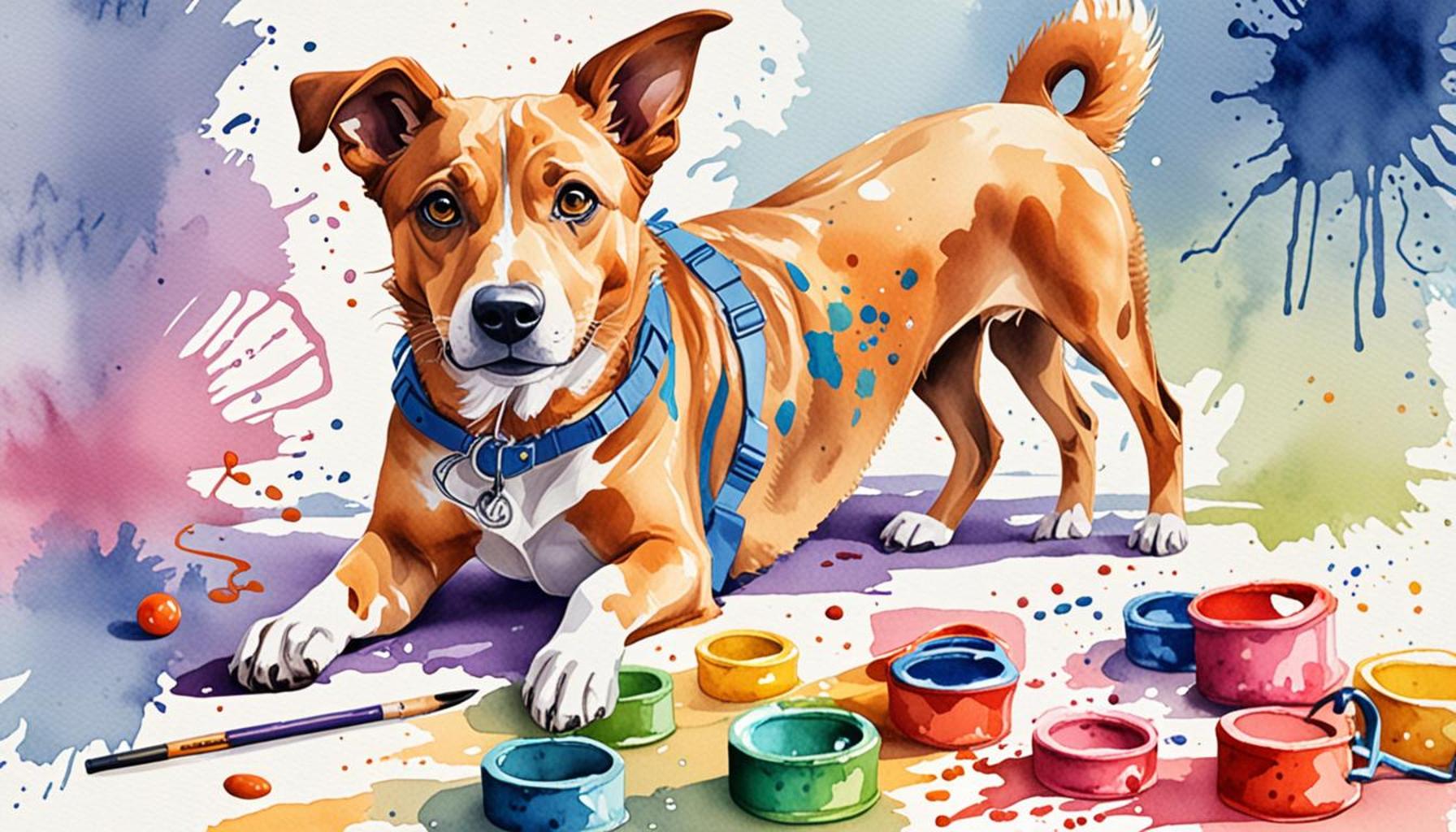
Understanding Canine Body Language: A Key to Successful Training
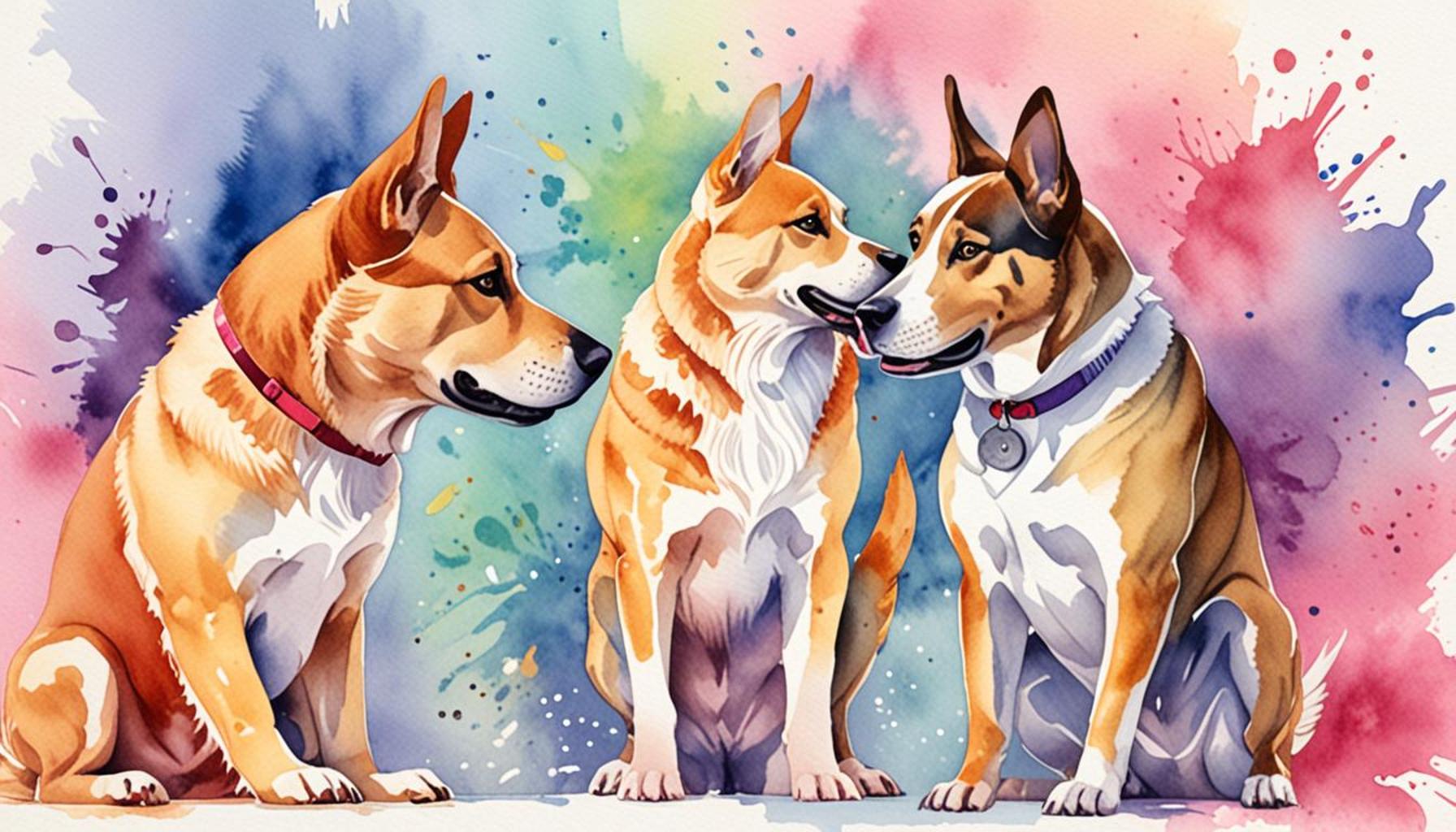
Discover the Language of Your Dog
Canines possess a remarkable ability to convey their emotions and intentions through a complex array of body signals. Unfortunately, many pet owners overlook these signs, which can be the key to nurturing a harmonious relationship with their furry companions. Understanding canine body language is not only essential for effective training but also vital for building trust and emotional bonds.
From the position of their ears to the subtle movements of their tails, dogs express a wide range of feelings. Recognizing these signals enhances your ability to respond appropriately and can prevent misunderstandings that may lead to behavioral problems. Below is a closer examination of several key indicators:
- Tail Wagging: While many associate wagging tails with happiness, the truth is more nuanced. A fast wagging tail held high often signals excitement and joy, while a slow wagging tail positioned lower can suggest uncertainty or a need for space. For example, a dog wagging its tail eagerly at the park may be ready to play, while one wagging slowly during a vet visit may be feeling anxious.
- Ears Position: The position of a dog’s ears provides insight into its emotional state. Ears held back against the head can indicate fear or submission, and quick movements can signify curiosity or agitation. For instance, a pointer with its ears perked up is typically indicating alertness, ready to investigate an interesting sound or sight.
- Body Posture: A relaxed body posture—legs extended and lying down—often means a dog is comfortable and at ease. Conversely, a dog with stiff, tense body language may be feeling threatened or agitated. Understanding these signals can be crucial in social settings, such as during meet-and-greets with other dogs.
Being attuned to these signals not only helps pet owners respond better to their dogs, but it also strengthens the bond between them. For example, if a dog appears anxious during a thunderstorm, recognizing its body language allows the owner to provide comfort and security. This intuitive response builds trust and reinforces the human-animal connection.
In an increasingly dog-friendly society, mastering the art of decoding canine body language isn’t just beneficial; it’s essential. With greater knowledge, dog owners can create environments that are respectful of their pets’ needs, ensuring happier, more fulfilling lives together. So the next time you interact with your dog, take a moment to observe its body language and appreciate the silent but rich conversations that shape your unique relationship.
DIVE DEEPER: Click here to discover effective strategies
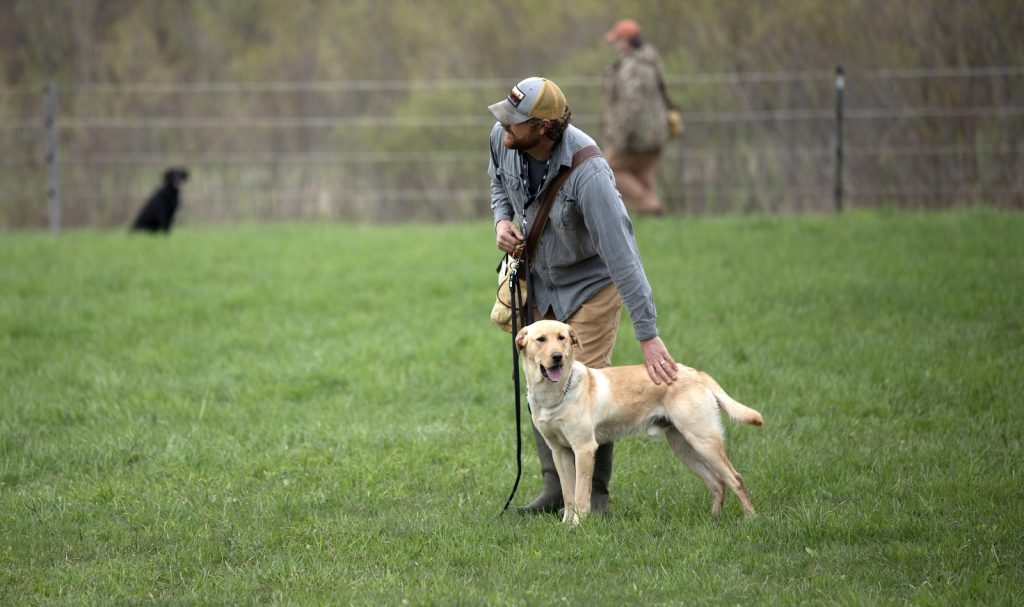
Decoding Canine Signals: The Basics of Body Language
To successfully train your dog, one must first grasp the fundamental aspects of canine body language. Each tail wag, ear flick, and body posture conveys a wealth of information about your dog’s emotional state and intentions. By learning to interpret these signals, you equip yourself with the tools necessary for effective training and better communication.
Similar to how humans use tone and body posture in conversation, dogs rely on their own set of expressions to signal what they feel. This non-verbal feedback plays a critical role in establishing a mutual understanding between pets and their owners. Here are some key elements to consider when observing your dog’s body language:
- Eye Contact: The gaze of a dog can indicate a range of emotions. Soft, relaxed eyes generally indicate trust and comfort, while wide-open eyes or hard stares can signal aggression or anxiety. When training, maintaining gentle eye contact can help enhance your dog’s perception of your role as a leader.
- Facial Expressions: Dogs express a variety of emotions through their facial features. A relaxed mouth with a slightly open jaw typically signifies contentment, while a closed mouth or a dog licking its lips can signify stress or uncertainty. Recognizing these cues helps to foster a more responsive training environment.
- Tail Position: As previously noted, tail position can convey different meanings depending on the posture. A tail held high and wagging quickly may indicate that your dog is excited to learn, while a tail tucked between the legs could suggest fear or submission. Understanding these nuances helps trainers adjust their approach to meet their dog’s emotional needs.
- Vocalizations: Beyond physical signals, vocal tones also play a significant role in communication. Barking can indicate excitement, warning, or distress, and varying pitches can signal emotions ranging from happiness to frustration. Being able to differentiate between these barks can enhance your responsiveness during training sessions.
Recognizing these critical aspects of your dog’s body language not only aids in training success but also enriches your relationship. For instance, noticing subtle signs of discomfort while introducing your dog to a new environment allows you to address its needs swiftly, minimizing anxiety and preventing potential behavioral issues.
As with any language, practice is key. Regularly observing your dog in different situations will enhance your ability to decode its expressions, ultimately leading to a more profound understanding and connection. The journey to becoming fluent in canine body language is rewarding, not just for you as an owner but also for your dog, as it fosters an environment of safety, trust, and mutual respect.
| Category | Description |
|---|---|
| Facial Expressions | Dogs communicate a lot through facial cues such as ear position, eye contact, and mouth movements. Recognizing these can help trainers understand their emotional state. |
| Body Posture | A dog’s stance can indicate their level of comfort or anxiety. Observing how a dog stands and moves provides insight into their feelings, enhancing training techniques. |
| Tail Position | The tail is a significant part of canine communication. A wagging tail can mean excitement, but a stiffly held tail may indicate aggression or fear. Understanding these signals is crucial for effective interaction. |
| Vocalization | Dogs use barks, growls, and whines to express their needs and emotions. Listening carefully to the type of sound can lead to better training responses. |
Understanding these aspects of canine body language not only enriches the trainer-dog relationship but also leads to improved training outcomes. By harnessing this knowledge, trainers can adjust their methods to suit the emotional needs of their dogs, fostering a more harmonious and productive environment.
DISCOVER MORE: Click here for valuable resources
Interpreting Complex Emotions: Advanced Body Language Cues
While the basic signs of canine body language lay the foundation for understanding your dog, delving deeper into more complex cues can unveil layers of meaning that significantly enhance training success. Skilled trainers and dog owners often find that an acute awareness of these subtle signals leads to proactive communication and fosters a more harmonious relationship.
One of the primary advanced cues to monitor is the body posture. Dogs express their feelings through their overall stance, which can provide insight into their well-being and readiness to engage. A dog that stands tall with its chest forward may be displaying confidence and a willingness to participate. Conversely, a dog that crouches low with its body hunched can indicate fear or submission. In training scenarios, it’s vital to adapt your approach based on your dog’s posture; a confident dog may respond well to challenges, while a more timid dog may require gentler encouragement.
Play Bow is another essential signal to recognize and understand. When a dog lowers its front legs while keeping its rear end elevated, it is an invitation to play. This gesture indicates excitement and a desire for interaction, making it a prime moment to engage in positive reinforcement during training. Timing your commands during such playful demeanor not only solidifies your authority as the trainer but also enhances your dog’s motivation.
Yawning and Stretching can also serve as crucial indicators of your dog’s emotional state. While these behaviors may seem innocuous, they often signal stress or anxiety. A dog that yawns repeatedly during training may be overwhelmed, while frequent stretching can indicate a need to release tension. Recognizing these signals allows you to adjust the intensity of the training session, preventing burnout and ensuring your dog remains enthusiastic about learning.
Another fascinating aspect of canine communication lies in the weight distribution and movement of the body. Dogs that lean towards you are generally indicating trust and comfort, while those that step back may be uncertain or uncomfortable. Watching how your dog moves can provide essential insights into its comfort level with certain commands, environments, or stimuli. When training, create a progression that allows for gradual exposure to new experiences while monitoring your dog’s reactions closely.
Additionally, lip curling or growling should never be overlooked. While these signals are often interpreted as signs of aggression, they can represent a dog’s fear or discomfort. Moreover, growling can be a form of communication indicating that the dog is stressed but may not have the readiness to flee. Recognizing the context in which these behaviors occur is paramount; isolating your dog during such moments for a calming experience may foster a sense of safety and understanding. Using counter-conditioning techniques in these instances can turn perceived negatives into positives.
To further enhance your understanding, consider involving other resources such as professional trainers or instructional videos focused on canine body language. Engaging with a broader community of pet owners can also foster discussions and lend insights into the body language of various breeds, which can display unique quirks in their communication style. Continuous observation and learning ensure that you adapt your training techniques to match your dog’s evolving needs and emotional landscape.
Ultimately, mastering the nuances of canine body language not only benefits training sessions but enriches your overall bond with your dog. By nurturing this connection, you pave the way for a more fulfilling relationship grounded in trust and understanding.
LEARN MORE: Click here to find out how to care for your furry friend
Conclusion: Building Bridges through Understanding
In conclusion, understanding canine body language is not merely a tool for successful training; it is the cornerstone of a deep and meaningful relationship with your dog. By paying attention to advanced cues such as body posture, play bows, yawning, and even subtle shifts in weight, dog owners and trainers can unlock the hidden emotions and desires of their canine companions. Recognizing these signals empowers you to tailor your training methods, fostering an environment where both you and your dog can thrive.
Moreover, the insights gained from observing canine body language extend beyond training sessions. They enhance day-to-day interactions, allowing owners to respond effectively to their dog’s needs and feelings, leading to a more satisfying companionship. Engaging with professional trainers and dedicated training resources can further refine your understanding and application of these cues, creating an informed community of pet owners who share invaluable experiences and techniques.
As you embark on the journey of canine communication, remember that every dog is unique and may express its emotions in various ways. The key lies in continuous observation and learning to adapt your techniques in response to your dog’s evolving emotional landscape. By embracing the nuances of canine body language, you pave the way for trust, respect, and ultimately, a bond that endures through countless adventures together. So, immerse yourself in this enriching experience and discover the joys of connecting with your furry friend on a profound level.