Vaccination in Pets: What You Need to Know
Understanding Pet Vaccinations
Vaccinating your pets is a critical aspect of responsible pet ownership. Ensuring your furry friends are vaccinated not only helps protect them from a variety of serious diseases, but it also contributes to the broader health of the pet community and can prevent the spread of outbreaks within the population. The concept of vaccination plays an essential role in the health and longevity of your pets, safeguarding them against ailments that may pose severe risks. With the rising prevalence of preventable diseases, understanding how vaccinations work and their significance has never been more crucial.
Why Vaccination Matters
Vaccinations equip pets’ immune systems to combat infectious diseases through exposure to harmless components of the pathogens. Some of the key benefits include:
- Preventing serious illnesses: Vaccines can shield pets from dangerous diseases like rabies, which is fatal and can transmit to humans; parvovirus, which can cause severe gastrointestinal issues in dogs; and feline leukemia, a leading cause of death in cats. By ensuring your pets receive these important vaccinations, you are making a proactive choice to protect their health.
- Savings on healthcare costs: Prevention is often much more affordable than treatment for pet diseases. For instance, the cost of treating a puppy with parvovirus can reach thousands of dollars, compared to a vaccination that typically costs less than $100. This underscores the financial prudence of immunizations.
- Public health safety: Vaccinated pets help minimize the risk of zoonotic diseases—diseases that can be transmitted from animals to humans. This not only protects other pets but also keeps your family and community safe from potential health risks.
What You Need to Know
Understanding vaccines involves more than just scheduling appointments; it’s about recognizing different types of vaccines, recommended schedules, and your pet’s individual health needs. Whether you own a dog or a cat, here are some important points to consider:
- Consult your veterinarian to create a tailored vaccination plan. Every pet is unique, and a veterinarian can provide insights based on their specific health status, age, and lifestyle factors.
- Stay informed about the latest vaccines and updates from the American Animal Hospital Association (AAHA). Research shows that vaccination recommendations can change as new vaccines are developed and disease patterns evolve, making ongoing education crucial.
- Monitor your pet’s health post-vaccination for any potential side effects. While most pets tolerate vaccinations well, it’s essential to be aware of any unusual behavior, such as lethargy or fever, following vaccinations. Reporting these reactions to your veterinarian can be beneficial.
By staying proactive about your pet’s vaccinations, you not only contribute to their health and well-being but also ensure many happy years together. Understanding the importance of vaccinations is the first step toward achieving a healthier future for your beloved companion. As a responsible pet owner in the U.S., fostering a well-informed approach to vaccinations is an invaluable investment in your pet’s long-term health.
LEARN MORE: Click here to discover the benefits of balanced nutrition for your pet’s health
Types of Vaccines
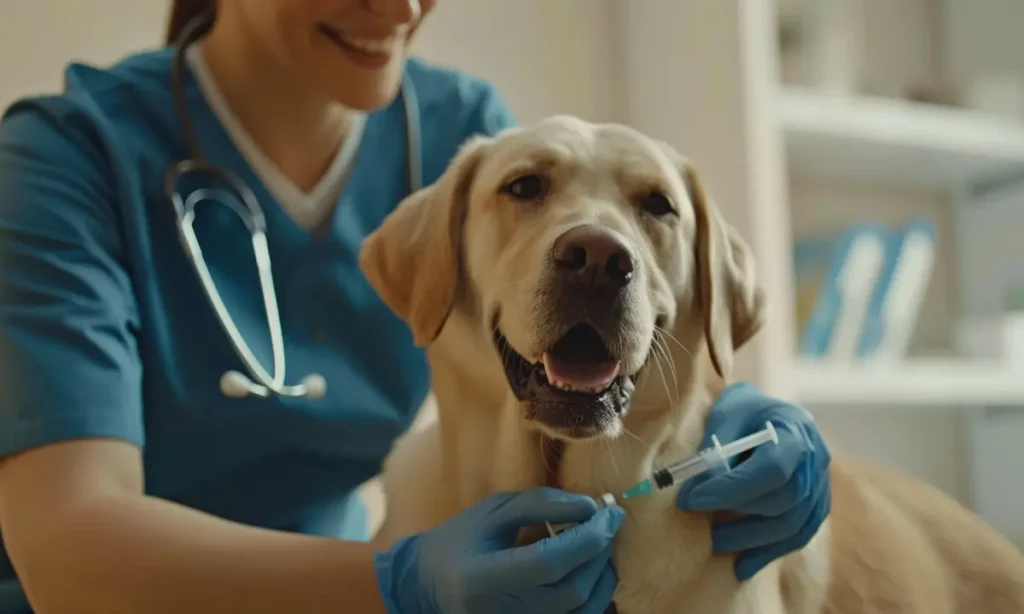
Veterinary vaccines can be categorized into two main types: core vaccines and non-core vaccines. Understanding the distinction between these vaccine types is vital as it can significantly influence your pet’s health plan and overall well-being. Core vaccines provide foundational protection against the most severe diseases, while non-core vaccines allow for tailored health strategies based on individual risk factors and lifestyle choices.
Core Vaccines
Core vaccines are essential for all pets due to the high risk of serious disease and the potential for widespread outbreaks. For dogs, several core vaccines are paramount:
- Canine Parvovirus: This highly contagious virus can lead to acute gastrointestinal illness characterized by severe vomiting, diarrhea, and dehydration. Puppies are particularly vulnerable, and without vaccination, the survival rate can be low. Many veterinarians recommend initiating the vaccination series as early as six weeks of age.
- Canine Distemper: A viral illness that affects the respiratory, gastrointestinal, and neurological systems. The symptoms range from fever and cough to severe neurological complications and can often be fatal. Vaccination drastically reduces the risk of infection and is particularly critical for puppies who have not yet built immunity.
- Canine Rabies: This fatal viral infection affects the central nervous system and poses a serious risk not just to animals but also to humans. Due to the potential for rabies transmission, vaccination is often required by law in many states. Dogs are typically vaccinated around three to four months of age, with boosters following according to local regulations.
For cats, core vaccines cover some of the following crucial threats:
- Feline Panleukopenia: This highly contagious virus causes severe gastrointestinal distress, particularly in young kittens, and can lead to a high mortality rate without timely intervention. Vaccination is crucial for preventing outbreaks in multi-cat environments, such as shelters.
- Feline Herpesvirus: A leading cause of respiratory infections in cats, this virus can lead to serious complications such as conjunctivitis and pneumonia. Early vaccination helps manage outbreaks, especially in stressed or overcrowded settings.
- Feline Rabies: Much like in dogs, rabies is a significant public health concern for cats. Many regions mandate rabies vaccination, reinforcing its importance in safeguarding both animal and human health.
Non-Core Vaccines
Non-core vaccines are administered based on specific lifestyle choices and individual risk factors. This flexibility allows pet owners and veterinarians to create a customized vaccination strategy. Some examples include:
- Canine Bordetella: Commonly referred to as kennel cough, this bacterial infection spreads rapidly in environments where dogs gather. Vaccination is vital for dogs that frequent boarding facilities, dog parks, or grooming salons, as it significantly reduces the risk of severe respiratory illness.
- Feline Leukemia Virus (FeLV): Essential for outdoor cats or those that interact with potentially infected felines, the FeLV vaccine prevents serious health complications arising from this virus. Given the social nature of cats, especially in multi-cat households, this vaccine plays a key role in public health.
- Lyme Disease: This vaccine is typically recommended for dogs living in areas known for tick prevalence and Lyme disease cases. In regions like the Northeast and Upper Midwest, where Lyme disease is particularly endemic, vaccination can be crucial in safeguarding your pet.
Choosing the right vaccines for your pet should involve a thoughtful discussion with your veterinarian. Factors such as your pet’s age, breed, health status, and lifestyle play a crucial role in determining the appropriate vaccination schedule. Regular check-ups can help monitor your pet’s health and ensure vaccinations remain current.
Staying up to date with vaccinations not only benefits your pet’s health but also protects your family and community, reducing overall health risks and associated veterinary costs. As a responsible pet owner, being informed about vaccination options is pivotal in ensuring that your furry companions enjoy long, healthy lives.
| Category | Key Features |
|---|---|
| Core Vaccines | These vaccines are essential for protecting pets against serious diseases like rabies, parvovirus, and distemper. |
| Lifestyle Vaccines | Administered based on pet’s lifestyle risks, including kennel cough and leptospirosis, influencing their well-being. |
| Health Management | Regular vaccinations are crucial for preventive health care, reducing the risk of outbreaks. |
| Travel Preparedness | Vaccinations are often required for travel, ensuring your pet can safely visit different regions. |
Vaccination is a key component of responsible pet ownership, offering significant health benefits. Vaccines prepare your pet’s immune system to fight off potentially life-threatening diseases, giving them a fighting chance against infections. According to the American Veterinary Medical Association (AVMA), vaccines not only protect individual pets but also contribute to herd immunity, which is crucial in controlling disease outbreaks among the pet population.Moreover, the timing and combinations of vaccines are tailored to a pet’s age, lifestyle, and health needs. Engaging with a veterinarian allows pet owners to make informed decisions about which vaccines are necessary. Keeping records of vaccinations can also facilitate travel arrangements, as certain regions require proof of vaccination for entry.In this landscape of pet care, staying informed is vital. With the right vaccination plan, pet owners can significantly enhance their furry friends’ quality of life. Further research and regular consultations with veterinarians can lead to the best practices in vaccination, ensuring a long and healthy life for pets.
DISCOVER MORE: Click here to enhance your pet’s nutrition
Understanding Vaccination Schedules
Navigating the vaccination landscape for pets can be a complex but necessary journey. The timing and frequency of vaccinations are crucial components in developing a robust immunization strategy for your furry friends. Most veterinarians provide a structured vaccination schedule that considers various factors, including age, health status, and potential exposure risks.
Puppy and Kitten Vaccination Protocols
For puppies and kittens, a series of vaccinations is typically initiated at around six to eight weeks of age. This progressive vaccination schedule is designed to build immunity as early as possible. Puppies should receive core vaccines, including Canine Parvovirus, Canine Distemper, and Canine Adenovirus, generally administered at intervals of three to four weeks apart until they are around 16 weeks old. Kittens follow a similar protocol, starting with Feline Panleukopenia and Feline Herpesvirus, with initial vaccines given every three to four weeks until about 16 weeks of age.
Additionally, a rabies vaccine is usually administered at 12 to 16 weeks for both puppies and kittens, followed by periodic booster shots as mandated by local laws. It is vital to adhere to these schedules as delaying vaccinations can leave young pets vulnerable to serious infections.
Adult Vaccination Considerations
Once pets reach adulthood, their vaccination needs may change based on their lifestyle. For many pets, boosters for core vaccines are recommended every one to three years, depending on local regulations and vaccine formulations. It’s essential to consult with your veterinarian about the best practice for your adult pet. For high-risk pets—those that travel frequently, spend time with other animals, or live in multi-pet households—more frequent vaccinations may be necessary.
- Leptospirosis: This bacterial infection can be passed to pets through contact with contaminated water or soil. The leptospirosis vaccine can be administered to adult dogs that may be at risk due to their environment.
- Bordetella: While previously mentioned in the non-core vaccines, adult dogs with active lifestyles should receive boosters for kennel cough, especially if they participate in doggy daycare or boarding.
- Certain feline vaccines: For indoor cats, less frequent vaccines may be adequate, while outdoor cats often require a more rigorous schedule due to their higher exposure risk.
Reactions to Vaccines and Monitoring
While vaccinations are safe and effective, some pets can experience mild side effects, such as minor swelling at the injection site, lethargy, or decreased appetite. Severe adverse reactions are rare but can occur. As a pet owner, being vigilant post-vaccination is crucial. Watch for any signs of an allergic reaction, which may include difficulty breathing, swelling of the face, or persistent vomiting. If you notice these symptoms, seek immediate veterinary attention.
Establishing an ongoing relationship with your veterinarian will help ensure that your pet’s vaccination history is maintained and monitored over time. This tailored approach aligns with your pet’s evolving lifestyle, ensuring that they are protected without unnecessary redundancy.
In addition to regular check-ups, maintaining an updated vaccination record can be vital for travel plans, boarding, or even daycare requirements. As an informed pet owner, understanding your responsibilities towards vaccinations can significantly enhance your pets’ health and lifespan, promoting a happier coexistence in your household.
LEARN MORE: Click here for essential tips
Conclusion: The Importance of Vaccination in Pets
Vaccination in pets is not merely a routine procedure; it is a critical aspect of responsible pet ownership that safeguards the health and longevity of our beloved animals. As we’ve explored, a structured vaccination schedule, tailored to each pet’s age, health status, and lifestyle, is essential for building strong immunity against various infectious diseases.
Each stage of your pet’s life—whether they are a playful puppy or a senior dog—carries specific vaccination needs that should not be overlooked. By adhering to recommended protocols, pet owners can significantly reduce the risk of preventable illnesses and offer their pets a vibrant, healthy life. Notably, staying informed about local laws regarding vaccine requirements, especially for rabies, can prevent legal complications alongside health risks.
Moreover, understanding the potential side effects of vaccinations and being prepared to monitor your pet’s reaction post-vaccination is an essential responsibility. Recognizing when to consult your veterinarian can make a world of difference in ensuring your pet’s well-being. Establishing a solid working relationship with your veterinarian not only helps maintain your pet’s vaccination history but also allows for adjustments based on their evolving lifestyle.
In conclusion, responsible pet owners must prioritize vaccinations as a cornerstone of preventive care. By educating ourselves and following expert advice, we can contribute to a healthier pet community. Let us embrace our role as advocates for our pets’ health, ensuring they receive the protection they need to thrive. After all, a vaccinated pet is a happier and healthier companion who can fill our lives with joy for many years to come.