Creating a Simplified Living Space: Tips for Minimalist Home Design
Why Americans Are Falling for Minimalist Living
Across the United States, homeowners are trading clutter for calm. From tiny houses in Portland to downsized condos in Manhattan, minimalist home design has become more than a trend—it’s a lifestyle shift that resonates with many seeking simplicity amid today’s fast-paced world.
According to recent surveys, over 60% of Americans feel overwhelmed by their possessions. This staggering statistic underscores the growing desire for a life unburdened by excess. As a result, decluttering home tips have surged in popularity, with search engines flooded with queries for effective strategies to simplify living spaces.
What This Article Covers
This guide breaks down practical strategies for transforming any space into a serene, functional environment. Expect actionable advice rather than vague inspiration. Here’s what you can anticipate:
- How to apply minimalist living room ideas without sacrificing comfort, including furniture selection and layout suggestions that maximize ease and relaxation.
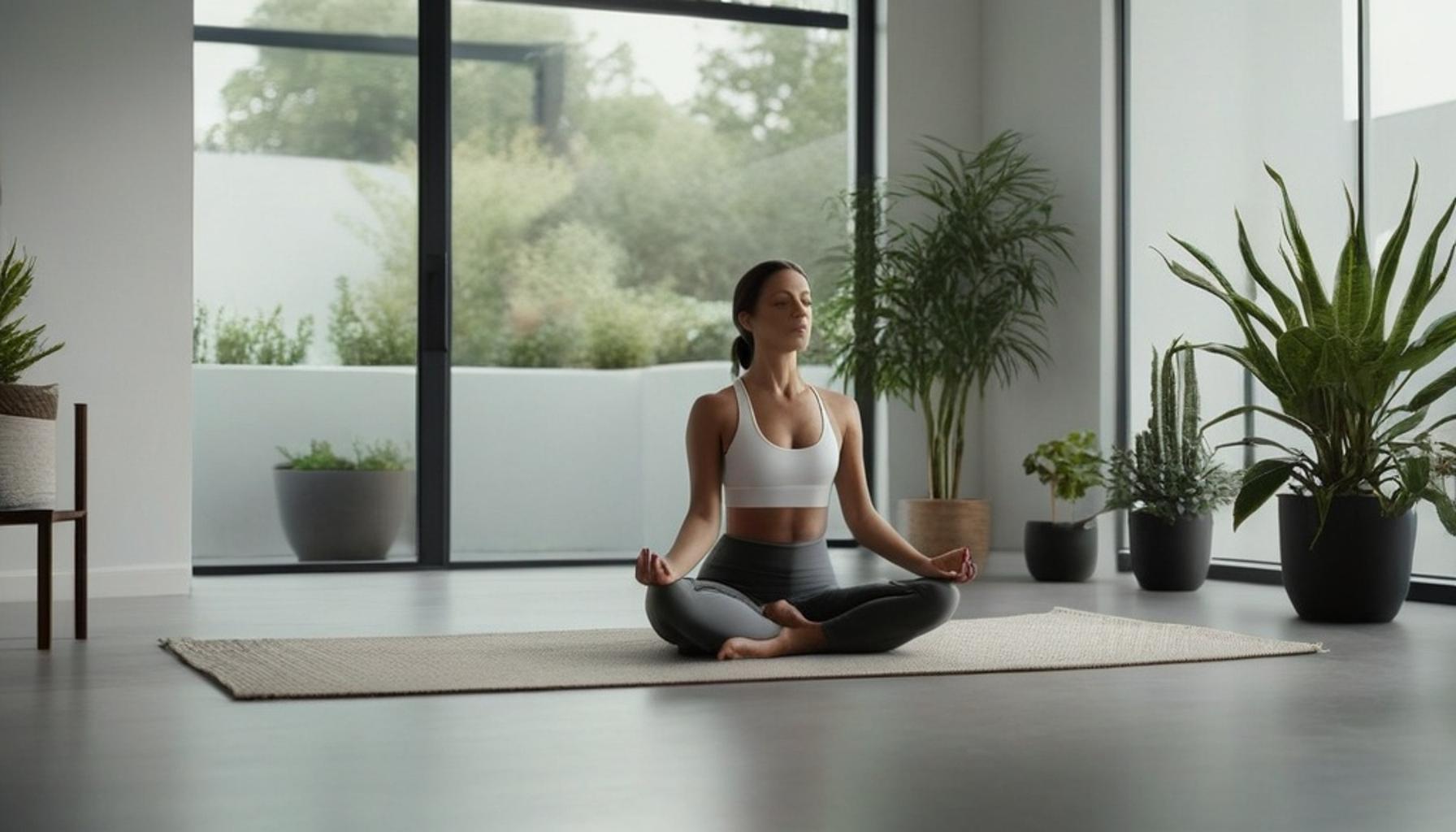
- Simple ways to create a zen home design atmosphere, such as incorporating natural elements like plants or using calming color schemes that promote tranquility.
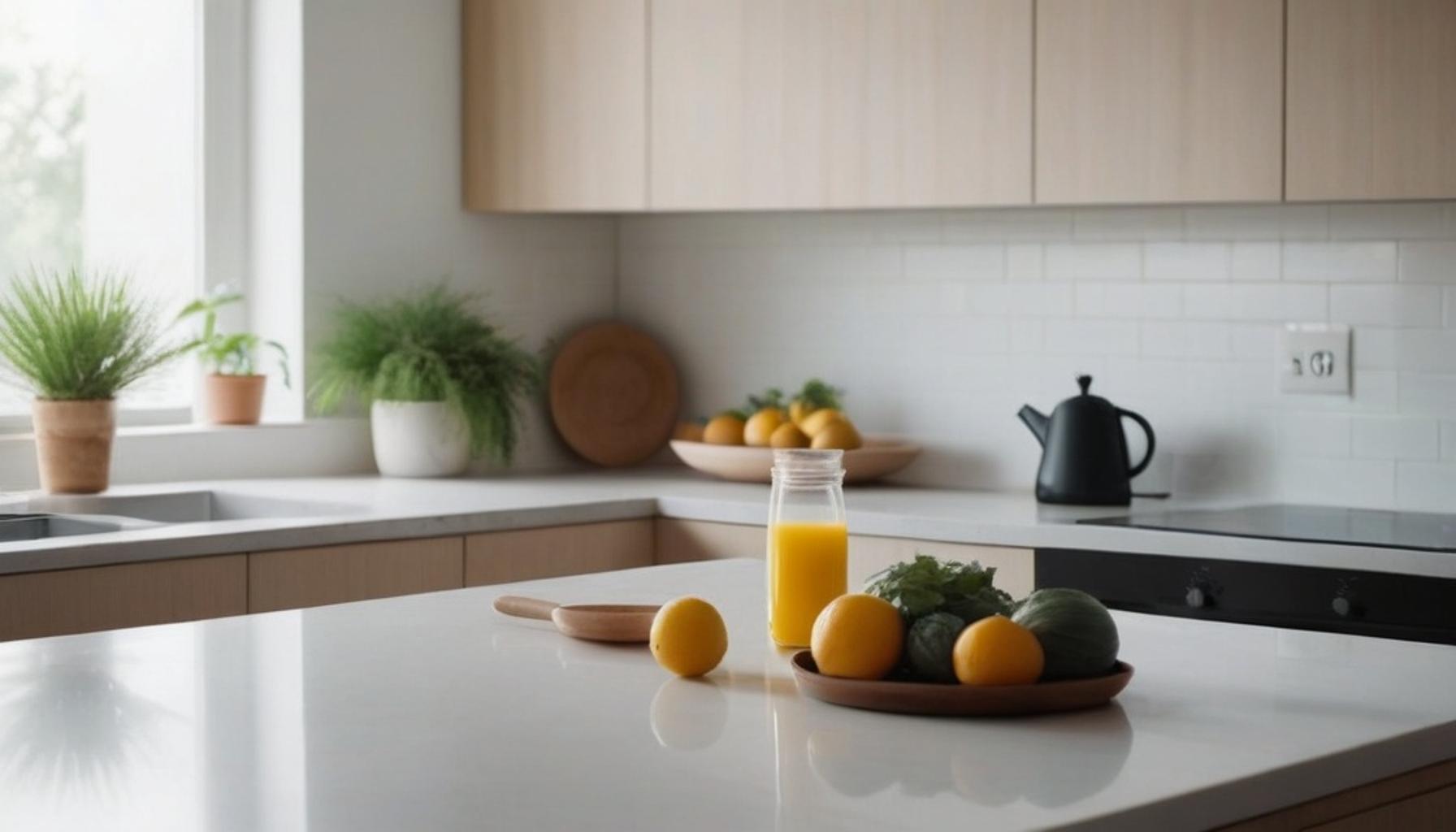
- Storage hacks tailored for small space minimalist living, featuring creative solutions like multi-functional furniture and hidden storage options.
- Budget-friendly simple home decor tips anyone can implement, ensuring that your minimalist transformation doesn’t break the bank.
A Growing National Movement
Minimalism isn’t simply about empty rooms and white walls; it represents a deliberate design philosophy rooted in intention, functionality, and calm. It encourages individuals to curate their belongings, focusing on what truly adds value to their lives.
Whether you’re renting a studio apartment in Chicago or renovating a suburban home in Austin, the principles of minimalism remain constant. By prioritizing quality over quantity, residents across the nation are discovering the benefits of a more thoughtful approach to living.
As the minimalist movement continues to gain traction, it invites everyone to reconsider their relationship with their possessions. Are you ready to discover how embracing less can truly mean more? The journey towards a minimalist lifestyle not only transforms physical spaces but also offers mental clarity and peace in our increasingly cluttered world.
YOU MAY ALSO LIKE: Uncomplicating Life: Practices of Simplified Living to Reduce Stress
Starting Your Minimalist Living Room Transformation
Every successful minimalist home design journey begins in the living room. It’s the heart of the house, the space where families gather, guests visit, and daily life unfolds. Getting this room right sets the tone for the rest of your home.
Interior designers across the country agree: less furniture, more intention. A cluttered living room with mismatched pieces creates visual noise that subconsciously raises stress levels. Studies on environmental psychology suggest that clean, open spaces can lower cortisol levels and improve focus.
Practical Minimalist Living Room Ideas
Transforming a chaotic living room doesn’t require a complete gut renovation. Instead, focus on strategic changes that make a measurable difference:
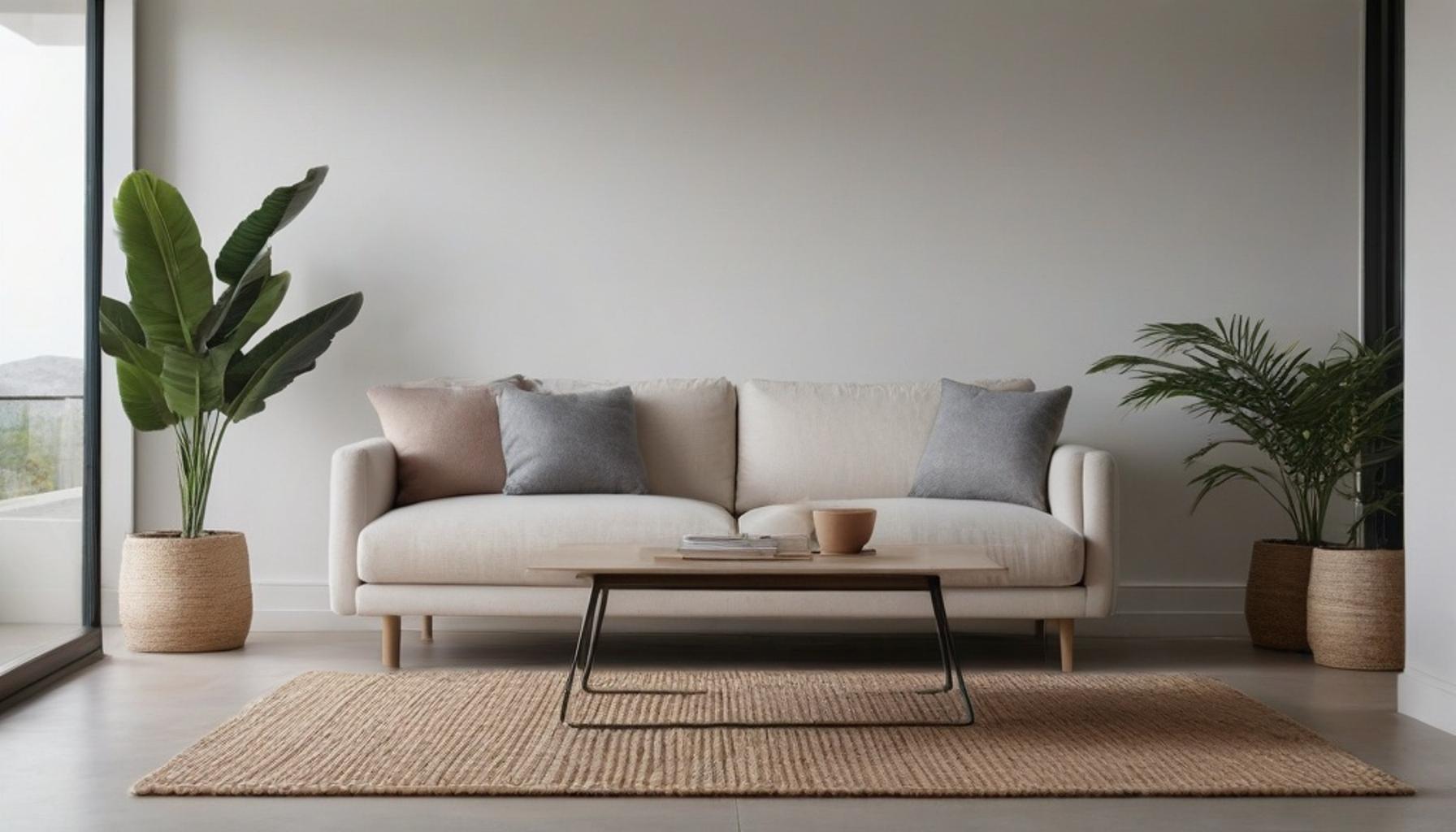
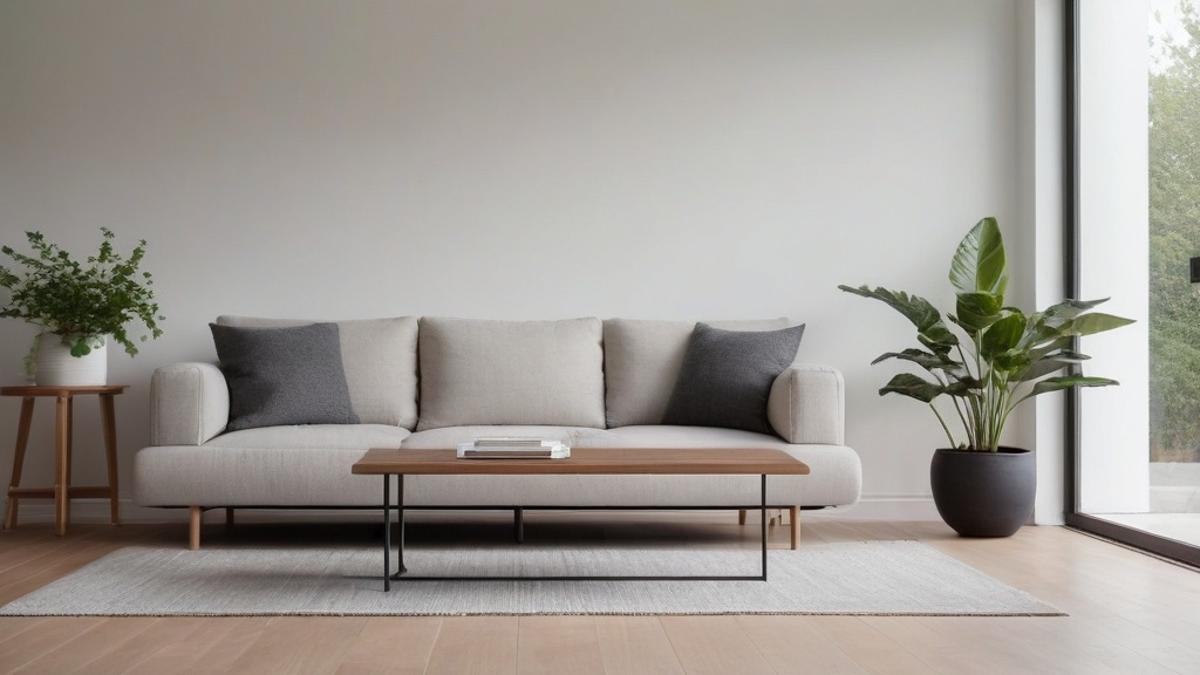
- Choose one statement furniture piece, like a quality sofa, and build around it rather than filling space with multiple accent chairs.
- Opt for furniture with clean lines and neutral tones—think oatmeal, soft gray, or warm white—to create visual continuity.
- Limit decorative items on shelves and tables to three or fewer per surface, allowing each piece to stand out.
- Remove duplicate items, such as extra side tables or redundant lamps that serve no unique purpose.
This approach isn’t about deprivation. It’s about curation. Homeowners in cities like Denver and Seattle have embraced this philosophy, often reporting that their redesigned spaces feel larger and more breathable, even without structural changes.
The Role of Decluttering in Everyday Life
Before any redesign begins, decluttering is non-negotiable. According to professional organizers, the average American home contains over 300,000 items—a number that includes everything from kitchen gadgets to holiday decorations rarely used.
Effective decluttering home tips often start with the “one-year rule”: if you haven’t used an item in twelve months, it’s likely safe to donate or discard. This simple test cuts through emotional attachment and reveals what’s truly essential.
Many minimalist advocates recommend the room-by-room method rather than tackling an entire house at once. Starting small—perhaps with a single closet or bookshelf—creates momentum without overwhelming the process. This gradual approach also makes it easier to identify what genuinely adds value versus what merely takes up space.
As clutter diminishes, many homeowners notice an unexpected side effect: decision fatigue decreases. Fewer possessions mean fewer choices about what to wear, use, or organize daily, freeing mental energy for more meaningful pursuits.
CHECK OUT: Minimalism in Practice: Creating a Daily Routine with Less Clutter
Bringing Zen Principles Into Small Spaces
Not every home has the luxury of square footage, and that’s precisely where zen home design philosophy proves most valuable. Apartments in cities like New York, Boston, and San Francisco have popularized the idea that limited space demands smarter, not bigger, solutions.
A well-executed small space minimalist layout relies heavily on multi-functional furniture. A storage ottoman that doubles as a coffee table, or a bed frame with built-in drawers, eliminates the need for separate storage units that eat up valuable floor space.
Maximizing Light and Flow
Natural light plays a surprisingly large role in how spacious a room feels. Designers often recommend removing heavy drapes in favor of sheer curtains or simple blinds, allowing sunlight to spread unobstructed across the room.
Mirrors strategically placed opposite windows can amplify this effect, creating the illusion of depth in even the smallest studio apartment. This trick, common in Japanese interior design, aligns closely with zen principles that prioritize openness and calm.
- Keep walkways clear of furniture to maintain a sense of continuous flow between rooms.
- Choose low-profile furniture that doesn’t block sightlines across the space.
- Use vertical storage, such as tall bookshelves, to free up floor area while maximizing capacity.
Simple Home Decor Tips That Make a Difference
Effective simple home decor tips often center on texture rather than color variety. Layering different fabrics, like a linen throw over a cotton sofa, adds warmth without introducing visual clutter.
Houseplants offer another accessible way to bring life into a minimalist space. According to a 2019 study published in the Journal of Physiological Anthropology, indoor plants can reduce psychological stress while requiring minimal upkeep compared to elaborate decor arrangements.
Lighting also deserves attention beyond basic overhead fixtures. Layered lighting—combining floor lamps, table lamps, and natural light—creates depth and ambiance that a single ceiling fixture simply cannot achieve.
Homeowners embracing minimalist home design often discover that fewer, higher-quality items outperform numerous inexpensive pieces. A well-made wooden side table, for instance, can last decades, while cheaper alternatives typically require frequent replacement, ultimately costing more over time.
RECOMMENDED: How Minimalism Can Transform Your Space: Tips for an Organized Home
Embracing a Simpler Way of Living
Across cities and suburbs alike, from Seattle apartments to sprawling Texas homes, the appeal of minimalist home design continues to grow. What began as a niche aesthetic has become a practical response to cluttered schedules and overstuffed closets.
Throughout this discussion, one theme surfaces repeatedly: intentionality beats accumulation. Whether applying decluttering home tips to a hallway closet or rethinking an entire living room layout, the goal remains consistent—keep what serves a purpose, remove what doesn’t.
Key Takeaways for Every Room
Successful minimalist living room ideas and small-space strategies share common threads worth remembering.
- Prioritize multi-functional furniture over single-purpose pieces.
- Let natural light and mirrors do the heavy lifting in tight spaces.
- Invest in fewer, better-made items rather than frequent replacements.
- Introduce texture and greenery instead of relying on color for visual interest.
These principles apply whether someone lives in a 400-square-foot studio or a four-bedroom house. The scale changes, but the philosophy behind zen home design does not.
Looking Ahead
Minimalism isn’t a finished project; it’s an ongoing practice. Rooms evolve, needs shift, and belongings accumulate again if left unchecked. Revisiting these strategies seasonally can prevent old habits from creeping back in.
For readers ready to take the next step, consider researching Scandinavian and Japanese design traditions further, as both offer decades of refined thinking on simplicity and function. What starts as rearranging a bookshelf may ultimately reshape how an entire home—and daily life—feels.
Frequently Asked Questions
What are the key principles of minimalist home design?
The key principles of minimalist home design include simplicity, functionality, and a focus on essential elements. This design style emphasizes decluttering, using a limited color palette, and incorporating quality materials to create a harmonious living space.
How can I start decluttering my home for a minimalist design?
Begin decluttering by tackling one room at a time and sorting items into keep, donate, and discard piles. Focus on eliminating duplicates, items you rarely use, and anything that doesn’t bring you joy. This systematic approach can help create a more open and simplified space.
What furniture pieces are essential for a minimalist home design?
Essential furniture pieces in a minimalist home design include a multifunctional sofa, a simple coffee table, and streamlined dining furniture. Choose items with clean lines and neutral colors that can serve multiple purposes, helping to maintain an uncluttered aesthetic.
How can I incorporate storage solutions while maintaining a minimalist aesthetic?
Incorporate hidden or built-in storage solutions like under-bed drawers, wall-mounted shelves, or multi-functional furniture to keep spaces tidy. Utilize vertical space and consider items that serve a dual purpose, such as an ottoman with storage or a desk that can collapse when not in use.
What colors work best in a minimalist home design?
Best colors for a minimalist home design often include whites, beiges, grays, and soft pastels that create a calm and inviting atmosphere. Avoid overly bright or clashing colors, opting instead for a cohesive palette that emphasizes simplicity and tranquility.
Can I mix different styles with minimalist home design?
Yes, you can mix different styles with minimalist home design by incorporating elements from other aesthetics, as long as they adhere to the principles of simplicity and functionality. For example, adding a few vintage pieces or rustic elements can introduce character without overwhelming the minimalist vibe.

Linda Carter
Linda Carter is a writer specializing in minimalism and personal organization. With extensive experience helping readers create more functional and balanced routines, she shares practical advice on decluttering, organizing spaces, simplifying daily tasks, and making more intentional choices. Her goal is to offer clear guidance and accessible strategies that help people reduce excess, improve their surroundings, and enjoy a calmer, more organized lifestyle.