Uncomplicating Life: Practices of Simplified Living to Reduce Stress

In this fast-paced modern society, the overwhelming sensation of managing a cluttered life often leads to a longing for tranquility. With technological advancements bombarding our senses and incessant to-do lists multiplying, it’s little wonder that nearly 77% of Americans report experiencing stress that affects their physical health, according to the American Psychological Association. As a counter-response, a rising number of individuals are embracing simplified living as an effective way to reclaim their peace of mind and reinstate priorities.
The Rise of a Quieter Lifestyle
A movement characterized by its commitment to simplicity is gaining traction across the United States, and it does not require a drastic upheaval of one’s lifestyle. The essence of this movement is encapsulated in one thought-provoking question: what actually deserves your time, energy, and attention? This guiding principle encourages individuals to foster awareness of their daily habits and surroundings.
- Taking stock of fewer possessions leads to reduced mental clutter, which frees up valuable cognitive resources.
- Implementing streamlined routines not only conserves energy but also allows for a more centered and well-planned day.
- Choosing to make intentional choices rather than succumbing to automatic reactions fosters a more proactive and meaningful existence.
Each of these steps contributes to creating a lifestyle that reflects individual values and priorities. The results of this conscious effort are profound, often leading to reduced anxiety and improved overall well-being.
What This Article Covers
The goal of this article is to delve into practical stress reduction practices that are rooted in the ideals of everyday simplicity. From adjusting your home environment to embedding minimalism into your daily routine, here you’ll discover minimalist lifestyle tips that are not just aesthetically pleasing but also applicable to real life amid busy schedules.
Furthermore, we will explore the concept of decluttering for peace. This is not merely about a one-off weekend endeavor; rather, it suggests a gradual, ongoing process that ultimately transforms how a living space feels and functions.
Finally, the article will investigate the synergy between mindfulness and simplicity. By embracing a slower pace, individuals can enhance their focus and clarity, countering the chaotic hustle that often leads to stress. For those whose days feel overwhelmingly burdensome, the path to a more serene existence might be surprisingly light and all around us.
LEARN MORE: The Impact of Simplified Living on Mental Health and Well-Being
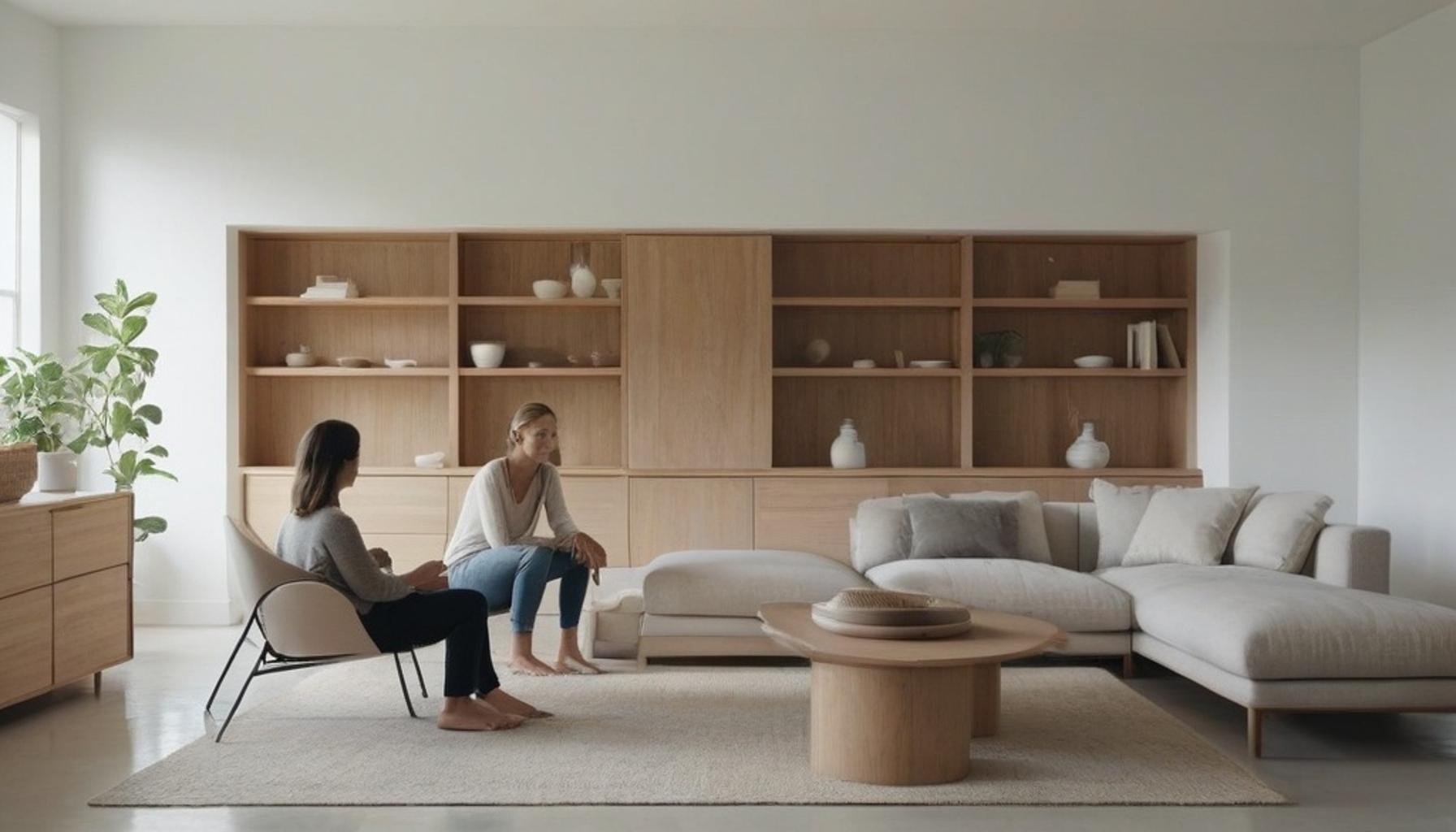
Reclaiming Your Space: The Foundation of Simplified Living
Before diving into elaborate routines or philosophical shifts, the journey toward simplified living often begins with something tangible: the physical space around you. Research from the Princeton University Neuroscience Institute found that clutter competes for your attention, resulting in decreased performance and increased frustration. The psychological burden of a cluttered environment can manifest in various ways, from our ability to concentrate to our overall sense of well-being. In other words, that pile of mail on the kitchen counter isn’t just an eyesore; it’s actively draining your mental bandwidth.
For many Americans juggling careers, family obligations, and social commitments, the home should function as a sanctuary rather than another source of stress. Yet studies suggest the average U.S. household contains 300,000 items, according to the LA Times. This staggering figure highlights why decluttering for peace has become such a sought-after practice. With half of the U.S. population living in suburban areas where homes tend to be larger, it is easy to accumulate more belongings than one truly needs. As a result, reclaiming one’s space becomes an essential part of maintaining mental clarity and wellbeing.
Practical Starting Points for a Clutter-Free Environment
Rather than attempting a complete home overhaul in a single weekend—a common mistake that leads to burnout—experts recommend a room-by-room approach. This method aligns with sustainable reduce stress techniques that stick long-term, making the process less daunting and more manageable.
- Begin with a single drawer or shelf to build momentum without overwhelming yourself. This can not only help you to see immediate results but can also encourage you to continue to tackle larger projects.
- Apply the “one-year rule”: if an item hasn’t been used in twelve months, consider donating or discarding it. This rule helps to determine what is necessary versus what is merely occupying space.
- Create designated drop zones for keys, mail, and daily essentials to prevent future clutter accumulation. By establishing specific areas for high-traffic items, you can reduce the day-to-day chaos that leads to clutter.
- Digitize paperwork where possible, reducing physical storage needs and visual noise. Consider using apps for scanning documents and saving them to cloud-based services; this simplifies home organization while enhancing accessibility.
These small, actionable steps compound over time, gradually transforming a chaotic living space into one that supports calm rather than anxiety. You might find that less clutter also opens up mental space, allowing you to focus on what truly matters in your life—from hobbies to quality time with loved ones.
Beyond Aesthetics: The Psychological Payoff
It’s worth noting that minimalist lifestyle tips aren’t solely about achieving a Pinterest-perfect home. A 2016 study published in the journal Personality and Social Psychology Bulletin linked cluttered environments to elevated cortisol levels—the body’s primary stress hormone—particularly among women managing households. The implications of this finding are significant; they suggest that living in a cluttered environment can exacerbate feelings of stress and overwhelm.
This connection between physical order and emotional regulation underscores why simplifying your surroundings isn’t a superficial trend. Instead, it functions as a legitimate wellness strategy, one that many therapists now incorporate into broader conversations about mental health and self-care. The act of decluttering can also foster a sense of accomplishment and control, adding to an individual’s overall resilience against stress. As people begin to engage in this practice and witness its positive effects, it opens doors to a lifestyle that champions not just minimalism but also mindfulness.
In conclusion, reclaiming your space is a powerful step toward a more simplified and peaceful existence. By addressing the tangible aspects of your environment, you lay down the foundational blocks for a healthier mental, emotional, and physical state. Consider starting today—your mind will thank you.
DISCOVER MORE: Click here to delve into mindfulness and minimalist organization
# Streamlining Your Schedule: The Time-Based Approach to Simplicity
Streamlining Your Schedule: The Time-Based Approach to Simplicity
While physical clutter often receives the most attention, the chaos of an overbooked calendar can be equally corrosive to mental health. Simplified living extends beyond physical spaces into how Americans structure their days, weeks, and even their notion of productivity itself. According to the American Psychological Association’s annual Stress in America survey, work-related stress and time pressure consistently rank among the top stressors for U.S. adults, with over 60% citing schedule overload as a primary source of anxiety.
The cultural narrative around busyness as a badge of honor has only intensified this problem. Many professionals unconsciously equate a packed calendar with success, when in reality, this pattern often leads to diminished returns and chronic exhaustion.
The Power of Strategic Elimination
One of the most effective reduce stress techniques involves conducting a ruthless audit of commitments. This doesn’t mean abandoning responsibilities but rather distinguishing between obligations that align with personal values and those maintained purely out of habit or guilt.
- Evaluate recurring commitments quarterly, asking whether each one still serves your current priorities and goals.
- Implement “buffer time” between meetings or appointments, allowing at least fifteen minutes of breathing room to prevent the domino effect of lateness and rushed transitions.
- Practice saying no without over-explaining. A simple, polite decline often carries more weight than a lengthy justification.
- Batch similar tasks together, such as answering emails during designated windows rather than responding reactively throughout the day.
These stress reduction practices mirror what productivity researchers call “single-tasking,” a direct counter to the multitasking culture that dominates American workplaces. A Stanford University study found that people who multitask regularly perform worse on cognitive tasks than those who focus on one thing at a time, despite believing they are more efficient.
Mindfulness and Simplicity in Daily Rhythms
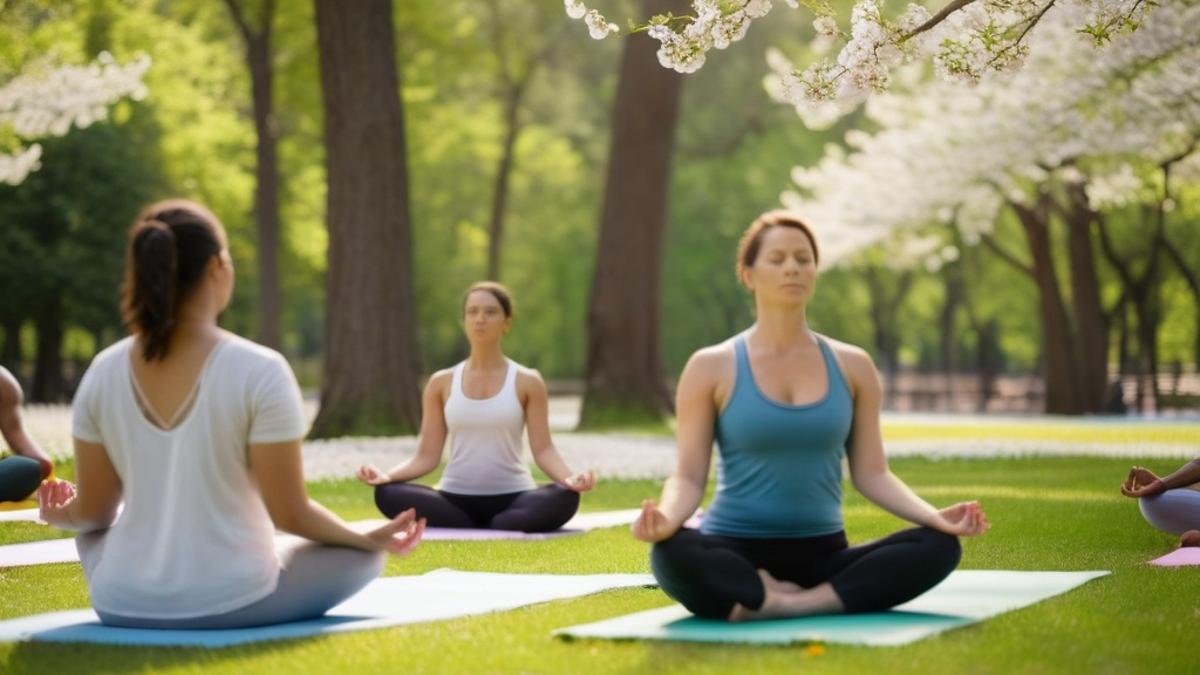
Incorporating mindfulness and simplicity into daily routines doesn’t require hour-long meditation sessions or expensive retreats. Small, consistent practices often yield more sustainable results than dramatic lifestyle overhauls attempted once and abandoned.
Consider the concept of “monotasking mornings,” where the first thirty minutes of the day are intentionally free from screens and notifications. This practice, gaining traction among wellness communities nationwide, allows the nervous system to ease into the day rather than immediately entering reactive mode.
Similarly, many advocates of a minimalist lifestyle point to the value of unstructured downtime. Unlike scheduled leisure activities, which can ironically become another item on the to-do list, unstructured time allows the mind to wander and recover from constant stimulation. Neuroscientists refer to this as the brain’s “default mode network,” a state associated with creativity, problem-solving, and emotional processing.
Ultimately, simplifying one’s schedule requires the same intentionality applied to physical decluttering. Just as a cluttered room competes for attention, an overcrowded calendar competes for mental energy, leaving little room for genuine rest or reflection.
DISCOVER MORE: Click here to delve into mindfulness in minimalist organization
Embracing Simplicity as an Ongoing Practice
Across cluttered closets, overstuffed calendars, and the constant hum of digital notifications, one truth emerges: simplified living is not a single fix but an evolving practice. Whether it’s clearing a junk drawer or declining an unnecessary meeting, each small decision accumulates into a lifestyle with noticeably less friction and more breathing room.
The research cited throughout this discussion, from Stanford’s findings on multitasking to the APA’s data on schedule-related anxiety, points to a consistent conclusion. Complexity, whether physical or temporal, carries a measurable cost to mental well-being. Simplicity, by contrast, offers a tangible return in the form of reduced anxiety, sharper focus, and a greater sense of control.
Key Takeaways for a Simpler Life
- Decluttering for peace works best as a gradual, values-based process rather than a one-time purge.
- Effective reduce stress techniques often involve subtraction, whether that means fewer commitments, fewer possessions, or fewer notifications.
- Adopting minimalist lifestyle tips doesn’t require drastic change; small, consistent habits tend to stick longer than dramatic overhauls.
- Combining physical and time-based stress reduction practices creates a compounding effect, easing both mental and environmental clutter simultaneously.
What makes this approach particularly compelling for American readers is its adaptability. There is no single blueprint for simplicity, whether someone lives in a downtown apartment or a suburban household with a busy family calendar. The principles of mindfulness and simplicity can be tailored to fit vastly different circumstances and budgets.
As stress-related health concerns continue to rise nationally, the appeal of a slower, more intentional pace of life is unlikely to fade. For those willing to experiment, even modest steps toward simplification may reveal just how much mental space has been quietly reclaimed.
Frequently Asked Questions
What are some practical steps I can take to start simplified living?
To start simplified living, begin by decluttering your space, focusing on one area at a time. Create a daily routine that prioritizes your mental wellbeing, and consider reducing your commitments to allow more time for relaxation and self-care.
How does simplified living help in reducing stress levels?
Simplified living helps reduce stress levels by minimizing distractions and excess responsibilities, allowing you to focus on what truly matters. By creating a calmer environment and routine, you can enhance your mental clarity and emotional wellbeing.
Can simplified living be applied in a busy urban environment?
Yes, simplified living can absolutely be applied in busy urban environments. It involves setting boundaries, prioritizing time for yourself, and creating a peaceful home oasis despite the chaos outside. Small changes like reducing digital distractions can greatly enhance your sense of calm.
What role does minimalism play in the concept of simplified living?
Minimalism is a key component of simplified living, as it encourages you to declutter both your space and your life. By owning fewer possessions and letting go of unnecessary obligations, you create more room for what truly brings you joy and fulfillment.
Are there any specific mindfulness practices that complement simplified living?
Absolutely! Mindfulness practices like meditation, deep breathing exercises, and journaling can complement simplified living by helping you remain present and reduce anxiety. Incorporating these practices into your daily routine can enhance your overall sense of peace and clarity.

Linda Carter
Linda Carter is a writer specializing in minimalism and personal organization. With extensive experience helping readers create more functional and balanced routines, she shares practical advice on decluttering, organizing spaces, simplifying daily tasks, and making more intentional choices. Her goal is to offer clear guidance and accessible strategies that help people reduce excess, improve their surroundings, and enjoy a calmer, more organized lifestyle.