Intelligent Organization: Creating Functional Spaces with Less
Rethinking Space in a Cluttered World
The average American home has tripled in size since the 1950s, yet self-storage facilities are booming across the country. Something doesn’t add up. Intelligent Organization offers a way out of this paradox.
This approach isn’t merely concerned with owning fewer things for the sake of minimalism; it emphasizes creating environments that maximize functionality through less clutter and greater purpose.
Why Functional Spaces Matter Now
In a rapidly evolving landscape characterized by remote work, diminishing apartment sizes, and soaring real estate costs, functional space design has never been more pertinent. Today’s homeowners and renters continuously ask a crucial question: how can a room serve multiple purposes?
- Multi-purpose furniture that adapts to daily needs, such as sofa beds, expandable dining tables, and storage ottomans, allows individuals to transition their spaces effortlessly between work and leisure.
- Vertical storage systems, like wall-mounted shelves and overhead cabinets, make optimal use of vertical space, freeing up valuable floor area that can be dedicated to other activities.
- Digital decluttering, paired with physical simplification, encourages individuals to streamline both their virtual and physical possessions. Organizing digital files helps create a stress-free environment in tandem with a tidy home.
- Zoning strategies for small apartments and home offices enable differentiation of spaces. For example, using area rugs to define a workspace within a living room maximizes functionality without overwhelming the environment.
These concepts transcend mere theory; they’re practical, actionable strategies already transforming how Americans live and work. The redesigned spaces adapt to the changing needs of individuals while still accommodating contemporary lifestyles.
From Chaos to Clarity
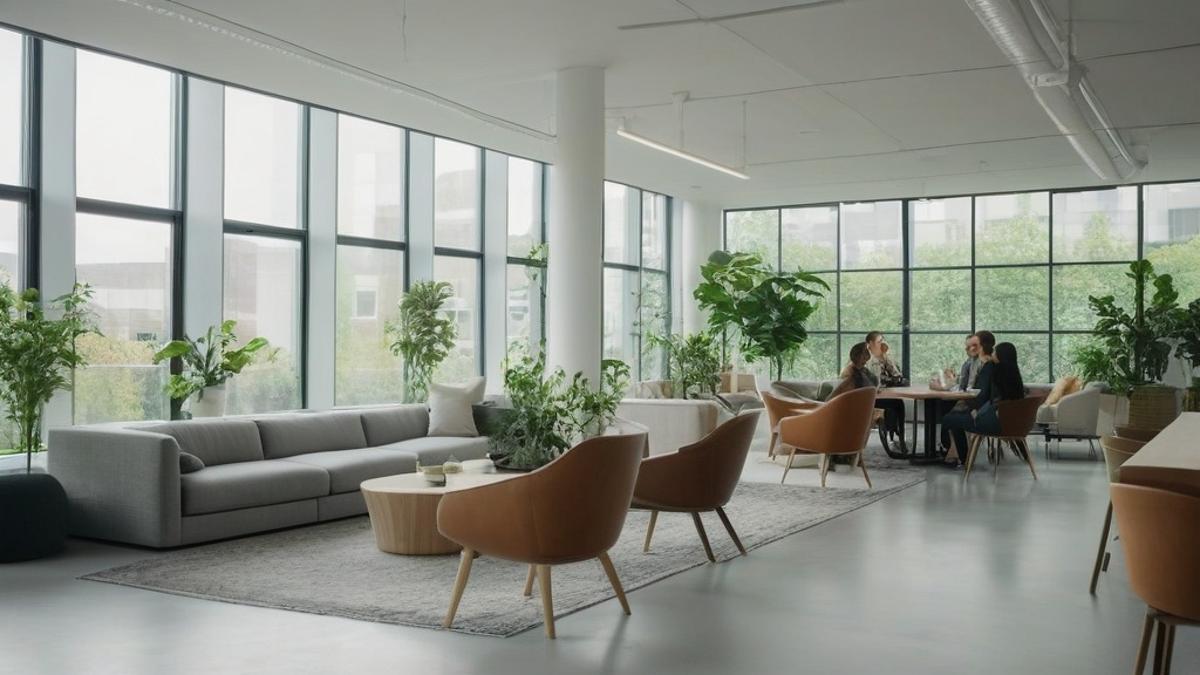
Think about the impact of minimalist office organization: companies that have adopted open layouts with modular desks have reported measurable improvements in employee focus and productivity. This reduction in visual distraction often leads to enhanced mental clarity, fostering a conducive work atmosphere.
This article delves into efficient workspace solutions, proven space-saving techniques, and actionable decluttering strategies that anyone can employ, whether they are organizing a compact studio apartment or revamping a sprawling corporate office. Expect specific examples that promote a new way of thinking about the significance of square footage and what genuinely belongs in it.
YOU MAY ALSO LIKE: The Importance of Digital Detoxification in a Simplified Lifestyle
The Science Behind Smarter Square Footage
Walk into any home organization store on a Saturday morning, and you’ll witness a peculiar American ritual: shoppers filling carts with bins, baskets, and drawer dividers meant to contain clutter rather than eliminate it. Intelligent Organization flips this script entirely, focusing on strategic reduction rather than fancier containment.
Research from the National Association of Home Builders reveals that new homes now average around 2,300 square feet, yet a 2023 study by the Self Storage Association found that nearly 1 in 10 American households rents outside storage space. The takeaway is clear: bigger spaces haven’t solved the clutter problem. They’ve simply given it room to grow.
What Makes a Space Truly Functional
Functional spaces design isn’t about aesthetics alone. It’s about how efficiently a room supports the activities happening within it. Interior designers and organizational psychologists agree on several core principles that separate a chaotic room from a purposeful one.
- Every item earns its place through frequency of use, not sentimental attachment or “someday” potential.
- Sightlines remain clear, meaning surfaces stay visible rather than buried under accumulated objects.
- Storage matches actual habits, not aspirational ones, so systems don’t collapse within weeks of implementation.
- Movement flows naturally from one activity to the next without furniture or clutter creating obstacles.
Consider the modern American kitchen, often the busiest room in the house. A well-executed space-saving technique might include magnetic knife strips instead of bulky blocks, pull-out pantry shelving, or pot racks suspended from ceilings. These aren’t just clever tricks; they represent measurable reclamation of counter and cabinet space that studies show can reduce meal-prep time by simplifying access to tools.
The Psychological Payoff of Less
A widely cited study from Princeton University’s Neuroscience Institute found that visual clutter competes for attention in the brain, reducing the capacity to focus and process information. This finding has direct implications for anyone pursuing minimalist office organization or a calmer household environment.
When applied thoughtfully, decluttering strategies do more than tidy a room. They reduce daily decision fatigue, since fewer possessions mean fewer choices about what to wear, use, or maintain. This principle explains why productivity consultants increasingly recommend paring down before implementing any new organizational system.
| Category | Description |
|---|---|
| Functional Spaces Design | Utilizing innovative layouts to maximize efficiency. |
| Benefits | Promotes productivity and enhances user experience. |
| Minimalist Office Organization | Reducing clutter to create a serene workspace. |
| Efficient Workspace Solutions | Streamlined processes lead to decreased distractions. |
| Space-saving Techniques | Incorporating versatile furniture and innovative storage. |
| Decluttering Strategies | Establishing systems that prioritize essential items only. |
SEE ALSO: How Minimalism Can Transform Your Space: Tips for an Organized Home
# Intelligent Organization: Creating Functional Spaces with Less
Room-by-Room Strategies That Actually Work
Theory only goes so far. The real test of Intelligent Organization happens when it meets the specific chaos of a home office, a garage, or a closet stuffed with clothes from three sizes ago. Different rooms demand different tactics, and understanding these nuances separates lasting change from another failed New Year’s resolution.
Reimagining the Home Office
Remote and hybrid work have permanently altered how Americans use their homes. A 2023 Bureau of Labor Statistics report found that roughly 35% of workers with remote-capable jobs work from home full time, and many carved office space out of bedrooms, dining nooks, or basement corners never designed for productivity.
Minimalist office organization addresses this by prioritizing vertical space and multi-use furniture. A wall-mounted desk that folds away, a filing cabinet doubling as a side table, or a pegboard system for supplies can transform an awkward 6-foot-by-6-foot space into a legitimate workstation.
- Cable management systems eliminate the tangled mess behind desks that consumes visual and mental bandwidth.
- Closed storage for paperwork keeps surfaces clear while remaining accessible during tax season or client meetings.
- Single-purpose zones prevent the desk from becoming a dumping ground for mail, keys, and unrelated household items.
These efficient workspace solutions aren’t just about looking tidy for video calls. A Journal of Environmental Psychology study found that employees in organized workspaces reported 20% higher task satisfaction than those in cluttered ones.
The Closet Overhaul Americans Avoid
Closets remain the final frontier for many households. The average American owns 103 pieces of clothing, according to a Cotton Incorporated Lifestyle Monitor Survey, yet wears only about a third of them regularly.
Effective decluttering strategies for closets rely on rotation systems rather than one-time purges. Seasonal storage bins, slimline hangers that double closet capacity, and shoe racks mounted on doors free up significant square footage without requiring a larger home.
Garages and Multi-Purpose Zones
Garages frequently become storage graveyards rather than functional spaces for vehicles or hobbies. Overhead racks, labeled bins on wall-mounted tracks, and fold-down workbenches represent practical space-saving techniques that reclaim usable square footage.
These approaches to functional spaces design share a common thread: they treat every square foot as valuable real estate, deployed with intention rather than filled by default.
# Intelligent Organization: Creating Functional Spaces with Less
The Bigger Picture: Why Less Is a Long-Term Strategy
What emerges from examining home offices, closets, and garages is a pattern that extends far beyond any single room. Intelligent Organization isn’t a weekend project with a finish line. It’s an ongoing relationship with the objects and spaces that make up daily life.
The National Association of Productivity and Organizing Professionals estimates that Americans spend up to 2.5 days per year simply searching for misplaced items. That figure alone makes a case for treating functional spaces design as a practical investment rather than an aesthetic indulgence.
Consider the throughline connecting every strategy discussed: intention. Whether it’s minimalist office organization that turns a cramped corner into a productive workstation, or space-saving techniques that reclaim a garage from years of accumulated clutter, the underlying principle stays constant. Every item earns its place, or it goes.
This mindset carries financial weight, too. Smaller, well-organized homes often cost less to furnish, heat, and maintain. Some homeowners who commit to decluttering strategies report downsizing entirely, trading square footage for lower utility bills and less maintenance burden.
Perhaps the most overlooked benefit is mental. Clutter has been linked repeatedly to elevated cortisol levels and reduced focus, according to research from Princeton University’s Neuroscience Institute. An organized environment isn’t just easier to navigate physically; it reduces the constant, low-level decision fatigue that disorganized spaces impose.
What starts as a closet purge or a garage overhaul often becomes something larger: a rethinking of consumption itself. Readers curious about this shift might explore how minimalism intersects with sustainable living, or how efficient workspace solutions are reshaping commercial real estate as companies embrace smaller footprints.
The spaces people inhabit shape how they think, work, and rest. Choosing less, deliberately, may be one of the most practical decisions a household can make.
Frequently Asked Questions
What are the key principles of Intelligent Organization?
The key principles of Intelligent Organization focus on maximizing efficiency while minimizing clutter. This includes assessing the functional needs of a space, utilizing modular furniture, and implementing storage solutions that are both attractive and practical. The goal is to create spaces that promote productivity without overwhelming the senses.
How can I start implementing Intelligent Organization in my home office?
To implement Intelligent Organization in your home office, begin by decluttering and sorting items based on necessity and frequency of use. Use multifunctional furniture, like a desk with built-in storage, and designate specific areas for work and relaxation. This separation enhances focus and keeps your workspace tidy.
What are some common pitfalls to avoid when trying to create functional spaces?
Common pitfalls include overfilling spaces with furniture that doesn’t serve a purpose and neglecting vertical space for storage. Additionally, failing to periodically reassess and reorganize can lead to disarray. It’s important to remember that less is often more in achieving a streamlined, efficient environment.
Can Intelligent Organization techniques be applied to small apartments?
Yes, Intelligent Organization techniques are particularly beneficial in small apartments, where space is limited. Utilizing vertical storage, choosing furniture with dual functionalities, and minimizing decorative items can help create a spacious and inviting atmosphere. Customizing storage solutions to fit specific spaces will also maximize function.
Are there specific tools or products recommended for Intelligent Organization?
A variety of tools and products can enhance Intelligent Organization, such as stackable storage bins, drawer organizers, and wall-mounted shelving. Consider acquiring modular furniture that can be rearranged as your needs change. An investment in quality storage solutions can save you time and prevent clutter from accumulating.
How does Intelligent Organization impact mental health and productivity?
Intelligent Organization has a significant positive impact on mental health and productivity by reducing visual clutter which can lead to distraction and stress. A well-organized space helps create a sense of control and tranquility, allowing individuals to focus better on their tasks. Studies show that organized environments can enhance creativity and overall well-being.

Linda Carter
Linda Carter is a writer specializing in minimalism and personal organization. With extensive experience helping readers create more functional and balanced routines, she shares practical advice on decluttering, organizing spaces, simplifying daily tasks, and making more intentional choices. Her goal is to offer clear guidance and accessible strategies that help people reduce excess, improve their surroundings, and enjoy a calmer, more organized lifestyle.