Integrating Intentional Design into Daily Routines for a More Organized Minimalist Life
Why Intentional Design Is the New Blueprint for Everyday Living
Americans spend an average of 2.5 days each year just searching for misplaced items, according to various organizational studies. This staggering statistic underscores the need for a more structured and thoughtful approach to how we organize our lives. That’s why many households are increasingly turning to Intentional Design for Daily Routines as a practical solution, rather than seeing it as a passing trend.
This concept transcends mere tidying up; it fundamentally reshapes how spaces, schedules, and daily habits converge to minimize friction and the overwhelming mental clutter that can accumulate in our busy lives.
What Makes This Lifestyle Shift Different
Unlike generic decluttering advice that often promotes empty spaces as an ideal, intentional design emphasizes making purpose-driven choices. Each object, task, and routine is scrutinized and evaluated for its function, contribution, and overall value to daily life.
- Minimalist lifestyle tips that prioritize quality over quantity, such as investing in a few high-quality kitchen tools instead of an entire set of mediocre ones.
- Organization through design principles applied to vital areas like kitchens, closets, and workspaces, ensuring everything has a designated spot and is easily accessible.
- Daily routines for minimalism that streamline mornings and evenings, such as preparing lunches the night before to eliminate stress and save precious time in the morning.
- Decluttering and organization methods rooted in long-term sustainability, encouraging practices that are eco-friendly and supportive of personal well-being.
These strategies aren’t just about owning less for the sake of minimalism. They are about designing a life where every element serves a clear, intentional role, contributing to overall peace and efficiency.
What Readers Will Discover
This article breaks down actionable intentional living strategies that fit real American lifestyles, catering to busy professionals, families juggling various responsibilities, and individuals looking for a sense of balance. Expect practical frameworks and relatable examples rather than abstract philosophy that can often feel unattainable.
Readers will uncover how even small design shifts can lead to measurable time savings and a noticeable reduction in stress. The ensuing sections will explore concrete steps to make this transformative lifestyle change not only feasible but also stick for the long run.
CHECK OUT: The Role of Intentional Design in Creating a Minimalist Workspace
# Mapping the Everyday: Where Intentional Design BeginsEvery home in America runs on invisible systems—some efficient, most accidental. The kitchen counter becomes a catchall for mail, keys, and half-finished projects simply because no one decided otherwise. This is where Intentional Design for Daily Routines starts to matter: it replaces default habits with deliberate ones.
The Three Zones That Shape Daily Friction
Behavioral researchers who study home organization often point to three high-traffic zones responsible for most household chaos. Addressing these first delivers the fastest visible results.
- Entry points — front doors, mudrooms, and garages where shoes, bags, and mail collide into disorganized piles.
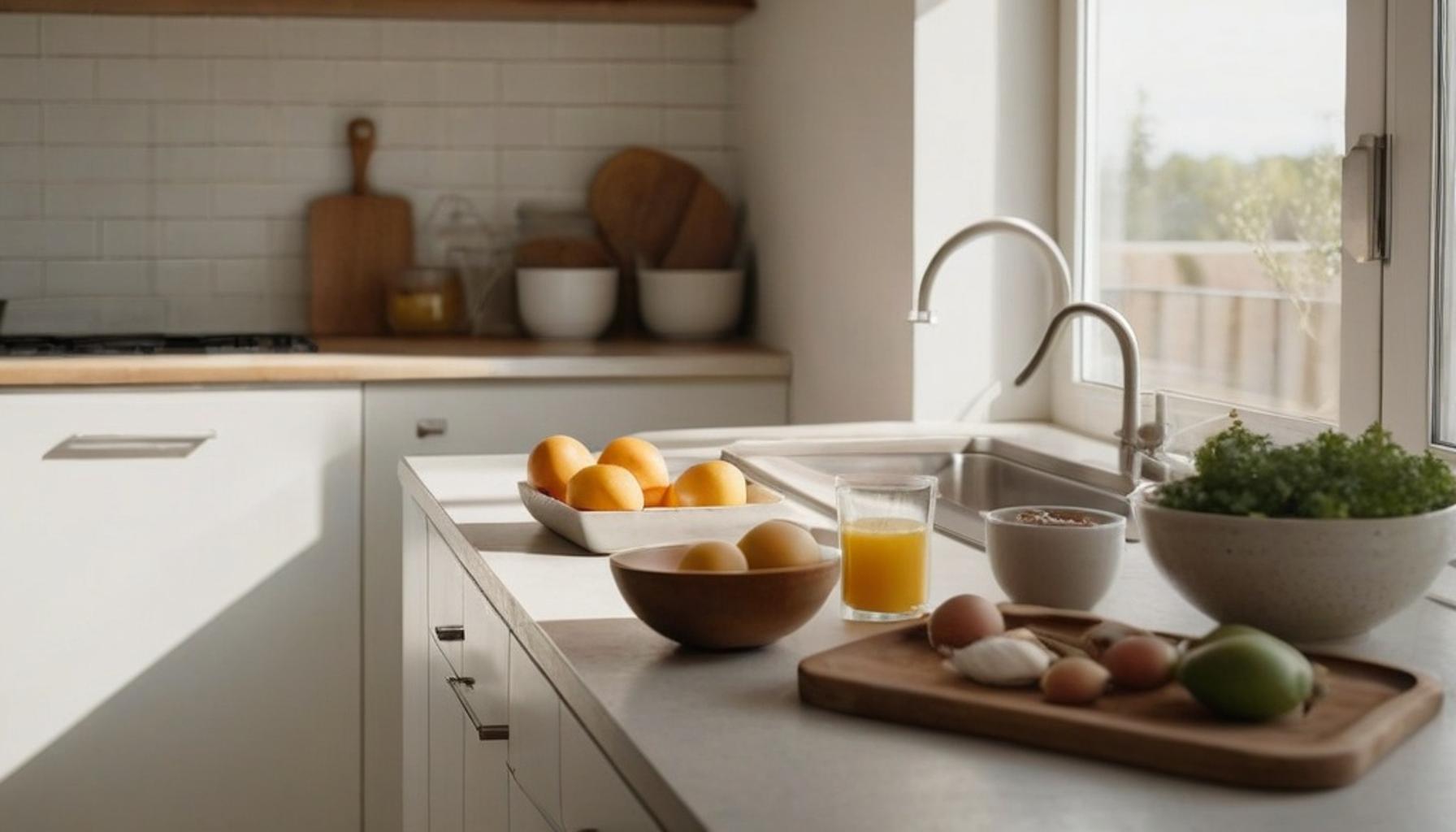
- Kitchens — the most-used room in American homes, averaging over 400 visits per week for a family of four.
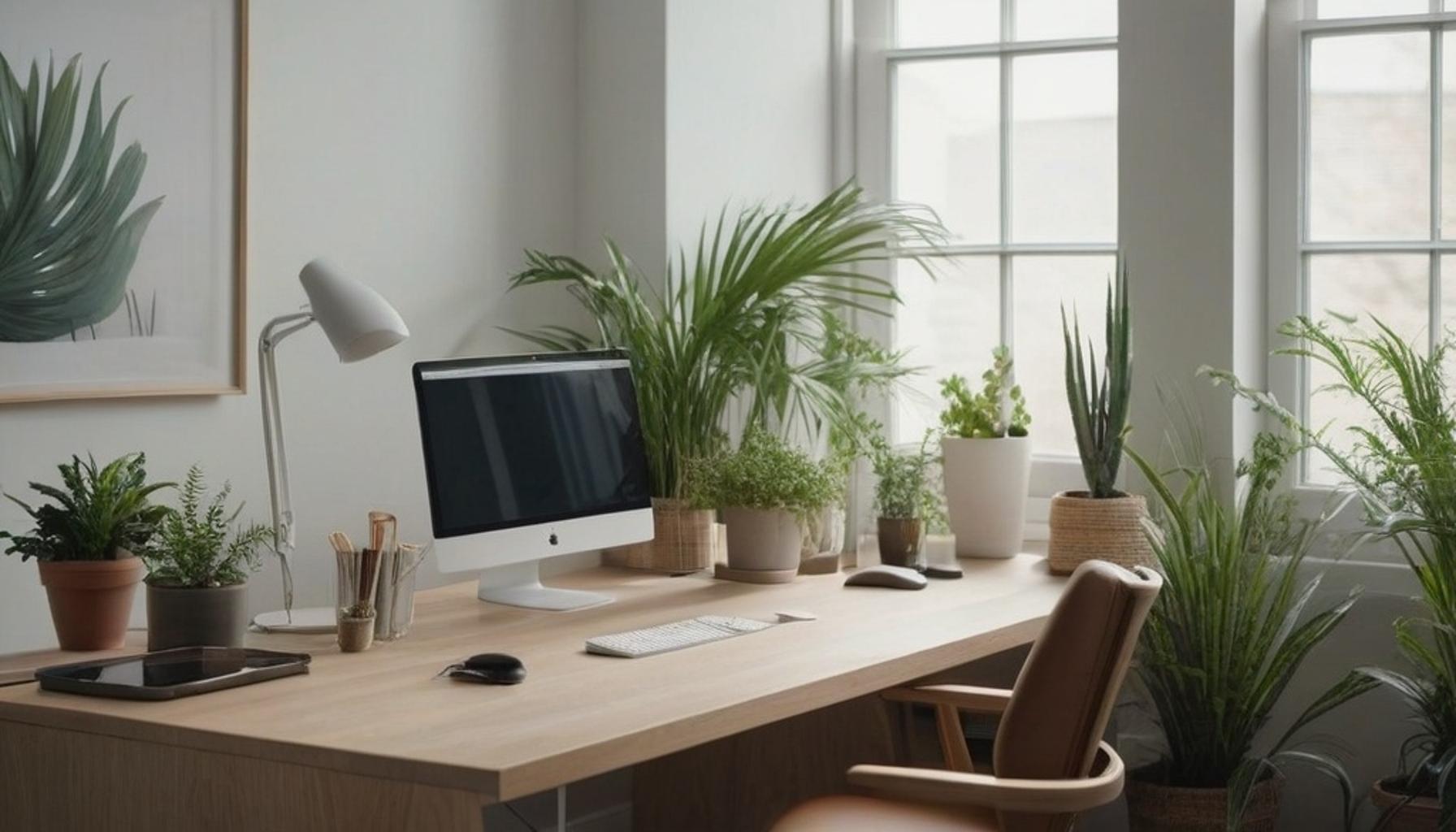
- Workspaces — home offices or shared desks where papers and cables multiply without a defined system.
Applying organization through design to these specific zones—rather than attempting a whole-house overhaul—creates momentum without overwhelm. A labeled bin by the door or a designated charging station on the counter can eliminate dozens of small daily decisions.
Why Decisions, Not Objects, Are the Real Clutter
Psychologists studying decision fatigue estimate that the average adult makes upward of 35,000 choices daily. Many of these are trivial but draining: Where do I put this? Did I already do that? Intentional design reduces this invisible tax by assigning fixed homes and routines to recurring tasks.This is the foundation of effective decluttering and organization—not simply removing items, but removing the need to think about where they belong. When a system is designed correctly, tidying becomes automatic rather than effortful.
Small Shifts, Measurable Results
Consider a simple example many households can apply immediately:
- Designating one drawer exclusively for daily essentials—wallet, keys, sunglasses—cuts search time before leaving the house.
- Batching errands into a single weekly outing reduces both fuel costs and decision-making around scheduling.
- Creating a “one in, one out” rule for clothing purchases keeps closets functional without constant purging sessions.
These aren’t abstract minimalist lifestyle tips—they’re measurable adjustments that compound over time. A household that saves even ten minutes daily through better design reclaims over 60 hours annually, time that would otherwise vanish into disorganization.The next sections will explore how these micro-adjustments scale into full-fledged intentional living strategies, transforming not just spaces, but the rhythm of everyday life itself.

| Category | Description |
|---|---|
| Intentional Spaces | Optimizing your environment to promote focus and clarity is essential in adopting an organized minimalist lifestyle. Include only items that serve a purpose or bring joy. |
| Mindful Routines | Integrating daily rituals that align with your goals enhances efficiency and reduces stress, ensuring thoughtful engagement with each task. |
| Declutter and Organize | Embrace decluttering methods to simplify spaces and routines. This paves the way for a cleaner mind and promotes a productive atmosphere. |
| Intentional Design Tools | Utilizing design-based tools can aid in structuring your daily schedule, enhancing productivity, and maintaining a minimalist approach to tasks. |
YOU MAY ALSO LIKE: Intentional Design in Small Spaces: Minimalist Solutions to Maximize Functionality
# From Micro-Habits to Household ArchitectureOnce the initial zones are addressed, Intentional Design for Daily Routines shifts from spot-fixes to a broader architecture of habits. This is where minimalism stops being about aesthetics and starts functioning as infrastructure for daily life.
Designing Time the Way You Design Space
Most conversations about organization through design focus on physical clutter, but time deserves the same scrutiny. Households that map their week in advance—rather than reacting hour by hour—report significantly less stress, according to time-use studies from the American Time Use Survey.A simple weekly framework might include:
- Anchor tasks — laundry, meal prep, and cleaning assigned to specific days rather than “whenever there’s time.”
- Buffer blocks — 15-to-30-minute gaps built into the schedule to absorb unexpected disruptions.
- Digital curfews — a fixed cutoff time for screens, which behavioral studies link to better sleep and reduced evening clutter accumulation.
This structured approach to daily routines for minimalism doesn’t eliminate spontaneity—it protects it, by ensuring essential tasks don’t spill into every available hour.
The Ripple Effect of a Single Habit Change
Consider the “reset ritual”—a five-minute nightly routine where every room returns to its baseline state before bed. Households that adopt this practice often notice a chain reaction: mornings become faster, decision fatigue drops, and the home feels perpetually “company-ready” without extra effort.This reflects a core principle behind intentional living strategies: one well-designed habit can replace several reactive ones. Instead of scattered clean-up sessions throughout the week, a single nightly reset consolidates the work into a predictable, low-effort routine.
Digital Clutter Deserves the Same Treatment
Physical spaces aren’t the only place accidental systems take root. The average American smartphone user has over 80 apps installed, yet regularly uses fewer than a third of them. Unread emails, duplicate files, and endless notifications create a parallel form of clutter that undermines minimalist goals just as much as a messy garage.Practical decluttering and organization methods now extend into digital life:
- Unsubscribing from non-essential email lists monthly.
- Organizing files into three tiers—active, archive, and delete—rather than an infinite folder system.
- Muting non-critical notifications to reduce daily interruptions, which researchers estimate can total over 100 per day for average users.
These minimalist lifestyle tips reinforce a larger truth: intentional design isn’t confined to countertops and closets. It’s a mindset applied consistently across every system—physical, digital, and temporal—that shapes how a household actually functions.
Building a System That Works Without You Thinking About It
What emerges from all this—zone-by-zone decluttering, time mapping, nightly resets, digital pruning—is not a rigid rulebook but a living framework. Intentional Design for Daily Routines succeeds when it becomes invisible, when the systems run quietly in the background instead of demanding constant willpower.
That’s the real distinction between minimalism as a look and minimalism as infrastructure. A beautifully staged shelf photographed for social media says nothing about whether a household actually functions well at 7 a.m. on a Tuesday. Organization through design is measured in fewer lost keys, fewer rushed mornings, fewer moments of standing in a cluttered room wondering where to start.
The data throughout this piece points to a consistent pattern: small, structural decisions compound. A five-minute reset ritual. A muted notification. A laundry day fixed on the calendar instead of negotiated daily. None of these changes are dramatic on their own, yet together they reduce the mental load that clutter—physical or digital—quietly imposes.
It’s worth remembering that daily routines for minimalism aren’t about deprivation. They’re about removing friction so that time and attention go toward what actually matters to a household, rather than toward managing chaos that better systems could have prevented.
Looking ahead, the next frontier for intentional living strategies may involve smart-home technology and automation working alongside these habits, further reducing manual upkeep. But even without new tools, the principles already outlined here—consistency, simplicity, and periodic review—offer a durable foundation.
Anyone starting this process shouldn’t expect perfection immediately. Decluttering and organization is iterative, not a one-time event. The households that sustain minimalist systems long-term are the ones that treat design as an ongoing conversation with their own habits, adjusting as life changes rather than chasing an unattainable, static ideal.
Frequently Asked Questions
What are the key principles of Intentional Design for Daily Routines?
The key principles of Intentional Design for Daily Routines include simplicity, functionality, and mindfulness. This approach encourages you to eliminate distractions and focus on what truly matters, creating spaces and activities that align with your goals and values. By prioritizing these elements, you can cultivate a more organized and fulfilling minimalist lifestyle.
How can I start integrating Intentional Design into my morning routine?
To integrate Intentional Design into your morning routine, begin by defining your core priorities for the day. Create a streamlined sequence of tasks that eliminates unnecessary steps and distractions. For example, prepare your breakfast and outfit the night before, which can help you maintain focus and efficiency as you start your day.
What are some intentional design elements to enhance my workspace?
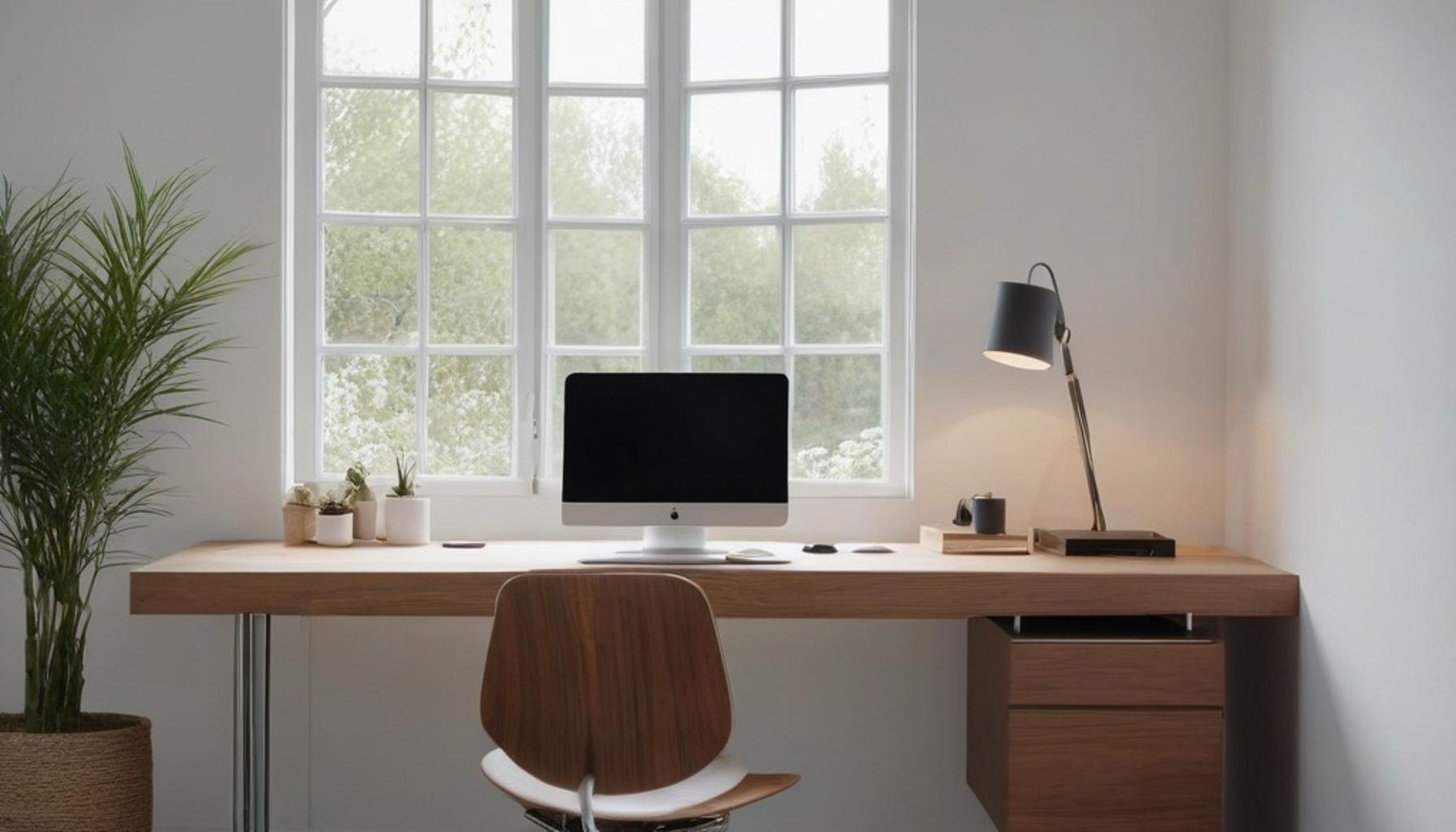
To enhance your workspace with intentional design, focus on decluttering and using multifunctional furniture. Incorporate elements that inspire creativity, such as plants or artwork, while ensuring that everything you keep serves a purpose. Additionally, establish a designated area for work-related items to minimize distractions and boost productivity.
How can I maintain a minimalist mindset when integrating new habits into my routine?
To maintain a minimalist mindset when integrating new habits, regularly evaluate your commitments and eliminate any that no longer serve you. Focus on adding one habit at a time, ensuring that it aligns with your core values and goals. This approach helps prevent overwhelm and keeps your daily routine streamlined and intentional.
Can simplifying my evening routine contribute to a more organized minimalist life?
Yes, simplifying your evening routine can significantly contribute to a more organized minimalist life. By establishing a consistent wind-down process that includes preparing for the next day, reducing screen time, and engaging in calming activities like reading or meditation, you can create a peaceful transition to rest. This clarity can help set the tone for a productive and intentional following day.

Linda Carter
Linda Carter is a writer specializing in minimalism and personal organization. With extensive experience helping readers create more functional and balanced routines, she shares practical advice on decluttering, organizing spaces, simplifying daily tasks, and making more intentional choices. Her goal is to offer clear guidance and accessible strategies that help people reduce excess, improve their surroundings, and enjoy a calmer, more organized lifestyle.