Creating a Sacred Space: How Simplified Living Can Assist in Your Self-Care Practice
In today’s fast-paced world, many of us find ourselves overwhelmed by the chaos of modern life. It’s no surprise that Americans spend an average of 90% of their time indoors, often surrounded by distractions that can significantly affect mental well-being. Whether it’s a cluttered workspace, an overflowing closet, or persistent background noise, these environmental factors can quietly drain our energy and undermine our desires for tranquility and focus.
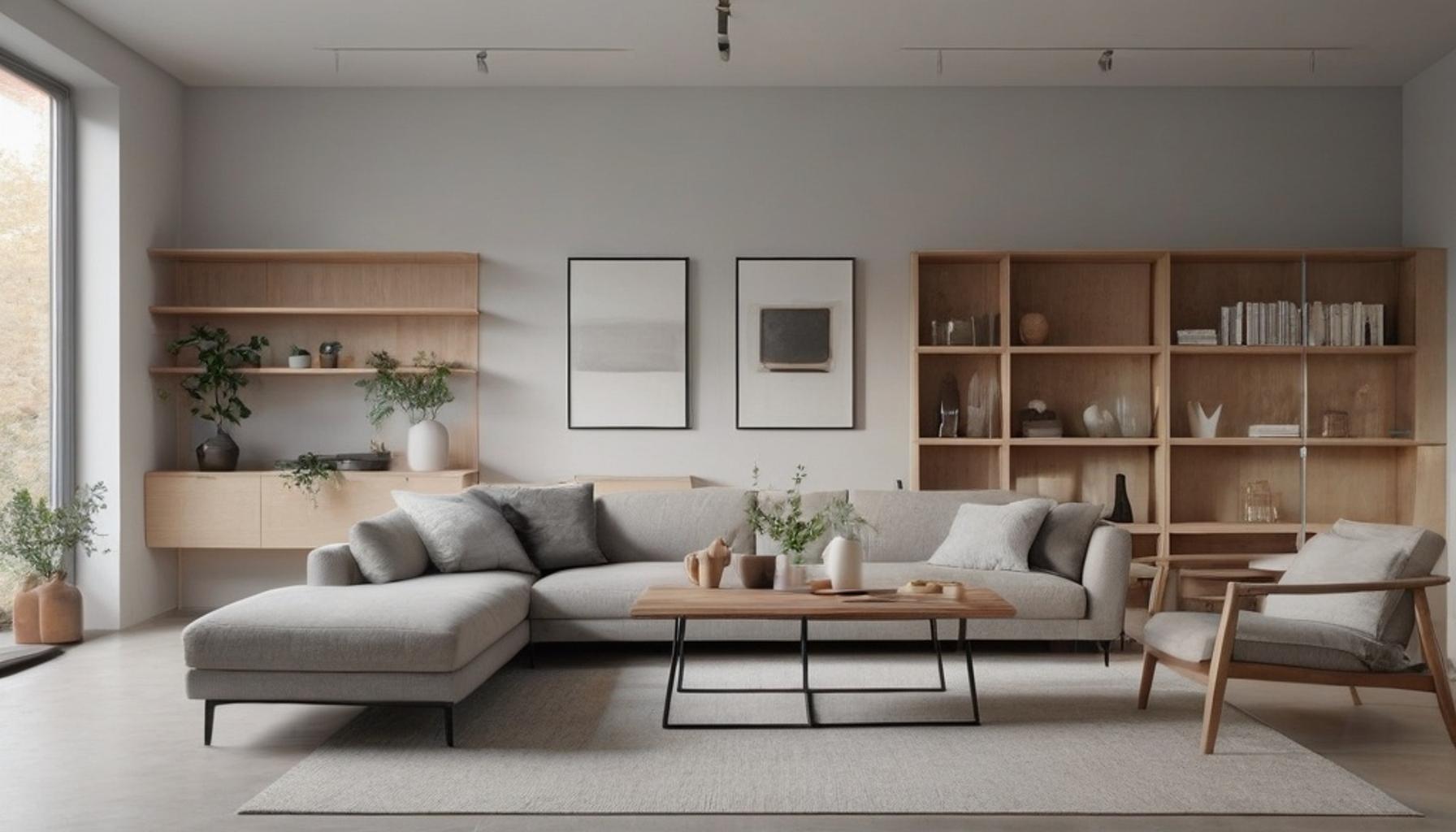
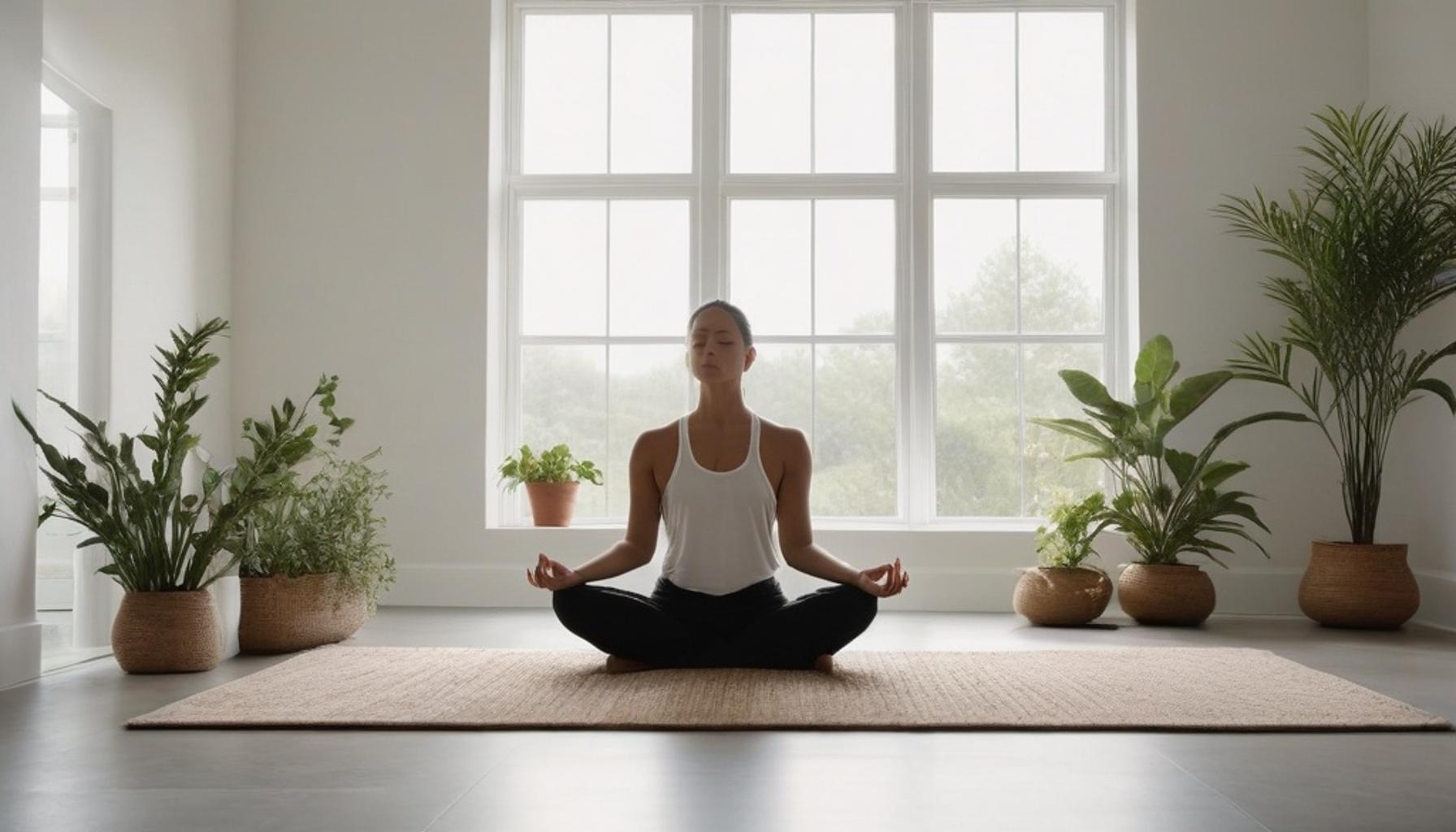
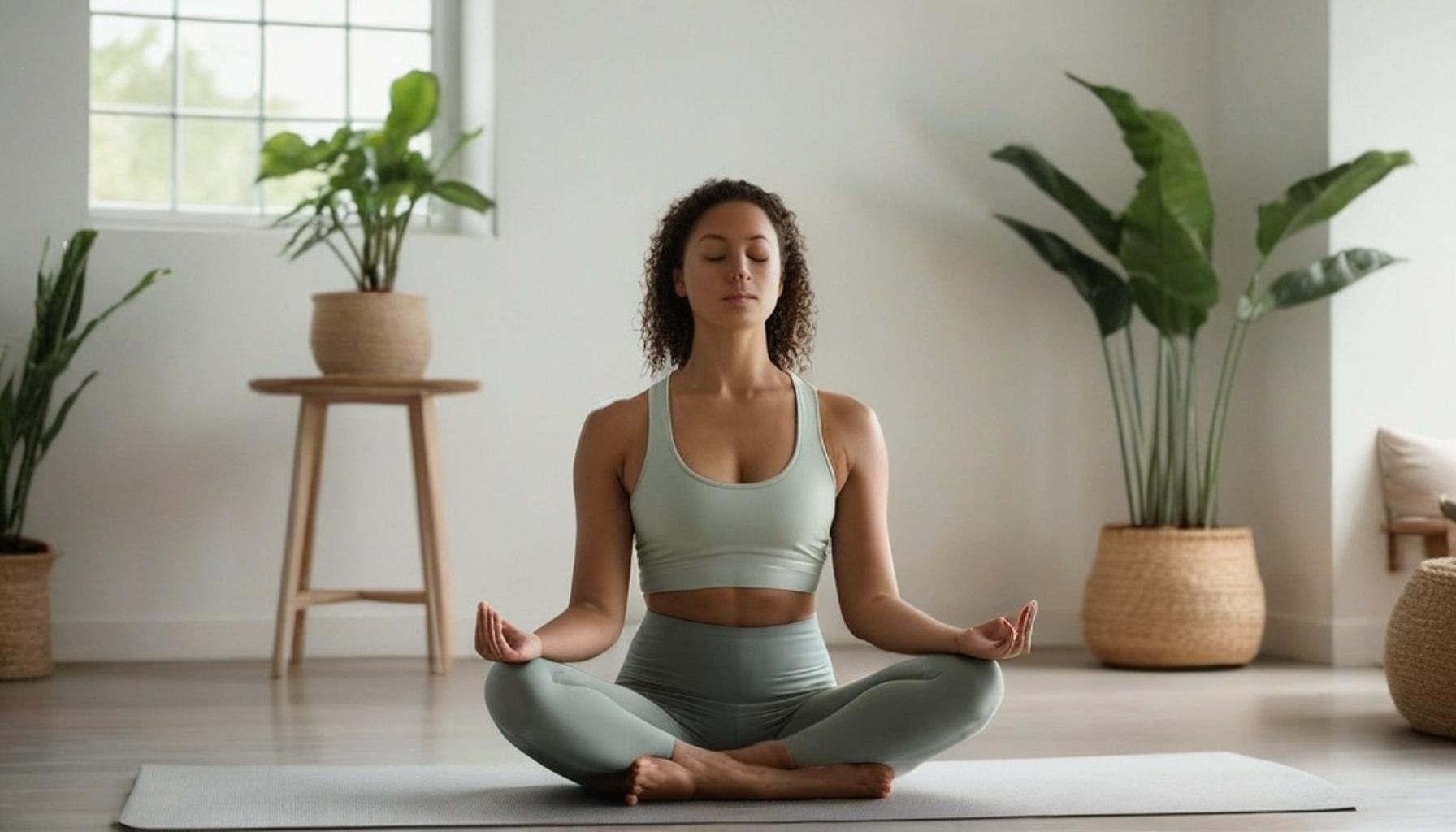
This situation highlights the importance of creating a sacred space for self-care. This concept is rooted not in spirituality or elaborate décor but in the act of designating a specific area in our lives for introspection, peace, and recuperation. A designated self-care space can serve as a sanctuary amidst life’s distractions, allowing individuals to recharge and reconnect with their thoughts.
The Link Between Simplicity and Self-Care
Research has increasingly shown that a minimalist approach can effectively enhance mental well-being. Studies indicate that decluttering can lead to lower cortisol levels, the stress hormone implicated in numerous mental health issues, and improve concentration. For instance, a study at Princeton University found that individuals working in cluttered environments had diminished focus and productivity compared to those in tidy spaces, showcasing the profound connection between environment and mental health.
Transforming your surroundings to foster well-being does not require extensive renovations or costly investments. Instead, small, intentional modifications can create a significant impact:
- Clearing just one surface to establish a area for daily self-care rituals such as journaling, meditating, or gentle stretching can profoundly enhance your mindset.
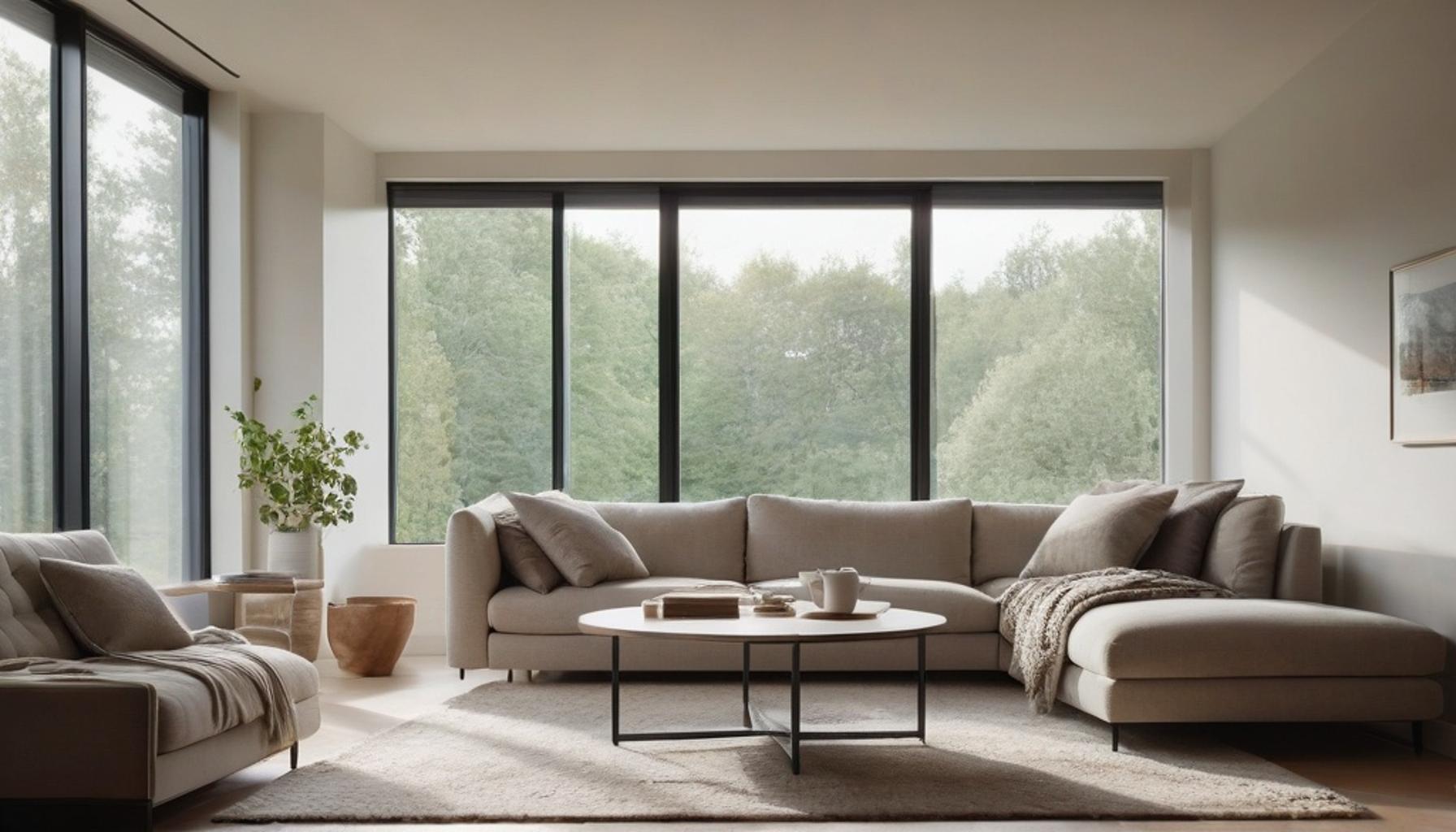
- Introducing natural light into your living spaces or placing a single plant can effectively elevate your mood and decrease feelings of stress.
- Removing digital clutter—such as unused apps on your devices or constant notifications—protects your mental focus by limiting distractions.
- Establishing a “no-work zone,” perhaps in a cozy corner or a particular room, allows for invaluable moments of rest and reflection.
What This Article Will Cover
This guide serves as a roadmap to explore practical minimalist lifestyle tips, empowering you to transform any space, regardless of size, into a personal sanctuary. Additionally, you will discover how mindfulness and physical space intertwine, fostering consistent and sustainable self-care practices. By emphasizing intentionality in our environments, we can create nurturing spaces that promote holistic well-being and a life filled with purpose.
SEE ALSO: The Art of Letting Go: How to Simplify Your Life Through Minimalism
Understanding the Foundations of a Sacred Space
Before diving into the practical steps of transformation, it’s worth pausing to ask: what actually makes a space feel sacred? The answer isn’t about incense or elaborate altars—it’s about intention. A sacred space for self-care is simply an area, however small, that you consciously set aside for restoration rather than production.
Unlike the rest of our homes, which often serve multiple, overlapping purposes, a self-care space operates under a single rule: this is where you come to slow down. That singular focus is what separates a sacred corner from just another room in the house.
Why Physical Space Shapes Mental State
Neuroscience backs up what many intuitively feel. The brain constantly scans its environment for cues, and cluttered, chaotic surroundings send a subtle but persistent signal of unfinished business. This phenomenon, sometimes called “attention residue,” means that even when we’re not actively looking at the mess, part of our cognitive bandwidth remains tied up processing it.
This is where simplified living benefits come into sharp focus. When physical stimuli are reduced, the nervous system has fewer competing signals to interpret, allowing it to shift more easily into a parasympathetic, or “rest and digest,” state—the very state necessary for meaningful self-care practices to take root.
Consider the following everyday indicators that your space may be working against your well-being rather than for it:
- You feel a subtle sense of unease or restlessness when entering a specific room.
- Surfaces are consistently covered with items unrelated to relaxation or rest.
- You struggle to identify a single spot in your home where you feel fully at ease.
- Background noise, clutter, or visual chaos make it difficult to concentrate on a task—even something as simple as reading.
If any of these resonate, it may be time to rethink not just how your home looks, but how it functions on a psychological level.
The Role of Mindfulness in Designing Your Environment
Creating a calming environment isn’t solely about aesthetics; it’s about aligning your surroundings with your intentions. This is where mindfulness and space intersect. Mindfulness asks us to be present and aware, while space design asks us to consider what supports that presence.
Together, they invite a simple but powerful question: does this space help me be here now, or does it pull my attention elsewhere? Answering honestly is often the first real step toward reclaiming a room—or even a corner—as your own personal sanctuary.
YOU MAY ALSO LIKE: Creating a Simplified Living Space: Tips for Minimalist Home Design
Practical Strategies for Simplifying Your Surroundings
Once you understand why space affects state of mind, the next step is action. Building a sacred space for self-care doesn’t require a renovation budget or a spare room—it requires a willingness to edit what you already have.
According to a 2022 survey by the National Association of Productivity and Organizing Professionals, the average American household contains over 300,000 individual items. That statistic alone explains why so many people feel a low hum of overwhelm they can’t quite name. Reducing that number, even modestly, can produce outsized psychological relief.
Start with a Single Zone, Not the Whole House
One of the most common minimalist lifestyle tips is also the most overlooked: think small. Instead of attempting to declutter an entire home in one weekend, choose one zone—a reading chair, a windowsill, a corner of the bedroom—and commit to making that space intentional.
This targeted approach mirrors habit-formation research from institutions like Stanford’s Behavior Design Lab, which shows that small, specific changes are more likely to stick than sweeping overhauls. A single, well-tended corner often becomes the template for expanding calm into other areas over time.
The Three-Question Filter for Belongings
When deciding what stays in your emerging sacred space, ask three questions:
- Does this object serve rest, reflection, or renewal?
- Would I miss this if it disappeared tomorrow?
- Does looking at it calm me or distract me?
Items that fail all three tests are prime candidates for removal. This filter keeps the process objective rather than emotional, which is especially useful for those who feel sentimental attachment to clutter.
Layering Sensory Simplicity
Creating a calming environment goes beyond visual tidiness. Sound, scent, and texture all contribute to how “sacred” a space feels. Consider the following adjustments:
- Swap harsh overhead lighting for a single warm-toned lamp.
- Introduce one natural element, such as a plant or a wooden bowl, to ground the senses.
- Limit the space to a maximum of three colors to avoid visual noise.
- Use a dedicated scent, like lavender or sandalwood, only in that space, training your brain to associate it with rest.
This sensory layering transforms a simple decluttering project into a multisensory ritual, reinforcing the connection between the physical environment and emotional regulation.
Consistency Turns Space into Ritual
A sacred space only becomes powerful through repeated use. Establishing simple self-care rituals—five minutes of journaling each morning, a short breathing exercise before bed—anchors the space in daily life rather than treating it as an occasional retreat.
Over weeks, this consistency signals to the nervous system that this particular spot is safe territory, making relaxation easier to access each time you return to it.
YOU MAY ALSO LIKE: The Benefits of Simplified Living: How Decluttering Can Transform Your Life
Bringing It All Together: Space as a Foundation for Well-Being
The idea of a sacred space for self-care isn’t about aesthetics or trends borrowed from home design magazines. It’s about recognizing that the environments we inhabit quietly shape our mental state, often more than we realize.
Throughout this article, one theme keeps surfacing: less really can mean more. The simplified living benefits discussed here—reduced visual noise, lower cognitive load, a stronger sense of control—aren’t abstract wellness buzzwords. They’re backed by behavioral science and reflected in how people describe feeling lighter after clearing even one drawer or shelf.
Creating a calming environment doesn’t demand perfection. It asks for intention. A single chair by a window, stripped of clutter and paired with a consistent ritual, can do more for your nervous system than an entire home full of untouched, decorative excess.
Consider starting this week with one small experiment:
- Clear one surface completely and leave it empty for seven days.
- Notice whether your mood shifts when you sit near that space.
- Pair the space with one recurring ritual, however brief.
This is where mindfulness and space intersect—not in grand gestures, but in small, repeatable moments of attention. As self-care practices continue to evolve beyond spa days and self-help books, the humble, decluttered corner of a room may prove to be one of the most accessible tools available. The invitation isn’t to buy less or own nothing; it’s to surround yourself only with what genuinely supports your rest, reflection, and renewal.
Frequently Asked Questions
What defines a sacred space for self-care in my home?
A sacred space for self-care is a designated area where you can relax, reflect, and rejuvenate. It typically includes elements that inspire calmness, such as soft lighting, comfortable seating, and meaningful decor that resonates with your personal journey.
How can simplified living contribute to the creation of a sacred space?
Simplified living helps in creating a sacred space by encouraging the decluttering of both physical and mental distractions. By reducing unnecessary items and commitments, you can focus on what truly matters, making your self-care practices more effective in that designated area.
What items should I include in my sacred space for self-care?
Consider including items that promote relaxation and reflection, such as candles, plants, comfortable cushions, and calming artwork. Personal touches, like photographs or sentimental objects, can help make the space feel truly yours and enhance your self-care experience.
Can my sacred space for self-care be outdoors?
Absolutely! An outdoor sacred space can be incredibly rejuvenating, allowing you to connect with nature. A small garden, a cozy patio, or even a quiet corner of your backyard can serve as a perfect spot for meditation, journaling, or simply enjoying the fresh air.
How often should I use my sacred space for self-care activities?
Aim to use your sacred space consistently, whether that’s daily, weekly, or whenever you feel the need to recharge. Regular use helps reinforce its importance in your self-care routine and allows you to cultivate a deeper sense of peace and well-being.
What role does mindfulness play in a sacred space for self-care?
Mindfulness is essential in a sacred space, as it encourages you to be present and fully engaged in your self-care activities. By practicing mindfulness, you can deepen your connection to the space and maximize the benefits of your self-care practices.

Beatriz
Beatriz Johnson is a seasoned minimalist and writer with a passion for simplifying the complexities of personal organization and intentional living. With over a decade of experience in decluttering strategies and mindful consumption, she specializes in topics like space optimization, habit simplification, and sustainable lifestyle choices. Through her work on our website, Beatriz empowers readers to embrace minimalism, reduce mental and physical clutter, and create more meaningful, organized lives in today's fast-paced world.