The Benefits of Simplified Living: How Decluttering Can Transform Your Life
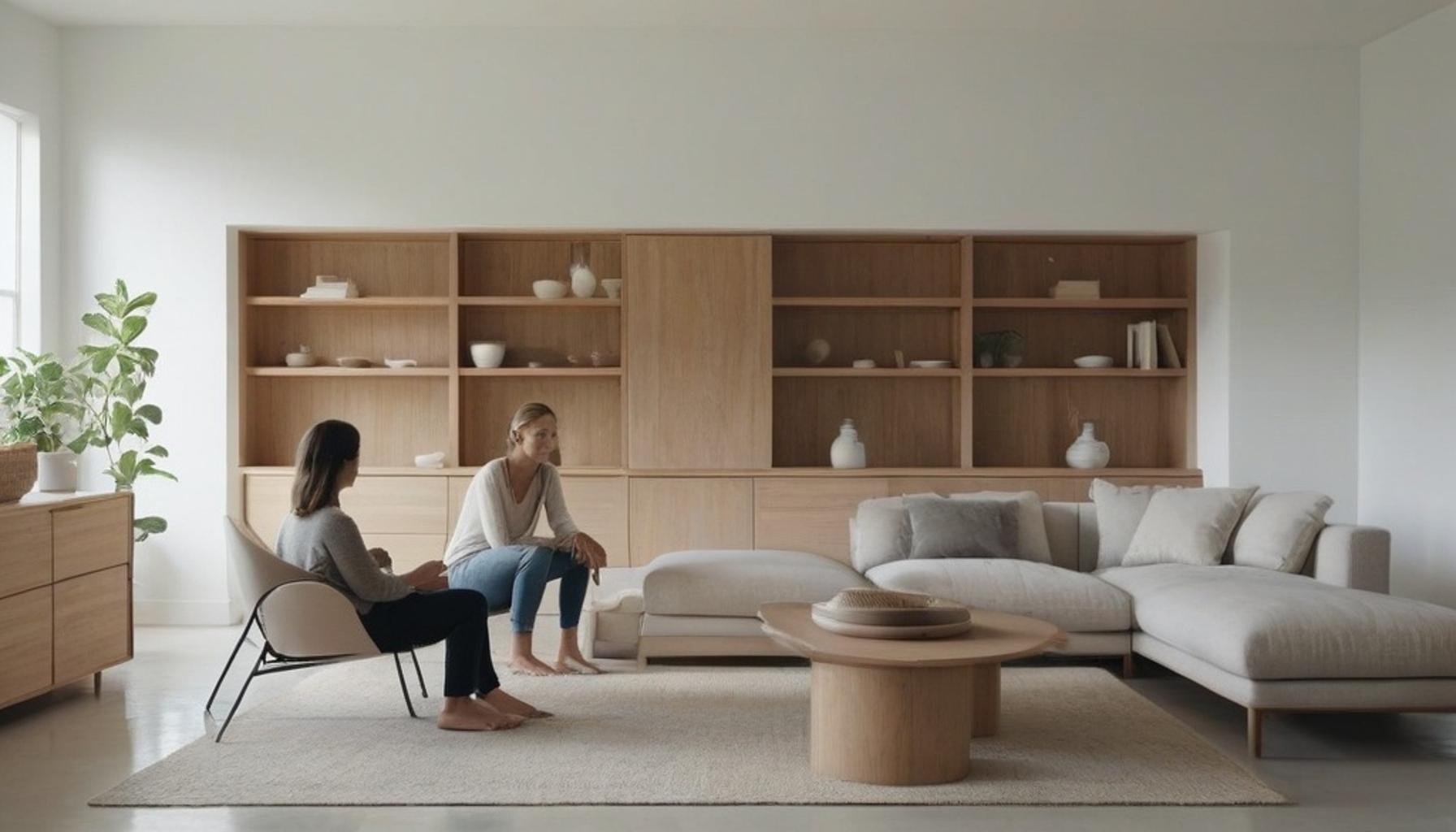
Why Americans Are Rethinking What They Own
The average American household now contains over 300,000 items, according to a report by the LA Times, leading to the booming self-storage industry, which has ballooned to a staggering $39 billion nationwide. This proliferation of possessions has sparked a growing movement among Americans who are starting to rethink what they own. Millions are discovering that the benefits of simplified living extend far beyond having a tidier home—they encompass improved mental health, financial savings, and overall quality of life.
From the trendy tiny homes in Portland, Oregon, to minimalist apartments in the hustle and bustle of Manhattan, a quiet revolution is taking shape. People are starting to question the mantra of “more is better” and exploring the profound notion that, perhaps, less is more. This shift signifies a cultural re-evaluation where individuals and families are seeking not just space, but a more profound sense of freedom and contentment.
The Ripple Effect of a Cluttered Life
Clutter can seep into various aspects of one’s life. It doesn’t merely fill a garage or a closet; it infiltrates the mind, depleting emotional energy and gradually eroding peace of mind. Both harmoniously and unconsciously, a disorganized environment can contribute to anxiety and distractibility. In fact, research conducted by Princeton University has demonstrated that visual clutter competes for your attention, impairing your ability to focus and effectively process information. The implications are particularly relevant in today’s fast-paced world, where distractions are around every corner. That messy junk drawer? It could be costing you focus, serenity, and possibly even your productivity.
What This Article Will Cover
This guide aims to equip readers with practical decluttering tips that extend well beyond generic suggestions or vague instructions. You will uncover effective techniques to declutter your home methodically, room by room, without feeling overwhelmed.
- Discover the science-backed minimalist lifestyle advantages that can enhance mental health and emotional resilience.
- Engage with step-by-step strategies to transform your life through decluttering, enabling true organization.
- Explore tangible financial savings linked to owning less, such as reduced costs for maintenance and utility bills.
- Learn how simplified spaces can lead to improved sleep quality, better focus, and healthier relationships.
Whether you find yourself drowning in a sea of paperwork, tripping over belongings, or simply feeling like your home lacks the capacity to breathe, the benefits of simplified living discussed here serve as your roadmap. This is your invitation to take the first step toward a life that is lighter, more intentional, and richly fulfilling.
LEARN MORE: How Minimalism Can Transform Your Space: Tips for an Organized Home
The Mental and Emotional Payoff of Letting Go
Before diving into specific techniques, it’s worth understanding why the benefits of simplified living resonate so deeply with people across the country. This isn’t just a passing trend embraced by influencers in Los Angeles or Brooklyn—it’s a documented shift in how Americans relate to their belongings and, ultimately, to themselves.
A 2023 survey by the National Association of Productivity and Organizing Professionals found that 54% of Americans feel overwhelmed by clutter, yet only a fraction take consistent action to address it. This gap between awareness and action is precisely where understanding the simplified living benefits becomes crucial. When people grasp the tangible payoff, they’re far more likely to commit to change.
How Clutter Quietly Drains Your Mental Bandwidth
Consider the psychological weight of unmade decisions. Every unused kitchen gadget, every unworn shirt hanging in the closet, represents a small, unresolved decision your brain has to process—repeatedly. Neuroscientists refer to this as “decision fatigue,” and it’s one of the most overlooked minimalist lifestyle advantages once addressed.
A study published in the Journal of Neuroscience found that cluttered environments can literally reduce cognitive capacity, making it harder to concentrate and process information efficiently. This means that learning how to declutter your home isn’t simply an aesthetic pursuit; it’s a functional upgrade to your brain’s operating system.
Here are some of the most immediate emotional shifts people report after clearing physical clutter:
- Reduced anxiety: A calmer visual environment leads to lower cortisol levels, according to research from UCLA’s Center on Everyday Lives and Families.
- Improved sense of control: Organizing personal spaces restores a feeling of agency, especially valuable during stressful periods.
- Greater self-esteem: Completing decluttering tasks, even small ones, triggers a sense of accomplishment that compounds over time.
- Enhanced clarity: Without visual noise, many people report thinking more clearly and making decisions faster.
A Nationwide Shift in Priorities
From Seattle to Miami, therapists and life coaches are increasingly incorporating decluttering practices into their sessions, recognizing that physical environment and mental health are deeply intertwined. This growing awareness is part of why so many Americans are actively searching for ways to transform your life through decluttering—it’s no longer viewed as a chore, but as a legitimate wellness practice.
The next section will break down exactly how to begin this process without succumbing to the overwhelm that so often derails good intentions. With the right decluttering tips, even the most cluttered home can become a source of calm rather than chaos.
| Key Aspect | Description |
|---|---|
| Mental Clarity | A decluttered space minimizes distractions, enhancing focus and productivity. |
| Stress Reduction | Simplified living leads to lower cortisol levels and a more tranquil environment. |
| Time Management | Less clutter means more time – find items faster, reducing wasted minutes. |
| Financial Benefits | A minimalist lifestyle promotes mindful spending, helping you save money and invest wisely. |
SEE ALSO: The Influence of Simplified Living on Mental Health and Well-Being
Practical Strategies That Make Simplified Living Stick
Understanding the psychological upside of a clutter-free life is one thing; actually achieving it is another. Most Americans don’t fail at decluttering because they lack motivation—they fail because they lack a workable system. The benefits of simplified living become accessible only when the process feels manageable rather than overwhelming.
Start Small: The Power of Micro-Decluttering
Professional organizers across the country consistently recommend breaking the process into small, digestible tasks rather than attempting a whole-house overhaul in a single weekend. This approach, often called micro-decluttering, involves tackling one drawer, one shelf, or one category of items at a time.
Marie Kondo popularized the category-based method, but a simpler, more American twist has emerged in recent years: the “15-minute rule.” Set a timer, pick one zone—a junk drawer, a bathroom cabinet, a car glove compartment—and commit to just 15 minutes. This single tactic is among the most repeated decluttering tips because it removes the intimidation factor entirely.
Here’s a simple framework many households in the U.S. have adopted successfully:
- The Four-Box Method: Label boxes “Keep,” “Donate,” “Trash,” and “Relocate” to speed up decision-making during any decluttering session.
- The One-Year Rule: If an item hasn’t been used in 12 months, it’s a strong candidate for donation, particularly for clothing and kitchen tools.
- The One-In, One-Out Policy: For every new item brought into the home, an old one is removed, preventing future clutter buildup.
- Digital Decluttering: Applying these same principles to email inboxes, phone apps, and desktop files, since digital clutter contributes to the same cognitive fatigue as physical mess.
The Financial Side of Simplified Living
Beyond emotional wellness, there’s a measurable financial upside. A 2022 report from the Bureau of Labor Statistics revealed that the average American household spends over $1,700 annually on items they already own but can’t locate due to disorganization. Learning how to declutter your home effectively can directly reduce this kind of wasteful spending.
Many families who commit to a minimalist approach also report unexpected income through resale platforms like Facebook Marketplace, Poshmark, and eBay. Decluttering, in this sense, isn’t just about subtraction—it can become a modest source of addition to household finances.
Real Stories, Real Results
Take the case of a Denver-based family of four who documented their decluttering journey online. Over six months, they eliminated nearly 40% of their household possessions and reported not only a cleaner home but also fewer arguments about “where things go” and reduced time spent on weekly cleaning—dropping from five hours to under two.
Stories like this illustrate the broader minimalist lifestyle advantages that extend beyond aesthetics, touching relationships, time management, and even household harmony. For those ready to transform your life through decluttering, these practical strategies offer a realistic starting point rooted in both psychology and everyday logistics.
CHECK OUT: Uncomplicating Life: Practices of Simplified Living to Reduce Stress
The Bigger Picture: Why Simplified Living Deserves a Place in American Life
From the psychology of clutter to the concrete tactics that make decluttering sustainable, one theme emerges again and again: less really can mean more. The benefits of simplified living aren’t confined to tidy closets or Pinterest-worthy shelves—they extend into mental clarity, financial savings, and stronger relationships at home.
What makes this movement particularly relevant right now is timing. With inflation squeezing household budgets and remote work blurring the lines between office and living space, Americans are rethinking what they actually need. Simplified living offers a practical, low-cost response to both pressures at once.
The data reinforces this shift. Households that adopt structured decluttering tips, like the Four-Box Method or the One-Year Rule, report not just cleaner homes but measurable reductions in weekly stress and cleaning time. That Denver family isn’t an outlier; similar stories are surfacing in cities from Austin to Portland.
Still, it’s worth remembering that simplified living benefits look different for everyone. A retired couple downsizing in Florida faces different challenges than a young family in a Brooklyn apartment. There’s no single blueprint—only principles flexible enough to adapt.
Consider starting with one question: what in your home no longer serves you? Answering it honestly, room by room, is often the real first step in learning how to declutter your home for good.
Ultimately, the research and real-world examples point to the same conclusion. Those willing to transform your life through decluttering often discover that the process was never just about stuff—it was about reclaiming time, attention, and peace of mind in a culture that rarely offers any of the three for free.
Frequently Asked Questions
What are the primary emotional benefits of simplified living?
Simplified living can significantly reduce stress and anxiety by creating a more peaceful environment. As you declutter your space, you often experience a sense of accomplishment and relief, leading to improved mental clarity and overall happiness.
How does decluttering improve productivity in daily life?
Decluttering your space eliminates distractions, allowing for better focus and efficiency in your tasks. A tidy environment can lead to quicker decision-making and increased motivation, resulting in higher productivity levels in both personal and professional pursuits.
Can simplified living lead to financial benefits, and if so, how?
Yes, simplified living can lead to financial savings by promoting mindful consumption and reducing the urge to buy unnecessary items. Additionally, selling unused items can provide extra cash and help create a more organized space that contributes to a clearer financial focus.
What impact does simplified living have on relationships?
Simplifying your living space can foster healthier relationships by reducing tension and creating a more inviting atmosphere. Moreover, it encourages open communication and cooperation among family members, as shared spaces become less cluttered and more harmonious.
How can someone start their journey towards simplified living?
Starting on your journey to simplified living can begin with small steps, such as setting aside 15 minutes each day to declutter a specific area. Creating a plan with clear goals, such as tackling one room at a time, can also help keep you motivated and make the process feel manageable.

Linda Carter
Linda Carter is a writer specializing in minimalism and personal organization. With extensive experience helping readers create more functional and balanced routines, she shares practical advice on decluttering, organizing spaces, simplifying daily tasks, and making more intentional choices. Her goal is to offer clear guidance and accessible strategies that help people reduce excess, improve their surroundings, and enjoy a calmer, more organized lifestyle.