How the Marie Kondo Technique Can Transform Your Space and Your Mind

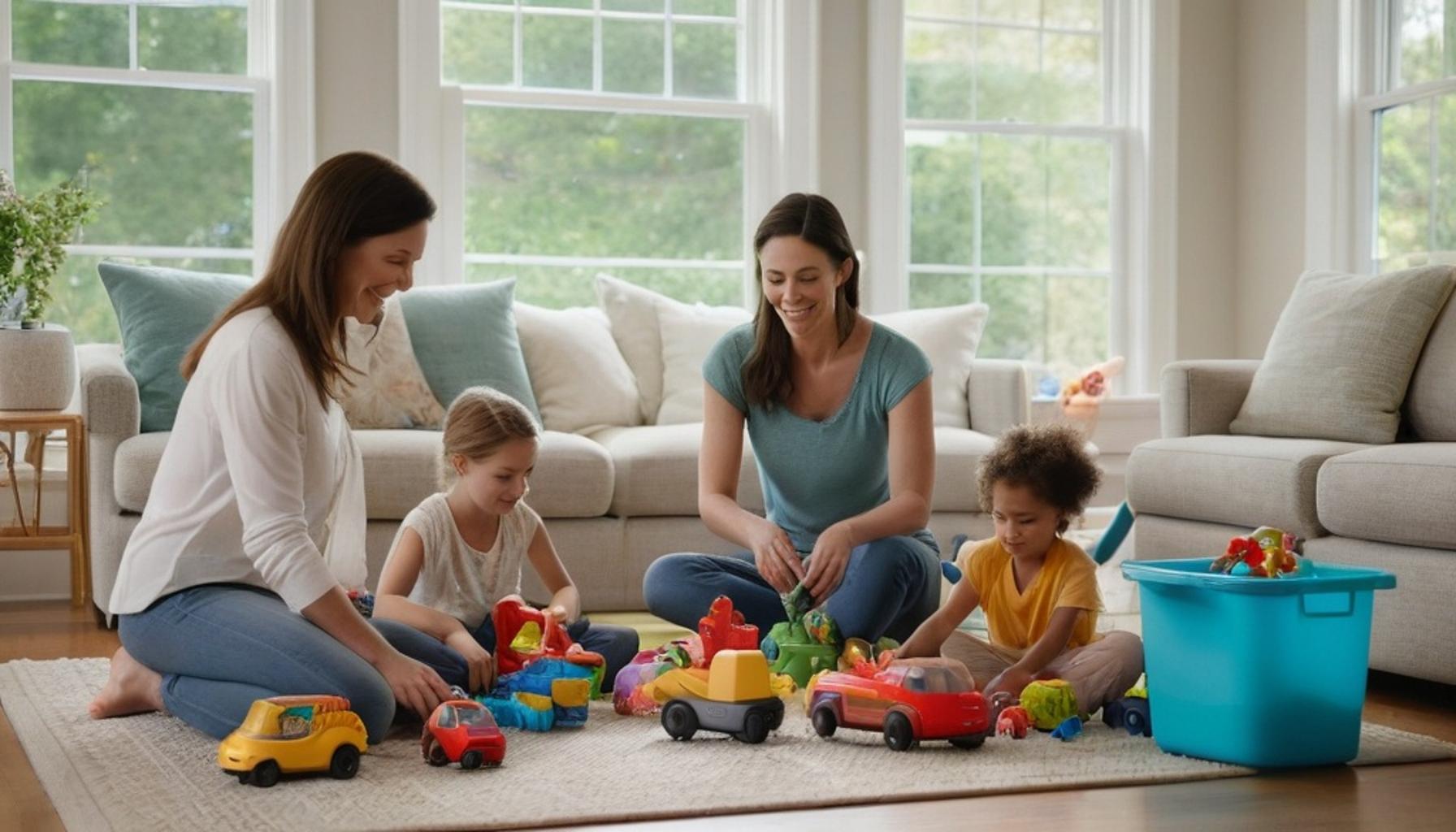
In today’s fast-paced society, where consumerism is rampant, many Americans find themselves surrounded by more possessions than their homes can comfortably contain. Studies indicate that clutter is directly linked to increased stress and anxiety levels, making it an issue of both emotional and mental significance. From overflowing closets in New York apartments to garages filled with once-beloved sports equipment in suburban homes, the struggle to maintain order is prevalent across diverse living situations.
As individuals search for clarity amidst the chaos, the Marie Kondo technique offers a fresh perspective on decluttering. Popularized through her bestselling book, ‘The Life-Changing Magic of Tidying Up,’ and accompanying Netflix series, Kondo’s philosophy encourages everyone to reevaluate their relationship with their possessions through the lens of joy.
Why This Method Stands Out
Distinct from traditional organization tips that often emphasize storage solutions or recommend purchasing additional bins, the KonMari Method delves deeper into personal attachment to objects. By asking profound questions about the emotional significance of belongings, this approach melds practical tidying with the principals of mindfulness, creating a holistic system of organization.
Key principles of the KonMari Method include:
- Tidying by category, not by room: Kondo suggests gathering all items of a specific category—such as clothing or books—in one space before sorting through what to keep or discard. This technique highlights the breadth of items owned and emphasizes the importance of decision-making.
- Evaluating each item based on emotional response: For every possession, ask if it truly “sparks joy.” This requires introspection, as one must acknowledge the emotional weight of belongings.
- Thanking possessions before discarding them: Kondo recommends expressing gratitude to items being let go. This practice promotes closure and a respectful farewell to items that served a purpose, even if they are no longer needed.
- Creating designated homes for everything you own: Once sorting is complete, assigning specific places for each item ensures that everything has a space, fostering a sense of order and preventing future clutter.
This article will explore how these decluttering methods have the potential to genuinely transform not only physical spaces but also mental clarity. Readers will uncover actionable steps to implement the KonMari Method, hear real-life transformative stories, and learn about psychological research that supports the idea that letting go of excess can lead to enhanced well-being and peace of mind.
YOU MAY ALSO LIKE: The Power of the One-In-One-Out Rule: Maintaining a Clutter-Free Lifestyle
The Science Behind the Sparkle: What Happens to Your Brain When You Declutter
Before diving into folding techniques or closet overhauls, it helps to understand why the Marie Kondo technique resonates so deeply with people across the United States. This isn’t just a passing home organization trend—it’s rooted in psychological research that connects our physical environments to our mental states.
A study published by researchers at Princeton University found that cluttered environments compete for our attention, reducing our ability to focus and process information. The visual chaos of overflowing drawers or piled-up mail isn’t just an eyesore; it’s actively draining cognitive resources that could otherwise be used for productivity, creativity, or simply relaxing. This means that every item out of place, or each stack of miscellaneous objects, pulls at our mental energy, creating a sense of overwhelm that can lead to fatigue.
This is where tidying up becomes more than a chore—it becomes a form of self-care. When we declutter, we’re not only organizing our belongings but also creating a more serene mental landscape. When the physical space around us is orderly, our mental environments often follow suit, allowing for greater clarity and peace.
Mindfulness and Organizing: An Unexpected Partnership
What sets the KonMari Method apart from generic organization tips is its integration of mindfulness principles. Rather than mindlessly shoving items into bins, Kondo asks practitioners to slow down and truly engage with their belongings. This intentional pause mirrors techniques used in meditation and cognitive behavioral therapy, where individuals are encouraged to sit with their emotions rather than avoid them. When someone holds a childhood sweater and asks whether it “sparks joy,” they’re practicing a form of emotional check-in that many Americans rarely allow themselves in daily life.
Consider how this plays out in practical terms: when people deliberately engage with what they own, they often uncover feelings they hadn’t addressed. For instance, deciding to keep a souvenir from a family vacation might trigger a flood of positive memories, reinforcing feelings of happiness and nostalgia. Conversely, letting go of items connected to painful chapters can be liberating, allowing individuals to create space for new experiences.
Here are some of the psychological benefits reported by those who have adopted this approach:
- Reduced decision fatigue: By tackling one category at a time, the brain isn’t overwhelmed by scattered choices across multiple rooms. Instead of assessing everything at once, the systematic approach allows people to make decisions more clearly.
- Lower cortisol levels: A UCLA study on home environments found that women who described their living spaces as cluttered or stressful had higher levels of the stress hormone cortisol throughout the day. Clearing these environments can lead to more manageable stress levels.
- Improved sense of control: Organizing possessions intentionally can create a psychological anchor, especially during turbulent life transitions like moves, job changes, or breakups. Having a neat space may foster a sense of stability amidst chaos.
- Enhanced gratitude practice: Thanking items before discarding them, as Kondo suggests, can shift focus from scarcity and guilt to appreciation and abundance. This simple act encourages a mindset of thankfulness rather than one of loss.
These findings suggest that when Americans decide to transform their space, they’re not just clearing out closets—they’re potentially rewiring how they relate to stress, memory, and self-worth. The connection between our external environments and internal emotional landscapes is stronger than most realize. By engaging in activities like organizing and decluttering, individuals may find themselves not only tidying up their homes but also profoundly altering their mental well-being. It’s precisely this link that has made Kondo’s philosophy a cultural phenomenon rather than a fleeting fad, drawing individuals who are increasingly seeking a mindful approach to their lives amidst the chaos of modern existence.
| Key Aspects | Benefits |
|---|---|
| Decluttering Methods | The Marie Kondo technique emphasizes keeping only items that “spark joy,” leading to a significant reduction in clutter. |
| Mindfulness and Organizing | Engaging in the tidying process promotes mindfulness, enhancing mental clarity and emotional well-being. |
| Organization Tips | Implementing effective organization tips lets individuals create a serene living environment, transforming their space and mindset. |
| Transform Your Space | Transforming one’s space results in increased productivity and satisfaction, ultimately fostering a more joyful existence. |
CHECK OUT: The KonMari Method: Transforming Your Space and Mindset
From Theory to Practice: Applying the KonMari Method in the American Home
Understanding the psychology behind the Marie Kondo technique is one thing; putting it into practice within the context of a busy American household is another challenge entirely. Unlike traditional decluttering methods that tackle spaces room by room, Kondo’s approach organizes by category, which she argues produces more lasting results.
This category-based system typically follows a specific sequence: clothing first, then books, papers, miscellaneous items (known as “komono”), and finally sentimental objects. There’s a strategic reason behind this order—it’s designed to build decision-making confidence gradually, saving the most emotionally charged items for when practitioners have had practice trusting their instincts.
Breaking Down the Categories: What Real Progress Looks Like
For many Americans, the clothing category alone can be eye-opening. It’s common for the average household to have far more garments than actually get worn regularly, with countless pieces stuffed into closets, drawers, and even storage units across the country. When people pile every piece of clothing they own onto their bed, as Kondo suggests, the sheer volume often becomes a wake-up call.
Here’s how the process typically unfolds across categories:
- Clothing: Gathering every item from every closet, drawer, and storage bin into one visible pile before making decisions.
- Books: Evaluating whether each title still serves a purpose, rather than keeping books simply because they were once purchased.
- Papers: Confronting mail, receipts, and documents that accumulate quickly, since Kondo generally recommends discarding most paperwork unless legally necessary.
- Miscellaneous items: Addressing kitchen gadgets, electronics, and bathroom products that often multiply without notice.
- Sentimental objects: Tackling photographs, gifts, and keepsakes last, once practitioners have refined their decision-making skills.
One aspect that distinguishes this approach from conventional organization tips is the emphasis on handling every single item personally. Rather than sorting from a distance or making sweeping decisions about entire bins, each object is physically touched and considered individually.
Why Storage Solutions Aren’t the First Step
Many Americans instinctively reach for bins, baskets, and shelving units before they’ve even decided what they’re keeping. Kondo’s method flips this sequence entirely, insisting that discarding must happen before organizing begins.
This distinction matters because purchasing storage solutions first often leads to what professional organizers call “clutter migration,” where unwanted items simply get relocated into neater containers rather than actually leaving the home. Retailers have reported that home organization product sales spike considerably in January, coinciding with New Year’s resolutions, yet many of these purchases arguably address symptoms rather than root causes.
By reversing this order, practitioners of the KonMari Method often find they need significantly less storage than initially anticipated, since the volume of possessions has already been meaningfully reduced through the discarding process itself.
The Lasting Impact of a Mindful Approach to Tidying
Stepping back from the categories and sequences, what emerges is a clear pattern: the Marie Kondo technique succeeds where so many quick-fix decluttering methods fail because it addresses the relationship between people and their possessions, not just the possessions themselves.
This is ultimately why the method has resonated so widely across American households, from small apartments in New York City to sprawling suburban homes in the Midwest. It isn’t simply about owning less—it’s about understanding why certain items were acquired in the first place and what purpose they genuinely serve going forward.
Beyond the Bins: A Shift in Perspective
The connection between mindfulness and organizing deserves particular attention here. Research on decision fatigue suggests that constant visual clutter can quietly drain mental energy throughout the day, which may explain why so many people report feeling calmer after completing the process.
Practical organization tips matter, certainly, but they only go so far without this underlying shift in mindset. Folding techniques and storage bins can’t substitute for the harder work of confronting accumulated habits and emotional attachments.
For those considering whether to transform your space using this approach, it’s worth remembering that the process rarely happens overnight. Kondo herself has acknowledged that a thorough tidying up session can take anywhere from several months to nearly a year for an entire household.
That timeline may seem daunting, but it also reflects something important: genuine change in how people relate to their belongings isn’t meant to be rushed. Whether or not one follows every principle exactly, the broader lesson—that intentionality matters more than accumulation—offers a compelling starting point for anyone ready to rethink their relationship with the things they own.
Frequently Asked Questions
What are the core principles of the Marie Kondo technique?
The Marie Kondo technique, also known as KonMari, is based on decluttering and organizing your space by focusing on items that ‘spark joy’. It encourages you to go through your belongings by category rather than by room, making it easier to evaluate what you really need and love. This method also emphasizes gratitude for the items you let go.
How does the Marie Kondo technique help improve mental well-being?
By decluttering your space using the Marie Kondo technique, you create a more calming and organized environment that can positively impact your mental health. Reducing physical clutter helps minimize distractions, which can lead to decreased stress and anxiety. Many users report feeling a sense of accomplishment and peace after completing the decluttering process.
Can the Marie Kondo technique be applied to digital spaces as well?
Absolutely! The Marie Kondo technique can be adapted for digital decluttering, such as organizing files on your computer, sorting through emails, or managing your digital photos. The key is to evaluate each digital item for its value and relevance in your life, just as you would with physical objects.
What types of items should I start with when using the Marie Kondo technique?
Marie Kondo recommends starting with clothing, as it tends to be less emotionally charged than other categories. Once you’ve completed clothing, you can move on to books, papers, miscellaneous items, and finally sentimental items. This order helps build confidence and decision-making skills as you embark on your decluttering journey.
How do I maintain my space after implementing the Marie Kondo technique?
To maintain your space after applying the Marie Kondo technique, regularly reassess your belongings and ensure that everything in your home continues to ‘spark joy’. Develop habits of tidying daily, and be mindful when acquiring new items, asking yourself if they align with your values and contribute positively to your life. Creating a designated spot for everything can also help in maintaining order.

Beatriz
Beatriz Johnson is a seasoned minimalist and writer with a passion for simplifying the complexities of personal organization and intentional living. With over a decade of experience in decluttering strategies and mindful consumption, she specializes in topics like space optimization, habit simplification, and sustainable lifestyle choices. Through her work on our website, Beatriz empowers readers to embrace minimalism, reduce mental and physical clutter, and create more meaningful, organized lives in today's fast-paced world.