Integrating Minimalist Principles into Daily Routines for Enhanced Efficiency

Why Less Is Becoming America’s New Productivity Currency
In a world of relentless notifications, endless options, and overwhelming responsibilities, Americans face an astonishing reality: they make over 200 decisions related to food alone every day. This staggering amount does not even include professional commitments or household tasks. As a result, burnout is not just a buzzword; it is a pervasive epidemic affecting cities from Seattle to Atlanta. In response, a growing number of professionals are adopting a surprisingly straightforward solution—minimalism. This approach is not limited to decluttering physical spaces; it is a comprehensive way to streamline life and enhance productivity.
Applying minimalist principles to daily routines goes far beyond simply owning fewer things or living in a sparsely decorated environment. Instead, it serves as a pragmatic framework aimed at minimizing mental clutter. By consciously reducing the noise of everyday life, individuals reclaim hours that would otherwise be lost to a haze of decision fatigue and disorganization. Minimalism is about creating a clearer path through the daily chaos, aligning actions with values and priorities.
What This Approach Actually Delivers
- Fewer decisions, more focus — Streamlined choices enable individuals to conserve cognitive energy, allowing them to concentrate on what truly matters. For example, by choosing to have a fixed breakfast every day, one can eliminate the need to decide what to eat each morning.
- Simplified daily tasks — Establishing routines centered around essentials rather than excess can significantly decrease mental strain. This might involve creating a cleaning schedule that prioritizes high-impact areas, ensuring spaces remain orderly without requiring constant attention.
- Boost productivity with minimalism — The measurable time savings that come from reduced friction in day-to-day tasks can be staggering. Autopilot routines, like a quick workout and meal prep every Sunday, can lead to higher efficiency throughout the week.
- Lower stress levels — An environment free from visual and mental clutter reduces anxiety and fosters a sense of calm. Research shows that spaces that are organized and simple can lead to lower cortisol levels, the hormone associated with stress.
This transition toward minimalism in everyday life is no longer considered a niche trend. It has woven itself into mainstream dialogues about work-life balance, especially highlighted by the rise of remote work culture. Professionals are now more focused than ever on developing sustainable habits that stick over the long term.
In the pursuit of efficiency, let’s look closer at practical strategies that can enhance daily life. From embracing capsule wardrobes to engage in digital decluttering, these enhanced efficiency tips provide the means for individuals eager to switch chaos for clarity, one small, intentional habit at a time. Consider the transformative potential of implementing even a few minimalist principles today; small changes can lead to significant benefits in both personal and professional realms.
YOU MAY ALSO LIKE: Integrating Efficient Systems into a Minimalist Routine: How to Automate Daily Tasks to Boost Productivity
The Morning Blueprint: Where Minimalist Principles Daily Routines Take Root
Walk into any high-performing office in Austin or San Francisco, and you will notice a pattern among top performers: their mornings look almost identical every single day. This is not a coincidence. Applying minimalist principles daily routines starts at sunrise, when willpower is at its peak and decision-making capacity is freshest. By establishing a predictable structure to their mornings, individuals set a productive tone that reverberates throughout their entire day.
This methodical approach to morning routines is not merely aesthetic; it has roots in psychological research. Behavioral scientists have long pointed to a concept called “decision fatigue,” which posits that the quality of choices deteriorates after a prolonged session of decision-making. High-profile figures, such as Mark Zuckerberg and Barack Obama, have famously adopted minimalistic strategies—Zuckerberg with his gray t-shirt wardrobe and Obama with a curated selection of suits—to conserve their cognitive resources for more significant decisions later in the day.
Building a Framework for Simplifying Daily Tasks
The good news is that this strategy is entirely replicable without requiring a tech-CEO salary. Simplifying daily tasks begins with identifying repetitive choices that drain energy without adding value. Once identified, these choices can be automated, batched, or eliminated entirely. The goal is to free up mental space for creativity, problem-solving, and the more weighty decisions that life often demands.
Consider the following actionable strategies that professionals across the country are using to reset their mornings:
- The uniform approach — Selecting three to five interchangeable outfits for the workweek allows individuals to sidestep daily dilemmas about what to wear, thus removing factors such as weather, occasion, and mood from the decision-making process. This principle, famously adopted by Steve Jobs, helps in streamlining thoughts toward core responsibilities.
- Meal templating — Rotating a set of five go-to breakfasts and lunches can be a game changer. This approach not only eliminates the hours lost in weekly menu planning but also helps in reducing grocery bills by circumventing impulse purchases often made when faced with too many choices.
- The two-minute rule — This principle suggests that any task that takes under two minutes, such as making the bed or rinsing a dish, should be completed immediately. By addressing these minor tasks on the spot, one cultivates a sense of accomplishment and prevents mental clutter from accumulating.
- Single-tasking blocks — Dedicating uninterrupted 25-minute windows to one specific task, a technique popularized by productivity frameworks like the Pomodoro Technique, dramatically enhances focus and prevents the energy drain caused by constant context-switching. For instance, instead of multitasking throughout the day, reserving time for deep work leads to clearer outputs and better performance.
These habits, while seemingly trivial in isolation, can lead to significant changes when practiced consistently. A 2018 study from Princeton University found that visual clutter directly competes for attention with the task at hand, reducing performance on cognitive tests. By applying that logic to daily choices, it becomes evident that making fewer decisions in the morning translates into sharper focus and enhanced productivity by midday.
This is precisely why daily habits for minimalism have captivated busy professionals, overwhelmed parents, and entrepreneurs alike. The overarching goal of these practices is not deprivation; rather, it is about intentional design. Each routine, stripped of unnecessary complexity, unveils one less obstacle between waking up and channeling focus into meaningful work. By fostering simplicity, individuals enable themselves to engage more fully with their tasks, thus enhancing their overall well-being and effectiveness.
As these practices gain traction, it is clear that the minimalist approach to morning routines is not merely a fleeting trend but a viable blueprint for anyone striving for productivity, clarity, and fulfillment in their daily lives. Investing in a more considered morning routine is an invitation to embrace a lifestyle that prioritizes purpose over excess.

SEE ALSO: Decluttering Strategies for Streamlined Personal Organization and Productivity
The Afternoon Reset: Sustaining Minimalism in Everyday Life
If mornings set the tone, afternoons are where most people watch their productivity quietly unravel. A cluttered inbox, an overflowing calendar, and a desk covered in sticky notes can undo even the most disciplined start to the day. This is where minimalism in everyday life proves its worth, offering a second wind precisely when energy typically dips.
According to a 2022 report from RescueTime, the average American worker checks email or messaging apps every six minutes, fragmenting attention into pieces too small to produce meaningful work. Applying minimalist principles daily routines to the workspace means confronting this fragmentation directly, rather than accepting it as an unavoidable cost of modern employment.
Digital Decluttering as an Enhanced Efficiency Tip
Physical clutter gets most of the attention in minimalism circles, but digital clutter is arguably more damaging to focus. Notifications, unread messages, and browser tabs left open for “later” all consume cognitive bandwidth, even when they sit unattended.
Professionals looking to implement practical enhanced efficiency tips are increasingly turning to digital minimalism strategies, including:
- Inbox zero windows — Checking email only during two or three designated periods daily, rather than continuously, which studies from the University of California, Irvine, link to lower stress and improved task completion rates.
- App audits — Removing unused applications monthly, a habit that mirrors physical decluttering and reduces the temptation of mindless scrolling during work hours.
- Notification silencing — Disabling non-essential alerts on phones and computers, preserving attention for tasks that genuinely require immediate response.
- Tab discipline — Limiting open browser tabs to three or fewer at any given time, forcing a more linear, less scattered approach to research and communication.
These adjustments may sound minor, but their cumulative effect is significant. A Stanford University study on multitasking found that individuals who regularly juggle multiple digital streams perform worse on tests of task-switching ability than those who focus on one stream at a time, even when the latter group is not classified as “high multitaskers.”
Workspace Simplicity to Boost Productivity with Minimalism
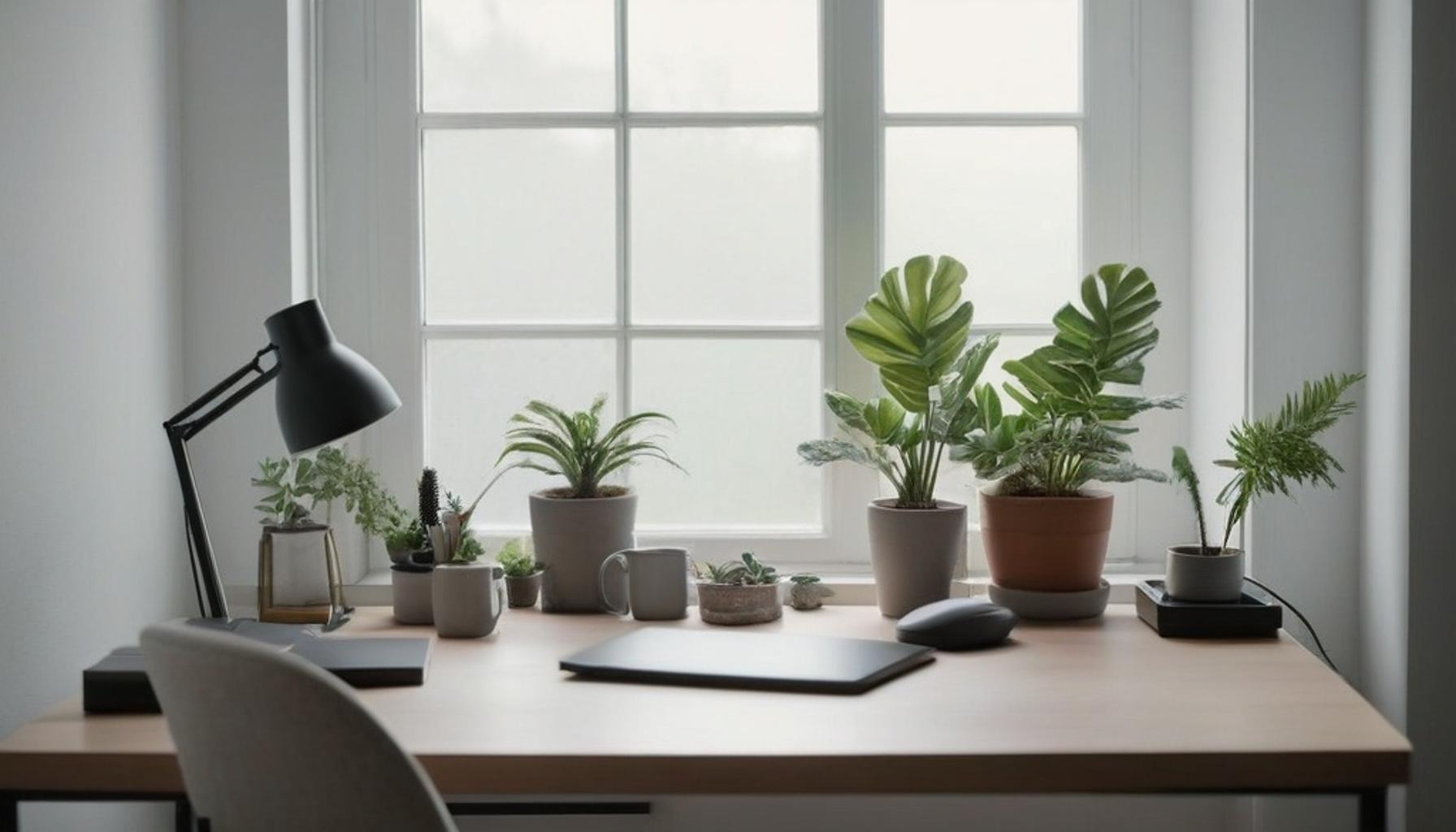
Beyond screens, the physical environment plays an equally important role. Companies like Google and Basecamp have experimented with minimalist office designs, citing improved employee focus and reduced reported stress levels. This is not about sterile, empty rooms; it is about intentional space that serves a purpose.
To boost productivity with minimalism in a home or office setting, consider these adjustments:
- Keeping only current-project materials on the desk, storing everything else out of sight until needed.
- Using a single notebook or digital tool for task tracking instead of scattering notes across multiple platforms.
- Establishing a “one in, one out” rule for desk items, preventing gradual accumulation of unnecessary objects.
Collectively, these afternoon strategies extend the benefits established each morning, proving that simplifying daily tasks is not a one-time event but an ongoing practice that requires attention throughout the entire day.
LEARN MORE: The Role of Digital Tools in Creating Efficient Minimalist Systems
The Lasting Payoff of Less: Final Reflections
By now, one truth should be clear: minimalist principles daily routines are not about deprivation or aesthetic minimalism for its own sake. They are about reclaiming attention, time, and energy that modern life is remarkably good at siphoning away. From the structured calm of a simplified morning to the digital discipline of an afternoon reset, the evidence points to a consistent conclusion — less genuinely produces more.
What makes this approach compelling is its accessibility. Unlike major lifestyle overhauls that require significant financial investment or drastic schedule changes, daily habits for minimalism can begin with something as small as silencing one notification or clearing a single desk drawer. The research cited throughout this discussion, from RescueTime’s attention-fragmentation data to Stanford’s multitasking findings, suggests that small interventions compound into measurable gains over weeks and months.
It is worth noting that minimalism will look different for a freelance graphic designer in Austin than for a hospital administrator in Chicago. The specific tools and routines matter less than the underlying commitment to intentionality. Readers considering this shift might start by auditing just one area of their day, whether inbox habits, physical workspace, or calendar structure, rather than attempting a complete transformation overnight.
Ultimately, simplifying daily tasks is less a rigid system and more a continuous practice of asking what truly deserves attention. As remote work, digital overload, and constant connectivity continue shaping American professional life, those who learn to boost productivity with minimalism may find themselves not just more efficient, but genuinely more present in their own daily lives.
Frequently Asked Questions
How can I identify which minimalist principles to apply to my daily routines?
Start by assessing your current habits and identifying areas that feel cluttered or overwhelming. Consider key minimalist principles like prioritization, decluttering, and focus on essentials, and apply them to tasks that consume a lot of your time or energy. Experiment with different approaches to see which resonate with you.
What are some practical steps to declutter my morning routine using minimalist principles?
Begin by evaluating the activities in your morning routine. Eliminate non-essential tasks, streamline your breakfast choices, and prepare items like clothes and lunch the night before. By reducing decision fatigue and focusing only on what truly matters, you can enjoy a more efficient start to your day.
How do minimalist principles help in improving time management during the day?
Minimalist principles encourage you to focus on fewer tasks that have a higher impact, rather than spreading yourself thin over multiple low-priority tasks. By emphasizing quality over quantity, you can allocate your time more effectively, create more meaningful routines, and ultimately see an increase in productivity.
Can integrating minimalist principles into my daily routines improve my mental well-being?
Absolutely! By reducing the clutter in both your physical space and your daily agenda, you create a calmer, more organized environment that can significantly reduce stress. This focus on simplicity helps to foster a sense of control, allowing you to approach each day with a clearer mindset.
What tools or apps can assist me in applying minimalist principles to my routines?
Consider using productivity apps such as Todoist or Trello to prioritize tasks and remind you of your minimalist goals. Apps that promote mindfulness, like Headspace, can also help you stay focused and present. Keep your toolset simple by choosing only those that you find genuinely helpful and easy to use.

Linda Carter
Linda Carter is a writer specializing in minimalism and personal organization. With extensive experience helping readers create more functional and balanced routines, she shares practical advice on decluttering, organizing spaces, simplifying daily tasks, and making more intentional choices. Her goal is to offer clear guidance and accessible strategies that help people reduce excess, improve their surroundings, and enjoy a calmer, more organized lifestyle.