The Art of Letting Go: Decluttering Techniques for Beginners

Understanding the Weight of Clutter
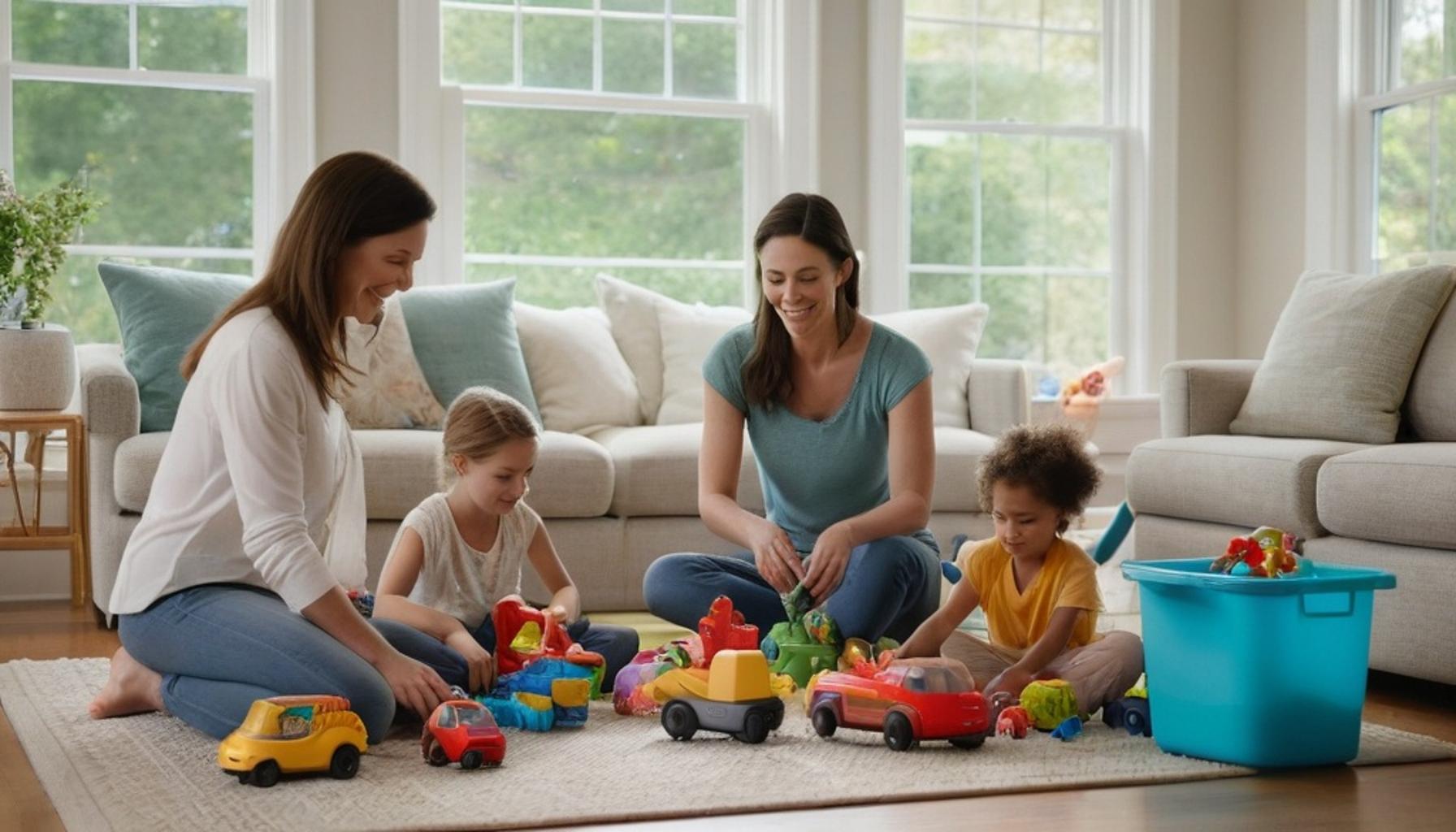
Did you know that the average American home harbors an astonishing 300,000 items? This staggering statistic, reported by the LA Times, reveals the magnitude of everyday clutter that many individuals grapple with. To tackle this burgeoning excess, approximately 10 percent of U.S. households turn to offsite storage units, indicating a societal reliance on external spaces just to manage domestic overflow. It’s no wonder that many people feel a sense of dread the moment they peer into an overloaded closet or look around a room strewn with items.
However, the implications of clutter extend far beyond aesthetics. Various studies have found strong connections between disorganized environments and increased cortisol levels, which is a hormone associated with stress. In addition to the mental toll, a cluttered space can hinder concentration and negatively affect sleep quality. Environments marked by chaos can make it difficult to focus, as the brain struggles to process excessive visual stimuli. This prolonged exposure to clutter can lead to chronic stress, making it essential to address these cluttered spaces for overall well-being.
What to Expect from This Comprehensive Guide
This beginner’s guide to decluttering equips you with practical approaches that seamlessly integrate into your daily life. Rather than intimidating checklists that may leave you feeling overwhelmed, you’ll be introduced to straightforward decluttering techniques tailored to beginners.
Here’s what you can expect to discover:
- Strategies for tackling clutter room by room, minimizing the risk of burnout
- Effective tips for decluttering that can be accomplished in less than 15 minutes a day
- Motivational techniques designed to keep you inspired even when progress seems slow
- Insights into a minimalist lifestyle that can support lasting decluttering habits
The Art of Letting Go
It is a common belief that some individuals are inherently organized while others struggle. However, this idea is a myth that deserves to be challenged. The ability to let go of possessions is a skill that can be cultivated, not an innate personality trait. Developing this skill happens through repeated, small actions rather than relying on a single large-scale purge. This guide will explore where to begin on your decluttering journey, helping you embrace the process and ultimately reclaim your space.
Over time, with patience and practice, you can move towards a less cluttered life, fostering an environment that supports clarity and peace of mind.
LEARN MORE: How to Stay Motivated During the Decluttering Process: Practical Tips
# The Art of Letting Go: Decluttering Techniques for Beginners
Starting Small: The Foundation of Sustainable Decluttering
Walk into any bedroom closet in America, and there’s a good chance you’ll find it stuffed beyond its intended capacity. This is not a personal failing—it’s a widespread pattern. According to organizational experts, most people underestimate their belongings by nearly half, which explains why that “quick weekend cleanout” often spirals into an overwhelming, unfinished project. Understanding how to declutter your home starts with recognizing that scale is the enemy of progress.
One of the most effective decluttering techniques for beginners is the concept of micro-decluttering. Instead of dedicating an entire Saturday to overhauling your garage, focus on a single drawer, shelf, or surface. This method reduces decision fatigue, a psychological phenomenon where the quality of your choices deteriorates the more decisions you make in a day. Sorting through 300,000 household items, even in small doses, requires mental energy that most people simply don’t have after a full workday.
The 15-Minute Rule
Professional organizers frequently cite a simple, low-pressure strategy known as the 15-minute rule. Setting a timer creates a psychological boundary that makes the task feel finite rather than endless. This is one of the most practical simple decluttering tips for anyone who feels paralyzed by where to begin.
Here’s how to apply the 15-minute method effectively:
- Choose one specific zone—a nightstand, a kitchen junk drawer, or a bathroom cabinet
- Set a visible timer on your phone or oven clock
- Sort items into three categories: keep, donate, and discard
- Stop when the timer sounds, even if the task feels incomplete
This approach might seem too modest to produce real change, but consistency compounds. Fifteen minutes daily equates to roughly 91 hours annually dedicated to reclaiming your space, without a single overwhelming weekend sacrificed to the cause.
Why Emotional Attachment Complicates the Process
Letting go of physical items often triggers unexpected emotional resistance. A study published by Yale University found that decision-making regions of the brain activate similarly whether someone is discarding a possession or experiencing physical pain. This neurological response explains why decluttering can feel exhausting, even when the item in question—like a chipped mug or an outgrown sweater—holds little practical value.
Recognizing this emotional component is essential to any successful beginner’s guide to decluttering. Rather than forcing immediate detachment, allow yourself to acknowledge the item’s history before deciding its fate. This small act of reflection often makes the letting-go process feel less like loss and more like an intentional choice.

# The Art of Letting Go: Decluttering Techniques for Beginners
Building Momentum: Systems That Keep Clutter From Returning
Once the initial resistance fades, many beginners discover a second challenge: maintaining progress. Clearing a closet feels rewarding, but without a system, clutter has a way of creeping back within weeks. This is where decluttering motivation strategies become just as important as the physical act of sorting itself.
A widely referenced approach among professional organizers is the “one-in, one-out” rule. For every new item brought into the home, an existing one must leave. This isn’t about deprivation—it’s about maintaining equilibrium. Retailers count on impulse purchases; the average American household spends over $18,000 annually on non-essential goods, according to consumer research firms. A simple exchange system interrupts that cycle before it accumulates into a bigger problem.
The Four-Box Method
For those wondering how to declutter your home without feeling paralyzed by choices, the four-box method offers structure. Label four containers: Keep, Donate, Sell, and Trash. This visual separation makes decisions feel more concrete than abstract mental sorting.
Consider applying this method room by room, prioritizing spaces with the highest emotional or functional impact first:
- Home office or workspace, where clutter directly affects productivity
- Kitchen counters, since visual chaos here influences daily stress levels
- Entryways, which set the tone for the entire household
- Bedrooms, where clutter has been linked to disrupted sleep patterns
A 2021 study from the National Sleep Foundation found that individuals with cluttered bedrooms took significantly longer to fall asleep than those with tidy spaces. Visual disorder, it turns out, doesn’t just affect the eyes—it affects the nervous system’s ability to relax.
Adopting Minimalist Principles Without Extremes
Not everyone decluttering their home aspires to live out of a single suitcase. Adopting select minimalist lifestyle tips doesn’t require extreme minimalism—it simply means being intentional about what earns a place in your home.
One practical filter, popularized by organizing consultants nationwide, involves asking three questions before keeping an item: Have I used this in the past year? Would I repurchase it today? Does it serve a genuine purpose or only theoretical one? Items that fail all three questions are strong candidates for removal.
This same beginner’s guide to decluttering philosophy extends to digital spaces, often overlooked in physical decluttering conversations. Inboxes, photo libraries, and desktop files accumulate similarly to physical clutter, creating comparable mental fatigue. Addressing both fronts simultaneously produces a more comprehensive sense of order, reinforcing that letting go is less about deprivation and more about creating room for what truly matters.
YOU MAY ALSO LIKE: Declutter Digital: Strategies to Organize Your Devices and Increase Productivity
Starting Small, Thinking Long-Term
Mastering decluttering techniques for beginners isn’t about achieving a magazine-worthy home overnight. It’s about recognizing that clutter accumulates gradually, so its removal should follow the same measured pace. The households that succeed long-term rarely rely on a single weekend purge—they build habits that outlast motivation dips.
Throughout this beginner’s guide to decluttering, one theme resurfaces consistently: intention matters more than speed. Whether applying the four-box method to a bedroom or asking the three-question filter before a purchase, each strategy shares a common goal of making deliberate choices instead of passive accumulation.
Consider the numbers again. With the average household spending thousands yearly on items that often go unused, the financial case for restraint is as compelling as the emotional one. Simple decluttering tips, like the one-in, one-out rule, function as quiet safeguards against that pattern repeating itself.
Readers exploring minimalist lifestyle tips should remember that minimalism looks different in every household. A family of five will define “essential” differently than someone living alone, and that flexibility is precisely what makes these principles sustainable rather than restrictive.
Perhaps the most overlooked lesson is this: decluttering is rarely a one-time event. It’s a maintenance practice, not unlike exercise or budgeting, requiring periodic check-ins rather than permanent fixes.
For anyone still asking how to declutter your home in a way that actually sticks, the answer lies less in dramatic overhauls and more in small, repeatable systems. Letting go, it turns out, is less about loss and more about making continuous room for what genuinely serves daily life.
Frequently Asked Questions
What are some simple decluttering techniques for beginners?
Some effective decluttering techniques for beginners include the ‘One in, One out’ method, where you remove one item for every new item you bring in. The ‘Four-Box Method’ also helps by categorizing items into boxes for keep, donate, trash, or unsure. Additionally, starting with small spaces, like a single drawer, can make the process less overwhelming.
How do I stay motivated while decluttering my home?
To stay motivated while decluttering, set small, achievable goals and celebrate your progress after completing each area. Creating a timeline for your decluttering tasks can keep you on track as well. It can also be helpful to visualize the end result of your decluttering efforts, such as a more organized and spacious living environment.
What should I do with items I no longer want or need?
Items you no longer want can be dealt with in several ways. Consider donating gently used items to charity organizations or selling them through online marketplaces. If items are damaged or unusable, recycling or discarding them responsibly is the best option.
How can I manage sentimental items during the decluttering process?
When dealing with sentimental items, try to limit yourself to a few meaningful pieces that truly represent your memories. Take photos of items you can let go of; this way, you preserve the memory without keeping the physical item. Be honest with yourself about the emotional weight each item holds to make better decisions.

Linda Carter
Linda Carter is a writer specializing in minimalism and personal organization. With extensive experience helping readers create more functional and balanced routines, she shares practical advice on decluttering, organizing spaces, simplifying daily tasks, and making more intentional choices. Her goal is to offer clear guidance and accessible strategies that help people reduce excess, improve their surroundings, and enjoy a calmer, more organized lifestyle.