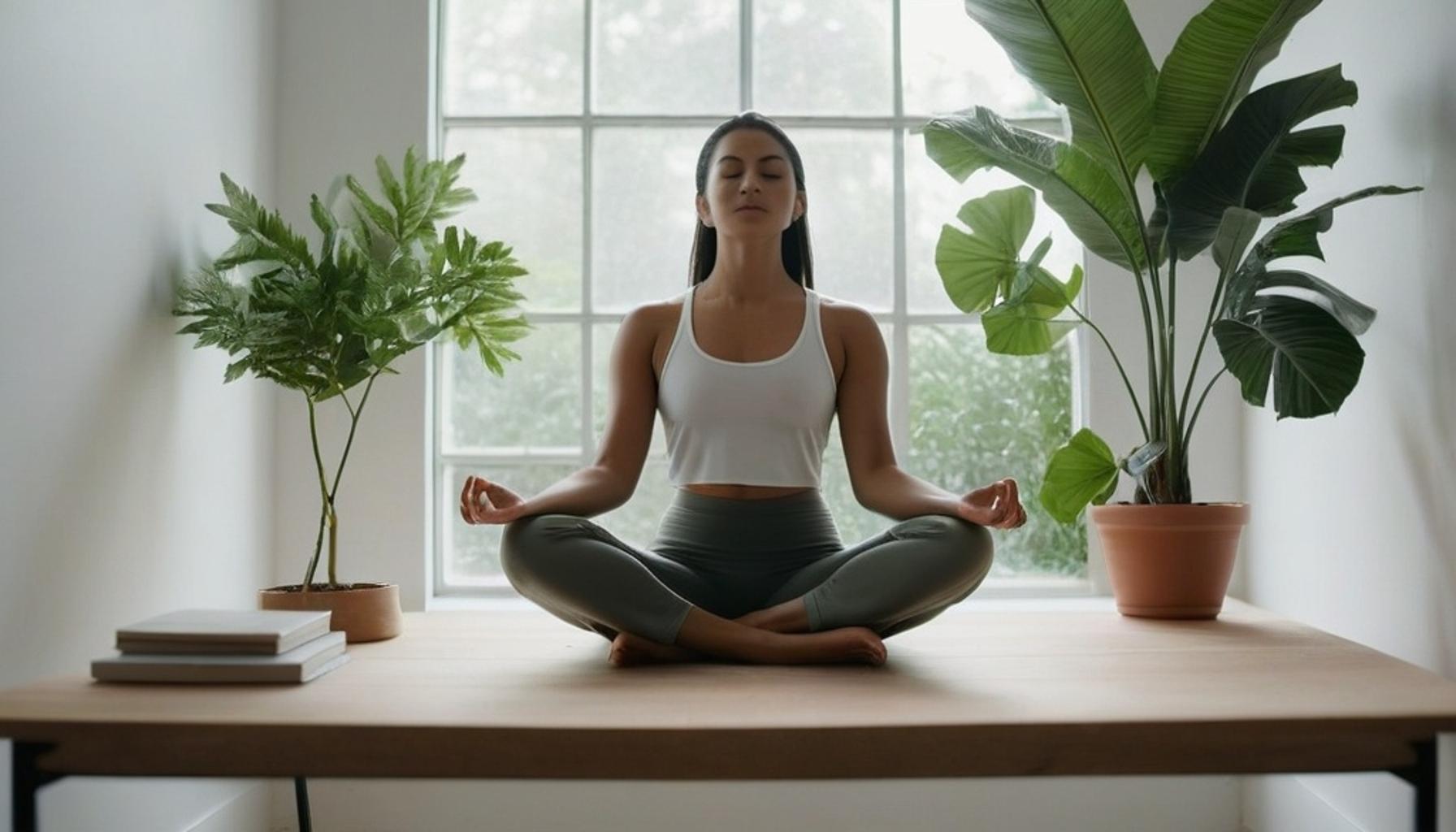
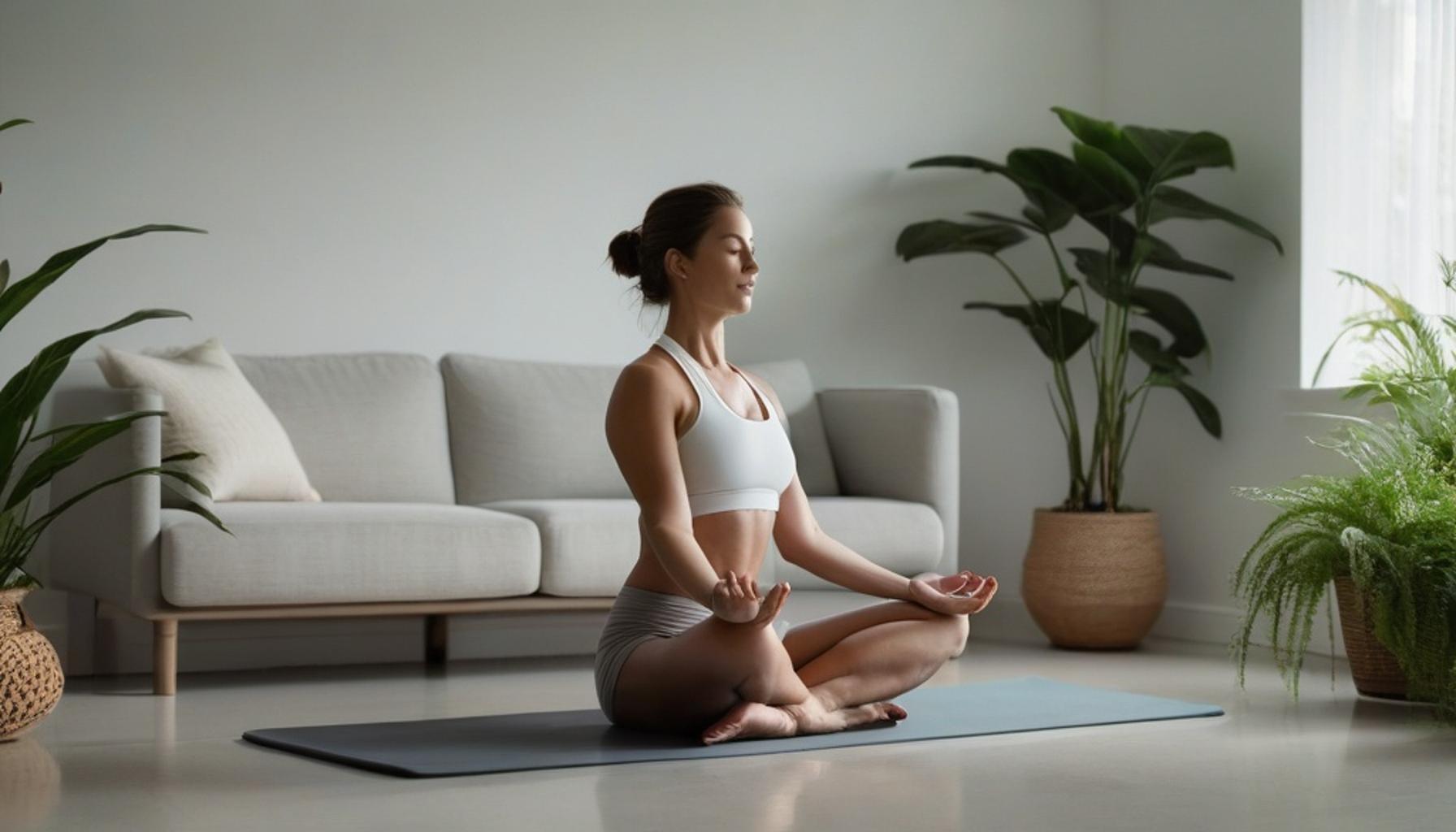
The Importance of Daily Meditation in Minimalism: Cultivating Mental Clarity
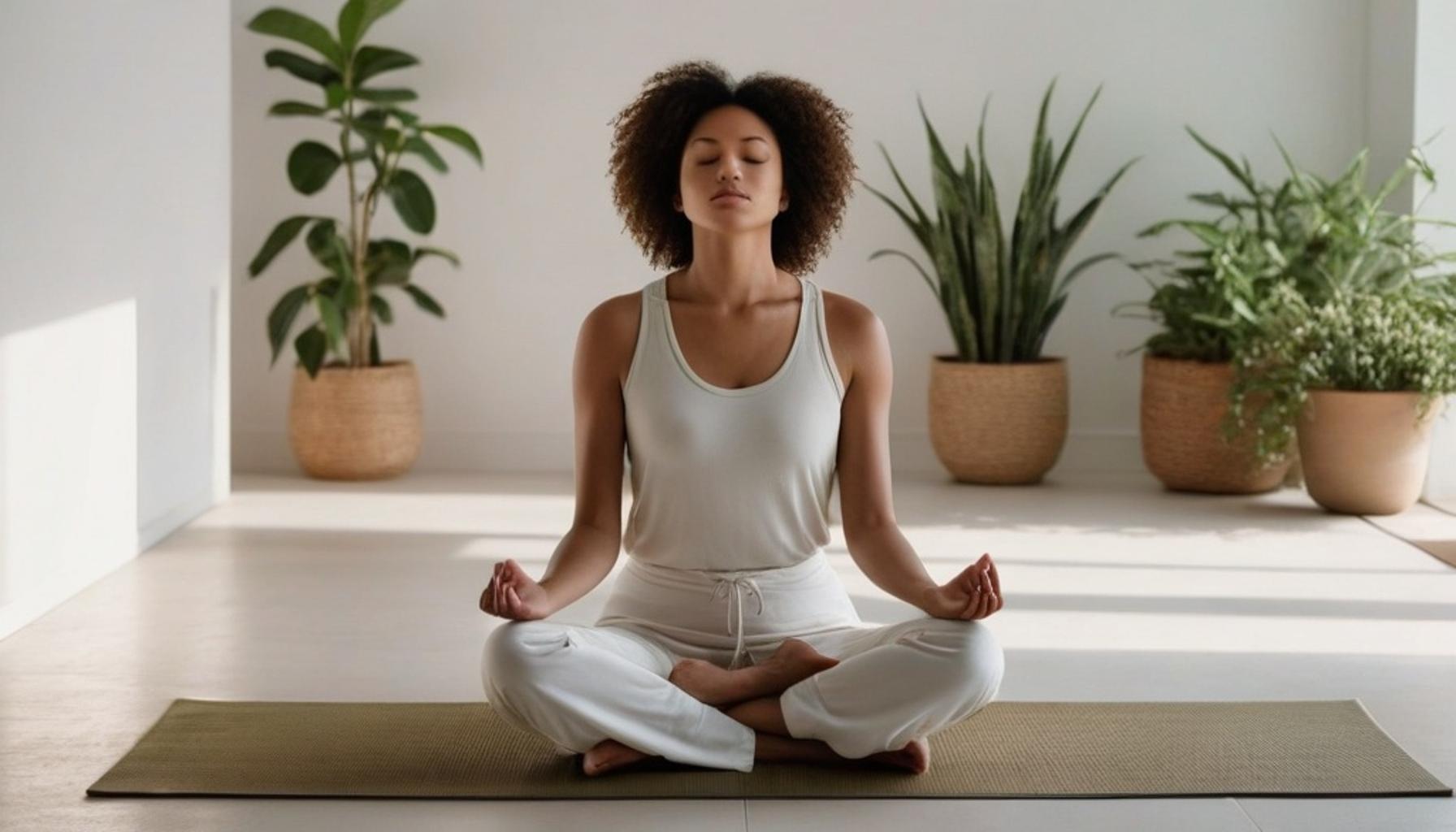
Finding Stillness in a Cluttered World
Americans spend an average of seven hours a day staring at screens, juggling notifications, deadlines, and endless to-do lists. This overwhelming digital landscape contributes significantly to mental fatigue, making it no surprise that stress-related disorders are becoming increasingly prevalent in contemporary society. The constant barrage of information can lead to feelings of anxiety, overwhelm, and a pervasive lack of focus.
Against this backdrop, daily meditation in minimalism is gaining traction as a transformative practice. This unique intersection isn’t merely another wellness trend that floods social media feeds; it represents a profound shift in how individuals approach their internal and external environments.
Why This Combination Works
At its core, minimalism seeks to strip away physical excess, promoting a lifestyle that encourages simplicity and intentionality. In tandem, meditation serves as a tool for clearing mental clutter, helping practitioners cultivate a state of mindfulness. Together, these two practices lay the groundwork for heightened mental clarity that many discover almost serendipitously.
When minimalism and meditation intersect, exceptional benefits arise:
- Reduced decision fatigue: With fewer possessions and simplified routines, individuals face less mental strain, making it easier to prioritize important tasks.
- Lower stress levels: Regular mindfulness practices can decrease cortisol, the stress hormone, fostering a more serene state of mind.
- Improved focus and productivity: A clutter-free environment and a clear mind naturally lead to enhanced concentration on daily responsibilities.
- A stronger sense of intentionality: Living with less cultivates a deliberate approach to both one’s environment and one’s thoughts.
Research from reputable institutions, such as Harvard, highlights the cognitive and emotional benefits of regular meditation. Notable findings indicate that those who practice meditation exhibit measurable changes in brain regions linked to stress response, emotional regulation, and even long-term focus.
What This Article Explores
This piece delves into the practical benefits of meditation for individuals embracing minimalist lifestyles. Readers will uncover how minimalism and mental clarity can reinforce one another in surprisingly effective ways.
Moreover, from actionable techniques to real-world applications, this guide offers a valuable roadmap for anyone intrigued by the concept of meditation for minimalists. The connection between reducing clutter in physical spaces and achieving a quieter, more focused mind may hold more significance than many realize, prompting readers to explore these philosophies further. Embracing both minimalism and meditation could very well be key to navigating our cluttered world with grace and clarity.
LEARN MORE: How Mindfulness Practice Can Facilitate Detachment and Simplicity
# The Science Behind the Silence
Walk into any American home today, and you’re likely to find closets bursting with clothes, garages packed with rarely used gadgets, and calendars filled to the brim. This physical and mental saturation isn’t just an inconvenience; it’s a genuine health concern. Understanding daily meditation in minimalism requires first acknowledging why our brains struggle in environments of excess.
Neuroscientists have long studied how clutter affects cognitive function. A widely cited study from Princeton University found that physical clutter in one’s surroundings competes for attention, reducing the ability to process information and leading to decreased performance on focus-related tasks. When you pair this with digital overload, the American brain is essentially running a marathon with no finish line in sight.
How Meditation Rewires the Brain
This is where mindfulness practices enter the conversation. Meditation isn’t simply about sitting quietly, it’s an active mental training exercise. Studies from institutions like Massachusetts General Hospital have used MRI scans to show that consistent meditation practice can actually increase gray matter density in areas of the brain associated with memory, empathy, and stress regulation.
Perhaps more compelling is what happens to the amygdala, the brain’s fear and stress center. Regular practitioners often show reduced activity in this region, suggesting that the benefits of meditation extend far beyond momentary relaxation, they create lasting neurological change.
Consider the following measurable outcomes reported in clinical research:
- 8-week meditation programs have been linked to measurable reductions in the brain’s stress-processing regions, according to Harvard-affiliated research.
- Attention span improvements are documented in individuals practicing just 10 to 20 minutes of mindfulness daily.
- Sleep quality often improves significantly, addressing a common complaint among overstimulated professionals.
- Emotional resilience increases, allowing practitioners to respond rather than react to daily stressors.
Minimalism as the Missing Piece
While meditation trains the mind, minimalism removes many of the external triggers that make quieting the mind so difficult in the first place. This is the essence of minimalism and mental clarity working in tandem rather than as separate philosophies.
Think about it: it’s considerably harder to meditate in a room overflowing with unfinished projects and unnecessary belongings than in a space that feels open and intentional. For those exploring meditation for minimalists, the environment itself becomes part of the practice, not just the backdrop to it.
This synergy explains why so many wellness experts, productivity coaches, and even corporate leadership programs across the United States are now recommending both practices simultaneously rather than in isolation.
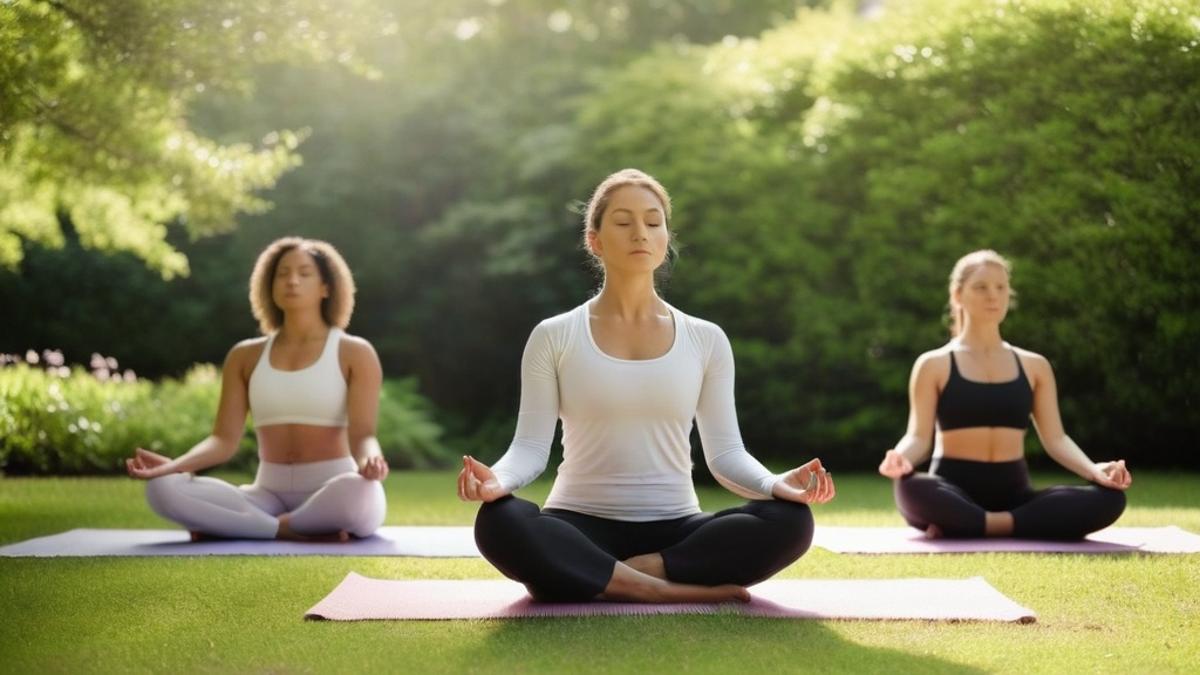
YOU MAY ALSO LIKE: Mindful Habits to Maximize Efficiency in Minimalist Spaces: Personal Organization Strategies
# Building a Sustainable Practice, One Breath at a Time
Skeptics often ask a fair question: does this actually work outside of a research lab? The answer emerging from real-world case studies is a resounding yes, and the applications are surprisingly practical for anyone juggling a career, family, and the general chaos of modern American life.
Take the tech industry, for instance. Companies headquartered in Silicon Valley have quietly integrated mindfulness practices into employee wellness programs for over a decade. Executives report that pairing decluttered workspaces with brief meditation breaks correlates with sharper decision-making and fewer reported burnout cases. This isn’t corporate mysticism, it’s a response to measurable productivity data.
What a Realistic Daily Practice Looks Like
One of the biggest misconceptions about daily meditation in minimalism is that it requires hours of silence in a perfectly bare room. In reality, the most effective routines are far more modest.
Consider these approaches used successfully by everyday practitioners across the country:
- Morning five-minute sits before checking a phone, allowing the mind to set intentions rather than react to notifications.
- Single-drawer decluttering paired with a short breathing exercise, linking physical simplification to mental stillness.
- Walking meditation during lunch breaks, particularly popular among urban professionals with limited time.
- Digital sunset routines, where screens are put away an hour before bed to support both mindfulness and sleep quality.
These small, repeatable actions matter more than occasional grand gestures. Habit researchers frequently point out that consistency outperforms intensity, meaning a rushed five-minute session every day often yields better long-term results than an hour-long session once a week.
The Ripple Effect on Decision-Making
There’s another layer to this conversation that deserves attention: the connection between minimalism and mental clarity in the context of decision fatigue. The average American adult makes thousands of decisions daily, from what to wear to which emails demand immediate attention.
Minimalism reduces the sheer volume of choices, while meditation strengthens the mental muscle needed to make the remaining decisions with confidence. Behavioral economists have documented this phenomenon in studies on choice overload, showing that fewer, more intentional options often lead to greater satisfaction and less second-guessing.
For those new to meditation for minimalists, this might mean starting with a capsule wardrobe or a simplified morning routine before tackling larger life decisions. The goal isn’t deprivation, it’s creating enough mental and physical space to think clearly.
Wellness practitioners across major cities, from Austin to Portland, have noted a rising trend of clients requesting guidance that combines both disciplines rather than treating them as separate wellness categories. This growing demand suggests the daily meditation benefits people are seeking extend well beyond stress relief into broader lifestyle transformation.
Cultivating Clarity as a Lifelong Practice
The evidence gathered from boardrooms in Silicon Valley to quiet apartments in Portland points to one clear conclusion: daily meditation in minimalism isn’t a passing wellness trend. It’s a practical response to lives that have become too crowded, both physically and mentally.
Throughout this discussion, a few themes keep resurfacing. Simplifying physical space reduces mental noise. Short, consistent mindfulness practices outperform occasional marathon sessions. And the combination of the two disciplines does something neither accomplishes alone, it restores a sense of control over daily decisions.
Where to Go From Here
For readers considering their own path forward, the data suggests starting small rather than overhauling an entire lifestyle overnight. A few starting points worth revisiting:
- Begin with a five-minute morning practice before screens enter the picture.
- Pair one decluttering task per week with a brief breathing exercise.
- Track decision fatigue before and after simplifying a single routine, such as wardrobe choices.
The broader benefits of meditation paired with intentional living extend beyond personal calm. They touch productivity, relationships, and even how communities approach consumption and stress management. As more Americans report feeling overwhelmed by choice and clutter, the intersection of minimalism and mental clarity offers a grounded, research-backed alternative worth exploring further.
Whether the goal is better focus at work or simply a quieter mind at the end of the day, the growing body of research on meditation for minimalists suggests the answer isn’t found in doing more. It’s found in doing less, more intentionally.
Frequently Asked Questions
How does daily meditation enhance the minimalist lifestyle?
Daily meditation enhances the minimalist lifestyle by promoting mental clarity and focus. It helps reduce mental clutter, allowing individuals to prioritize what truly matters and make more intentional choices about their possessions and commitments.
What types of meditation are best suited for someone practicing minimalism?
Mindfulness meditation and guided meditation are particularly well-suited for those practicing minimalism. These methods focus on being present and increasing awareness, which aligns with the minimalist goal of simplifying thoughts and reducing distractions.
How long should I meditate daily to see benefits in my minimalist journey?
Even just 10 to 15 minutes of daily meditation can yield significant benefits in your minimalist journey. Consistency is key, as regular practice fosters a deeper sense of calm and clarity over time, aiding in your decision-making and decluttering efforts.
Can meditation help me let go of sentimental items in my minimalist practice?
Yes, meditation can help you let go of sentimental items by allowing you to process emotions associated with those possessions. Through mindfulness, you can cultivate a greater understanding of why you hold onto items and decide whether they contribute positively to your life.
Is it necessary to have a separate space for daily meditation in minimalism?
While having a separate space for daily meditation can enhance focus, it’s not necessary in minimalism. You can meditate in any quiet area of your home or outside, as long as it’s free from distractions, allowing you to integrate meditation seamlessly into your minimalist lifestyle.
How can I ensure my daily meditation practice remains minimalistic?
To keep your daily meditation practice minimalistic, choose simple techniques that require little to no equipment, such as breath awareness or body scans. Focus on maintaining a straightforward routine and set a consistent time each day, avoiding overly complicated practices that may hinder your commitment.

Beatriz
Beatriz Johnson is a seasoned minimalist and writer with a passion for simplifying the complexities of personal organization and intentional living. With over a decade of experience in decluttering strategies and mindful consumption, she specializes in topics like space optimization, habit simplification, and sustainable lifestyle choices. Through her work on our website, Beatriz empowers readers to embrace minimalism, reduce mental and physical clutter, and create more meaningful, organized lives in today's fast-paced world.