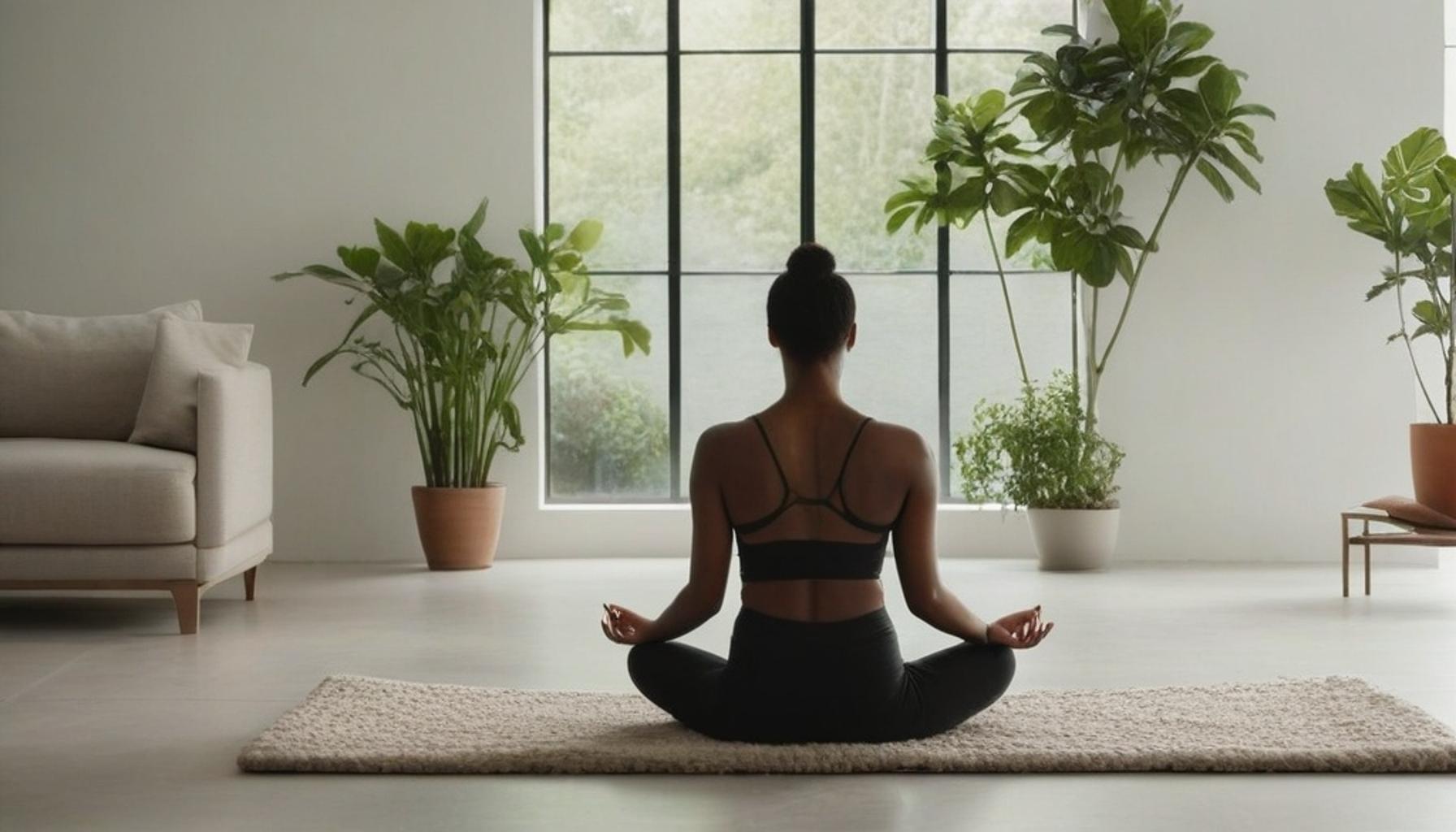
How Mindfulness Practice Can Facilitate Detachment and Simplicity

Finding Freedom Through Awareness: A Modern Approach to Letting Go
Americans check their phones an average of 144 times a day, according to recent behavioral studies. While technology offers undeniable conveniences, the constant influx of emails, social media alerts, and news updates can lead to overwhelming feelings of stress and clutter. Many find themselves on a relentless hamster wheel, caught in the throes of multitasking and distractions, ultimately driving them toward a state of burnout.
Mindfulness practice detachment simplicity offers a research-backed path out of this chaos. Although it may seem counterintuitive, practicing mindfulness isn’t about shutting life out; it’s rather about engaging with it in a transformed manner. By shifting focus away from external demands and returning to the internal self, individuals gain the tools needed to lead a more fulfilling life.
Why This Ancient Practice Is Gaining New Relevance
Across the United States, from high-powered Silicon Valley executives to suburban parents juggling work and family, people are increasingly turning to mindfulness as a remedy for mental fatigue. This is more than a fleeting trend; it reflects a collective response to the growing epidemic of burnout and anxiety, particularly as the world becomes more fast-paced and technologically driven.
The benefits of mindfulness practice extend far beyond stress reduction. Regular practitioners report a range of positive experiences, including:
- Reduced attachment to material possessions and outcomes, fostering a sense of freedom
- Greater ability to let go of unproductive thoughts and emotional baggage
- Increased satisfaction with simpler daily routines, often accompanied by a sense of joy and gratitude
- Improved emotional resilience during uncertain times, enabling better coping strategies
These outcomes highlight an important insight: detachment in mindfulness doesn’t equate to indifference or disengagement. It’s about liberating oneself from the heavy grip that possessions, societal opinions, and unrealistic expectations can have on personal well-being.
Connecting Mindfulness and Minimalism
A natural synergy exists between mindfulness and minimalism—both philosophies promote intentional living and conscious decision-making over mindless accumulation. When individuals learn how to practice mindfulness consistently, they often find themselves naturally gravitating toward simpler choices in all life areas, from finances to home organization.
This article will explore practical mindfulness techniques for simplicity, grounded in psychological research and tailored for real-world application. Readers can expect to uncover specific exercises, realistic timeframes for noticing results, and strategies designed to fit seamlessly into busy American lifestyles. Each technique serves as a potential stepping stone toward meaningful change.
What follows is not merely abstract theory—it’s a roadmap toward genuine, measurable transformation that can redefine the way we live. By embracing the principles of mindfulness, we can begin to untangle ourselves from the complexities of modern life, leading to a more serene and focused existence.
SEE ALSO: Mindful Habits to Create More Organized and Serene Living Spaces
Understanding mindfulness practice detachment simplicity reveals the intricate neurological transformations that occur when individuals make a conscious effort to embrace regular mindfulness practices. This phenomenon is supported not merely by anecdotal evidence, but by robust scientific research.Research from Harvard University has unveiled significant findings regarding the impact of mindfulness on the brain. Participants who engaged in an eight-week mindfulness program demonstrated noteworthy changes in their brain structures. Specifically, there was a measurable decrease in gray matter density in the amygdala, the central hub for stress responses. Concurrently, brain regions linked to self-awareness and compassion exhibited increased activity. In practical terms, these changes suggest that the brain undergoes a physical reconfiguration, allowing individuals to respond to stressors—such as an overwhelming work email or a cluttered home environment—with greater calm and rationality.
How Attachment Actually Works in the Brain
To fully grasp the concept of detachment in mindfulness, it is essential to explore the fundamental mechanics of attachment in the brain. Neuroscientists highlight the role of the brain’s dopamine reward system, which drives our compulsive connections to possessions, accomplishments, and even certain thought processes. Each time a person acquires a new item, receives a notification, or achieves a goal, there is a surge of dopamine in the brain, akin to a rush of exhilaration. Over time, this experience cultivates a relentless cycle of desire, resembling behaviors typically associated with addiction. Mindfulness presents a counteractive force to this cycle, equipping practitioners with the ability to observe their cravings without instinctively succumbing to them.This skill of observation becomes profoundly relevant in everyday situations. For instance, consider these scenarios where detachment practices yield significant benefits:
- Resisting the impulse to buy unnecessary items during online sales events.
- Pausing to reflect before reacting defensively to criticism in the workplace.
- Becoming aware of the urge to compulsively check social media and consciously choosing not to act on it.
- Recognizing the desire to control specific outcomes and practicing the art of letting go.
By fostering these abilities, individuals not only gain clarity but also enhance their emotional resilience.
Why Simplicity Follows Naturally From Awareness
After mastering mindfulness practice, many practitioners find themselves undergoing a fascinating transformation: a stark decrease in the craving for excess. This trend arises from heightened awareness, which illuminates the distinction between true needs and artificially created desires. A study published in the Journal of Environmental Psychology in 2019 further substantiates this phenomenon. Researchers discovered that individuals who engaged in mindfulness meditation reported significantly lower tendencies toward materialism compared to those who did not practice mindfulness. Participants articulated a diminished urge to collect possessions as symbols of their identity or markers of success. This correlation emphasizes the profound synergy between mindfulness and minimalism—both serve as avenues toward a more intentional and meaningful existence, encouraging individuals to find fulfillment beyond material accumulation.Embracing this understanding of mindfulness can pave the way for a simpler, more focused life, characterized by intentional choices and reduced stress, making the journey not just about letting go but cultivating a more profound sense of connection to what truly matters.
| Category | Description |
|---|---|
| Mindfulness Techniques | Focused breathing, mindful eating, and walking facilitate present-moment awareness. |
| Benefits | Promotes emotional detachment, reduces clutter, enhances focus, and cultivates simplicity. |
LEARN MORE: Integrating Mindful Habits into a Minimalist Routine
Practical Techniques That Bridge Mindfulness and a Simplified Life
Once the neurological and psychological groundwork is understood, the next logical question becomes practical: how does someone actually begin? Learning how to practice mindfulness does not require monastic retreats or hours of silence. It requires consistency, structure, and a willingness to notice what usually goes unnoticed.
Simple Entry Points for Beginners
Behavioral researchers at the University of Massachusetts Medical School, home to the original Mindfulness-Based Stress Reduction (MBSR) program, have found that even ten minutes of daily practice can produce measurable shifts in attention and emotional regulation within four weeks. This is encouraging news for busy Americans juggling work, family, and endless digital notifications.
Some accessible mindfulness techniques for simplicity include:
- Single-tasking during meals instead of scrolling through a phone.
- Conducting a five-minute body scan before starting the workday.
- Practicing mindful breathing while waiting in traffic or in line at the grocery store.
- Journaling three sentences each evening about what genuinely added value to the day.
These small rituals, repeated over time, train the brain to prioritize presence over accumulation, gradually reducing the noise of competing desires.
The Role of Consumer Culture and Digital Overload
The average American encounters more than 4,000 to 10,000 advertisements daily, according to estimates cited by marketing analysts. Each exposure subtly nudges the brain’s reward circuitry, reinforcing the belief that happiness lies in the next purchase. This constant stimulation makes detachment in mindfulness particularly relevant in a culture saturated with consumer messaging.
Mindfulness interrupts this pattern by creating a pause between stimulus and reaction. Instead of automatically clicking “add to cart,” a mindful individual might ask: Does this object serve a genuine purpose, or is it feeding a fleeting impulse? This single pause, repeated across hundreds of daily decisions, compounds into significant lifestyle shifts.
Evidence From Long-Term Practitioners
A longitudinal study conducted by researchers at the University of California, Davis, tracked participants over three months of intensive meditation training. Results showed increased telomerase activity, an enzyme linked to cellular health and stress reduction, alongside self-reported increases in life satisfaction and decreased desire for external validation.
These findings reinforce one of the broader benefits of mindfulness practice: it does not simply reduce stress in the moment but appears to reshape long-term patterns of craving, attachment, and consumption. For readers seeking a tangible entry into intentional living, this growing body of evidence suggests that the path toward simplicity begins not with decluttering a closet, but with decluttering the mind first.
RECOMMENDED: The practice of mindfulness in the minimalist organization: how conscious habits transform spaces and minds
Rethinking What It Means to Live With Less
The evidence gathered across neuroscience labs, behavioral studies, and long-term practitioner data points toward a consistent conclusion: Mindfulness practice detachment simplicity are not abstract wellness buzzwords but measurable, interconnected outcomes of a trainable mental skill. What begins as a few minutes of breathing awareness gradually reshapes how the brain processes craving, reward, and attachment to material objects.
This article has traced that progression, from the biological mechanisms behind reduced attachment to the practical rituals that make mindfulness sustainable in daily American life. The connection between mindfulness and minimalism is not coincidental. Both disciplines ask the same underlying question: what is actually necessary, and what has simply accumulated by default?
A Broader Perspective Worth Considering
It is worth noting that simplicity achieved through mindfulness looks different for each individual. For some, it manifests as fewer possessions. For others, it appears as fewer commitments, quieter schedules, or more selective use of technology. There is no universal template, and researchers caution against treating minimalism as a competitive lifestyle trend rather than a personal process of discernment.
What remains consistent, however, are the benefits of mindfulness practice documented across multiple institutions: improved emotional regulation, reduced compulsive consumption, and a stronger sense of internal stability independent of external circumstances.
For readers wondering how to practice mindfulness in a way that actually lasts, the answer seems less about intensity and more about repetition. A single mindful pause before a purchase, a quiet breath before reacting to stress, a moment of genuine presence during a meal, these small acts accumulate into a different relationship with desire itself.
Ultimately, the science suggests that lasting simplicity is not something purchased, organized, or scheduled into existence. It is cultivated, one present moment at a time.
Frequently Asked Questions
How does mindfulness practice help in achieving emotional detachment?
Mindfulness practice allows individuals to observe their thoughts and feelings without judgment, reducing the emotional intensity associated with them. By cultivating this non-reactive awareness, practitioners can create a space between themselves and their emotions, leading to greater emotional detachment and resilience.
Can mindfulness practice simplify my daily life?
Yes, mindfulness practice promotes simplicity by encouraging individuals to focus on the present moment and prioritize what truly matters. By learning to let go of distractions and excessive mental clutter, practitioners can streamline their decision-making and foster a more straightforward approach to life.
What techniques can I use in mindfulness practice to enhance detachment?
Techniques such as focused breathing, body scans, and mindful observation can enhance detachment in mindfulness practice. These practices help you become more aware of your thoughts and feelings, allowing you to respond to them with less attachment and greater calmness.
Is there a connection between mindfulness and minimalism?
Absolutely, both mindfulness and minimalism emphasize living in the moment and letting go of excess. Mindfulness encourages being present, while minimalism advocates for reducing physical and mental clutter, creating a harmonious relationship that fosters simplicity and detachment in life.
How long does it take to experience the benefits of mindfulness practice for detachment and simplicity?
The time it takes to experience benefits from mindfulness practice varies depending on the individual and their consistency. Many people report feeling some initial benefits within a few weeks, but deeper transformations regarding detachment and simplicity often develop over several months of dedicated practice.

Linda Carter
Linda Carter is a writer specializing in minimalism and personal organization. With extensive experience helping readers create more functional and balanced routines, she shares practical advice on decluttering, organizing spaces, simplifying daily tasks, and making more intentional choices. Her goal is to offer clear guidance and accessible strategies that help people reduce excess, improve their surroundings, and enjoy a calmer, more organized lifestyle.