The Art of Letting Go: Effective Decluttering Techniques for Beginners

Why Clearing Clutter Is the Ultimate American Reset
The average American home holds over 300,000 items, according to the LA Times, and nearly 1 in 4 U.S. garages are so packed with belongings that cars can’t even fit inside. This overwhelming accumulation of stuff can lead to a significant increase in stress and anxiety. As more people face cluttered living spaces, it’s no surprise that decluttering techniques for beginners have surged in popularity, becoming one of the most sought-after home improvement topics across the nation.
Decluttering has been popularized by various influencers and movements, notably Marie Kondo’s viral Netflix series, which emphasizes the emotional connection we have with our belongings, and the minimalist movement that has gained traction, particularly in urban areas such as San Francisco and New York City. Letting go of excess items isn’t merely a trend; it’s evolving into a sustainable lifestyle choice that offers both psychological and financial benefits. Studies indicate that people who declutter often report feeling lighter and more in control of their lives, attributing this shift to improved mental wellbeing and even a boost in productivity.
What This Beginner Decluttering Guide Will Cover
Learning how to declutter your home doesn’t require drastic measures, such as renting a dumpster or dedicating an entire weekend to chaos. Instead, you can achieve a tidier space through small, strategic steps that make the process manageable, even for those who find it difficult to part with sentimental items.
This guide aims to break down practical, beginner-friendly strategies, including:
- Room-by-room sorting methods that prevent you from feeling overwhelmed.
- The “one-in, one-out” rule to help maintain organized spaces, easily integrated into shopping habits.
- Digital decluttering tips for managing inboxes and photo libraries, which have become hotspots for disorganization in today’s digital age.
- Simple donation and resale strategies popular in U.S. cities, including the rise of apps like OfferUp and local charities that accept items.
The Benefits of Decluttering Go Beyond Tidiness
Research from UCLA’s Center on Everyday Lives and Families found that cluttered homes are directly linked to elevated stress hormones, particularly in women. Living in a disorganized space can contribute to a heightened sense of anxiety, leaving many feeling trapped by their belongings. Therefore, organizing your space transcends aesthetics; it is a crucial step toward reclaiming mental clarity and increasing available time for enjoyable activities.
Are you ready to uncover tips for effective decluttering that stick? The journey toward a lighter, more intentional home begins with that first, simple step—tackling a single drawer can set the tone for transformative change in your life.
LEARN MORE: Effective Decluttering Techniques for a Minimalist Lifestyle: How to Start and Maintain a Clutter-Free Home
# Mastering the Room-by-Room Method: Where Beginners Should StartDiving into a beginner decluttering guide without a clear plan is a recipe for burnout. Many first-timers make the mistake of tackling their entire home in one exhausting weekend, only to abandon the project halfway through, surrounded by half-filled boxes and mounting frustration.The most effective decluttering techniques for beginners rely on breaking the process into manageable zones. Professional organizers across the U.S., from Los Angeles to Chicago, consistently recommend starting small: a single drawer, one shelf, or a small section of a closet.
Why Small Spaces Lead to Big Results
Starting small isn’t about moving slowly for the sake of it. It’s about building momentum. When you successfully clear out a junk drawer in twenty minutes, you experience an immediate sense of accomplishment. That psychological win fuels motivation to tackle the next space.This approach, often called “micro-decluttering,” has gained traction among organizing professionals because it reduces decision fatigue. Instead of facing an entire garage packed with a decade’s worth of belongings, you’re only making choices about the contents of one bin or basket at a time.
A practical room-by-room breakdown looks like this:
- Bathroom cabinets: Expired medications, empty bottles, and unused samples are quick wins that build confidence.
- Kitchen drawers: Duplicate utensils and gadgets you haven’t touched in over a year are prime candidates for removal.
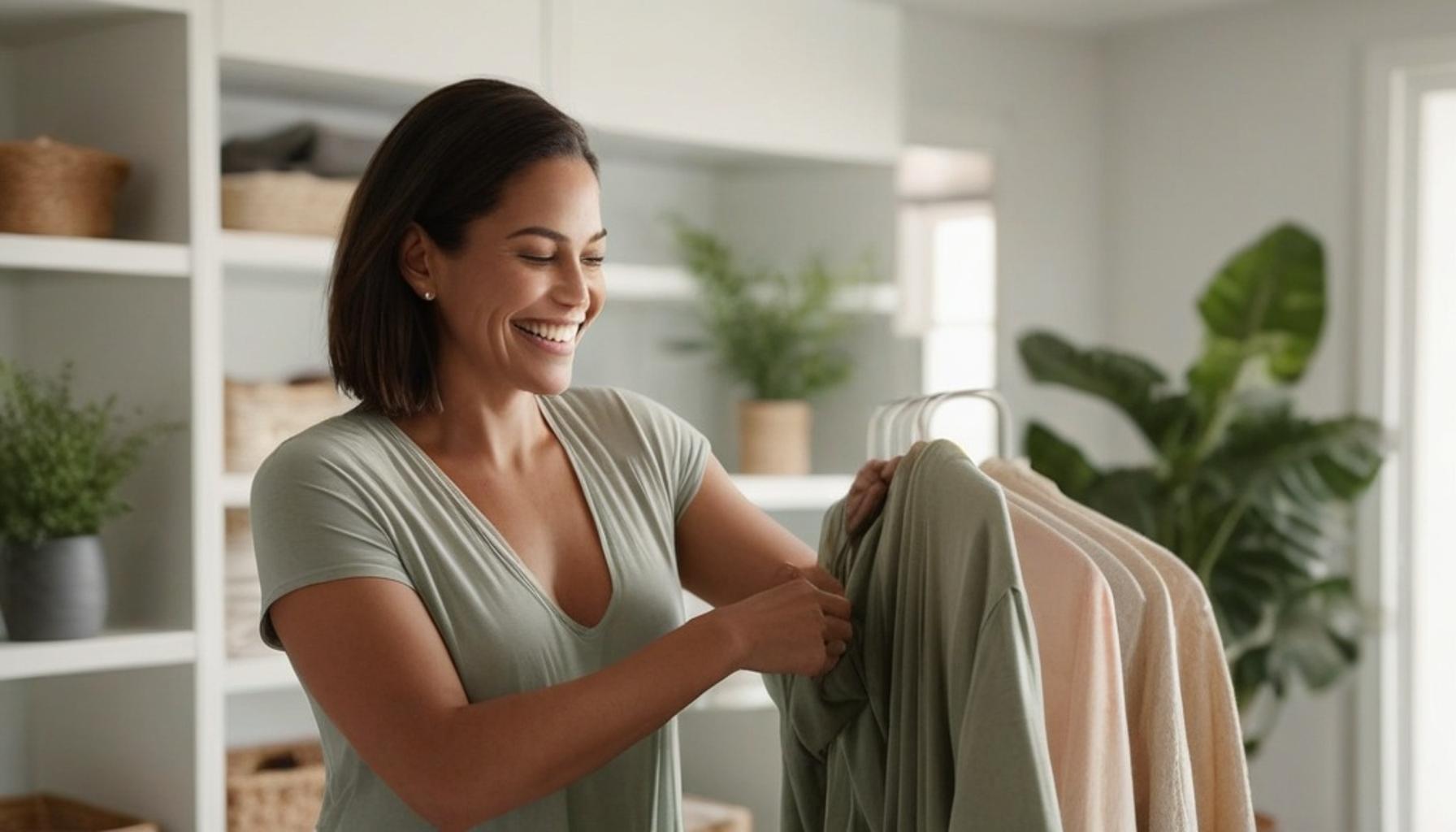
- Bedroom closets: Clothing you haven’t worn in 12 months, according to organizing experts, rarely gets worn again.
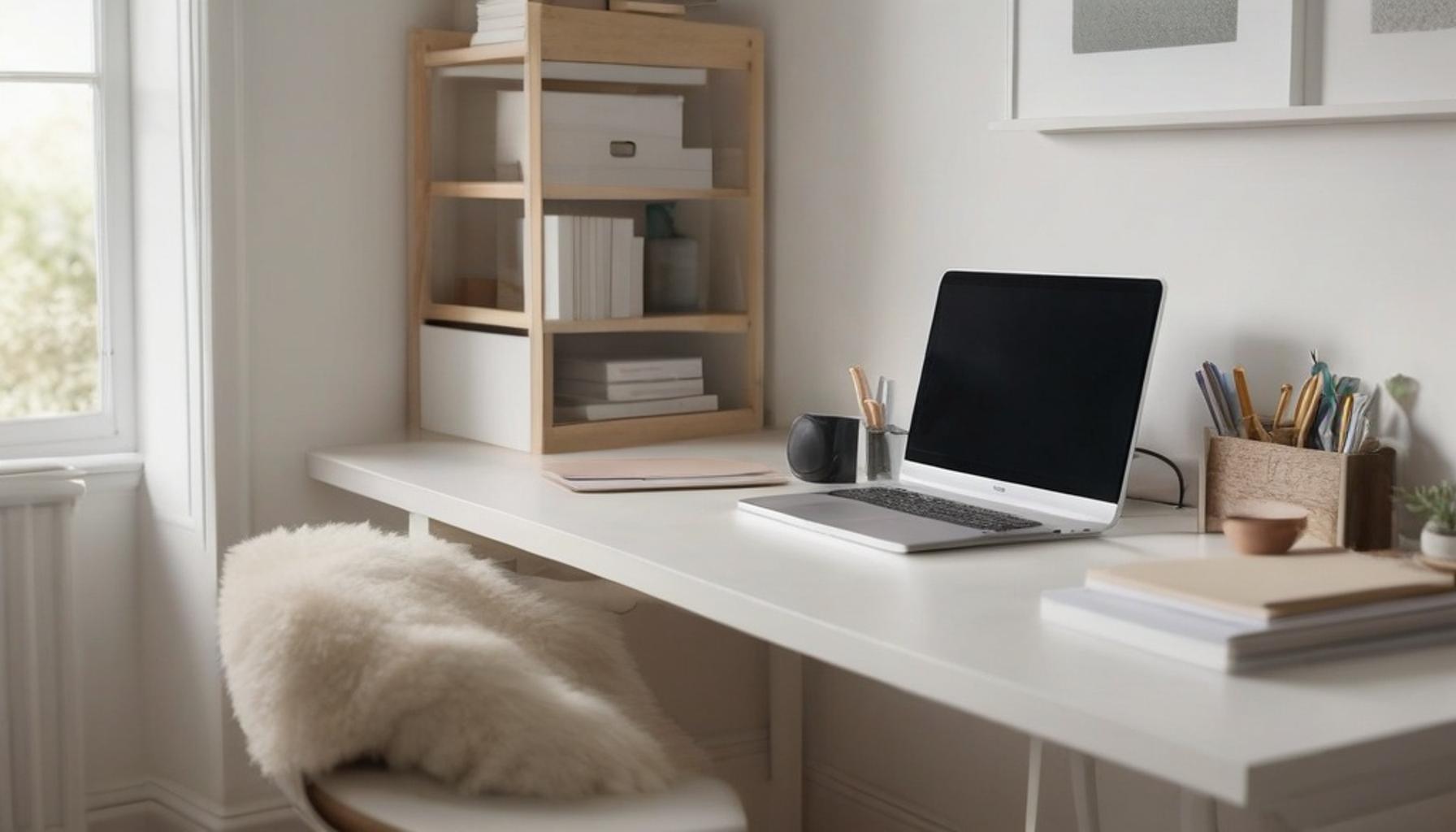
- Home office: Old paperwork, outdated electronics, and dried-out pens accumulate faster than most people realize.
The Four-Box Method: A Beginner Favorite
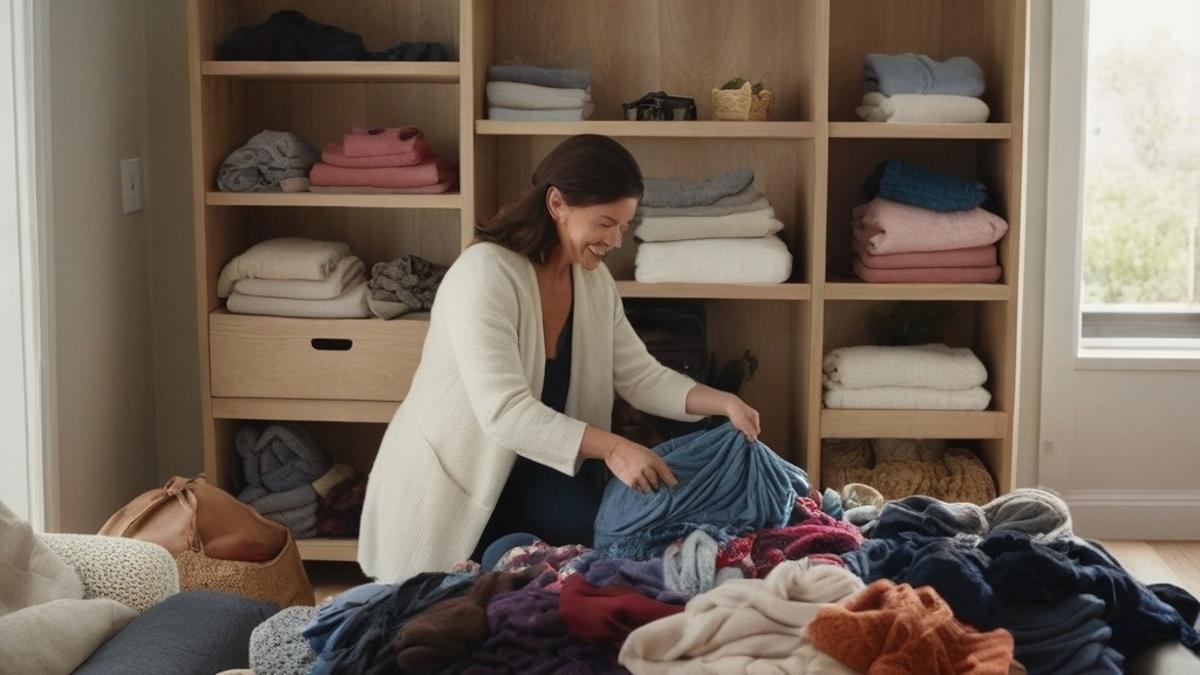
One of the most popular tips for effective decluttering involves a simple system requiring just four boxes or bins, labeled: Keep, Donate, Sell, and Trash.As you move through each space, every item gets sorted into one of these categories immediately, without second-guessing. This method removes the paralysis that often comes from trying to decide an item’s fate on the spot, since the categories themselves guide the decision-making process.Organizing your space using this system also creates accountability. A visible “Donate” box sitting by the front door serves as a constant reminder to actually follow through, rather than letting bags of unwanted items linger in a hallway for months.Understanding how to declutter your home starts with recognizing that perfection isn’t the goal on day one. Progress, even in small increments, compounds over time, and that’s precisely what makes this approach sustainable for people who have never successfully decluttered before.
CHECK OUT: Declutter Digital: Strategies to Organize Your Devices and Increase Productivity
# The Emotional Side of Letting Go: Overcoming Attachment to StuffPhysical clutter is only half the battle. The real obstacle for most beginners isn’t logistical, it’s emotional. Understanding how to declutter your home means confronting why certain items feel impossible to release in the first place.Research from psychologists studying possession attachment suggests that people assign meaning to objects far beyond their practical value. A concert ticket stub, an old college textbook, or a sweater from an ex-partner can trigger memories powerful enough to override logic entirely.
Why Your Brain Fights Against Decluttering
Behavioral scientists point to a phenomenon called the “endowment effect,” where individuals overvalue items simply because they own them. This explains why that broken blender sitting in your Seattle kitchen for three years feels harder to toss than it should.Sentimental clutter presents a unique challenge among decluttering techniques for beginners. Unlike duplicate kitchen tools or worn-out shoes, sentimental items require a different strategy entirely.
Consider these approaches when emotional attachment complicates the process:
- Photograph the item: Digital preservation lets you keep the memory without the physical footprint taking up shelf space.
- Set a sentimental limit: Allow yourself one memory box per category, childhood items, travel souvenirs, and stick to that boundary.
- Ask the hard question: Would you buy this item again today, knowing what you know now? If the answer is no, that’s your signal.
- Give it a second life: Passing a family heirloom to a relative who genuinely wants it often eases the guilt of parting with it.
The Measurable Benefits of Releasing Physical Baggage
Beyond tidier shelves, the benefits of decluttering extend into measurable territory. A widely cited study from Princeton University’s Neuroscience Institute found that visual clutter competes for attention in the brain, reducing focus and increasing cognitive fatigue.Homeowners across the country, from cramped New York City apartments to sprawling suburban homes in Texas, report similar findings after clearing excess belongings: improved sleep quality, reduced anxiety, and a stronger sense of control over their environment.Among practical tips for effective decluttering, therapists increasingly recommend treating the emotional sorting process the same way you’d approach physical sorting, one item, one decision, without pressure to finish everything in a single sitting.
This beginner decluttering guide principle applies directly here: emotional readiness often develops gradually, not all at once.
Successfully organizing your space isn’t just about where things go. It’s about redefining what deserves a place in your life at all, and that shift in mindset often outlasts any single cleaning session.
Final Thoughts: Making Letting Go a Lasting Habit
Mastering decluttering techniques for beginners isn’t a weekend project with a finish line. It’s a skill that develops the same way any habit does, through repetition, small wins, and the occasional setback.
Throughout this guide, one theme keeps resurfacing: clutter is rarely just about stuff. It’s about decisions we’ve postponed, memories we’re afraid to lose, and the stories we tell ourselves about what we might need someday. Recognizing that pattern is often the real turning point in learning how to declutter your home for good.
What to Carry Forward
As you move ahead, keep these core principles in mind:
- Start small: One drawer or shelf builds momentum faster than tackling an entire garage at once.
- Separate emotion from logic: Give sentimental items their own process, distinct from practical sorting.
- Track your progress: Documenting before-and-after spaces reinforces motivation on harder days.
- Revisit regularly: Clutter creeps back; a seasonal check-in keeps spaces from sliding into old patterns.
The benefits of decluttering reach far beyond a tidy living room. Clearer surfaces often translate into clearer thinking, steadier moods, and more intentional spending, since owning less naturally curbs impulse purchases.
Whether you’re organizing a studio apartment in Chicago or a four-bedroom house in Phoenix, the same truth applies: organizing your space is ultimately about organizing priorities. What you choose to keep says as much about your future as what you release says about your past.
Treat this beginner decluttering guide as a starting point rather than a rulebook. The most effective tips for effective decluttering are the ones you adapt to your own life, your own pace, and your own definition of enough.
Frequently Asked Questions
What are some simple decluttering techniques for beginners that I can start with?
Beginners can start with the ‘Four-Box Method,’ where you label four boxes as ‘Keep,’ ‘Donate,’ ‘Trash,’ and ‘Unsure.’ Another effective technique is the ‘One in, One Out’ rule, which encourages you to remove an item every time you bring a new item into your home. These methods help create a clear process for making decisions about what to keep and what to let go.
How do I overcome sentimental attachment when decluttering?
Overcoming sentimental attachment can be challenging, but a good technique is to take photos of items that hold memories instead of keeping them. This way, you can preserve the memories without the physical clutter. Also, set a limit on how many sentimental items you will keep, which forces you to choose only the most meaningful ones.
Is there a specific order I should follow when decluttering my home?
Many experts recommend starting with less emotionally charged areas, such as closets or utility rooms, before moving on to more sentimental spaces like the living room or bedroom. This approach builds your confidence and decision-making skills. Tackle one room or area at a time to prevent feeling overwhelmed.
What should I do with items I decide to donate during my decluttering process?
Once you’ve decided to donate items, research local charities or organizations that accept donations in your area. Many places offer pickup services, making the process more convenient. Ensure the items are clean and in good condition, as this increases the likelihood that they will be reused and appreciated by someone else.

Linda Carter
Linda Carter is a writer specializing in minimalism and personal organization. With extensive experience helping readers create more functional and balanced routines, she shares practical advice on decluttering, organizing spaces, simplifying daily tasks, and making more intentional choices. Her goal is to offer clear guidance and accessible strategies that help people reduce excess, improve their surroundings, and enjoy a calmer, more organized lifestyle.