How the Marie Kondo Technique Can Transform Your Space and Your Mind
In recent years, Americans have found themselves grappling with an increasing abundance of possessions. A staggering 300,000 items per household reflects not only consumer habits but also a societal shift toward material accumulation. This phenomenon has led to a thriving self-storage industry valued at approximately $39 billion. However, despite the proliferation of belongings, many find that these material goods do not equate to enhanced happiness or serenity.
As living spaces become cluttered, individuals report feelings of anxiety, overwhelm, and even a sense of paralysis. This correlation between physical disorder and mental unrest is increasingly recognized, prompting many to seek solutions. One such solution is the Marie Kondo Technique, a method that has captivated audiences through her bestselling book and a widely viewed Netflix series.
What Makes This Method Different
Marie Kondo’s approach transcends mere cleaning tips; it encompasses a holistic philosophy that links the organization of one’s home with improved emotional health. Central to her method is a transformative question: Does this item spark joy? This query encourages people to reflect on their belongings deeply, fostering a relationship rooted in sentiment rather than obligation.
- A minimalist lifestyle that emphasizes intentional choices rather than mere deprivation, inviting individuals to curate their spaces meaningfully.
- A structured, category-based system that tackles one area at a time, promoting focus and making the process feel less overwhelming.
- A mindfulness approach that encourages expressing gratitude towards items being let go, easing the emotional burden of decluttering.
- Fostering sustainable habits, turning short-term fixes into lasting organizational change, and cultivating a peaceful living environment.
Why This Topic Deserves Attention Now
As discussions about mental health and simplified living gain traction, so too does interest in transforming your space. Organized living not only enhances personal well-being but also reflects a broader cultural movement towards minimalism. Interestingly, searches for home organization often spike every January as people seek new beginnings, yet the impact of Kondo’s method has rendered this topic a year-round concern.
What can one expect when fully committing to this process? The transformative effects might be surprising. Anecdotal accounts paint a picture of newfound clarity, improved focus, and even enhanced relationships within households. By addressing both physical and mental clutter, individuals often report a renewed sense of purpose and well-being. Adopting Kondo’s philosophy may just lead to a more harmonious existence in a world that seems increasingly chaotic.
CHECK OUT: Declutter Digital: Strategies to Organize Your Devices and Increase Productivity
The Five Categories: A Roadmap to Lasting Order
The essence of the Marie Kondo Technique revolves around a beautifully structured strategy known as the KonMari Method. One of the most compelling aspects of this method is its focus on sorting belongings by category instead of the familiar room-by-room approach. This fundamental shift is especially crucial because it prevents the premature abandonment of projects and reduces the frustration often associated with organizing. Kondo’s technique has gained resonance among countless households across the United States, outpacing traditional organizing advice that frequently leads to repeated efforts without tangible results.
The categories in the KonMari Method follow a carefully curated sequence, starting from items that usually evoke minimal emotional attachment and advancing to those embedded with deeper feelings. This logical progression of tackling categories is essential; by the time individuals sort through emotionally charged belongings such as old photographs or cherished mementos, they have already honed their decision-making abilities on less significant items.
- Clothing — This is typically where the journey begins, as clothing often carries less emotional weight. The thrill of quickly deciding what to keep or discard can serve as a powerful motivator for further decluttering, creating a sense of accomplishment right from the outset.
- Books — This category frequently uncovers a common tendency to cling to books out of guilt rather than genuine enjoyment or interest. Many people discover they hold onto books they don’t plan to read simply because they once intended to—or feel they “should”—read them.
- Papers — From old receipts to tax documents, papers are notorious for accumulating silently over the years. The Kondo Method teaches individuals to assess only the documents that truly spark joy, resulting in a cleaner and more organized workspace.
- Komono (miscellaneous items) — This broad category can encompass everything from kitchen gadgets to electronics. It’s a delightful treasure hunt of sorts, as individuals sift through an array of items they may have forgotten about, rediscovering what serves a purpose and what doesn’t.
- Sentimental items — Finally, this emotionally charged category demands the most clarity and is reserved for last deliberately. Here, individuals must confront the meaning behind each item, weighing memories against physical space.
This structured sequence is not merely a list; it’s the backbone of why the Marie Kondo method resonates powerfully with those who have faced the daunting task of home organization before. Instead of relying solely on willpower, the systematic approach itself fuels progress, significantly lessening the burden of decision fatigue.
Why Organizing Your Home This Way Works
Research supports the notion that human beings experience a phenomenon known as decision fatigue, which denotes a decline in decision-making quality after a long session of choices. Tackling clutter randomly, such as by starting with the kitchen drawer today and the closet tomorrow, can quickly lead to exhaustion and uncompleted projects. By contrast, Kondo’s category-centric method builds momentum gradually, making it easier to develop a rhythm that propels individuals through the organizing process.
In American households, where many garages have become storage units—often struggling to house even a single car due to clutter—the relevance of Kondo’s method shines brightly. It offers individuals something that is increasingly rare in discussions surrounding organization: a realistic and attainable pathway to completion. Notably, the method also emphasizes that transforming a space is not an overnight endeavor. It is a journey that unfolds carefully over weeks or even months, depending on the volume of belongings involved, respecting the commitment that change requires.
In conclusion, the KonMari Method is not just about cleaning up a space; it’s about rethinking one’s relationship with belongings, leading to an enlightening and liberating journey of introspection and clarity.
| Category | Benefits |
|---|---|
| Clarity and Focus | Applying the Marie Kondo Technique to your space significantly enhances mental clarity. By decluttering your environment, you eliminate distractions that fog your mind, allowing for improved focus and productivity. |
| Emotional Well-being | The Marie Kondo method encourages us to keep only items that “spark joy.” This not only transforms our physical surroundings but also promotes emotional balance, leading to reduced anxiety and stress levels. |
| Minimalist Lifestyle | Embracing a minimalistic approach through organization fosters gratitude and appreciation for what truly matters. This shift enhances your overall quality of life and aligns with sustainable living values. |
RECOMMENDED: Emotional Decluttering: Free Yourself from Beliefs and Memories that Hold You Back
The “Spark Joy” Philosophy and Its Psychological Roots
At the heart of the Marie Kondo Technique lies a deceptively simple question: does this item spark joy? While skeptics initially dismissed this concept as overly sentimental, psychologists have since pointed out that this approach aligns closely with established principles of mindfulness and emotional regulation. Rather than asking whether something might be useful someday, the method insists that individuals tune into their present emotional response.
This shift matters more than it might appear. According to consumer behavior studies, Americans spend an estimated $1.2 trillion annually on nonessential goods, much of which ends up stored, forgotten, or discarded within a year. The KonMari Method directly confronts this pattern by encouraging a more intentional relationship with possessions, one rooted in genuine appreciation rather than obligation or habit.
The Folding Ritual and Its Deeper Purpose
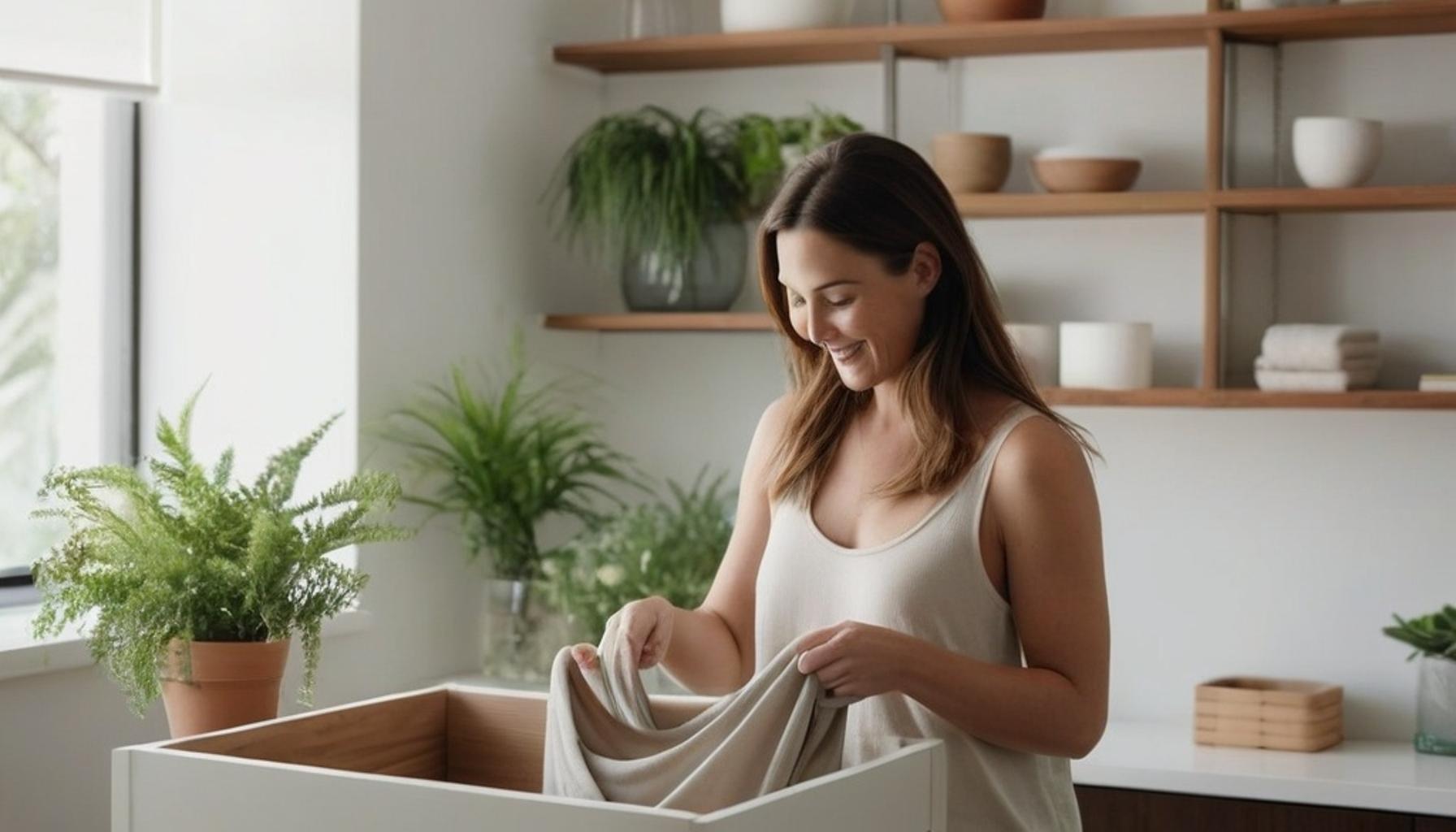
Beyond deciding what to keep, Kondo places significant emphasis on how items are stored and folded. Her signature folding technique, which transforms clothing into small, upright rectangles, is not simply an aesthetic preference. It allows every item to be seen at a glance, reducing the likelihood of rediscovering forgotten belongings buried at the bottom of a drawer.
This visual clarity plays a meaningful role in maintaining decluttering tips long after the initial sorting process ends. Many organizing systems fail because they focus solely on the purge phase, neglecting the daily habits required to sustain order. Kondo’s folding ritual, along with her insistence that every item have a designated home, builds sustainable structure into the process.
- Vertical folding — Maximizes drawer space while making every garment instantly visible.
- Designated storage spots — Prevents the slow creep of clutter by giving every object a specific place to return to.
- Regular reassessment — Encourages periodic check-ins to ensure belongings still align with one’s current lifestyle and values.
Mental Clarity as an Unexpected Byproduct
Numerous participants who have adopted this Marie Kondo method report benefits that extend well beyond tidy shelves. Many describe a noticeable reduction in daily stress, attributing this shift to spending less time searching for misplaced items or navigating cluttered environments. Environmental psychologists have long linked physical disorder to elevated cortisol levels, particularly among women managing households.
For individuals pursuing a minimalist lifestyle, this technique offers a structured entry point rather than an intimidating leap into extreme minimalism. It does not demand that people own fewer than 100 items or adopt a stark aesthetic. Instead, it simply asks that every retained object serves a genuine purpose or brings authentic happiness, making transforming your space feel achievable rather than overwhelming.
Rethinking What It Means to Own Less and Live More
From coast to coast, American households are discovering that organizing your home is rarely just about tidiness. It reflects deeper questions about consumption, identity, and how physical spaces shape emotional well-being. The Marie Kondo Technique has resonated so widely precisely because it addresses these underlying issues rather than offering a quick surface-level fix.
What began as a niche Japanese organizing system has evolved into a broader cultural conversation about excess. Netflix specials, bestselling books, and countless before-and-after transformations have introduced millions of Americans to a method that challenges decades of consumerist habits. This is not simply a trend confined to closets and kitchen drawers; it is a recalibration of how people relate to their belongings.
Critics argue that not every household can realistically apply Kondo’s standards, especially families juggling children, pets, and limited storage. That skepticism is worth acknowledging. Yet even partial adoption of these decluttering tips tends to yield measurable benefits, from reduced anxiety to more efficient morning routines.
What makes the Marie Kondo method particularly compelling is its adaptability. It can be applied gradually, room by room, without requiring an all-or-nothing commitment. This flexibility explains why it has outlasted many other short-lived organizing fads.
Ultimately, transforming your space through this approach becomes a gateway to something larger: a more deliberate, values-driven minimalist lifestyle. Whether someone fully embraces every ritual or simply borrows a few core principles, the underlying lesson remains consistent. Surrounding oneself with fewer, more meaningful possessions may be one of the simplest yet most overlooked paths toward lasting mental clarity.
Frequently Asked Questions
What are the basic principles of the Marie Kondo Technique?
The Marie Kondo Technique is based on the idea of decluttering by category rather than by room. It encourages individuals to keep only those items that spark joy, promoting a more meaningful and organized living environment. By following specific steps like decluttering, organizing, and finding a home for each item, you can create a serene space and a clear mind.
How can the Marie Kondo Technique impact mental well-being?
Practicing the Marie Kondo Technique can significantly impact mental well-being by reducing stress and anxiety associated with clutter. As you let go of unnecessary items, you create a more peaceful environment that fosters mindfulness and clarity. The joy that comes from surrounding yourself with meaningful possessions can lead to improved focus and a more positive outlook on life.
Can children be involved in the Marie Kondo Technique?
Yes, children can absolutely be involved in the Marie Kondo Technique! Teaching kids to identify items that spark joy not only helps them learn organization skills but also fosters a sense of ownership and responsibility. Engaging children in the decluttering process can make it a fun family activity and instill lifelong habits of tidiness.
What items should I start decluttering first in the Marie Kondo Technique?
It’s recommended to start with clothing when using the Marie Kondo Technique, as it’s often the easiest category to tackle. Begin by gathering all your clothes in one place and take the time to evaluate each piece, asking yourself if it sparks joy. This lays a strong foundation for decluttering in more challenging categories, like sentimental items.
How does the Marie Kondo Technique differ from traditional organization methods?
The Marie Kondo Technique differs from traditional organization methods by focusing on the emotional connection to items rather than simply sorting and organizing everything. It emphasizes the joy factor, encouraging individuals to form a personal relationship with their belongings. This approach transcends mere tidiness, promoting a lifestyle change that enhances overall happiness and fulfillment.
Is the Marie Kondo Technique effective for small apartments?
Yes, the Marie Kondo Technique is particularly effective for small apartments, where maximizing space is essential. By decluttering and organizing based on joy, you can create an efficient layout that enhances functionality in limited areas. This method not only frees up physical space but also promotes a lighter, more open atmosphere that can make your small home feel more expansive.

Linda Carter
Linda Carter is a writer specializing in minimalism and personal organization. With extensive experience helping readers create more functional and balanced routines, she shares practical advice on decluttering, organizing spaces, simplifying daily tasks, and making more intentional choices. Her goal is to offer clear guidance and accessible strategies that help people reduce excess, improve their surroundings, and enjoy a calmer, more organized lifestyle.