The Importance of Intentional Design in Creating Minimalist Spaces
Unlocking the Power of Intentional Living
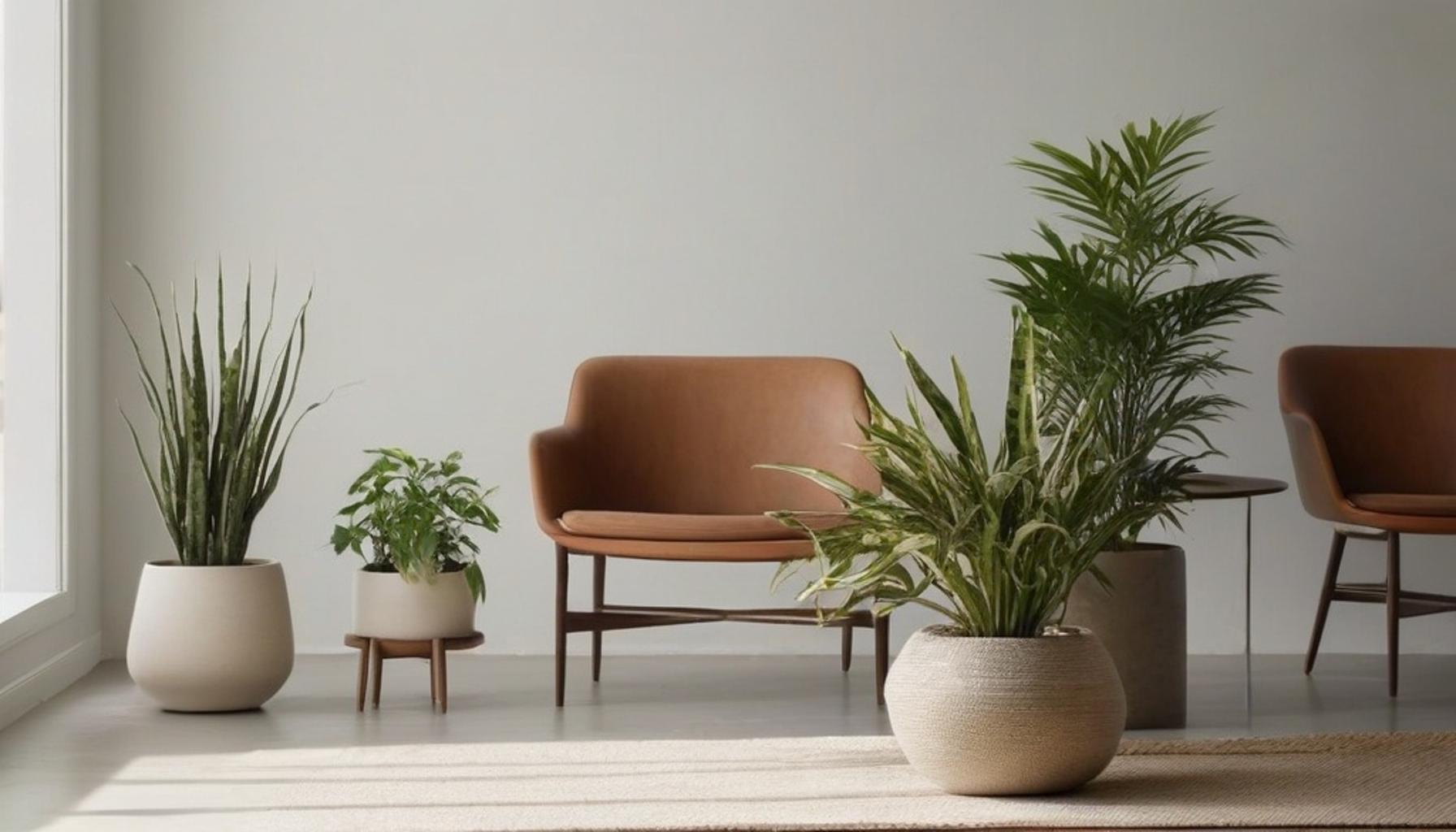
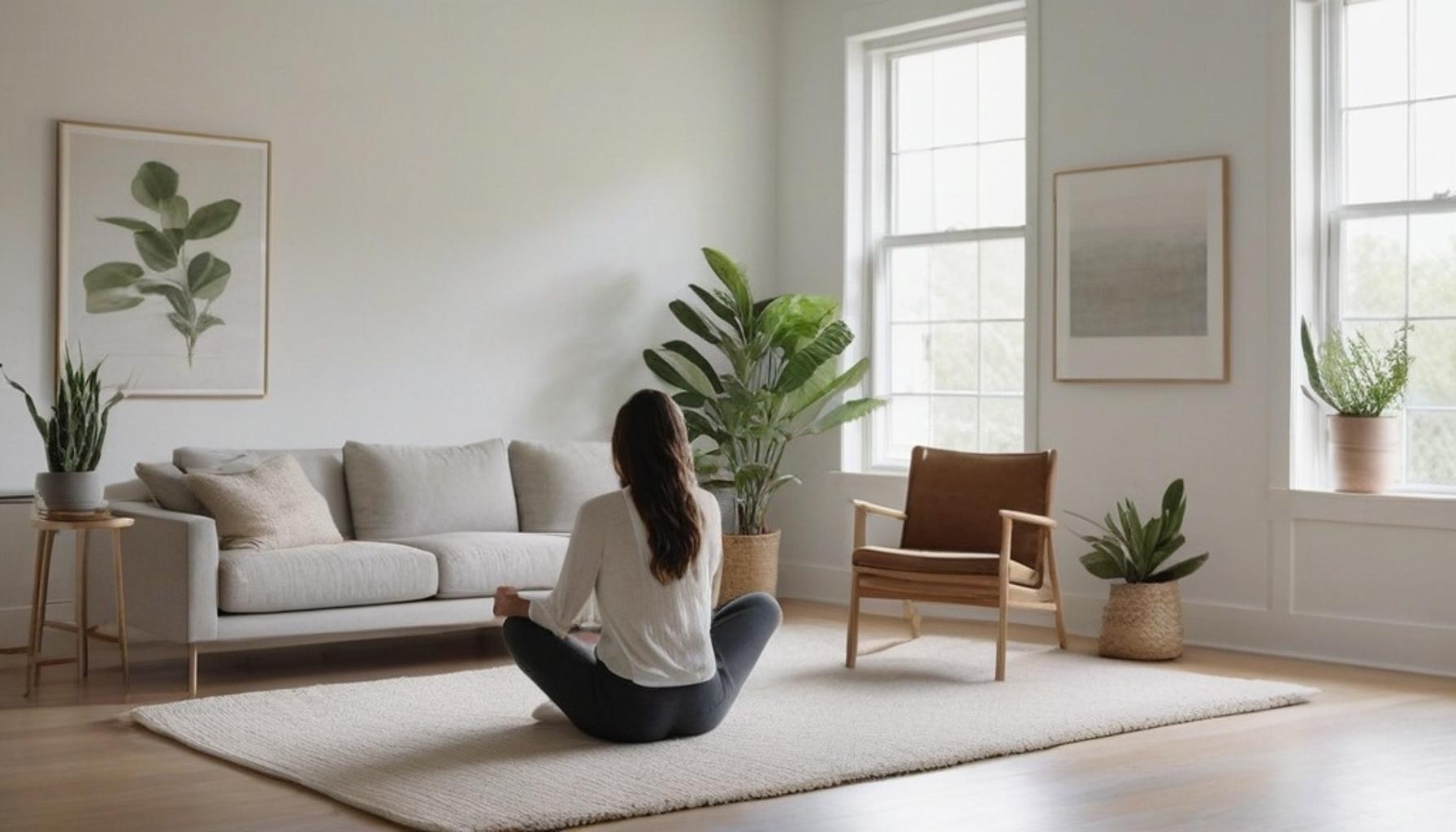
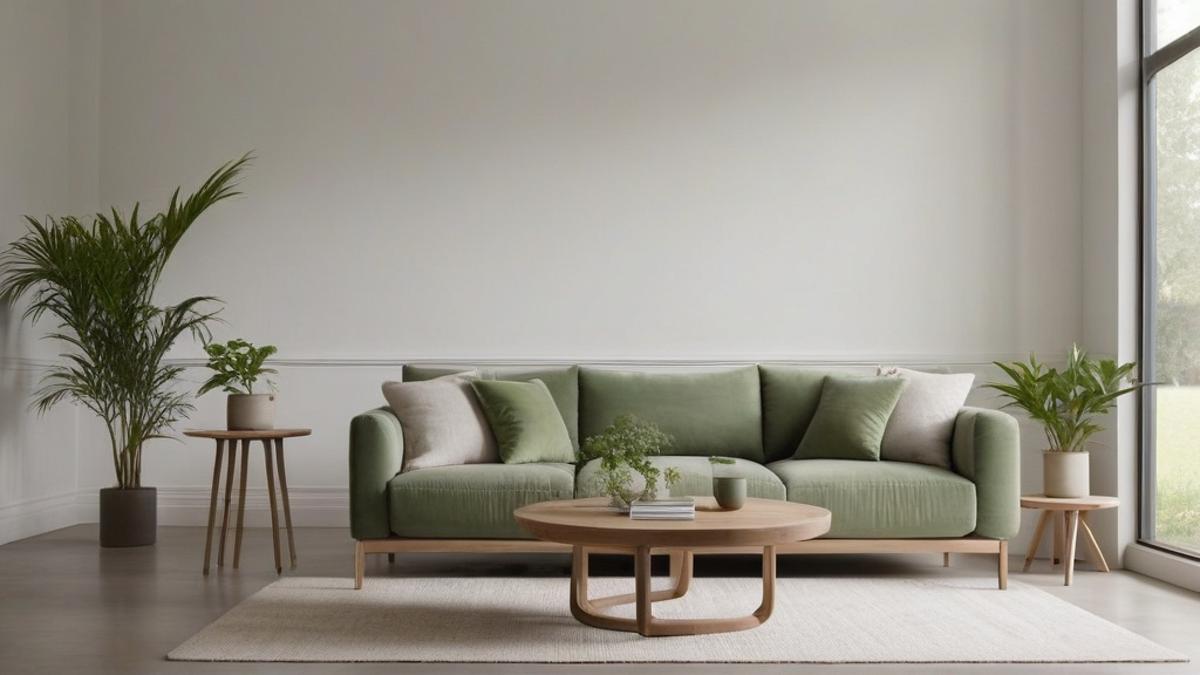
Step into a beautifully curated American living room, and it becomes evident that nothing is there by chance. Each chair, shelf, and even the strategically empty wall has been placed with care. This encapsulates the essence of Intentional Design for Minimalist Spaces, where every item contributes to the overall harmony and purpose of the space.
Minimalism extends far beyond simply reducing the number of possessions. It embodies a profound philosophy aimed at cultivating serene, functional environments free from clutter. In an era where overstimulation is the norm, minimalism emerges as a sanctuary, allowing individuals to focus on what truly matters. This shift is not merely about aesthetics; it reflects a deeper yearning for mental clarity and emotional peace.
The Numbers Behind the Trend
The rising interest in decluttering and simplified living is palpable across the United States. A search analysis shows that inquiries for “minimalist home decor ideas” have surged consistently, indicating a nationwide movement towards more refined living spaces. Homeowners are increasingly understanding that a clutter-free environment promotes psychological well-being.
- 68% of Americans report feeling less stressed when surrounded by tidy, uncluttered spaces, highlighting the mental health benefits associated with minimalism.
- In terms of financial savings, minimalist renovations can cut furniture costs by 30% or more, allowing for judicious investments that prioritize quality over quantity.
- Additionally, simplified layouts can significantly elevate a home’s perceived value during resale, making minimalist design not only visually appealing but also financially savvy.
What Sets Intentional Design Apart
Grasping the core principles of minimalist interior design involves rethinking the concept of space. In this framework, empty space is recognized as a precious commodity rather than wasted area. Such breathing room fosters a sense of clarity and openness, encouraging relaxation and comfort.
This exploration into minimalist design offers practical intentional design strategies that can transform any room into a peaceful retreat. These strategies include:
- Selecting furniture pieces that serve multiple functions, such as a sofa bed or an ottoman with storage, maximizing utility while minimizing clutter.
- Employing color palettes that evoke a sense of calm, favoring soft neutrals and earth tones that help create an inviting atmosphere.
- Implementing storage solutions that efficiently conceal daily clutter, such as under-bed storage or decorative baskets, to maintain an organized appearance.
The benefits of minimalist design reach well beyond mere visual appeal; they influence lifestyle habits, enhance mental clarity, and can even lead to simplified monthly budgets. By thoughtfully curating your living space, you cultivate an environment that not only reflects your personal style but also nurtures your well-being. Ultimately, as we delve deeper into this approach, it becomes evident that investing in minimalism can yield significant rewards in our everyday lives.
SEE ALSO: Intentional Design in Small Spaces: Minimalist Solutions to Maximize Functionality
The Architecture of Purposeful Living Spaces
Walk through any home in Austin, Portland, or suburban Ohio, and you’ll notice a shift happening in real-time. Homeowners are ditching the notion that more furniture equals more comfort. Instead, they’re embracing Intentional Design for Minimalist Spaces as a deliberate practice, one that requires thought rather than impulse purchases from big-box retailers. This emerging trend can be seen as a response to the fast-paced digital era, where many people yearn for simplicity amid overwhelming choices.
This approach isn’t about creating empty rooms devoid of personality or warmth. Rather, it’s a philosophy centered on asking one pivotal question before every design decision: does this serve a purpose? If the answer is no, then it doesn’t belong within these curated spaces. It marks a conscious effort to eliminate clutter and enhance functionality, ensuring that each item resonates with the individual’s lifestyle and personal narrative.
Why Every Object Should Earn Its Place
Traditional interior design often prioritizes appearance first, function second. In contrast, minimalist interior design principles flip that hierarchy entirely. Every object must justify its presence through utility, meaning, or the genuine joy it brings to daily life. This philosophy encourages homeowners to develop an appreciation for quality over quantity, promoting the idea that less can indeed be more.
Consider the average American closet. According to organizing industry reports, it contains items worn less than 20% of the time. Such statistic highlights the common issue of overaccumulation. Intentional design challenges this pattern by asking homeowners to curate their possessions rather than mindlessly amass them. The result is a home that functions more like a well-edited magazine spread and less like a storage unit bursting at the seams with discarded or seldom-used items.
This philosophy reaches into practical territory when learning how to create minimalist spaces that actually work for busy American households:
- Conduct regular room audits quarterly to identify items that no longer serve a clear purpose or bring genuine value.
- Prioritize quality craftsmanship over quantity, investing in furniture pieces built to last decades rather than just seasons.
- Design traffic flow patterns strategically to eliminate obstacles, creating rooms that feel open even within limited square footage.
- Choose decor with emotional or functional significance rather than trend-driven purchases destined for landfills.
The Psychological Shift Behind the Design
Behavioral researchers have long studied the connection between physical environments and mental states. Cluttered spaces trigger cognitive overload, forcing the brain to process unnecessary visual information continuously. Intentional design seeks to reverse this chaos by creating environments where the mind can rest and rejuvenate, enhancing overall well-being.
Homeowners across the country report that once they commit to this approach, decision fatigue decreases significantly. Fewer possessions translate to fewer choices each morning—from selecting what to wear to deciding where to place the coffee mug. This streamlined lifestyle often serves as the gateway into broader minimalist home decor ideas that permeate every facet of daily routine.
Moreover, the benefits of minimalist spaces extend beyond aesthetics or personal comfort; they can foster a sense of peace and clarity in chaotic urban settings. Homeowners often find that their newfound clarity in their living space promotes mental clarity and improved focus throughout other areas of their lives, including work and personal relationships. By embracing intentional design, they create not only a home but a tranquil sanctuary that supports a balanced lifestyle.
As this movement continues to gain traction, it encourages individuals to think critically about their possessions and the spaces they inhabit, fostering a culture of mindfulness that may help reshape contemporary American living.
| Category | Description |
|---|---|
| Design Intent | Purpose-driven selections promoting clarity and function. |
| Sustainability | Long-lasting materials supporting eco-friendly practices. |
RECOMMENDED: The Aesthetics of Minimalism: How Intentional Design Improves Personal Organization
Strategic Choices That Transform Everyday Rooms
From Seattle bungalows to Brooklyn brownstones, homeowners are discovering that Intentional Design for Minimalist Spaces requires more than removing clutter. It demands a strategic framework, one where every material, color, and layout decision supports a larger vision for how the space should function and feel.
Designers who specialize in this discipline often point to the 80-20 rule as a guiding principle. Roughly 80% of a room’s visual weight should come from a handful of well-chosen anchor pieces, while the remaining 20% allows for personal touches like art or textiles. This ratio prevents spaces from feeling sterile while still honoring minimalist interior design principles.
Material Selection as a Design Strategy
One overlooked element in creating pared-down interiors is the deliberate use of natural materials. Wood, stone, linen, and wool introduce texture and warmth without requiring additional decorative objects. This approach directly addresses a common critique of minimalism: that it feels cold or clinical.
Interior designers across the Pacific Northwest have popularized this technique, blending Scandinavian influences with American practicality. The result is a style sometimes called “warm minimalism,” which relies on tactile materials rather than ornamentation to create visual interest.
Several intentional design strategies support this material-first approach:
- Select a limited color palette of three to five tones to maintain cohesion throughout connected living spaces.
- Incorporate at least one natural material in every room to soften hard architectural lines.
- Use lighting fixtures as functional sculpture, reducing the need for separate decorative accents.
- Allow negative space to exist deliberately, rather than filling every wall or surface out of habit.
Measurable Benefits Beyond Aesthetics
Data increasingly supports what minimalist homeowners have long claimed anecdotally. A 2023 survey conducted by a national home organization group found that households practicing intentional design spent 30% less time on weekly cleaning routines compared to more traditionally furnished homes.
The benefits of minimalist design also extend into financial territory. Homeowners who commit to fewer, higher-quality purchases report spending less annually on home goods overall, despite higher upfront costs for individual items. This shift reflects a broader move toward sustainable consumption patterns across American households.
Real estate professionals have taken notice as well. Staged homes using minimalist principles often sell faster in competitive markets, particularly in cities like Denver and Nashville, where buyers respond positively to clean, uncluttered visual presentations during showings.
These findings suggest that minimalist home decor ideas aren’t simply aesthetic preferences. They represent a measurable shift in how Americans value time, money, and mental space within their own homes.
Rethinking What a Home Is Meant to Do
The evidence points to a clear conclusion: Intentional Design for Minimalist Spaces is not a passing trend confined to design magazines or social media feeds. It’s a practical response to how Americans actually want to live, spend, and unwind in an increasingly cluttered world.
Throughout this discussion, one theme keeps resurfacing. Successful minimalist rooms aren’t defined by what’s missing, but by what’s been deliberately chosen to remain. That distinction separates thoughtful design from simple austerity.
Learning how to create minimalist spaces means treating every room as a series of decisions rather than a collection of objects. The 80-20 rule, natural material choices, and disciplined color palettes all serve the same purpose: giving each space a clear reason for existing the way it does.
The financial and lifestyle data reinforce this further. Reduced cleaning time, fewer impulse purchases, and faster home sales in competitive markets like Denver and Nashville all suggest that minimalist interior design principles deliver returns that extend well past visual appeal.
Perhaps the most compelling takeaway is how adaptable these intentional design strategies remain. Whether applied to a compact city apartment or a sprawling suburban home, the underlying framework, purpose before decoration, scales to fit any space and any budget.
As more homeowners explore minimalist home decor ideas, the conversation is shifting from aesthetics alone to something more fundamental: how intentional choices about physical space might influence focus, spending habits, and even daily well-being. That question alone makes this design philosophy worth watching closely in the years ahead.
Frequently Asked Questions
What is intentional design in the context of minimalist spaces?
Intentional design refers to the purposeful arrangement and selection of elements within a space to achieve a specific aesthetic or functional outcome. In minimalist spaces, this means carefully choosing furnishings, colors, and layouts that promote simplicity, clarity, and tranquility.
How does intentional design enhance functionality in minimalist living areas?
Intentional design enhances functionality by ensuring that every item serves a purpose, reducing clutter and distractions. This careful consideration allows for smoother daily activities and a more efficient use of space, making it easier to navigate and enjoy your environment.
What are some key principles of intentional design for minimalist bedrooms?
Key principles include using a limited color palette, selecting multifunctional furniture, and ensuring ample open space. This approach not only creates a calming atmosphere but also promotes restful sleep by minimizing visual noise and distractions.
Can intentional design in minimalist spaces improve mental well-being?
Yes, intentional design can significantly improve mental well-being by creating an environment that feels peaceful and organized. A minimalist space, curated through purposeful design choices, can reduce stress levels and enhance focus and clarity.
How do I begin implementing intentional design in my home?
Start by assessing each room and determining which items are essential to your lifestyle. Gradually declutter, then choose furniture and décor that align with a minimalist aesthetic and serve a functional purpose, always prioritizing quality over quantity.
Why is intentional design crucial for maintaining minimalist aesthetics over time?
Intentional design is crucial because it helps establish a clear vision and set of standards for your space. By consistently adhering to these principles, you can maintain an organized and aesthetically pleasing environment that reflects your values and minimizes the risk of clutter creeping back in.

Linda Carter
Linda Carter is a writer specializing in minimalism and personal organization. With extensive experience helping readers create more functional and balanced routines, she shares practical advice on decluttering, organizing spaces, simplifying daily tasks, and making more intentional choices. Her goal is to offer clear guidance and accessible strategies that help people reduce excess, improve their surroundings, and enjoy a calmer, more organized lifestyle.