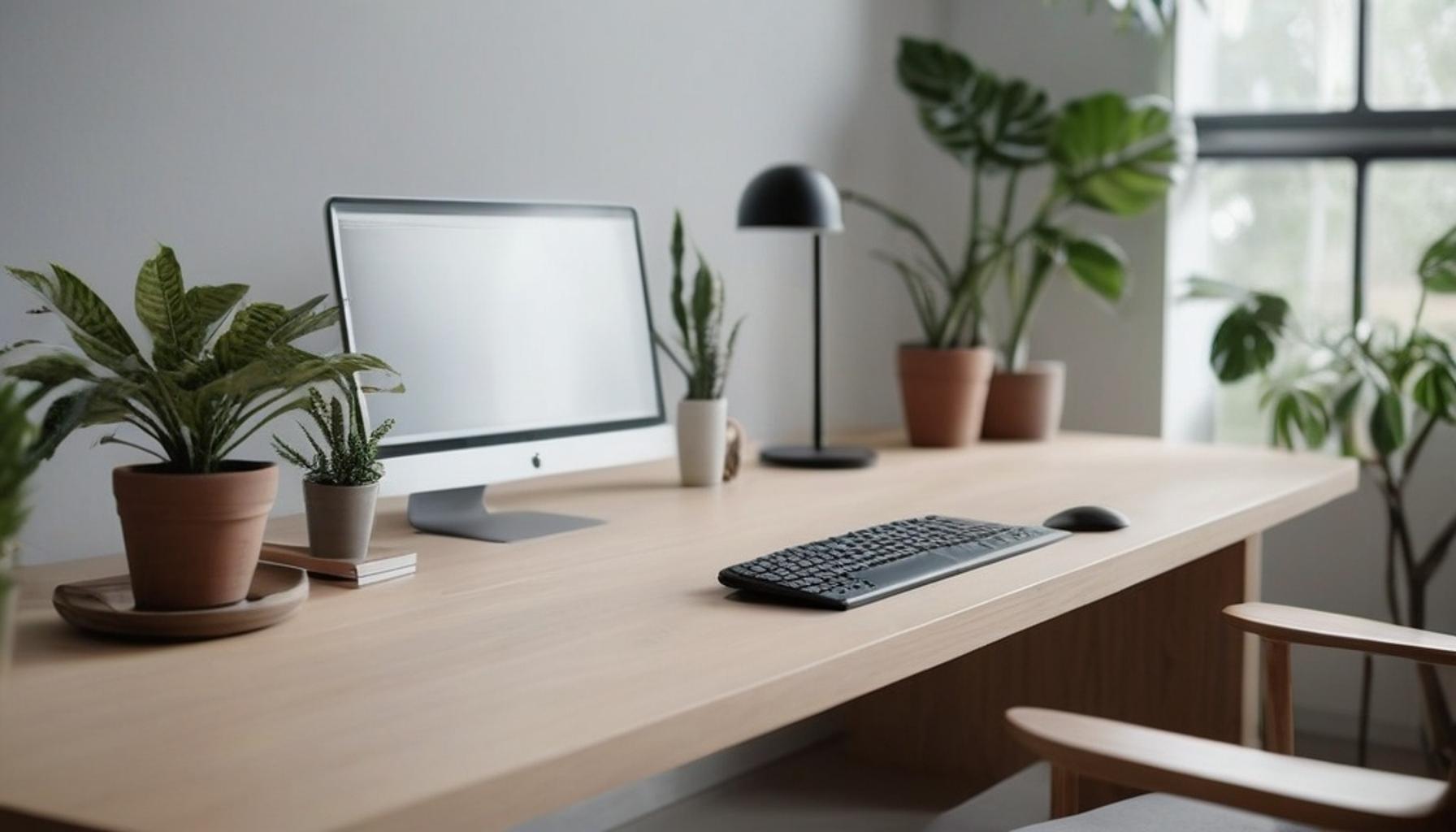
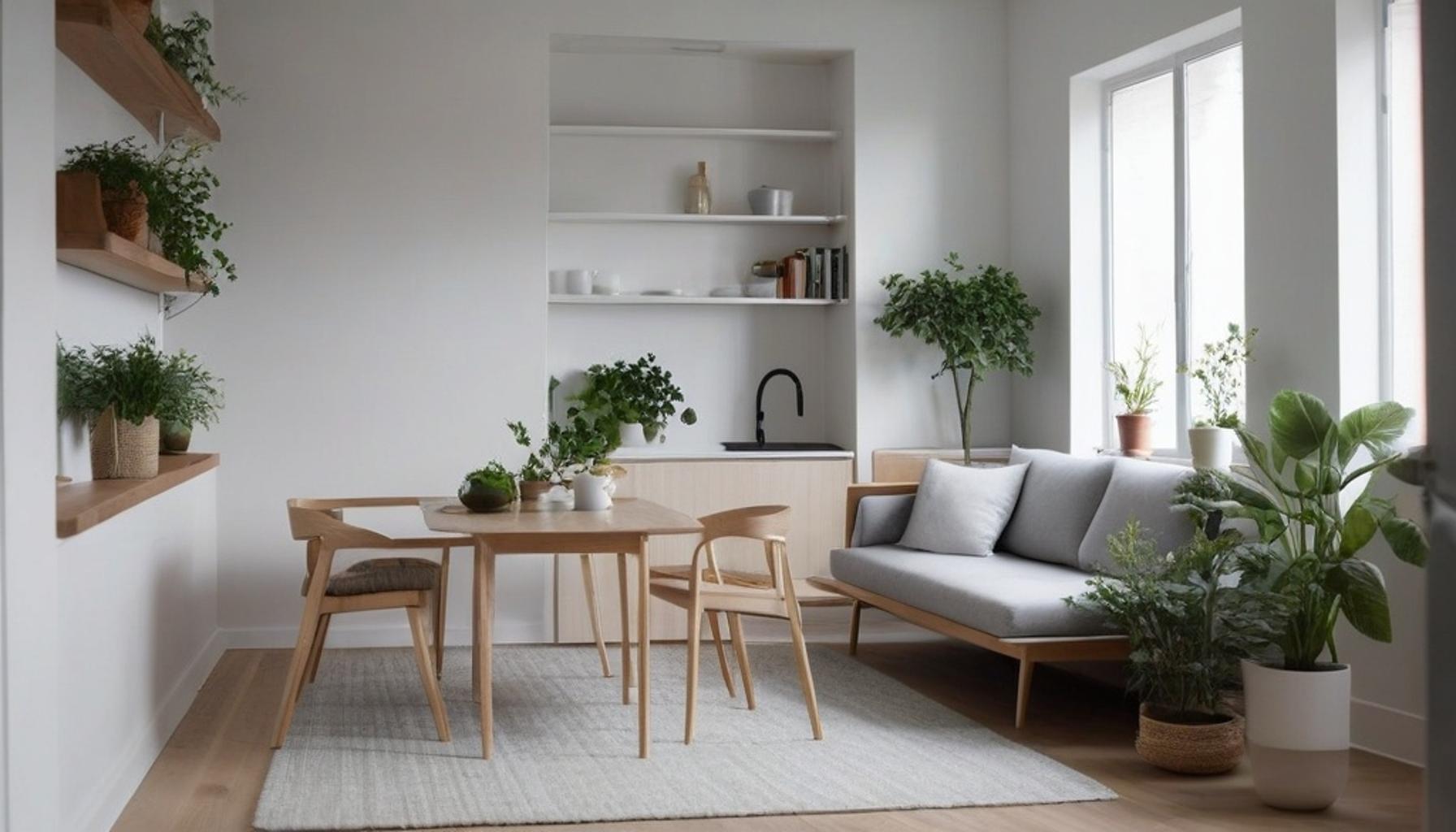
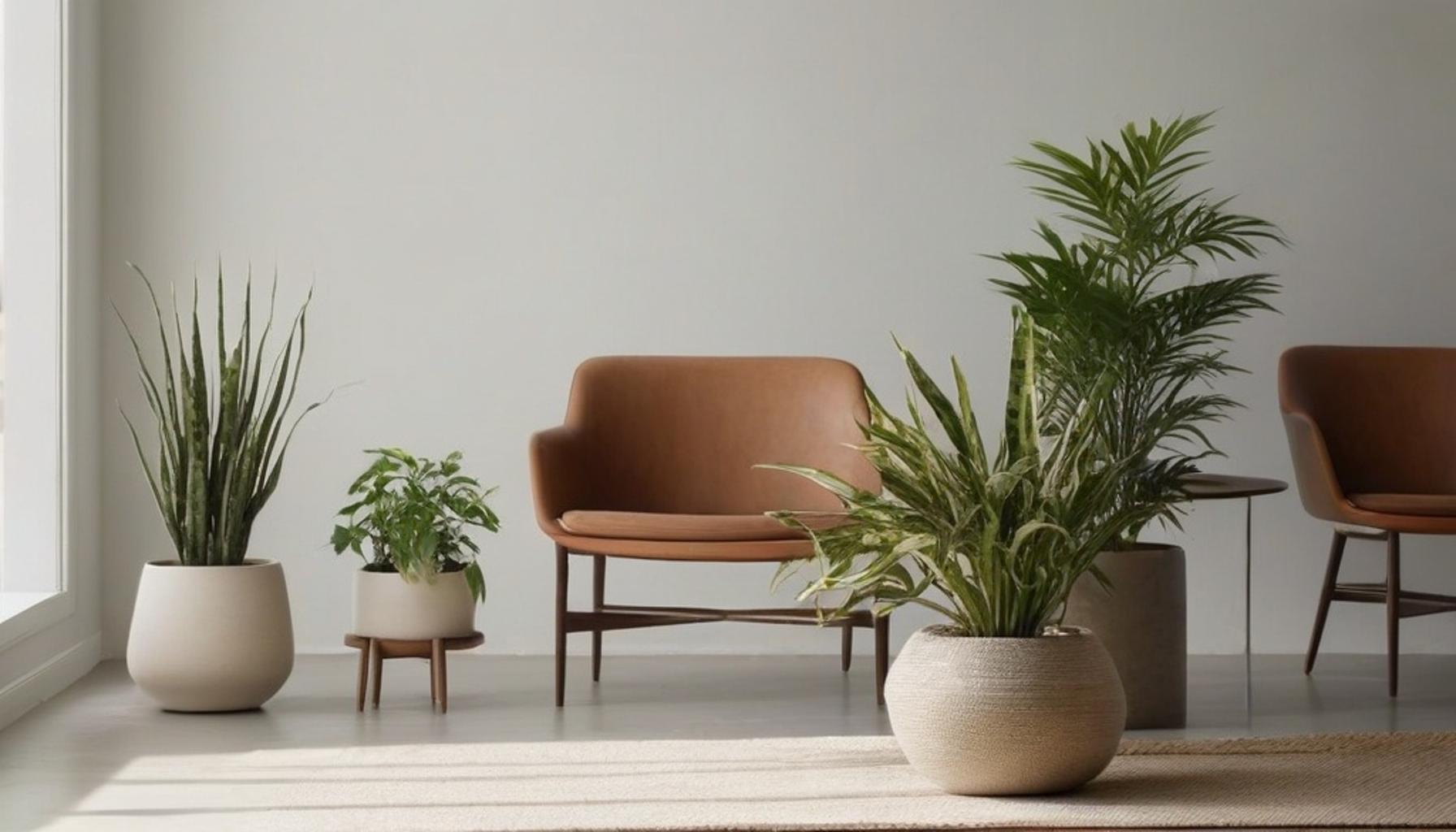
The importance of Intentional Design in creating minimalist environments that promote productivity and well-being
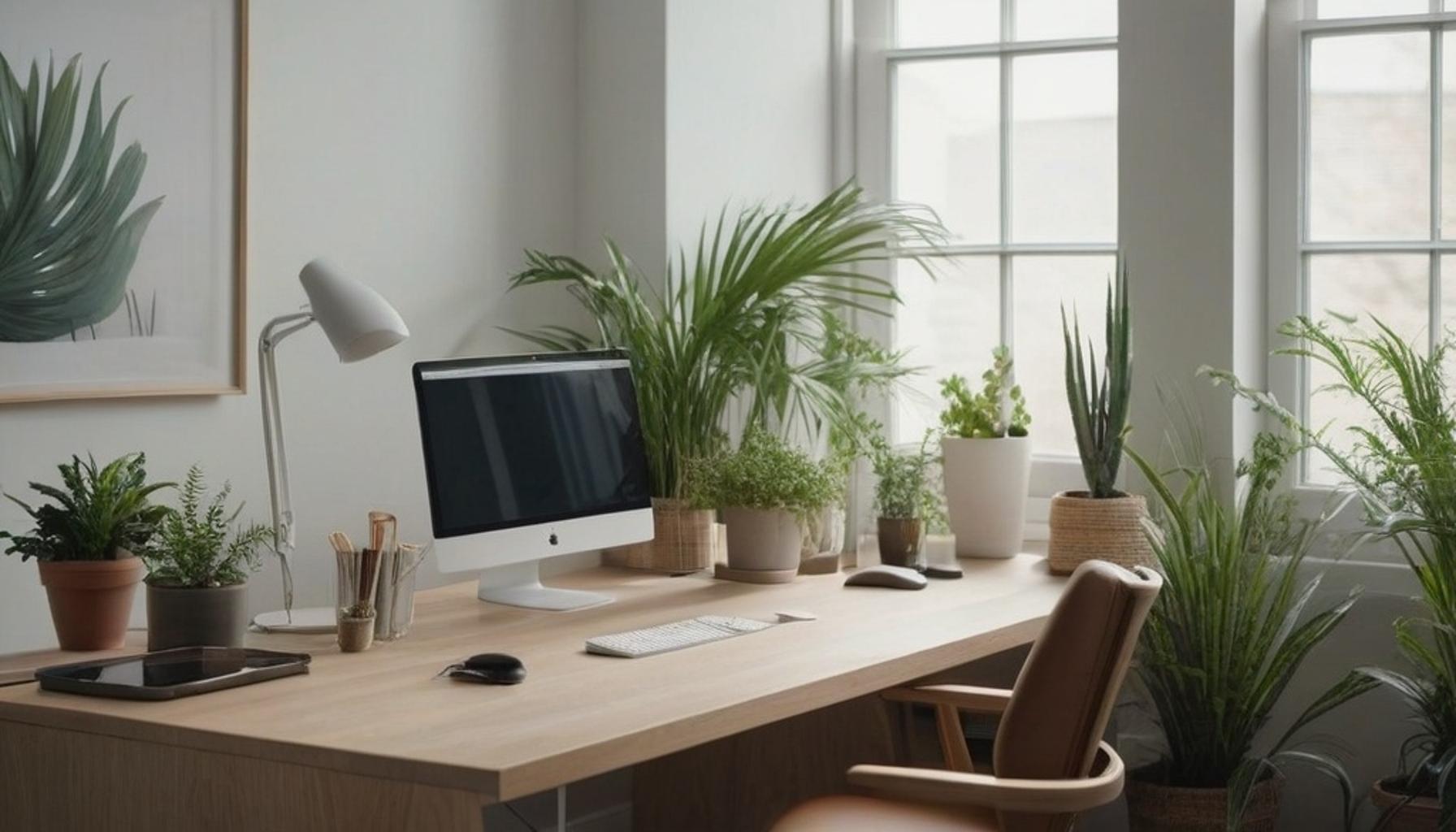
The Transformative Power of Environment on Success
Walk into any high-performing office or serene home workspace, and you’ll notice something striking: the absence of clutter. This isn’t accidental. It’s the result of Intentional Design for Productivity, a growing movement reshaping how Americans think about their surroundings. The principle behind this concept is firmly established in both psychology and design, demonstrating that what we see and feel physically directly influences our emotional state and cognitive functions.
Research from the Princeton University Neuroscience Institute found that physical clutter competes for attention, reducing our ability to focus and process information effectively. This insight has ignited a national shift towards minimalist environments that promote mental clarity and overall well-being. In an age where distractions are ubiquitous, such simplicity can offer an oasis of focus, leading individuals to perform better both personally and professionally.
The Numbers Behind the Movement
Consider what’s driving this trend:
- 85% of employees report feeling more focused in decluttered workspaces, according to workplace studies. This clear correlation between environment and productivity underscores the benefits of intentional design.
- Companies that have embraced minimalist office design, such as tech giants like Apple and Google, have seen measurable gains in team output and creativity. This could be due to less cognitive overload and more room for innovative thinking.
- Mental health professionals now frequently recommend simplified living spaces to reduce anxiety. A calm environment can be pivotal in managing stress levels and improving mental health outcomes.
Beyond Aesthetics: A Strategic Approach
Designing intentional spaces isn’t solely about achieving a magazine-worthy look; it’s about creating environments where every object, color, and layout decision serves a purpose. For instance, a tech startup in Austin might incorporate open spaces filled with natural light, while a remodeled apartment in Brooklyn could use neutral colors and multifunctional furniture to maximize utility.
This philosophy is proving that productivity through minimalist design isn’t just a fleeting trend—it’s becoming a measurable strategy for better living. Employers and individuals alike realize that an optimized environment can lead to enhanced creativity and thought processes. This article delves into the science, benefits, and practical steps behind creating productive minimalist environments that truly work, encouraging readers to rethink how their surroundings influence their achievements and overall lifestyle.
The Psychology of Space: Why Your Brain Craves Order
Step into a room stripped of excess, and something shifts almost immediately. Your shoulders drop. Your breathing slows. This isn’t just a feeling—it’s neuroscience at work. Intentional Design for Productivity taps directly into how the human brain processes visual information, and the results are backed by hard data rather than mere aesthetic preference.
The average American office worker encounters roughly 11 million bits of sensory information per second, yet the conscious mind can only process about 40 bits at a time. When physical spaces are overloaded with unnecessary objects, that gap between input and processing capacity widens, leading to mental fatigue before lunch even arrives.
How Clutter Hijacks Cognitive Function
A landmark study published in the Journal of Neuroscience revealed that when the visual field contains multiple stimuli, neurons compete for representation, essentially creating a bottleneck in the brain’s visual cortex. This explains why minimalist environments for well-being aren’t simply trendy—they’re biologically strategic.
Consider these documented effects of environmental overload:
- Increased cortisol levels have been linked to cluttered living spaces, according to research from UCLA’s Center on Everyday Lives of Families.
- Decision fatigue intensifies in visually chaotic environments, making even simple choices feel exhausting by day’s end.
- Sleep quality diminishes in bedrooms with excessive furniture or unfinished tasks left visible, according to sleep researchers at the National Sleep Foundation.
- Sustained attention spans shrink by nearly 40% in environments with high visual complexity, based on cognitive load studies.
From Silicon Valley to Main Street
This isn’t confined to corporate boardrooms. Across the country, from co-working spaces in Denver to home offices in suburban Ohio, Americans are actively designing intentional spaces that eliminate friction between intention and action.
The shift represents more than a design preference; it’s a response to an increasingly overstimulated culture. When every object in a room has a clear purpose, the brain no longer wastes energy filtering out visual noise, freeing up mental bandwidth for the work that actually matters.
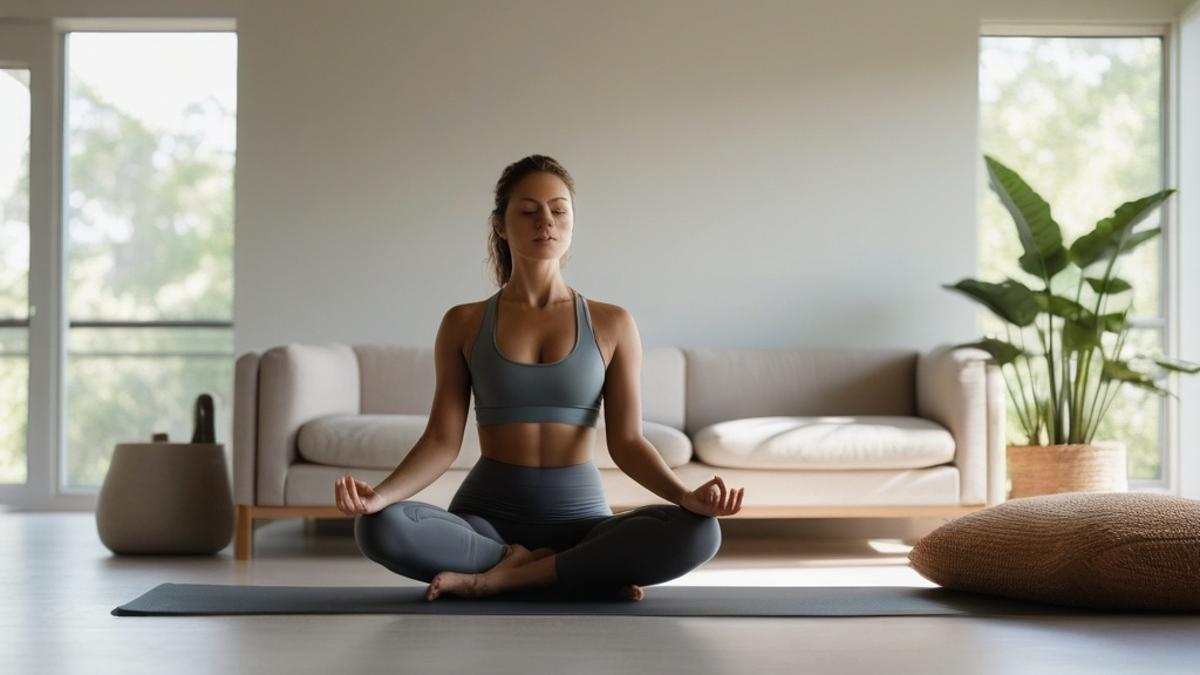
DISCOVER MORE: Click here to delve into mindfulness and minimalist organization
The Architecture of Attention: Designing Spaces That Work For You
Walk through the headquarters of companies like Basecamp or IDEO, and you’ll notice something conspicuously absent: visual chaos. This isn’t accidental. These organizations have embraced productivity through minimalist design as a core operational strategy, not just an interior decorating choice.
The difference between a cluttered workspace and an intentionally designed one often comes down to a single question: does every object serve a purpose? This principle, borrowed from Japanese design philosophy and adapted for American work culture, forms the backbone of effective spatial planning.
The Three-Zone Framework
Design consultants across the country now recommend dividing any workspace into three functional zones. This approach to creating productive minimalist environments removes the guesswork from daily organization.
- Active zone: Contains only items used within the current task—typically no more than three to five objects visible at once.
- Reference zone: Houses materials needed occasionally, stored within reach but out of direct sightline.
- Archive zone: Reserved for items accessed monthly or less, ideally relocated outside the primary workspace entirely.
Companies implementing this framework, including several Fortune 500 firms in Austin and Seattle, report measurable improvements. One tech firm documented a 23% reduction in time spent searching for materials after restructuring communal workspaces using this exact model.
Light, Color, and the Overlooked Variables
Intentional design extends far beyond decluttering surfaces. Natural light exposure has been shown to increase productivity by up to 15%, according to a widely cited study from Cornell University’s Department of Design and Environmental Analysis.
Color psychology plays an equally significant role. Muted, low-saturation palettes—soft grays, warm whites, gentle sage greens—correlate with reduced anxiety markers compared to high-contrast or heavily patterned environments.
Consider these additional findings from environmental psychology research:
- Workspaces positioned near windows show a 51% decrease in reported eyestrain among employees.
- Rooms with visible clutter increase perceived task difficulty, even when the actual workload remains unchanged.
- Simplified environments improve memory recall by nearly 20%, according to Princeton University neuroscience research on visual processing.
The benefits of intentional design become particularly evident in hybrid work arrangements, where Americans increasingly toggle between home offices and shared corporate spaces throughout any given week.
Rethinking the Spaces We Inhabit
The evidence points to a clear conclusion: Intentional Design for Productivity isn’t a fleeting trend borrowed from minimalist aesthetics on social media. It’s a research-backed strategy with measurable outcomes, from reduced eyestrain to sharper memory recall.
What makes this approach compelling is its accessibility. Unlike expensive renovations or specialized equipment, the three-zone framework and lighting adjustments discussed throughout this article require thoughtfulness more than budget. A studio apartment in Chicago or a corner desk in a Denver co-working space can benefit equally from these principles.
Beyond the Office Walls
The broader lesson here extends past cubicles and conference rooms. Minimalist environments for well-being apply to kitchens, bedrooms, and the digital spaces where Americans now spend increasing hours working remotely.
Designing intentional spaces means recognizing that environment shapes behavior, often more powerfully than willpower or motivation ever could. When surroundings support focus rather than fragment it, cognitive resources get redirected toward meaningful work instead of visual noise.
Consider these takeaways as starting points, not final destinations:
- Audit one workspace this week using the active, reference, and archive zone model.
- Prioritize natural light wherever physically possible, even if that means relocating a desk six feet.
- Test muted color palettes in high-stress areas and track any shifts in mood or focus.
The benefits of intentional design compound over time, influencing everything from daily efficiency to long-term mental health. As hybrid work continues reshaping how and where Americans perform their jobs, the spaces themselves deserve as much strategic attention as the tasks completed within them.
Frequently Asked Questions
How does Intentional Design for Productivity influence workspace organization?
Intentional Design for Productivity focuses on creating a workspace that minimizes clutter and distractions, allowing for better focus and efficiency. By strategically arranging furniture and tools, individuals can create an environment that naturally encourages workflow and enhances overall well-being.
What are the key principles of Intentional Design that enhance productivity?
Key principles of Intentional Design include simplicity, functionality, and harmony. These principles guide the selection of furniture, colors, and layouts that not only promote aesthetics but also support a balanced and productive work environment.
Can Intentional Design improve mental well-being in a minimalist setting?
Yes, Intentional Design plays a crucial role in improving mental well-being by reducing visual and auditory chaos. A thoughtfully designed minimalist environment fosters calmness, reduces stress, and encourages a focused mindset, all contributing to better overall mental health.
How can lighting be used in Intentional Design for better productivity?
Lighting is a critical component of Intentional Design for Productivity. Natural light is ideal for boosting mood and alertness, while adjustable artificial lighting can help reduce eye strain and create a comfortable working atmosphere, thus enhancing productivity.
What materials should be used in Intentional Design for a productive home office?
Choosing materials that are natural, sustainable, and visually calming can significantly enhance a home office’s Intentional Design. For example, wooden furniture, soft textiles, and eco-friendly paints not only contribute to a minimalist aesthetic but also promote a serene and productive environment.
How does color scheme choice affect Intentional Design for Productivity?
The choice of color scheme in Intentional Design can greatly influence mood and productivity. Calming colors like blues and greens can promote focus and tranquility, while pops of energizing colors like yellow can stimulate creativity, making thoughtful color selection essential for an effective workspace.

Linda Carter
Linda Carter is a writer specializing in minimalism and personal organization. With extensive experience helping readers create more functional and balanced routines, she shares practical advice on decluttering, organizing spaces, simplifying daily tasks, and making more intentional choices. Her goal is to offer clear guidance and accessible strategies that help people reduce excess, improve their surroundings, and enjoy a calmer, more organized lifestyle.