Integrating Technology for Streamlined Minimalist Living
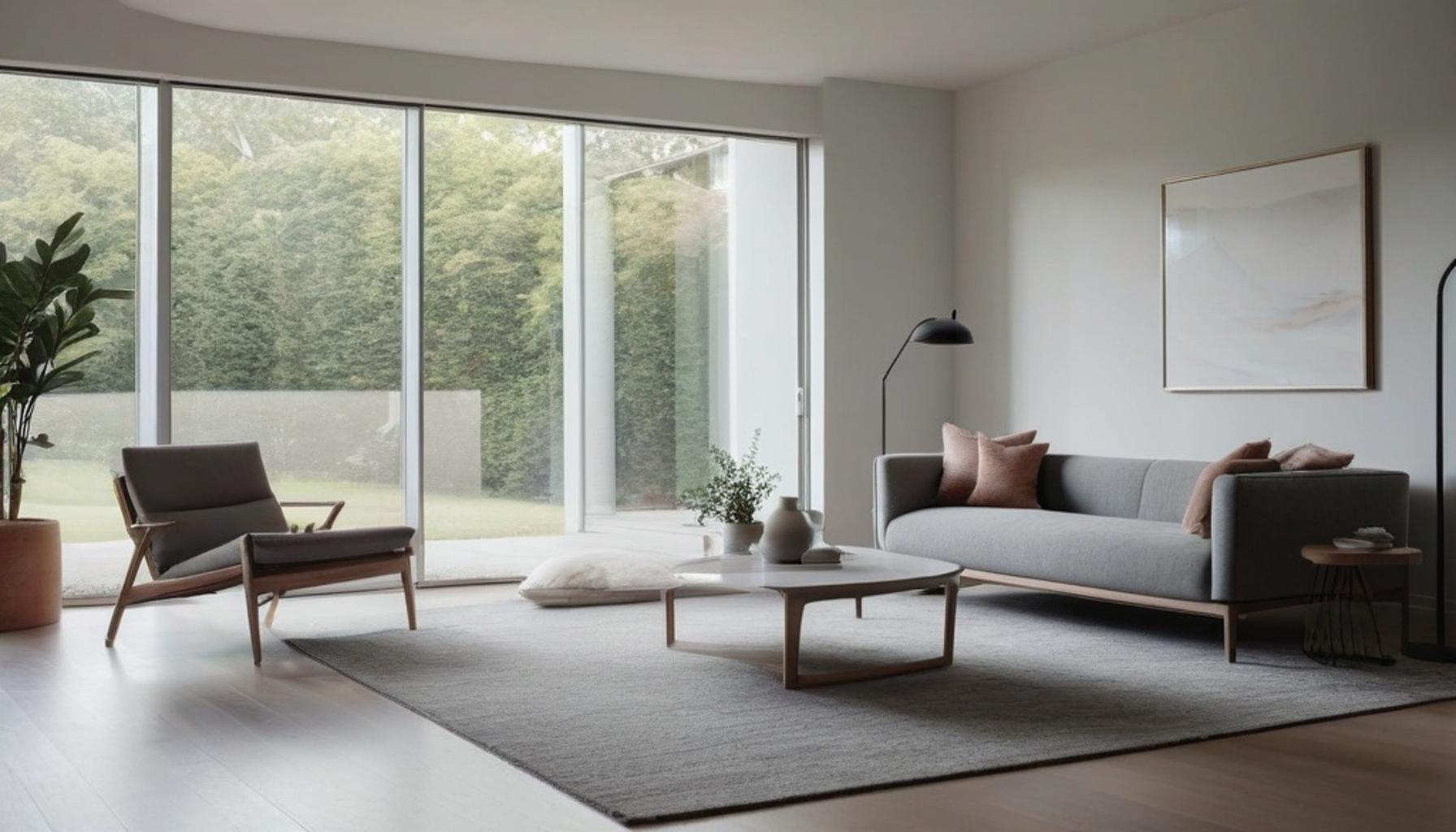
Where Simplicity Meets Smart Innovation
Americans are rethinking what it means to live well, and the answer increasingly involves fewer possessions but smarter systems. Minimalist Living with Technology has emerged as a defining lifestyle trend, blending intentional simplicity with cutting-edge convenience. From Seattle apartments to Austin tiny homes, this approach is reshaping how people organize their daily lives, leading to enhanced mental clarity and improved quality of life.
Why Technology and Minimalism Now Go Hand in Hand
Gone are the days when minimalism required sacrificing modern comforts. Today, a well-chosen device can effectively replace an entire drawer full of clutter. For example, a multi-purpose smart speaker can handle your music, set alarms, answer questions, and control other smart devices, all while taking up minimal counter space.
- Smart home minimalist living setups allow homeowners to control lighting, temperature, and security from one central hub, making it easy to adjust their environments with a simple voice command or tap on a smartphone. Imagine waking up to the gentle glow of lights that mimic sunrise while your thermostat warms the room to your preferred temperature, all programmed in a single app.
- Digital tools for minimalism can replace paper files, physical media, and redundant gadgets. For instance, services like Google Drive and Dropbox provide cloud storage solutions that eliminate the need for filing cabinets brimming with paperwork. By digitizing important documents, individuals can access essential information anytime, anywhere, thereby fostering a clutter-free workspace.
- Tech solutions for minimalist homes are also exemplified by voice assistants, like Amazon Alexa or Google Assistant, which significantly reduce the need for separate devices. With these assistants, users can control their home entertainment systems, manage schedules, and even make shopping lists without any physical items cluttering their space.
Consider this: the average American household owns dozens of remote controls, chargers, and single-purpose gadgets. Consolidating these into a handful of multifunctional smart devices isn’t just about tidiness; it represents a transformative shift toward living more consciously with fewer, but smarter, belongings.
A Growing Movement Worth Exploring
The market data indicating that smart home device adoption has surged past 69% among U.S. households signals a clear appetite for streamlined living with gadgets. This trend is not about accumulating more tech but rather about making intentional choices that eliminate unnecessary excess while enhancing daily life.
As consumers increasingly recognize the benefits of thoughtful technology integration, they find themselves simplifying their physical spaces, streamlining their schedules, and achieving greater mental clarity. This growing movement toward minimalist living does not merely signify a trend; it reflects a broader cultural transformation aimed at achieving a better work-life balance. Embracing technology to support a minimalist lifestyle can lead to reduced stress levels, greater organization, and ultimately, a more fulfilling life.
This evolving relationship between minimalism and technology invites further exploration. Individuals interested in this lifestyle may find resources online dedicated to minimalist living, smart home technologies, and guides for decluttering both physical and digital spaces, revealing pathways to a more intentional and enriched existence.
CHECK OUT: Integrating Minimalist Principles into Home Management for Improved Efficiency
Building the Foundation: Essential Systems for a Connected Yet Simple Home
Before diving into gadgets, successful Minimalist Living with Technology starts with a strategic assessment of daily routines. Homeowners across the country, from Portland to Miami, are asking a simple question: what tasks actually need a dedicated device, and what can be consolidated into a single smart system?
Mapping Your Home’s Digital Ecosystem
The most effective approach to smart home minimalist living begins with an audit. Walk through each room and identify redundant technology, old cable boxes, unused speakers, outdated tablets, and evaluate whether a unified system could replace them entirely.
According to recent industry surveys, the typical American home contains over 25 connected devices, yet many owners actively use less than half of them. This gap between ownership and utility represents the core inefficiency that minimalist tech adoption aims to solve.
- Centralized hubs: Platforms like Apple HomeKit or Samsung SmartThings allow users to manage lighting, security cameras, and climate control from one interface, eliminating the need for multiple apps and remotes.
- Smart plugs and outlets: These affordable additions convert traditional appliances into app-controlled devices, extending automation without purchasing entirely new equipment.
- Automated routines: Setting up “scenes,” such as an evening mode that dims lights, locks doors, and adjusts the thermostat simultaneously, reduces the mental load of managing individual settings.
This kind of technology for minimalist lifestyle planning isn’t about buying the newest product on the market. It’s about intentional integration, choosing tools that genuinely reduce friction rather than adding another layer of complexity to manage.
The Financial and Environmental Case for Consolidation
Beyond the aesthetic appeal of a clutter-free countertop, there’s a practical financial incentive. Multi-functional devices often cost less over time than maintaining several single-purpose gadgets, each with its own charger, subscription, or replacement cycle.
Energy efficiency plays a role too. Smart thermostats, for instance, have been shown to reduce heating and cooling costs by up to 10 to 12 percent annually, according to data from the U.S. Department of Energy. That’s a tangible benefit that pairs financial savings with the broader minimalist goal of using resources more thoughtfully.
For renters and homeowners alike, this represents a low-barrier entry point into streamlined living with gadgets. Many smart plugs, bulbs, and hubs require no permanent installation, making them ideal for apartment dwellers in cities like Chicago or San Francisco who want flexibility without long-term commitments.
As more households recognize these dual benefits, cost savings and simplified living, the appeal of thoughtfully integrated technology continues to grow, setting the stage for even deeper exploration into digital organization and decluttering strategies.

| Category | Description |
|---|---|
| Smart Home Automation | Utilizes devices controlled via apps for lighting, heating, and security to optimize efficiency. |
| Digital Organization Tools | Apps for email, tasks, and calendars streamline workflows and minimize clutter across physical and digital spaces. |
| Tech Solutions for Minimalist Homes | Innovative gadgets simplify daily tasks, promoting a minimalist lifestyle by reducing time spent on chores. |
| Smart storage solutions | Use technology to efficiently manage space, making it easier to maintain a clutter-free environment. |
RECOMMENDED: Integrating Efficient Systems into a Minimalist Lifestyle: Strategies for Streamlined Living
Decluttering the Digital Realm: Where Minimalism Meets Data
As technology has woven itself into the fabric of modern life, we often find ourselves overwhelmed, not just by physical devices, but by the vast digital space that hosts our personal and professional lives. True Minimalist Living with Technology extends far beyond the tangible items on our desks; it encompasses our entire digital footprint. The average American juggles an astounding array of apps, cloud accounts, and digital subscriptions, many of which accumulate unnoticed over time, creating a virtual chaos that can be just as stifling as a cluttered living room.
This digital clutter has tangible consequences. A 2023 study from the Pew Research Center reported that adults check their phones an average of 144 times a day, perpetually navigating a maze of notifications and unused apps in pursuit of essential functions. This phenomenon suggests a deep-seated need for streamlining and reevaluating our digital presence. If left unchecked, this clutter can lead to increased stress levels and decreased productivity, nudging us toward a state of digital overwhelm.
Streamlining Subscriptions and Cloud Storage
One area where many individuals overlook opportunities for decluttering is their subscription services. With the explosion of streaming platforms, productivity tools, and cloud storage options, it’s easy to lose track of what we are paying for. Regularly conducting a subscription audit can be a transformative practice in this context, where less truly becomes more.
- Subscription trackers: Tools like Rocket Money or Trim can help you identify all recurring charges by scanning bank statements. Users often find subscriptions they forgot about entirely, such as gym memberships or streaming services that no longer fit their lifestyle.
- Unified cloud storage: By consolidating files into a single service like Google Drive, iCloud, or Dropbox, you eliminate the frustration of searching through multiple accounts for a single document. This simplification can save time and reduce anxiety, as everything is only a few clicks away.
- Notification audits: Turning off non-essential alerts from shopping apps, games, and social media platforms can diminish distractions significantly. Instead of being bombarded by constant notifications, you regain control over your attention, allowing you to focus on what truly matters.
For households pursuing tech solutions for minimalist homes, this digital housekeeping often proves to be more effective than traditional physical decluttering. It requires minimal effort—just a willingness to unsubscribe and simplify your digital life—without the additional tasks of sorting or donating physical items.
The Rise of Multi-Purpose Digital Assistants
Voice-activated digital assistants are revolutionizing the way we interact with our homes and manage our tasks, offering a glimpse into efficient, minimalist living. With platforms like Amazon’s Alexa or Google Assistant, users can handle a multitude of functions without the need for separate devices cluttering their environments. Instead of juggling various apps for grocery lists, calendar reminders, and weather updates, many households have embraced these streamlined systems.
For instance, Amazon’s Alexa claims that the average user engages with at least six different command categories. This includes everything from setting timers to controlling smart locks, showcasing the versatility and convenience offered by multi-purpose devices. The integration of these assistants into daily routines has been particularly noted in cities with a high concentration of remote workers, such as Austin and Denver, where boundaries between personal and professional tasks are increasingly blurred.
This shift toward consolidation reflects a burgeoning philosophy in smart home minimalist living: the ultimate goal is not to eliminate technology entirely, but to curate a digital ecosystem where each tool fulfills a necessary function efficiently. This curated approach not only declutters physical spaces but also promotes mental clarity, allowing individuals to navigate their digital lives with newfound ease and intention.
CHECK OUT: How to Implement Efficient Minimalist Organization Systems in Your Home
Bringing It All Together: The Future of Intentional Living
The journey toward Minimalist Living with Technology is not about rejecting innovation but about wielding it with purpose. From decluttering physical devices to streamlining digital subscriptions, every step reflects a broader commitment to intentionality. As we’ve explored, the true power lies not in acquiring the newest gadget but in curating a system where each tool earns its place.
Consider the numbers: households that conduct regular subscription audits report saving hundreds of dollars annually, while those adopting unified cloud storage cut search time for documents dramatically. These aren’t just statistics; they represent hours reclaimed and stress reduced. This is the quiet promise of technology for minimalist lifestyle enthusiasts across the country, from Seattle apartments to Nashville bungalows.
Looking ahead, the trend toward streamlined living with gadgets will likely accelerate as artificial intelligence becomes more adept at anticipating our needs, further reducing the number of devices and apps required to run a household. Already, companies are experimenting with unified hubs that consolidate security, entertainment, and climate control into single interfaces, hinting at a future where fewer tools do more.
Ultimately, embracing digital tools for minimalism requires ongoing vigilance. Technology, left unchecked, tends toward accumulation, whether in the form of unused apps or forgotten subscriptions. But with periodic audits and a willingness to question whether each device or service truly serves your life, minimalism and technology can coexist harmoniously.
As more Americans seek balance in an increasingly connected world, the principles outlined here offer a roadmap. Whether you’re just beginning to explore smart home minimalist living or refining an already lean digital ecosystem, the goal remains the same: fewer distractions, greater clarity, and technology that works quietly in service of a simpler life.
Frequently Asked Questions
How can smart home devices simplify my minimalist lifestyle?
Smart home devices can greatly enhance your minimalist living experience by automating tasks, reducing clutter, and increasing efficiency. For example, smart thermostats can help manage energy consumption, while smart speakers can centralize your control of various devices, reducing the need for multiple remotes or switches.
What are the best apps for managing a minimalist lifestyle?
Several apps can help streamline your minimalist lifestyle, such as Evernote for organizing notes and documents, and Todoist for task management. Additionally, budgeting apps like Mint can help you track expenses, ensuring you maintain a clutter-free financial life.
How can I use technology to declutter my physical space?
Technology can assist in decluttering by allowing you to digitize physical documents with apps such as CamScanner or Adobe Scan, which reduces paper clutter. You can also use online services to sell or donate items you no longer need, making it easier to maintain a tidy environment.
Is it possible to achieve minimalist living without sacrificing technology?
Absolutely, minimalist living can be enhanced through smart, selective technology use. The key is to choose devices and applications that add value to your life rather than contribute to clutter, ensuring that each technology you integrate serves a specific purpose in your minimalist lifestyle.

Beatriz
Beatriz Johnson is a seasoned minimalist and writer with a passion for simplifying the complexities of personal organization and intentional living. With over a decade of experience in decluttering strategies and mindful consumption, she specializes in topics like space optimization, habit simplification, and sustainable lifestyle choices. Through her work on our website, Beatriz empowers readers to embrace minimalism, reduce mental and physical clutter, and create more meaningful, organized lives in today's fast-paced world.